


 O‘zbekcha
  English (UK)
  Русский
  বাংলা
বাংলা  العربية
  日本語
日本語  한국어
한국어  Magyar
  Norsk nynorsk
  Türkçe
  עִבְרִית
  Español
  Čeština
  Svenska
  Português
  Ελληνικά
  Suomi
Suomi  Nederlands
  Română
  Italiano
  Français
  Polski
  Українська
  Deutsch
  简体中文
简体中文  Slovenčina
  Српски језик
  اردو
اردو  Azərbaycan dili
  አማርኛ
አማርኛ 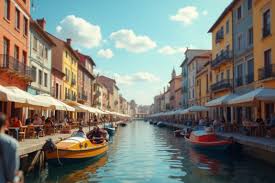 Benidormning Franko davridagi turizm modeli uning global jozibadorligi va barqarorligini shakllantirishda davom etmoqda">

The Legacy of Benidorm’s Mass Tourism Model
Benidorm, nestled on Spain’s Costa Blanca, stands as a vivid example of how a seaside town transformed into a beacon of mass tourism. Its current tourism model, initiated during the mid-20th century, still influences the city’s character and economy today. The city’s journey from a humble fishing village to a high-rise resort hotspot is nothing short of remarkable.
From Village Roots to Skyscraper Skyline
Once home to around 3,000 residents living in whitewashed houses, Benidorm has swelled into a bustling urban centre marked by over 100 skyscrapers. On peak days, especially in August, the population inflates to nearly 400,000 — a testament to its popularity as a holiday destination. This transformation was sparked under the leadership of Pedro Zaragoza Orts, mayor from 1950 to 1966, who embraced foreign tourism as a strategic alternative to the declining seafaring industry that had taken a toll on many local families.
Key Drivers of Its Tourism Boom
- Strategic location with sheltered beaches and proximity to Alicante Airport
- Pioneering city planning encouraging vertical growth through skyscrapers to efficiently use land and resources
- Bold social reforms such as permitting bikinis on beaches despite local religious opposition
- Introduction of entertainment venues including gay bars in the 1960s that diversified visitor appeal
- Promotion of cultural events like the Benidorm Song Festival, which launched stars like Julio Iglesias
Benidorm’s Urban Density: A Model of Sustainable Mass Tourism?
Though once criticized for its dense skyline and large crowds, Benidorm now attracts praise for exemplifying sustainable mass tourism. Concentrating accommodations in vertical developments uses less land compared to sprawling resorts, helps minimize water and energy consumption, and reduces reliance on private cars. This urban density facilitates more effective waste collection and infrastructure management.
| Benefits of Vertical Growth | Impact on Tourism Sustainability |
|---|---|
| Efficient land usage | Reduces urban sprawl, preserving more natural areas |
| Lower water and energy consumption | Decreases resource strain during peak tourist seasons |
| Reduced dependence on private transport | Limits traffic congestion and pollution |
| High occupancy rates year-round (approx. 90%) | Ensures economic viability without excessive overbuilding |
Visitor Loyalty and Diverse Experiences
Benidorm manages to appeal to a broad spectrum of tourists, from lively nightlife seekers to those enjoying local cuisine in charming old town tapas bars. Such diversity supports visitor retention and helps sustain the local economy through fluctuations in travel trends.
Historical and Cultural Dynamics behind the Tourism Model
The mass tourism culture that thrives in Benidorm today partly arose because of social and political dynamics in mid-20th century Spain. The allowance of bikinis on beaches, a bold move amidst a conservative atmosphere, brought a massive influx of foreign tourism. Even confrontations with the powerful Catholic Church, which opposed the changing mores, were overcome through high-profile support. This progressive yet pragmatic approach opened doors not only to sunshine and sea but also to social evolution.
Bikini Beaches and Breaking Social Molds
Pedro Zaragoza’s visionary leadership included daring publicity gestures and social openness unheard of in Spain’s conservative climate of the time. Inviting international media attention and fostering new entertainment options cemented Benidorm’s reputation as a vibrant coastal city that welcomed diverse visitors – a trait that continues to attract visitors today.
What Makes Benidorm Relevant for Today’s Tourists and Tourism Trends?
Benidorm’s evolution demonstrates how mature destinations can reinvent and stabilize themselves by blending mass tourism infrastructure with sustainable practices. The city has thrived despite typical challenges such as economic recessions and competition from emerging destinations. Its high urban density proves an efficient use of resources that may inspire other tourist hubs aiming to balance popularity and sustainability.
Benidorm at a Glance: Essential Tourism Facts
- Accommodates about 6 million visitors annually
- Enjoys broad appeal among both international tourists (notably from the UK) and Spanish nationals
- Hosts a vibrant entertainment scene catering to a variety of tastes and age groups
- Offers new attractions like theme parks and luxury hotels to attract diverse tourism segments
Booking Your Benidorm Experience with Confidence
To truly grasp what Benidorm has to offer, nothing beats personal experience. And platforms like GetExperience.com make it easier than ever to plan tailored trips with confirmed bookings through secure online payments and voucher confirmations. Whether you’re seeking adventure activities, cultural workshops, or luxurious beachside relaxation, GetExperience taps into verified providers offering tours and excursions suited to every preference and budget. This makes exploring Benidorm’s dynamic tourism landscape both convenient and cost-effective.
With customer reviews and provider transparency, you can avoid disappointments and unnecessary expenses while discovering unique aspects of the city — from its famous nightlife and tapas bars to eco-friendly wildlife safaris and interactive museum tours. Book now and embrace all sides of Benidorm’s famous appeal on GetExperience.com.
Xulosa va yakuniy fikrlar
Benidorm’s tourism journey illustrates the power of thoughtful urban design combined with bold cultural shifts to develop a legacy mass tourism model that still resonates. Its skyscraper-filled skyline isn’t just a symbol of high tourist volume but also an example of sustainable urban density minimizing environmental impacts.
This case highlights how managing tourism sustainably requires balancing resource usage, cultural openness, and diverse visitor experiences. It reinforces that even established mass tourism destinations can evolve and remain resilient through innovation and community cooperation. For travelers, Benidorm offers an eclectic mix of adventure rafting trips for beginners, luxury adventure travel experiences, and lively yacht parties alongside peaceful museum tours with live guides — truly something for everyone.