


 O‘zbekcha
  English (UK)
  Русский
  বাংলা
বাংলা  العربية
  日本語
日本語  한국어
한국어  Magyar
  Norsk nynorsk
  Türkçe
  עִבְרִית
  Español
  Čeština
  Svenska
  Português
  Ελληνικά
  Suomi
Suomi  Nederlands
  Română
  Italiano
  Français
  Polski
  Українська
  Deutsch
  简体中文
简体中文  Slovenčina
  Српски језик
  اردو
اردو  Azərbaycan dili
  አማርኛ
አማርኛ 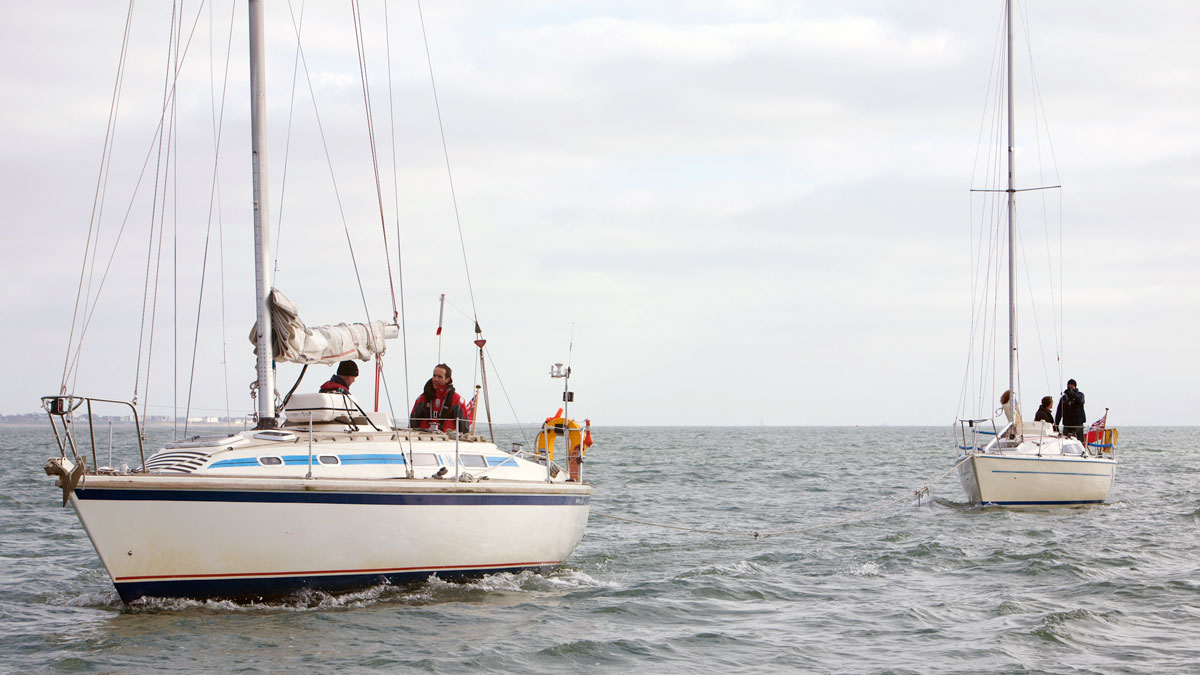 Dengizda shox ostiga tortishni sozlash bo'yicha amaliy qo'llanma">

When preparing an astern tow, aim to maintain a steady 2–3 knots, keep both vessels on the same wave cycle, and ensure at least one bridle leg is slip-able so the tow can be released under load.
Phase 1: Immediate actions and communications
On discovery of a disabled vessel, first priorities are to secure position, assign lookouts, and establish radio contact. If it is safe to do so, deploy an langar to hold station while rigging. Appoint a dedicated crew member to maintain watch for shipping and floating hazards. Notify the Coastguard and agree a working VHF channel with the assisting vessel—clear, short calls avoid confusion.
- Command: Agree who is in charge of the operation; typically the skipper of the towed boat controls steering while the towing vessel controls propulsion.
- Tezlik chegarasi: Confirm a maximum towing speed beforehand; note that excessive speed risks deck and fitting damage.
- Safety briefing: Explain hand signals, who handles the messenger line, and where fenders will be placed.
Quick operational checklist (at a glance)
| Topshiriq | Ustuvorlik | Eslatmalar |
|---|---|---|
| Anchor if safe | Yuqori | Stabilizes vessel for rigging |
| VHF contact | Yuqori | Agree channel and callsigns |
| Assign lookout | Yuqori | Watch for traffic and debris |
| Lay bridle | Yuqori | Avoid single-point towing |
Phase 2: Rigging the bridle
Never tow from a single cleat or fixed single-point. Use a bridle to spread load across multiple attachment points: cleats, winches, and if necessary, the mast. Proper bridle setup reduces the chance of fittings failing and improves directional stability.
- Tow boat: Run lines from midships cleats, around primary winches, and through aft mooring cleats to distribute tension.
- Towed boat: Run lines from stern cleats, around cockpit winches, and through bow fairleads or rollers to the forward attachment.
- Knots: Foydalanish bowlines on attachment points; they remain secure under load yet can be undone later.
- Slip-able end: Leave at least one bridle leg untied or belayed on a quick-release to allow release while under load.
Phase 3: Making the connection
Select the thickest, most elastic rope available—long anchor rode or heavy mooring line is ideal. Approach the disabled craft on the shamoldan tomonda side so it is not pushed onto your hull, and use a light messenger line to pull across the heavy towline.
- Have fenders in place to protect contact during transfer.
- Use a sacrificial chafe guard where the towline runs over fairleads.
- Confirm both skippers understand the release procedure and hand signals before taking the strain.
Phase 4: Under way and load management
When moving off, take up slack slowly; sudden snatches can produce shock loads that damage hardware. Adjust tow length so both vessels ride the same part of the wave cycle—typically one wave length apart. In rougher seas, add a weight or short length of chain to the midline to create a catenary that absorbs shocks.
- Tezlik: Keep a slow, steady pace (2–3 knots is typical).
- Monitoring: Continuously check fittings, knots and the towline for chafe.
- Navigatsiya: Remember your combined effective length increases; steer clear of buoys and obstacles.
Berthing using a tender
If the disabled vessel’s engine will not start, finishing the operation with a tender can be an efficient method to berth the boat in a marina or sheltered anchorage. Skills include carrying a messenger, securing lines onshore, and using the tender to prevent yaw while the main tow line is eased or slipped.
Practical tips for charter and tourist operators
For charter skippers and tour operators, safe towing procedures protect passengers and reputation. Brief guests calmly, keep non-essential crew clear of lines, and have insurance and contingency plans ready. A well-handled tow means less downtime for charter itineraries, preserving customer trust and limiting financial losses.
Key equipment to store on board: a heavy mooring line for tow use, a throwing messenger, extra fenders, quick-release shackles, and at least one length of chain to act as a shock-absorbing catenary when needed.
Understanding these steps is useful not only for practical seamanship but also for anyone booking marine excursions: operators who follow disciplined tow procedures provide safer, more reliable travel experiences and reduce the risk of tour cancellations.
On GetExperience, you book your experience from verified providers at reasonable prices. The platform makes secure payments with voucher confirmation and allows you to submit requests for tailored tours that match your preferences. This transparency and convenience help you avoid unnecessary expenses and disappointment while choosing excursions that fit your budget and taste. Book now GetExperience.com
To wrap up, safe astern towing relies on disciplined communications (VHF/Coastguard), a properly rigged bridle, a resilient towline with catenary weight where needed, slow steady speeds, and vigilant lookout and equipment checks. Whether you’re an operator planning charter routes or a traveller booking yacht parties, cruise packages, safari tours, museum tours with live guides or interactive online cultural workshops, a basic knowledge of towing increases confidence. From adventure rafting trips for beginners to luxury adventure travel experiences, and even online virtual tours, understanding emergency seamanship helps preserve travel experiences and adventure activities while ensuring eco-friendly wildlife safaris and exclusive yacht charters for events remain safe and enjoyable.