


 O‘zbekcha
  English (UK)
  Русский
  বাংলা
বাংলা  العربية
  日本語
日本語  한국어
한국어  Magyar
  Norsk nynorsk
  Türkçe
  עִבְרִית
  Español
  Čeština
  Svenska
  Português
  Ελληνικά
  Suomi
Suomi  Nederlands
  Română
  Italiano
  Français
  Polski
  Українська
  Deutsch
  简体中文
简体中文  Slovenčina
  Српски језик
  اردو
اردو  Azərbaycan dili
  አማርኛ
አማርኛ 
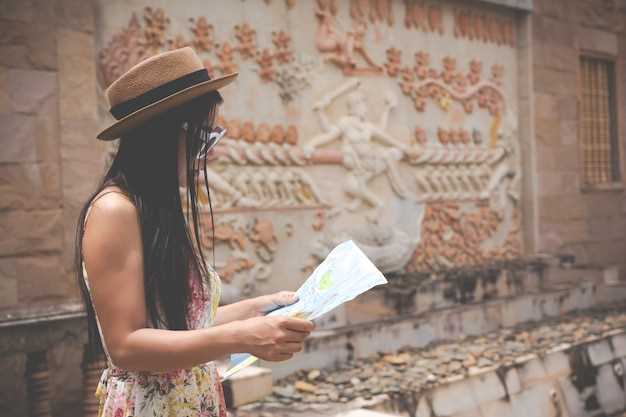
Me'ros va arxitektura tadqiqotlari o'tmishni hozirgi bilan bog'laydigan fantastik hikoyani ochib beradi. Har xil meʼmoriy uslublar ...ning dalili boʻlib xizmat qiladi yaratilish madaniy o'zlikni, turli xil neighborhoods va tarixiy davrlar. Go'zal portiklar qadimiy ibodatxonalardan tortib to shahar parklarining zamonaviy dizaynlarigacha, har bir qirra ... haqida tushuncha beradi. biznesmen muhitni shakllantirgan hunarmandlar. Bu sayohat hamroh bo'ladi rivojlanish va tiklash, jamiyatlar o'z tarixini saqlab qolishga va shu bilan birga vazn zamonaviy ehtiyojlarga mos.
Arxitektura tadqiqoti shunchaki akademik mashg'ulot emas; bu yo'l ochadi talabalar va sayyohlarga har birining ichiga singdirilgan hikoyalar bilan tanishishga tile-shard va ceiling. Yoʻlakdan yurib breathtaking bogʻlarni va hayratlanarli inshootlarni oʻrganish chuqur ahamiyatga ega. terrasalar gavjum ko'chalarga yoki sokin bog'larga qarab turadigan narsalar tushunish uchun o'ziga xos nuqtai nazarni taqdim etadi vaqt bo'yicha cheklangan dizayn amaliyotlarining evolyutsiyasi. Shu nuqtai nazarda, meros turizmi muhim tadbirkorlik sifatida yuzaga keladi va odamlarga dunyomizni shakllantirgan tarixiy rivoyatlarni his qilish imkonini beradi.
Har bir arxitektura yodgorligi bir hikoya so'zlaydi, showing fransuz, avstriyalikmi yoki mahalliy an'analarmi, turli madaniy ta'sirlar qanday qilib noyob manzarani yaratish uchun birlashganini ko'rishimiz mumkin. Bu hududlar bo'ylab sayohat qilar ekanmiz, biz hikoyalarni ko'rish imkoniyatiga egamiz ajdarlar va Salamandrlar shaharlarning to'qimasiga o'yib yozilgan, intilish va ehtiyotkorlik belgisi. Puxta tartibga solingan trencadis mozaikalar va murakkab dizaynlar nafaqat estetik sezgirlikni, balki jamiyatning ham aks etadi. Salud va meros. Ushbu maqola sizni tarix va dizayn qatlamlari bo'ylab sayohatga chorlaydi, arxitektura vositasi orqali o'tmish bilan qanday bog'lanishimizni va kelajakni qanday tasavvur qilishimizni qadrlashga undaydi.
Park Güellning arxitektura ahamiyatini tushunish
1914-yilda ochilgan Güell Parki Barselonadagi me'moriy dahoning eng jozibali namunalaridan biri hisoblanadi. Usta me'mor Antoni Gaudi tomonidan loyihalashtirilgan bu yorqin jamoat bog'i dastlab turar joy bo'lishi kerak edi, ammo keyinchalik shahar tepasidagi qiyalikning katta qismini qamrab olgan jamoat maydoniga aylantirildi. Gaudining aniq rejalashtirishiga ko'ra, park tabiat bilan uyg'unlashgandek ko'rinadigan inshootlarni o'z ichiga oladi va me'morning fantaziyani funksionallik bilan uyg'unlashtirish qobiliyatini namoyish etadi.
Park Güell dizayni tuproq va tosh kabi mahalliy materiallardan foydalanishga asoslangan bo'lib, bu inshootlarni landshaft bilan bog'laydi. Gaudíning rang-barang koshinlar va mozaikalardan foydalanishi har yili minglab tashrif buyuruvchilarni o'ziga rom etadigan vizual tajriba yaratadi. Ta'kidlash joizki, “El Drac” nomi bilan tanilgan mashhur salamandra haykali asosiy nuqta bo'lib xizmat qiladi va butun park bo'ylab o'zaro bog'langan sehrni anglatadi.
Butun park bo'ylab shaharning quyidagi ajoyib manzaralarini taqdim etish uchun turli xil inshootlar strategik tarzda joylashtirilgan. Asosiy kirish joyida mehmonlarni kutib oluvchi noyob dizayndagi loji mavjud, keng asosiy terasta esa hayratlanarli manzarani taqdim etadi, u erda tashrif buyuruvchilar go'zal atrofni tomosha qilish uchun kutishadi. Ushbu arxitektura durdonalari nafaqat dizaynga innovatsion yondashuvni aks ettiradi, balki tabiat va inson ijodkorligi o'rtasidagi o'zaro munosabatni ham namoyish etadi.
Katta inshootlardan tashqari, Güell bog'ida yaxlit tajriba yaratishda rol o'ynaydigan turli xil kichik elementlar ham mavjud. Yo'laklar va zinapoyalar tashrif buyuruvchilarni turli nuqtai nazarlarni ochib beradigan yo'nalish bo'ylab yo'naltiradi va Gaudi mahoratini qadrlashni oshiradi. Bog'dagi turli xil elementlar yillar davomida arxitektura evolyutsiyasining turli bosqichlarini ta'kidlaydi va dizayn tarixida xatcho'plar vazifasini o'taydi.
Park Güell YUNESKOning Jahon merosi ro'yxatiga kiritilgan bo'lib, bu uning arxitektura sohasidagi ahamiyatini yanada mustahkamlaydi. Park Gaudining uzoqni ko'ra bilgan g'oyalarining dalilidir va mintaqaning madaniy merosini aks ettiradi, bu esa uni arxitektura yoki tarixga qiziqqan har bir kishi uchun tashrif buyuradigan joyga aylantiradi. Aslida, park vaqt bo'ylab sayohatni anglatadi, unda har bir qadam ijodkorlikning jozibali hikoyasini va dizayn sehrini ochib beradi.
Antoni Gaudíning qarashlari
Antoni Gaudí, modernist arxitekturaning ustasi, Barselonaning sehrli shahri bilan bogʻliq boʻlib, u yerda oʻzining betakror qarashlari shahar manzarasini oʻzgartirdi. Uning inshootlari, qiyalab tomlari va organik shakllari tabiat bilan uyg'unlashish uchun yaratilgan. Ehtimol, uning eng mashhur asari bo'lgan Sagrada Familia shaharning me'moriy merosining abadiy ramzi bo'lib qolmoqda, o'zining hayratlanarli tafsilotlari va baland minorlari bilan tashrif buyuruvchilarni hayratga soladi.
Gaudíning dizaynga yondashuvi quyidagilardan ta'sirlangan: French va avstriyalik rassomlar taʼsirida boʻlgan, ammo u har doim Барселонага xos boʻlgan narsani yaratishga intilgan. U shunchaki meʼmor emas edi; u binolar atrof-muhit bilan oʻzaro taʼsirlashishi kerakligini tushunib yetgan visioner edi. Uning trencadís, yoki sopol mozaika texnikasi orqali binolarni bezashda rang-barang bo'laklardan foydalanib, o'z ishlariga yorqin va rangli sifat olib kirgan. Bu usul nafaqat estetik jozibadorlikni oshirdi, balki umumiy dizaynning yaxlitligini saqlagan holda inshootlarni ta'mirlash va tiklash imkonini berdi.
Gaudíning diqqatga sazovor loyihalaridan biri, Park Güell, oʻzining innovatsion ruhini namoyish etadi, diqqat bilan ishlab chiqilgan uy-joylar, jamoat joylari va tashrif buyuruvchilarni ijod olamiga sho'ng'ishga undaydigan obodonlashtirish bilan to'ldirilgan. Park to'la o'simliklar va badiiy inshootlari bilan shaharning boy madaniy merosini o'rganayotgan har bir kishi uchun tashrif buyurish shart bo'lgan joyga aylantiradi. Bu yerda tabiatning ta'siri yaqqol seziladi, chunki tartibidan tortib dekorativ detallarigacha bo'lgan har bir element tabiiy muhitni yaxshilashga xizmat qiladi.
Iqtisodiy mulohazalar ham Gaudí ijodida rol o'ynadi. U san'at faqat biznes mahsuli bo'lmasligi kerakligiga ishongan bo'lsa-da, u badiiy yaxlitlikni amaliy ehtiyojlar bilan muvozanatlashtirishga muvaffaq bo'ldi. biznesmen ko'chmas mulk bozorida. Tijoratni ijodkorlik bilan uyg'unlashtirishning bu noyob qobiliyati unga o'zining murakkab tasavvurlarini amalga oshirishga imkon berdi va uning loyihalari nafaqat estetik jihatdan yoqimli, balki shahar kontekstida ham maqsadga muvofiq bo'lishini ta'minladi.
Barselonaga bugungi tashrif buyuruvchilar sotib olishlari mumkin chiptalar Gaudíning durdona asarlarini tomosha qilish va uning yaratgan sehrli muhitga sho‘ng‘ishadi. Bu arxitektura xazinalari ilhomlantirishda va hayrat uyg‘otishda davom etib, Gaudíning merosi shahar madaniyatida abadiy qolishini ta'minlaydi. Uning ishlarining rasmiy qo'riqchisi sifatida Barselona shahri maintaining ushbu ikonik inshootlar shunchaki binolar emas, balki inson xayoloti va ijodkorligining namunasidir.
The vision of Antoni Gaudí is an extraordinary journey through history and design, where each structure tells a story that reflects the soul of Barcelona. His legacy is not only available in the monuments that grace the landscape but also in the collective memory of a city that celebrates its heritage through architecture.
Influence of Catalan Modernism
The Catalan Modernism movement, primarily developed in the late 19th and early 20th centuries, remains a significant chapter in the history of architecture. It constitutes a unique blend of artistic expression, innovative design, and cultural symbolism. Architects like Antoni Gaudí and Lluís Domènech i Montaner were responsible for many masterpieces that define the architectural landscape of Barcelona.
This movement is characterized by numerous features such as slanting rooftops, organic shapes, and intricate ceramics. The use of natural forms and colors always captivates visitors, offering a peaceful escape from the bustling city. The entry points of these structures, including elaborately designed entrances and grand staircases, invite those who pass by to explore the intricacies of Catalan heritage.
A popular route for tourists is the Gracia area, where you can find notable monuments like Casa Batlló and Casa Milà. These landmarks, often packed with visitors, showcase the movement’s dedication to harmony and functionality. The areas surrounding these buildings feature benches and terraces, allowing guests to pause and admire the architecture lovingly.
Current developments in tourism often highlight the aspects of Catalan Modernism, ensuring its preservation for future generations. Expert tours are organized to guide visitors through this rich architectural narrative, focusing on different zones of interest within the capital. With attention to sound design and spatial layout, these tours aim to enhance the visitor experience.
| Year | Arxitektor | Masterpiece</th |
|---|---|---|
| 1904 | Antoni Gaudi | Casa Batlló |
| 1906 | Antoni Gaudi | Casa Milà |
| 1897 | Lluís Domènech i Montaner | Palau de la Música Catalana |
| 1900 | Francesc Berenguer | Casa Ramos |
The lasting influence of Catalan Modernism can be observed in various zones across the city, where the architecture continues to merge tradition with modern needs. This movement is a vital part of Barcelona’s identity and remains an area of interest for both locals and international visitors. Engage yourself in this cultural journey and marvel at the creative genius responsible for shaping a remarkable urban landscape.
Symbolism in Design Elements
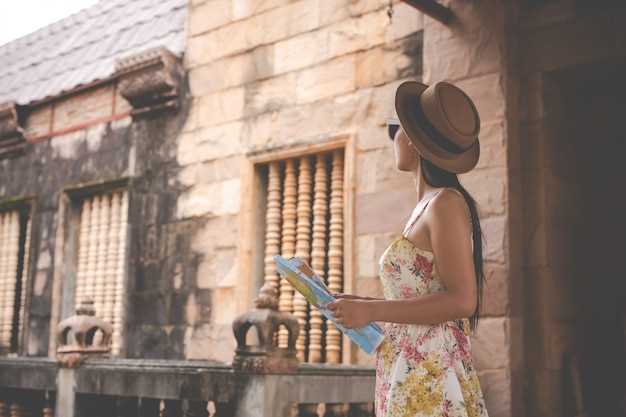
In the realm of architecture, symbolism plays a crucial role in conveying meaning and enhancing the emotional connection between structures and their surroundings. Various elements within a building can reflect the history, culture, and aspirations of a community, particularly in regions like Catalonia, where a deep sense of heritage intersects with modern design.
For instance, in the picturesque town of Baixada, every landmark is carefully decorated, each detail marked by cultural significance. Here, the use of colors such as blue not only adds visual appeal but also resonates with local traditions, evoking feelings of tranquility and harmony with the landscape. The incorporation of materials like trencadís–a technique involving the use of broken tile shards–highlights the area’s architectural evolution while emphasizing sustainability and biodiversity, combined in a thoughtful manner.
In modern residences, design elements are often infused with enchanting symbolism that reflects the identity of the neighborhood. This can be seen in architectural features like porticos that invite residents and tourists alike to stroll through the city’s pathways, immersing themselves in the rich tapestry of history and contemporary life. Such elements are more than mere aesthetics; they serve a functional purpose, providing shelter while representing the spirit of community.
As we travel through areas like Parc Santuari, the weight of history becomes palpable. Here, visitors can explore architectural forms that have stood the test of time, each with its own story to tell. Although the designs may appear modern at first glance, they often carry timeless motifs that weave together past and present, inviting reflection on our shared heritage.
In conclusion, the symbolism embedded in design elements constitutes a powerful language that speaks to our collective identity. Whether in the laundry of daily life or the grand lodges lining the hillside, every structure contributes to a narrative that binds us to our surroundings. The architectural collaboration across the city aims to enhance not only the aesthetic appeal but also the cultural resonance of the built environment, ensuring that as we admire these designs, we are reminded of the stories they tell and the lives they touch.
Materials and Techniques Used
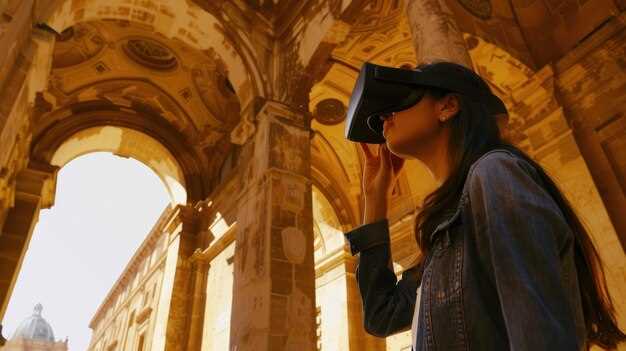
The exploration of heritage and architecture reveals a fascinating history of materials and techniques that have been used across various periods and cultures. In the heart of many cities, these elements are not just functional; they are integral to the identity and magic of the urban landscape. For instance, Gaudí originally utilized a combination of stone, ceramics, and glass in his constructions, creating a visual language that celebrated the beauty of nature.
Instead of relying solely on conventional materials, architects often have sought inspiration from the region’s specific characteristics, such as local plants and rocks. This choice ensures that structures are not only aesthetically pleasing but also harmoniously integrated with their surroundings. The use of these materials reflects the residents’ deep connection to the environment, resulting in buildings that hardly require extensive maintenance.
In the shaharning center, one can see an array of techniques that highlight cultural influences, such as the French and Italian styles which occupied this region during various settlements. These designs incorporate intricate details, often inspired by the original layout of the area. In this context, the guardians of architecture aim to preserve these structures, paying homage to the diverse history that shaped the city.
Visitors to these historical sites typically want to understand the significance behind each material. A guide might explain how the use of specific stone contributes to the stability and longevity of a building, while the slanting roofs serve to funnel rainwater away, ensuring structural integrity over time. Such insights enhance the experience for anyone interested in the architectural journey that history embarked upon.
Zones of entry and exit in these buildings often feature elaborate doorways and windows that invite the outside in, creating a dialogue between the interior and the environment. The aim is to inspire wonder and appreciation for the craftsmanship involved. Engaging with these buildings provides an opportunity to enjoy their original character while acknowledging the collaboration between architects and artisans who brought these visions to life.
Ultimately, the greatest appreciation of heritage architecture lies in understanding the materials and techniques used, as they tell a story of innovation, adaptation, and respect for the past. When we step into these spaces, we not only witness the magic of design but also connect with the essence of history that they represent.
Key Attractions Within Park Güell
Park Güell, designed by the renowned architect Antoni Gaudí, is a UNESCO World Heritage Site that showcases the integration of nature and architecture. With over 17 hectares of vibrant landscapes, it offers visitors a unique journey through history and design. The park features a variety of key attractions that highlight its cultural significance and aesthetic appeal.
- Dragons and Salamanders: One of the most iconic symbols of Park Güell is the colorful mosaicked dragon, or salamander, located at the entrance. This vibrant piece, made from tile shards, attracts those who seek a glimpse of Gaudí’s whimsical artistry.
- Hypostyle Hall: The Hypostyle Hall, with its 86 columns, serves as a remarkable structural feature that provides shade and leads visitors to various pathways throughout the park. This section of the park was designed to resemble a grand hall, showcasing Gaudí’s innovative approach to architectural spaces.
- Terrace Overlooking the City: The terrace offers a stunning panoramic view of Barcelona, where visitors can enjoy the skyline against the backdrop of the Sierra mountains. This is a perfect stop for families looking to capture memorable photographs in this iconic place.
- Casa Museu Gaudí: Formerly the residence of Antoni Gaudí, this house is now a museum dedicated to his life and works. It contains artifacts and furniture designed by the architect, providing insight into his creative process.
- Gardens and Green Spaces: The park features numerous gardens that serve as natural oases within the urban landscape. These areas, combined with Gaudí’s architectural elements, create serene spots for relaxation and enjoyment among families and friends.
- Architectural Elements: Every section of Park Güell is meticulously designed, with unique structures like the gingerbread-style houses that charm visitors and reflect the neighborhood’s cultural essence.
As you explore Park Güell, pay attention to the intricate details that Gaudí worked into the design, from the slanting roofs to the natural colors of the materials used. Each pathway invites you to look beyond the ordinary and dive into a world where architecture and nature coexist beautifully. Whether you’re here for leisure or learning, this park has something special waiting for you.
The Dragon Stairway: A Landmark of Creativity
The Dragon Stairway is an incredible structure that has captured the imagination of thousands who have visited it. Built in the heart of the city, this architectural masterpiece serves as a bridge between history and modern design, allowing everyone to explore its unique features. The stairway, with its playful design, includes integrated gardens and vegetation that surround the ascending steps, creating a breathtaking view that enchants visitors.
This landmark was inspired by the mythical dragons, which can be seen in the decorative elements throughout the staircase. The architects, known for their innovative work, designed each section to allow for an essential flow of mobility. They carefully considered the needs of all visitors, ensuring that the stairway is accessible and enjoyable for everyone, including families and those with reduced mobility.
The entry to the Dragon Stairway is adjacent to a spacious esplanade that has become a social gathering zone. Here, artists find inspiration, and children play, while adults relax, enjoying the surroundings. The terrace at the center serves as a focal point for many events and gatherings, where performances and exhibitions are often held. It is a space that encourages community engagement and creative expression.
As visitors ascend the chunky steps, they are greeted by a series of beautifully designed hallways that guide them towards the top. Each area along the way offers unique views of the surrounding landscape, showcasing the settlement’s rich history. The design is not only visually appealing but also serves as a functional space that supports the needs of its users.
The stairway has become a favorite among local and international tourists alike. Many choose to skip the usual attractions and head straight for this iconic structure, where they can take in the artistry and craftsmanship at their leisure. The combination of playful elements with serious artistry has made the Dragon Stairway a celebrated asset of the city.
In conclusion, the Dragon Stairway stands as a testament to creative architecture and community spirit. It is more than just a stairway; it is a destination that invites everyone to pause, reflect, and enjoy the simple beauty of design and nature intertwined.