


 O‘zbekcha
  English (UK)
  Русский
  বাংলা
বাংলা  العربية
  日本語
日本語  한국어
한국어  Magyar
  Norsk nynorsk
  Türkçe
  עִבְרִית
  Español
  Čeština
  Svenska
  Português
  Ελληνικά
  Suomi
Suomi  Nederlands
  Română
  Italiano
  Français
  Polski
  Українська
  Deutsch
  简体中文
简体中文  Slovenčina
  Српски језик
  اردو
اردو  Azərbaycan dili
  አማርኛ
አማርኛ 

When we think of zoos, we often envision modern attractions filled with large enclosures and advanced animal care practices. However, the history of zoos stretches back centuries, revealing a time when these menageries served as symbols of wealth and prestige. To know the roots of these animal habitats is to embark on a journey through time, exploring how certain zoos have evolved while still holding onto their rich heritage. Today, we can visit some of the oldest zoos on Earth, where ancient buildings and time-honored traditions meet the needs of modern animal care.
One example is the Vienna Zoo in Austria, known for housing a variety of critters, including black bears and giraffes. This attraction has a long-standing commitment to research and conservation, taking pride in its historical significance while simultaneously supporting the natural habitat of its residents. Similarly, the Berlin Zoo in Germany, which has welcomed visitors for over a century, offers a unique opportunity to meet fascinating species, such as giant pandas and gorillas, in a setting that has been both preserved and modernized.
Travelling to see these historic sites allows people to appreciate not only the animals but also the architectural beauty and mission behind their existence. Whether you find yourself in the bustling streets of Amsterdam visiting the Artis Zoo or exploring the tranquil grounds of the Taronga Zoo in Australia, these locations provide a glimpse into the past while working towards a brighter future for all species. They remind us that zoos are, in many ways, living museums that reflect our connection to the animal world, their stories woven into the fabric of our society.
Top Historical Zoos to Explore
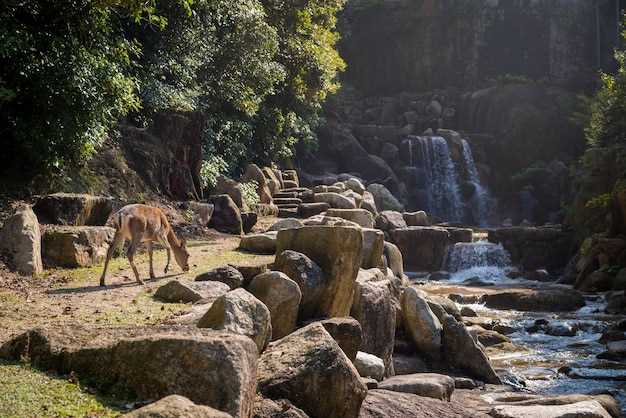
Throughout the years, various renowned zoos have opened their gates to the public, establishing themselves as important sources of conservation and education. One such institution is the Vienna Zoo in Austria, built in the 18th century. This zoo houses a wide array of exotic animals, including endangered species, making it a vital part of scientific research and public awareness. The zoo’s historical significance is underscored by its long-standing commitment to animal welfare, providing a glimpse into the past while striving for a sustainable future.
Another intriguing destination is the Clifton Zoo in Australia, which has not only housed numerous animal species but has also been a site for wrestling events and public demonstrations of animal care. Although it opened as a private menagerie, it has since evolved, drawing people from all walks of life to meet the magnificent elephants and lions that call it home. This evolution highlights the changing perceptions of captivity and wildlife, blending entertainment with education.
Lastly, the Arignar Anna Zoological Park in India epitomizes the fusion of a botanical garden and a zoo, embodying a century of dedication to animal preservation. It features various types of menageries where guests can view animals in settings that resemble their natural habitats. This unique approach not only enhances the animals’ well-being but also enriches visitors’ experiences, making it a destination where the past and present coexist harmoniously. Ultimately, these historical zoos serve as a reminder of humanity’s responsibility towards the natural world and the wildlife within it.
What Makes a Zoo Historic?
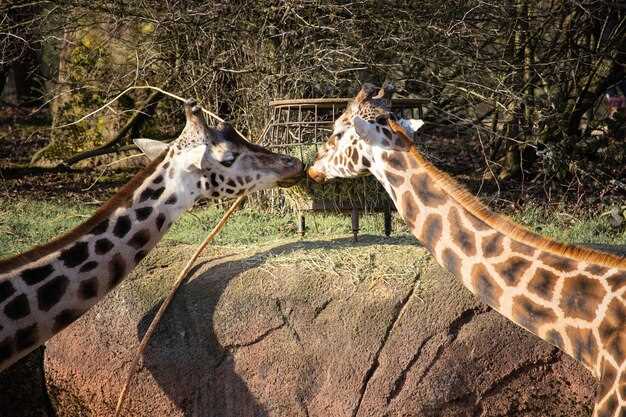
Zoos that have stood the test of time often embody a deep connection to the history of zoology and conservation. They opened doors for the public to explore the wonders of wildlife, showcasing a variety of species, from elephants and hippos to monkeys and gorillas. Historic zoos like the Schönbrunn in Germany and Artis in the Netherlands were established during imperial times, serving as menageries where people could marvel at exotic animals. Over the centuries, these institutions became not just places of entertainment, but crucial centers for research and funding dedicated to the preservation of endangered species.
As you explore these iconic locations, you’ll find numerous stories woven into their landscapes. For instance, the Bristol Zoo, which opened in 1836, has continually adapted its business model to reflect modern conservation needs. Staff at these zoos are often committed to educating visitors about the importance of preserving natural habitats and understanding animal behavior. In countries like Australia and India, private menageries have transformed into reputable zoos, such as the Vandalur Zoo near Thiruvananthapuram, which focuses on local wildlife and biodiversity.
Interestingly, the significance of historic zoos often lies in their architectural charm and unique designs. Many feature picturesque gardens, reminiscent of the original jardin setups found in France and other parts of Europe. This aesthetic, combined with their longstanding tradition of housing animals like polar bears and central gorillas, creates a sense of nostalgia. When you visit these parks, you’re not just looking at animals; you’re witnessing the evolution of animal care and conservation efforts that extend across centuries, a legacy that thankfully continues to thrive today.
Key Features of the Oldest Zoos
The oldest zoos in the world, such as the Artis in Amsterdam and the London Zoo, were built in the early 19th century and have since become popular attractions for visitors. These zoological gardens not only showcase unique animals like lions and monkeys but also house impressive botanical collections. The impressive buildings and layouts reflect the architectural styles of their time, creating a historical atmosphere that delights both residents and tourists alike. Each zoo offers a unique glimpse into the past, allowing visitors to experience the wonders of nature alongside the marvels of human design.
Education lies at the heart of these long-established zoos. They serve as respected institutions in their respective societies, providing invaluable resources for learning about wildlife conservation and animal welfare. Various programs and activities are designed to engage the public, ensuring that the next generation understands the importance of protecting our planet’s biodiversity. With admission fees often funding these educational initiatives, visiting these zoos becomes a meaningful experience that goes beyond mere entertainment.
Furthermore, these historical establishments include sister locations that bolster their conservation efforts. The Bristol Zoo, for instance, was the first to include a children’s zoo, where younger visitors can enjoy interactive experiences. Many of these zoos have acquired accolades and listed recognition for their commitment to animal care and environmental stewardship. As they continue to evolve, the oldest zoos are grateful for modern advancements in sustainable practices, ensuring they remain a source of enjoyment and learning for years to come.
Animals You Can See in These Zoos
The oldest zoos in the world, such as Artis in Amsterdam and the London Zoo in England, feature numerous fascinating species that attract visitors from all around. One can meet majestic animals like the lion and the tiger, which have become symbols of strength and beauty throughout the ages. These animals, kept in carefully curated habitats, allow guests to appreciate both the splendor of wild creatures and the importance of conservation efforts surrounding endangered species.
In places like the Zoological Gardens ichida Thiruvananthapuram, visitors can explore unique exhibits. Among the residents are the beautiful hippos and the elusive okapi, the latter of which offers a glimpse into a realm of zoology that many people are still unaware of. With the legacy of centuries, these animals contribute to the stories that connect people to wildlife, reminding us of the significance of biodiversity.
Private zoos, such as Diergaarde Blijdorp in the Netherlands, provide another dimension of animal observation. They often house smaller species, including many domestic and exotic animals that captivate the public’s interest. Educational programs by scientists aim to deepen visitors’ understanding of animal care and welfare. As zoos continue to evolve, the connection between humans and the animal kingdom remains strong, ensuring a lasting legacy for future generations.
Cultural Significance of Each Zoo
The cultural importance of each zoo that remains open today is multifaceted. For instance, the Viennese Zoo in Austria, which is the oldest in the world, opened its gates in 1752. Its historical significance lies not only in its long-standing presence but also in its role as a vital educational institution. Visitors arrive to see a variety of species, including giant pandas and polar bears, while being able to explore the stunning buildings that date back several centuries.
In the Netherlands, the Artis Zoo in Amsterdam has captivated people since its inception in 1838. This establishment is known for its unique combination of a zoo and botanical gardens. Visitors can engage with numerous exotic animals and witness ongoing research efforts. The zoo serves as a cultural hub, hosting numerous events that promote awareness about wildlife conservation and the environment. Such educational opportunities make Artis a revered destination for families and scholars alike.
Next, the Berlin Zoo in Germany, established in 1844, has become a symbol of resilience and research in the face of historical adversity. After surviving World War II, the zoo played a crucial role in restoration efforts, housing countless animals and serving as a site for scientific studies. Today, it attracts tourists who marvel at the diverse exhibits, including its famous collection of gorillas. Overall, the Berlin Zoo provides a unique glimpse into historical moments that shaped modern conservation practices.
Moving away from Europe, the Vandalur Zoo in India has emerged as a critical conservation space since its opening in 1855. Located near Thiruvananthapuram, it not only houses a variety of small critters and larger species such as giraffes and elephants but also engages visitors with educational programs about local wildlife. This zoo enhances cultural appreciation, allowing individuals to learn about India’s rich biodiversity and conservation efforts.
In conclusion, the zoos discussed here are more than just places to see animals; they are vital cultural landmarks. They educate the public, promote conservation, and connect people with the wonders of the animal kingdom. As these institutions continue to thrive, they preserve their histories while fostering a new appreciation for both wildlife and environmental stewardship for future generations.