


 O‘zbekcha
  English (UK)
  Русский
  বাংলা
বাংলা  العربية
  日本語
日本語  한국어
한국어  Magyar
  Norsk nynorsk
  Türkçe
  עִבְרִית
  Español
  Čeština
  Svenska
  Português
  Ελληνικά
  Suomi
Suomi  Nederlands
  Română
  Italiano
  Français
  Polski
  Українська
  Deutsch
  简体中文
简体中文  Slovenčina
  Српски језик
  اردو
اردو  Azərbaycan dili
  አማርኛ
አማርኛ 
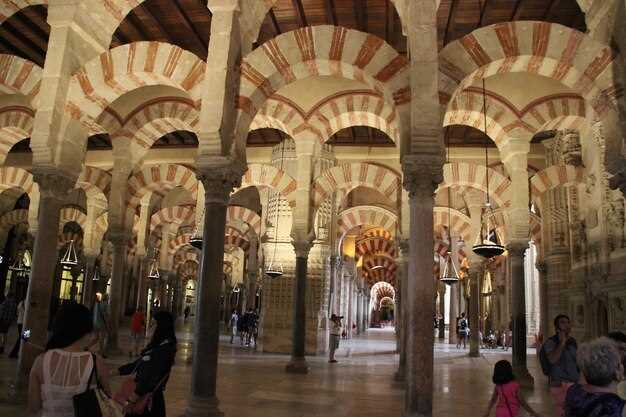
The Mosque-Cathedral of Córdoba stands as a testament to the rich and complex history of one of Spain’s most pivotal cultural capitals. Initially designed as a place of worship for the Muslim community during the rule of the Umayyad Caliphate, it underwent a significant transformation following the Reconquista. For Fernando and his successors, the challenge was not merely to seek alignment with the Christian faith but to respect the architectural marvel that had previously embodied the Arab-Islamic vision of the city.
Over the years, the Mosque-Cathedral has come to symbolize the evolution of cultural and religious identities in Córdoba, becoming a contested site among activists and historians who seek to preserve its multicultural legacy. Chroniclers of the era have noted how the intricate mosaics and stunning architecture embody a simpler, yet profound nature of artistic expression, representing both the Muslim and later Castilian influences. The restoration efforts ordered by Al-Hakams and later figures, including Cornejo and Izquierdo, only served to enhance its architectural beauty, blending various styles into a cohesive whole.
However, the history of the Mosque-Cathedral is not without controversy. The consequences of its consecration as a Christian cathedral in the 13th century have led to numerous debates about the rightful ownership of such a historic monument. Many scholars suggest that this strong cultural alignment, although controversial, has been enough to allow for a unique coexistence of belief systems within the same sacred space. As visitors enter the impressive front, they are invited to reflect on the layered meanings that this extraordinary building represents, from its roots in the Islamic tradition to its current status as a hallmark of Renaissance-style architecture.
Architectural Marvels of the Mosque-Cathedral
The Mosque-Cathedral of Córdoba stands as a testament to the commitment of various cultures to create a unique architectural heritage. Founded in the 8th century, this masterpiece incorporates elements from different styles, including Gotika, Renessans, va Islomiy design, significantly reflecting the historical transitions during and after the Reconquista.
The structure itself is known for its stunning hovli and numerous proyektsiyalar bu highlight the intricate detailing of architectural features. The mosque-cathedral spanned a vast area, making it one of the largest religious buildings in the country. The interior is particularly striking, with its series of arches characterized by red and white stucco designs, creating a visually captivating atmosphere that has a lasting effect on visitors.
One of the most impressive elements is the mihrab, a prayer niche adorned with intricate mosaics and gold decorations, partly symbolizing the Kaaba in Mecca. In addition, the structure features a unique layout that reveals significant stratigraphy of cultural styles, demonstrating how different architectural proposals were integrated over the centuries.
Afterwards, the mosque was transformed into a cathedral, a xususiy endeavor that aimed to showcase the power of the Catholic Church in a city that was previously dominated by Islamic influence. This change does not overshadow the origins of the building; rather, it celebrates the coexistence of various faiths and cultures that have shaped its history.
Architects and masters like Al-Razi and the great Andalusian artist Cornejo contributed to its beauty, adding unique elements that reflect the area’s rich history. The proposal to preserve and highlight these features came from various councils, acknowledging that such a site is a crucial part of global heritage.
In conclusion, the Mosque-Cathedral of Córdoba is a remarkable intersection where architectural mastery meets cultural significance, inviting visitors to choose their path through its storied corridors and to discover the layers of history that have shaped its existence.
What Are the Key Architectural Features?
The Mosque-Cathedral of Córdoba showcases a blend of architectural styles that reflect its rich history and cultural transformation. The initial design, commissioned by the Umayyad ruler Al-Rahman I in the 8th century, features horseshoe arches that span wide spaces, creating a sense of openness and light within the mosque. This innovative use of arches looks both elegant and structurally sound, allowing for extensive lateral expansion.
One of the mosque’s most noted features is the striking red and white striped arches, which are both a visual highlight and a testament to the artistry of the period. These arches are constructed from alternating stone and brick, a design technique that has remained a defining characteristic of the mosque’s architecture. Additionally, the expansive prayer hall, which initially measured approximately 23,400 square metres, contributed to the mosque’s significance as a religious centre in the city.
As the mosque underwent transformations, particularly during the Renaissance when it was rebuilt as a cathedral, modern architectural elements were incorporated. However, the original Islamic features were preserved within, allowing visitors to understand the history and cultural significance of both faiths. The significant opposition to alterations by various rulers highlights the commitment to maintaining its heritage.
The large central courtyard, or ‘sahn’, serves as a welcoming front to the mosque, facilitating the flow of worshippers. The minaret, which was later converted to a bell tower, represents the appropriation of the mosque’s space, yet it sympathetically complements the original architecture. None of these features fall short of representing the city’s historical timeline and its pivotal role within European Islamic architecture.
The use of intricate mosaics and decorative motifs further enriches the mosque’s interior, embodying the cultural syncretism that characterizes Córdoba’s history. These artworks permit a glimpse into the artistic styles of the time, merging with the halal traditions of Islamic worship. Therefore, the Mosque-Cathedral is not only an architectural masterpiece but also a chapter of cultural heritage that has lasted through centuries, supported by the dedication of those who sought to protect its legacy.
How Does the Structure Reflect Different Historical Periods?
The Mosque-Cathedral of Córdoba stands as a remarkable embodiment of the artistic and architectural legacies of various historical periods. Initially conceived by the Umayyad ruler Al-Rahman I in the 8th century, the mosque’s grand hypostyle layout and Syrian-style arches reflect the rich Islamic tradition of the era, characterized by expansive open spaces and intricate decorations. This design provided a sense of serenity and spiritual elevation for the people of Madinat al-Zahra.
As time progressed, various modifications were made to the structure. The incorporation of Mudéjar elements under the rule of Fernando III in the 13th century symbolizes the convivencia–or coexistence–between Islamic and Christian cultures. These added features, including tiered altarpieces and magnificent chapels, demonstrate how the mosque was transformed into a cathedral, appealing to the Catholic populace while maintaining aspects of its Islamic heritage.
Furthermore, the 20th-century decision to preserve both the mosque and cathedral as tourist sites has led to a unique blend of historical epochs. The walls, now covered with Christian iconography, visually narrate the complex relationship that has existed between Islam and Christianity in Spain. This juxtaposition explains the structural changes, highlighting how different cultures have influenced the same space over centuries.
Visitors today can appreciate various vistas that exhibit not only the grandeur of Islamic architecture but also the evolution of religious practices. The structure, forcibly inserted with new elements over time, still holds the essence of its origin, making it a focal point for understanding the historical transitions between its roles as a mosque and a cathedral. It stands not only as a place of worship but also as an architectural timeline, illustrating how the rich tapestry of Córdoba’s history is bound together through this grand masterpiece.
What Influences Shaped Its Design?
The Mosque-Cathedral of Córdoba represents a pinnacle of architectural achievement, showcasing a confluence of various influences that shaped its design throughout the centuries. Several key factors contributed to its unique structure and layout, making it a masterpiece of cultural heritage.
At the beginning of its construction in the Islamic era, the mosque was predominantly influenced by the architectural traditions of the Umayyad caliphate. The design featured wide naves and intricate arches, which were conceived to create a sense of expansive space. The original blueprint included numerous aisles, enhancing both functionality and aesthetics, and reflected the Islamic emphasis on communal worship.
- The use of mudéjar techniques, which involved blending Islamic and Christian styles, became prominent during later expansions. This allowed for a unique synthesis of styles, making the structure a contested yet fascinating site.
- Minarets, originally commissioned as towers for the call to prayer, later became integrated into the design, serving both aesthetic and functional purposes.
- Baroque elements were introduced by later architects, most notably in the creation of the striking maqsura and the elaborately designed gates and portals, which transformed the mosque into a more visually grand edifice.
Influences from local saints and other religious figures, such as the veneration of Señora de la Salud, further impacted the design. These elements illustrate how the mosque transitioned into a cathedral, integrating Catholic symbolism while respecting its Islamic heritage.
Moreover, architects and patrons like Al-Mansur and Isabel, the Catholic Monarchs, played essential roles in the expansion and publicization of the site. Their dedication to the project is well-documented and reflects broader societal problems of the time, including the desire for religious authority and dominance over contested spaces.
Despite the alterations made over time, several original aspects of the mosque remain, showcasing its rich timeline. Archaeologists continue to unearth layers of history, treating this site as a crucial piece of memory and heritage. Thus, understanding the multifaceted influences on its design offers deep insights into the socio-political dynamics and cultural narratives that shaped the Mosque-Cathedral of Córdoba.
Are There Any Unique Building Techniques Used?
The Mosque-Cathedral of Córdoba features several unique building techniques that highlight its architectural significance. Notably, the structure is a remarkable blend of Islamic and Christian influences, showcasing how it was rebuilt and converted throughout history, particularly during the 13th century.
The Nave of the mosque is a striking example of these techniques, as it incorporates a complex system of arches and columns. The twelve qoʻshildi pillars support the arches, creating a rhythm that draws the eye laterally across the vast interior. This design element demonstrates a significant understanding of stratigraphy and load distribution between different levels, essential for stability.
A unique feature is the maqsura, a prayer area designed specifically for the caliph. This area is carefully planned to focus on the direction of the Kaaba, a vital element for Islamic worship. The use of intricate mosaics and decorative elements reflects the advanced craftsmanship of the time, allowing the structure to become a revered space.
The building techniques were influenced by the rulers of Al-Andalus, particularly during the tenth century under the leadership of Muhammad I. His father, the caliph, began a legacy that would extend throughout Spain. These techniques represented innovations that contemporaries, including those from the Castilian region, would come to admire.
In the 18th century, further renovations added to the structure, but many original elements remained, allowing visitors to appreciate its historical context. The interplay of Islamic dizayn with later Christian additions illustrates a continuous evolution of architectural techniques that have become part of the cultural heritage of Andalusia.
Understanding these unique building techniques allows us to appreciate the extent to which the Mosque-Cathedral stands not only as a religious site but as a symbol of cultural fusion that continues to draw attention to the significance of heritage across time.
Cultural Significance of the Mosque-Cathedral
The Mosque-Cathedral of Córdoba stands as a profound symbol of cultural exchange, showcasing the intricate layers of Iberian history. Constructed during the 8th to 10th centuries, it was initially a mosque under the rule of Muhammad al-Mansur. After the Reconquista in the 13th century, it was converted into a cathedral, reflecting the complex interweaving of Islamic and Christian traditions. This dual purpose imbues the structure with a unique cultural significance that attracts tourism from around the world.
Throughout its history, the Mosque-Cathedral has undergone several alterations. These changes were not merely physical but also ideological, supporting the state’s evolving identity. The incorporation of Visigothic elements and later Gothic, Renaissance, and Baroque features, such as those designed by architect Vicente Manrique, illustrates the ongoing dialogue between different artistic styles. This multifaceted architecture enables visitors to witness how cultural influences have turned the structure into a work that transcends a single narrative.
The decoration of the Mosque-Cathedral is a testament to the rich artistry of its time. Tall columns and arches, reminiscent of the naranjos (orange trees) that once adorned the courtyard, create a stunning visual experience. The intricate detailing serves as a reminder of the craftsmanship typical of Islamic art, while also revealing influences from other cultural traditions. Today, it functions not only as a religious site but also as a room for reflection, inviting people to contemplate the shared history of the region.
| Davr | Main Features | Madaniy taʼsir |
|---|---|---|
| 8th Century | Construction of the Mosque | Foundation of Islamic influence in Iberia |
| 13th Century | Conversion to Cathedral | Shift to Christian dominance |
| Renaissance Alterations | Baroque Chapel additions | Integration of diverse artistic styles |
The Mosque-Cathedral of Córdoba serves as a profound memory of historical coexistence. It symbolizes the blending of cultures, where figures such as Saint Mary are venerated alongside the remnants of the Islamic past. This historical tapestry continues to resonate, providing a space for interpretation and understanding. The site’s ongoing relevance in today’s cultural discourse reinforces its status beyond mere architecture; it is a defined landmark in the cultural heritage of humanity. The significance of this site extends even to its connections with remote places like Portugal, where similar architectural discussions arise.
Ultimately, the Mosque-Cathedral of Córdoba stands as a testament to the enduring legacy of cultural dialogue. The diverse influences that have shaped this site ensure its place as one of the most celebrated and visited monuments, inspiring admiration and respect for the complex histories that have spanned centuries.
Why Is It Considered a Symbol of Coexistence?
The Mosque-Cathedral of Córdoba is renowned not just for its architectural splendor but also as a profound symbol of coexistence among different cultures throughout history. This remarkable site stands as a testament to the complex interactions between Islam and Christianity in Spain.
Constructed initially during the Islamic era, the mosque highlights the sophistication of Moorish architecture, with its massive columns and intricate design elements. Following the Christian conquest in the 13th century, the site was transformed into a cathedral, yet many of its original features were preserved. This unique blend reflects not only the artistic achievements of both faiths but also their prolonged dialogue.
- Architectural Heritage: The Mosque-Cathedral is a synthesis of Islamic and Gothic architectural styles, prominently displaying the arches and columns typical of Islamic design alongside Christian altars and artwork.
- Historical Use: Inside, visitors can see how the space has been adapted over time, with elements from both religions coexisting. This layering of history has made the site a focal point for discussions on religious tolerance.
- Rights and Recognition: Recognized by ICOMOS, the site exemplifies the concept of cultural heritage rights, allowing current and future generations to witness an architectural dialogue that encourages understanding.
The claims of cultural significance are further elevated by its role as a place of worship that has changed hands several times. The transition towards Christianization after the earthquake prompted adaptations that not only transformed the site but also added new meaning to it. Today, it serves both locals and outsiders, reminding us of Spain’s diverse history and the potential for peaceful coexistence.
Moreover, the call for contemporary dialogue surrounding the site has gained momentum, appealing to cultural organizations and even the Pope for support in preserving its history. This petition embodies the spirit of inclusivity that the Mosque-Cathedral aims to uphold, fostering a sense of community and shared memory among visitors from all over the world.
As a result, the Mosque-Cathedral of Córdoba is known not just for its beauty, but as a powerful symbol of enduring coexistence. It stands as a poignant reminder that despite the challenges faced by different cultures, there is always potential for harmony and collaboration toward a shared future.
How Does It Represent the Blend of Cultures?
The Mosque-Cathedral of Córdoba is a remarkable embodiment of the interplay between Islamic and Christian cultures, a testament to the city’s rich history. Originally constructed as a mosque in the 8th century during the reign of the Umayyad Caliphate, it expanded significantly under rulers such as Al-Mansur, reflecting the architectural models and principles of the time, including the qibla orientation toward Mecca.
With the Reconquista in the 13th century, the Mosque was transformed into a cathedral, which marked the beginning of a new era in its history. This transition is noted for allowing elements of both cultural identities to coexist within the same building, enhancing regional dialogue between different faiths. The inclusion of Catholic iconography alongside the remaining Islamic architecture showcases a unique synthesis, making the structure a symbol of harmonious coexistence.
Bells were added to the mosque’s structure during this period, representing a significant transformation in its function. The contrast between the music of the bells and the call to prayer signifies the cultural shifts that occurred within the context of the city’s evolving identity. Bishops, such as those mentioned in historical accounts, faced opposition from various groups while attempting to integrate Christian practices into this famous building. Hernán, a notable bishop, played a crucial role in this process, as recorded by Inigo Cornejo, who also told of the debates surrounding the building’s new identity.
The Mosque-Cathedral’s architecture showcases various styles–from Visigothic to eastern Islamic and western Catholic influences–each adding a layer to its narrative. Several architectural details, such as the arches and courtyards, are preserved from its Islamic origins, while the completion of the cathedral elements reflects the Catholic faith’s assertions of influence in the region. This blend of architectural traditions allows visitors to appreciate the complexity of cultural interchange throughout history.
Ultimately, the Mosque-Cathedral of Córdoba is more than just an architectural marvel; it is a reminder of the rich tapestry of human history, where different cultures have faced and embraced one another, contributing to the creation of something uniquely valuable that remains relevant today.