


 O‘zbekcha
  English (UK)
  Русский
  বাংলা
বাংলা  العربية
  日本語
日本語  한국어
한국어  Magyar
  Norsk nynorsk
  Türkçe
  עִבְרִית
  Español
  Čeština
  Svenska
  Português
  Ελληνικά
  Suomi
Suomi  Nederlands
  Română
  Italiano
  Français
  Polski
  Українська
  Deutsch
  简体中文
简体中文  Slovenčina
  Српски језик
  اردو
اردو  Azərbaycan dili
  አማርኛ
አማርኛ 
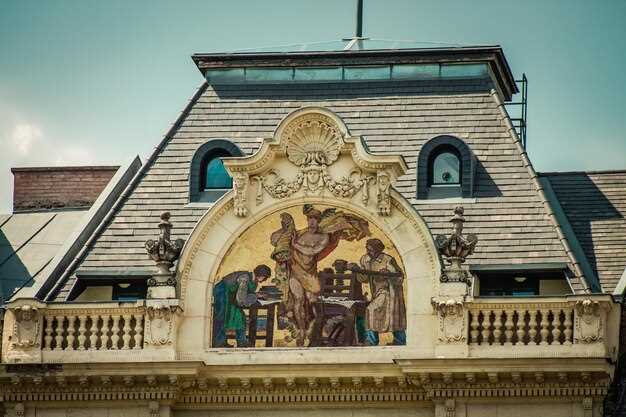
The Iglesia de San Nicolás, a stunning example of medieval architecture, is located in the heart of Valencia. This exquisite church, often overshadowed by its more famous neighbors, is a hidden gem known for its breathtaking san'at asari and intricate ceilings. As you stroll through the nearby streets, the beauty of the building becomes immediately apparent, drawing tourists and locals alike to explore its rich history and captivating stories.
This site has served as a place of worship for centuries and is dedicated to the Saint Nicholas, the patron saint of children and sailors. Its stunning paintings and ornate qurbongoh are just a glimpse into the craftsmanship that defines this historical building. The architecture faces the challenges of time with grace, standing as a testament to the skill of its builders and the devotion of its parishioners.
Tours are available in multiple languages, including English va Valencian, allowing visitors from all walks of life to immerse themselves in the culture and history of this remarkable church. Groups can explore its fascinating features on various days of the week, although it’s important to note that the church is closed on Monday va Tuesday. For those planning to visit, it’s wise to check the timetables to ensure you won’t miss the opportunity to experience such a significant landmark. Whatever your interests, the Iglesia de San Nicolás is a must-see for anyone looking to connect with the vibrant past of Valencia.
Architectural Features of Iglesia de San Nicolás
The Iglesia de San Nicolás stands as a historic beacon of Valencia, reflecting many elements associated with 13th-century architecture. This church, originally built to serve multiple parishes, showcases a blend of Gothic and Baroque styles that will captivate any visitor. Its impressive façade features intricate carvings and hidden details that tell stories of the past, making it a must-see site for tourists exploring the area. The building is an architectural mosaic, standing tall among the houses of Colón and its surrounding neighborhoods.
Upon entering the church, visitors are immediately drawn to the vast, intricate walls adorned with stunning frescoes depicting various religious themes. Admiring the cherubs and saints painted overhead offers a glimpse into the worship practices of the time. The main altar, breathtaking in its design, serves as the focal point of devotion. For those looking to explore further, guided tours are available on Mondays, allowing groups to dive deeper into the historical significance of the church.
- This iconic structure features:
- Multiple chapels dedicated to different saints.
- Stations of the Cross that line the inner walls.
- A museum showcasing artifacts from the civil history of the site.
For those who enjoy geology or are just interested in the unique architecture, the church offers a fascinating blend of styles built over centuries. During winter, the light filtering through the stained glass creates a magical atmosphere that enhances the overall beauty of the site. Before visiting, it’s advisable to check the timetables available online to ensure you don’t miss out on this historical gem.
What Makes the Facade Unique?
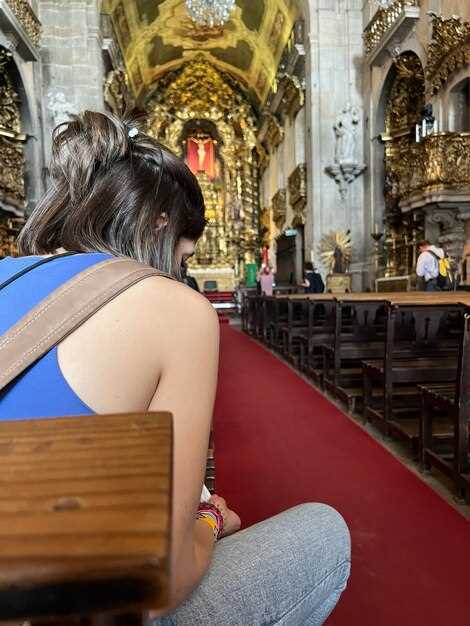
The facade of Iglesia de San Nicolás stands out as one of the most spectacular architectural features in Valencias. Its intricate design reflects the rich history of the church, which dates back to the 13th-century. One of the defining elements is its combination of Gothic and Baroque styles, showcasing how architectural trends evolved over the centuries. The careful renovation of the facade has preserved its original beauty while adding exquisite details that catch the eye of everyone who passes by. This makes the church a must-visit location for those eager to explore Valencian culture.
Visitors will find that the facade includes multiple artwork features, including stunning sculptures and paintings. Notably, the faces of saints are intricately carved into stone, making it a remarkable visual experience. These artistic choices not only serve aesthetic purposes but also hold deep cultural and spiritual significance. Every detail tells a story, especially of those who worshipped within and the events that transpired over the years. Each Friday, groups gather to immerse themselves in the history surrounding this magnificent structure, making it a lively hub of cultural exchange.
While exploring the area, don’t miss the opportunity to access the interior of the church. The altar houses inspiring artwork created by artists such as Vicente and Pedro, which further enhances the unique character of Iglesia de San Nicolás. As you look around, you’ll appreciate how the design and decoration have succeeded in drawing visitors in for centuries. With such value placed on the artistic elements, you may find yourself captivated long after your visit. Whether you’re interested in history, religion, or art, this location promises an unforgettable experience that shouldn’t be missed.
Key Elements of the Interior Design
The interior of Iglesia de San Nicolás is a spectacular showcase of artistic craftsmanship that reflects centuries of history and cultural significance. Visitors are immediately drawn to the main altar, which is a true masterpiece. Adorned with breathtaking murals and intricate woodwork, it stands as the focal point of the church, embodying the grandeur typical of the best churches found in the region. The altar’s artful decoration directly connects visitors to the spiritual essence of the place, offering a tranquil atmosphere that encourages reflection and admiration.
Cherubs and saints, painted in vibrant colors, grace the ceilings and walls, adding to the stunning beauty of the building. These exquisite details include multiple depictions of Sant Nicholas, underlining the church’s dedication to the patron saint. The artworks, executed in various styles, illustrate not only the religious themes but also the rich artistic heritage that Iglesia de San Nicolás represents. Events and celebrations typically hosted here enrich the experience, allowing visitors to appreciate the church as a living part of the community.
| Ichki jihatlar | Tavsif |
|---|---|
| Main Altar | A centerpiece decorated with murals and intricate designs. |
| Cherubs | Vibrant paintings that enhance the church’s celestial atmosphere. |
| Historical Murals | Artistic representations depicting the life of Sant Nicholas. |
| Architectural Styles | A blend of various styles that showcase historical influences. |
Those visiting must not miss seeing the stunning interior that offers a glimpse into the past while enjoying its architectural beauty. Access to the church can typically be arranged through ticket purchases at the site, which also include details on guided tours. For anyone interested in history and art, the Iglesia de San Nicolás is a must-see destination that holds exceptional value among local cultural landmarks.
Symbolism in Architectural Details
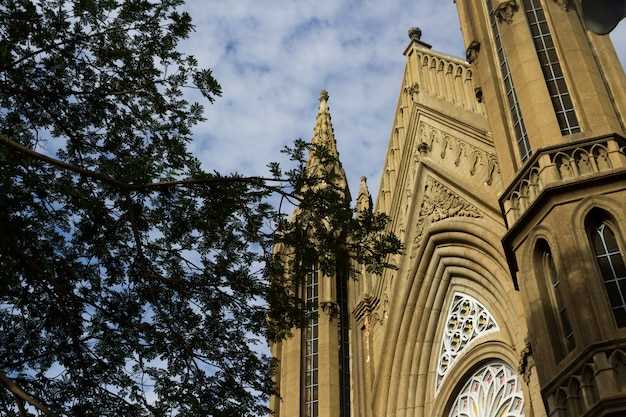
The Iglesia de San Nicolás, a must-see landmark, showcases stunning architectural details that reflect its rich history. Built in the 13th century, the church has evolved, but the symbolism embedded within its structure remains intact. Each element tells a story, inviting tourists to immerse themselves in the cultural essence of its design.
As you step inside, you will encounter magnificent murals depicting the life of Saint Nicolás. These paintings not only serve as artwork but also embody the spiritual journey of the church’s worshippers. The vibrant colors and intricate lines draw attention to the religious narratives, making it a centerpiece for those interested in art and history.
- The church’s walls include multiple sections showing different stations of faith.
- Visitors can admire carvings and sculptures that reflect the virtues of humility and compassion.
- Vicente, the master architect, intended these details to inspire reverence among worshippers.
Located on Carrer Sant and facing west, the Iglesia de San Nicolás is not just a religious house but also a cultural museum. Events are frequently held to celebrate its legacy, and groups can gather here to reflect on its significance. Before acquiring your ticket, consider the value of the experiences waiting for you inside.
For those who speak multiple languages, guided tours are available in English and Spanish. Each tour provides insights into the symbolism behind the architectural details, enhancing your appreciation of this masterpiece. The church invites you to explore, understand, and connect with its history through every facet, making your visit truly memorable.