


 O‘zbekcha
  English (UK)
  Русский
  বাংলা
বাংলা  العربية
  日本語
日本語  한국어
한국어  Magyar
  Norsk nynorsk
  Türkçe
  עִבְרִית
  Español
  Čeština
  Svenska
  Português
  Ελληνικά
  Suomi
Suomi  Nederlands
  Română
  Italiano
  Français
  Polski
  Українська
  Deutsch
  简体中文
简体中文  Slovenčina
  Српски језик
  اردو
اردو  Azərbaycan dili
  አማርኛ
አማርኛ 
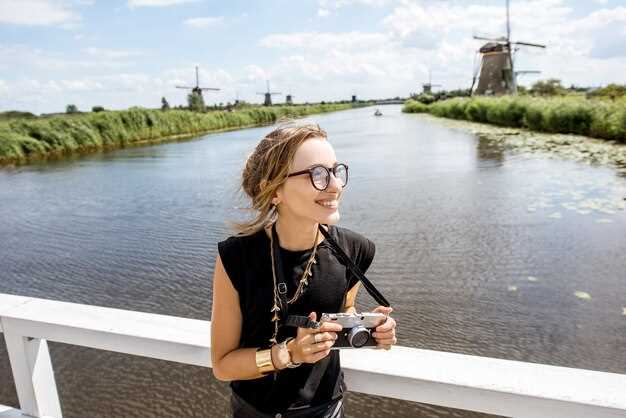
Holland is a nation that truly takes the breath away with its stunning landscapes, rich history, and vibrant culture. Visitors to this enchanting region can explore the picturesque polders and scenic dykes while enjoying the fresh air and magnificent views. From the famous cheese markets of Gouda to the serene shores of Zwanenwater, there is something for everyone. The latter destination, known for its diverse waterfowl, provides the perfect backdrop for relaxing walks or cycling adventures.
The countryside is dotted with charming farms, where local producers showcase their craftsmanship, including pottery and the renowned Texels cheese. Each holiday season brings a unique experience, with festive markets taking over the streets of towns like Zaandam and architectural wonders that frame the skyline. For those who love sailing, exploring the western ports offers an enormous array of experiences–whether it’s a leisurely cruise or a scenic adventure along the ever-changing waterways.
As you venture beyond the vibrant cities, don’t miss out on the hidden gems that Holland has to offer. Many visitors stay for the fantastic light displays that illuminate the landscapes during the summer months, as well as the iconic windmills that have become synonymous with the region. Artists like Van Gogh have found inspiration in these scenes, capturing the essence of a nation that effortlessly balances the beauty of nature with the elegance of human design. Whether you’re a history buff or someone with a passion for the outdoors, Holland provides ample opportunities to explore, discover, and create unforgettable memories.
Navigate the Iconic Windmills of Kinderdijk
Kinderdijk, a UNESCO World Heritage site, is famous for its eight iconic windmills that have stood since the 18th century. This historical complex showcases the innovative water management system of the Netherlands, allowing visitors to observe how these structures have contributed to the fertile landscapes throughout the country. These windmills are not only a symbol of Dutch innovation but also a beautiful composition of gables set against a placid backdrop of tulip fields and lakes.
During a morning visit, you can easily navigate the area with the help of detailed maps, which will guide you to each windmill. A couple of them are equipped with workshops that delve into the history of wind power. As you stroll along the paths, keep an eye out for sports enthusiasts enjoying the nearby Waddenzee and the dunes that line the coast. At Kinderdijk, the vibrant scenery and the sound of the wind create an immersive experience, offering a lovely balance to the historical significance of the windmills.
- Accessibility: The windmills are relatively close, making it easy to explore on foot or by bike.
- Photography: The picturesque views of the windmills against the backdrop of the north’s rolling landscapes are perfect for capturing moments.
- Culinary Experience: Don’t miss the opportunity to indulge in local cheeses and assorted Dutch snacks available at nearby accommodations.
Visiting Kinderdijk is more than just witnessing the engineering marvels; it’s about experiencing a piece of Dutch history that has been besieged by time yet remains vibrantly functional. Each of the windmills has its unique charm, reflecting the diverse landscape of Holland. Whether you’re in Zaandam, Callantsoog, or even Amsterdam, a trip to see these magnificent windmills will enhance your appreciation of the country’s maritime heritage.
Understanding the History of Kinderdijk Windmills
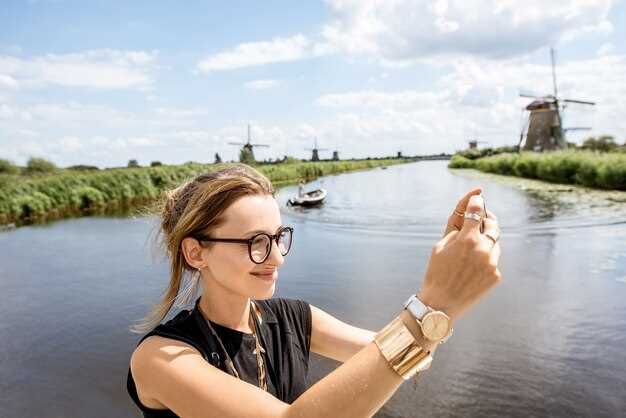
Kinderdijk is a UNESCO World Heritage site located in the Netherlands, famous for its series of 19 windmills, which were built in the 18th century. These striking structures represent an important part of the country’s history in water management, designed to drain excess water from the low-lying polders through a network of canals. Many visitors consider this site a perfect getaway to understand the history and technological advancements of the Netherlands.
The windmills at Kinderdijk were constructed between 1720 and 1760, during a critical period when the need for effective water management became paramount. The Dutch had long battled against flooding, particularly in the provinces of North Holland and South Holland. These historical towers were not just ordinary windmills; they played a vital role in protecting farmlands and towns from the Wadden Sea’s tide and the river’s flow.
As you walk through the Kinderdijk site, you’ll notice the gorgeous landscape and the picturesque settings that inspired many artists, including the renowned painter Vermeer. On sunny days in July, tourists often find themselves weighing their options between enjoying traditional Dutch treats like poffertjes or taking a closer look at the operational mechanics of the windmills. Each windmill has its unique history and purpose, contributing to the whole narrative of Dutch ingenuity.
Visitors can easily access Kinderdijk by train or via various boat companies operating on the river. The site is not only a popular destination for history enthusiasts but also for families looking to spend a day out in nature. An hour’s visit allows you to see how the windmills function, with some even being open to the public, offering a glimpse into the historical management practices of water levels.
Each of the windmills has a unique name, reflecting their specific functions and the families who operated them. For instance, the “Hals” windmill is one of the oldest and showcases the historical architecture typical of the 18th century. You’ll find a perfect mix of culture and history here, where you can gain insights about the challenges faced by the Amsterdammers who lived nearby.
Although the windmills have become commercial symbols, they remain revered as national treasures. The management of them over centuries reflects the resilience and adaptability of Dutch society in the face of geographical challenges. They stand as a testament to engineering prowess aimed at controlling water levels, demonstrating an outstanding achievement that resonates through the ages.
Today, Kinderdijk serves as a significant educational site, reminding visitors of the enduring commitment of the Dutch people to coexist with their environment. The historical legacy of these windmills continues to inspire new generations. Whether you come for the history or simply to enjoy the breathtaking views, Kinderdijk is a striking example of both natural beauty and cultural heritage.
Best Time to Visit Kinderdijk
The main attraction of Kinderdijk, famous for its iconic windmills, welcomes visitors year-round. However, the perfect time to explore this UNESCO World Heritage site is from late spring to early autumn, specifically between May and September. During these months, the weather is wonderfully mild, making it ideal for walking the picturesque footpaths that meander through the area. The blooming tulips and vibrant greenery add a beautiful backdrop to your visit, ensuring that you’ll be captivated by the rich landscapes of the polders.
In addition to the favorable weather, this period is also when most cultural activities and events take place. You’ll find that local tourism centers host various experiences such as guided tours and sailing opportunities on the nearby river, allowing visitors to learn about the history of the windmills and their importance in Dutch water management. Moreover, many hotels and restaurants offer special breakfast menus that highlight regional produce, making your stay even more delightful as you sample local cuisine in the city’s charming cafes.
While the busier summer months provide a vibrant atmosphere, consider visiting during the shoulder seasons of spring and early autumn for a more peaceful experience. Fewer crowds mean you can leisurely explore the hidden gems of Kinderdijk, like the Zwanenwater nature reserve or small dyke towns that have been less besieged by tourism. This unique combination of beauty and tranquility provides a round experience to any traveler interested in Dutch culture, history, and the stunning landscapes that reflect the heritage of both India and the coastal cities of Rotterdam and Delft.
Ekskursiyalar VS Mustaqil O'rganish
Exploring Holland can be approached in two distinct ways: guided tours or self-exploration. Guided tours often provide structured itineraries that take in major landmarks such as the iconic windmills or the beautiful tulip fields of Keukenhof. These tours usually come with knowledgeable guides who share stories about the histories of places like Enkhuizen, famous for its maritime heritage and the Zuiderzeemuseum. They can greatly enhance your understanding of the region’s culture and history, ensuring you don’t miss noteworthy sights that are easily overlooked when wandering alone.
On the other hand, self-exploration offers a delightful freedom to discover Holland at your own pace. You may find hidden gems beyond popular tourist spots: small lakes where you can observe waterfowl, quaint street markets crisscrossed with good-looking cafes, or artisanal workshops working with traditional crafts. This style of exploration allows visitors to sample the local life, interact with Amsterdammers, and perhaps enjoy a picturesque cycling route through the silted landscapes of the Waddenzee area. For many, this kind of intimate experience with the environment–or even a one-hour drive to the Texels islands–can be incredibly rewarding.
However, self-exploration isn’t without its challenges. Planning routes can take time and may leave tourists feeling unsure about where to go next. In contrast, guided tours manage demand and logistics for you, providing a seamless experience that maximizes sightseeing potential in a shorter timeframe. For those unfamiliar with the area, or looking for a well-rounded, enriching experience, a tour may be the most practical way to see everything from Vermeer’s paintings to the overall majestic landscapes of the Dutch countryside.
| Aspekt | Ekskursiyalar | Self-Exploration |
|---|---|---|
| Itinerary | Structured and planned | Flexible and spontaneous |
| Expertise | Knowledgeable guides | Self-discovery |
| Madaniy tushunchalar | In-depth storytelling | Personal interaction with locals |
| Logistika | Managed by the tour | Independent planning required |
Photographic Opportunities Around the Windmills
The iconic windmills of Holland are not just symbols of the country’s heritage but also some of the most photographed attractions across its provinces. Locations like Kinderdijk and Zaanse Schans continually draw visitors eager to capture the essence of this historic landscape. These spots provide a perfect introduction to traditional Dutch life, with rows of windmills framed against a backdrop of vibrant fields and serene waters, creating wonderfully picturesque settings at every turn.
Beyond windmills, the charm of the surrounding villages adds depth to any photographic journey. In Zaandam, for instance, you can explore narrow streets and traditional architecture that provide an assortment of backdrops for striking images. Many photographers appreciate the way the rustic cobbled paths lead you toward the picturesque molens, allowing for a seamless blend of rural beauty and historical context.
Inland, the nature reserves, such as Zuid-Kennemerland, offer an array of landscapes ripe for exploration. While capturing images of wildlife, you may also encounter the vast skies of the Dutch countryside, which enhance the artistic quality of photos featuring windmills. The stunning contrast between the blue skies and the vibrant greens of the fields makes for perfect canvas, especially during golden hours at dawn or dusk.
Sports and outdoor activities around these areas provide another angle of opportunity for photography. Families enjoying their holidays often patronize local seafood markets and sample culinary delights, all while soaking in the views of windmills overseeing their festive gatherings. This lively atmosphere can create compelling candid images that showcase both the landscapes and local life.
Although exploring the coastal beaches is essential, taking a tram to the designated windmill sites ensures accessibility to these flagship attractions. Each windmill features its historical significance, often telling stories of the Dutch struggle with water drainage and land reclamation. Capturing these elements brings additional layers of meaning and context to your photographs, making them more than just scenic views.
Finally, the artworks of Rembrandt and Vermeer that inspired so many artists reflect a deeper connection to the cultural highlights of Holland. By finding the right angles and perspectives in your shots, you can channel the spirit of these masters, creating images filled with emotion and depth. Whether you’re an amateur or a seasoned photographer, the photographic opportunities around the windmills will undoubtedly enrich your experience and content.