


 O‘zbekcha
  English (UK)
  Русский
  বাংলা
বাংলা  العربية
  日本語
日本語  한국어
한국어  Magyar
  Norsk nynorsk
  Türkçe
  עִבְרִית
  Español
  Čeština
  Svenska
  Português
  Ελληνικά
  Suomi
Suomi  Nederlands
  Română
  Italiano
  Français
  Polski
  Українська
  Deutsch
  简体中文
简体中文  Slovenčina
  Српски језик
  اردو
اردو  Azərbaycan dili
  አማርኛ
አማርኛ 
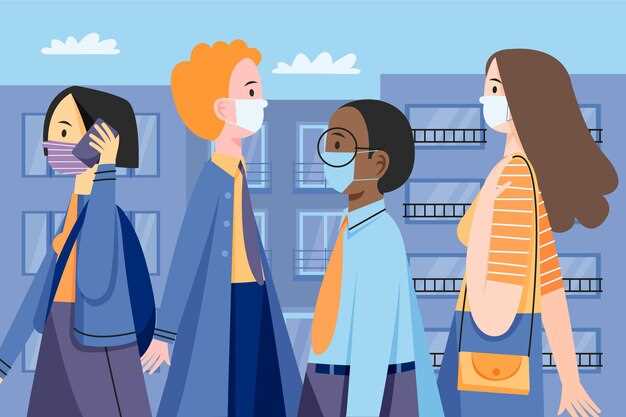
The recent pandemic has brought about profound changes to our world, particularly in the way public spaces are utilized. Iconic locations, which once thrummed with life and activity, now sit eerily quiet, serving as a stark reminder of the global crisis we have faced. Photos from places like the Trevi Fountain in Rome, the Champ de Mars in Paris, and the Brooklyn Bridge showcase a different reality, where families once gathered and tourists flocked. Reportedly, from New York to Rio de Janeiro, the echo of laughter and excitement has been replaced by the silence of distancing measures and restrictions.
As medical experts warn of the potential for future outbreaks, scholars have turned their gaze to the past, reflecting on how pandemics like the influenza of 1918 changed society. Both in history and today, the lessons are clear: the spaces we built for connection–churches, museums, and parks–now stand as a testament to a loss that is still felt deeply by the population. The vibrant squares of cities have transformed into ghost towns, where the stress of a deadly virus looms overhead and residents navigate life with caution.
In this article, we will explore the impact of the pandemic on global public spaces, emphasizing the visible alterations in both usage and purpose. We will discuss how cities like Berlin and Paris are adapting their greenspaces and policy measures in response, and what this means for the future of shared environments. As we venture further into this new reality, we must ask ourselves: what will happen when the virus is no longer a threat? Will we return to what was, or will these empty spaces fuel a desire for change, forever altering the way we perceive and engage with the world around us?
Impact on Iconic Locations
The pandemic has drastically affected iconic locations across the globe, leaving monuments standing in silence where once there were crowds. From the Eiffel Tower in Paris to the Great Pyramids of Giza, these landmarks that symbolize country pride and cultural heritage are now under a shadow of loss. They reportedly sit empty, with only a handful of locals, such as Parisians, strolling through the now-quiet streets.
As lockdowns took effect in March and April, tourists were unable to visit these beloved sites. This led to significant drops in revenue for cities that heavily rely on tourism. For instance, places like Manhattan, Brooklyn, and Rio de Janeiro, which are usually bustling with visitors, found themselves dramatically altered in just a year. Local businesses that catered to tourists faced economic hardships, highlighting the precarious balance between health measures and economic stability.
Medical professionals emphasized the need for distancing, even as some cities began to explore the consequences of prolonged closures. Reported cases of influenza-like illnesses decreased, yet other health challenges arose for those who thrive on community interactions. As friends and families remained apart, this pandemic reshaped not only how people view these spaces but also how they connect with one another.
- In Paris, the Champs-Élysées grew quiet, transforming the experience of viewing the Arc de Triomphe.
- In Cairo, the streets surrounding the Sphinx felt eerily empty as the population adapted to new realities.
- Moscow’s Red Square, usually alive with chatter, became a stark reminder of the pandemic’s impact.
In the absence of crowds, unique opportunities emerged. Greenspace in urban areas allowed locals to reconnect with nature, as people took to parks and open settings that they may have overlooked in the past. This surge in outdoor activity, although borne from necessity, reignited a passion for the environment and highlighted the importance of accessible spaces.
However, as countries begin to navigate recovery, the long-term impact on these majestic locations remains uncertain. Will the future of tourism look different, adapting to health needs while also resuming the joy of exploration? The memories associated with places like the Brooklyn Bridge or Poussin’s works in the Getty will last, but the vitality of such iconic locations depends on the resilience of their communities to rebuild, together, and heal from this deadly year.
How Did Major Cities Respond to Restrictions?
As the pandemic swept across the globe, major cities like Berlin va Bruklin faced unprecedented restrictions. Governments implemented strict measures to curb the spread of the virus, leading to massive changes in daily life. In these urban centers, public spaces typically filled with life and energy became eerily quiet, prompting scholars to reflect on how much the world has shifted in just a few months. Those who walked through memorials and visited museums witnessed a dramatic transformation, as the usual hustle and bustle was replaced by a haunting stillness.
Ichida France, restrictions were particularly stringent. Citizens were required to stay at home, and public gatherings were limited, forcing the state to adapt. The Eiffel Tower and other iconic monuments, once crowded with tourists, became visible points of solitude rather than celebration. In April, reports indicated that even essential services faced significant disruption, illustrating the toll the virus took on daily routines.
Meanwhile, in Rossiya, authorities worked to drive down infection rates by closing parks and public squares. Local news outlets reported that the usual gatherings for celebrations were replaced with virtual get-togethers. Unlike previous years, Christ the Saviour Cathedral, which often hosted mass events, stood silent, with only a handful of individuals seen near its statue.
Public sentiment during this time varied greatly. Some individuals expressed frustration while waiting for a return to normalcy, while others embraced the opportunity to explore the city’s quieter side. For many, parks and open spaces offered a brief escape, despite the healthcare crisis looming over them. In this context, public health initiatives took on new importance, pushing city dwellers to reconsider their routines.
Despite the challenges, the response of global cities has also highlighted resilience. As each country begins to emerge from the pandemic, cities like Berlin and those in France are reassessing their public spaces. With the goal of fostering community and safety, planners are likely to integrate new ideas that account for both health and social interaction. The coming years will bear witness to a transformation of the grandest public spaces, reflecting lessons learned from this unparalleled period in history.
What Changes Occurred in Visitor Traffic Patterns?
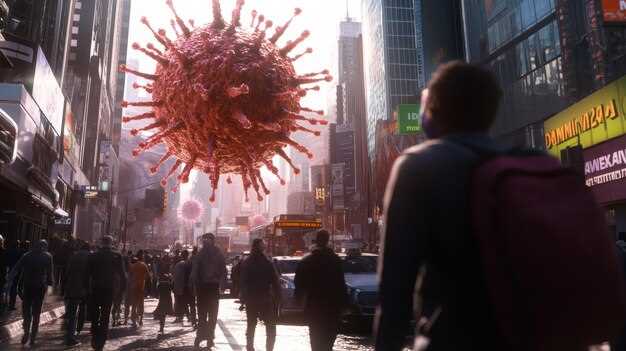
In the wake of the pandemic, public spaces around the world saw a dramatic shift in visitor traffic patterns. Major destinations like the Louvre in France, the Egyptian Museum in Cairo, and Giza’s iconic monuments, which once welcomed crowds of millions each year, became hauntingly quiet. Reports showed that these grand institutions–dedicated to culture and history–witnessed unprecedented declines in attendance during lockdowns. When restrictions were in place, tourists ceased to visit, and the usually bustling spaces sat in eerie silence, turning into temporary ghost towns.
For example, in March 2020, the Central Park area of New York, known for its massive crowds, was almost deserted. Friends and families, who usually flocked there to enjoy picnics and outdoor activities, were instead confined to their homes. In Italy, tourist hotspots, such as the Colosseum and the Vatican, similarly experienced a drop in numbers, prompting news headlines about the fate of the tourism industry. Before the outbreak, millions walked through these visual wonders; now, much has changed, shifting the dynamics of how people engage with their surroundings.
Scholars studying these phenomena observed that specific patterns emerged. In September 2020, even after restrictions eased, visitors were cautious, leading to lower foot traffic levels than usual. Many still opted for outdoor spaces where safety felt more manageable. This shift resulted in a noticeable decline in weekday visitors, as individuals began to seek out open air instead of being confined within urban confines. Destinations adjusted their promotional strategies, emphasizing outdoor experiences to attract those hesitant about crowded indoor venues.
As the world slowly begins to reopen, the impact of this deadly outbreak on visitor traffic patterns will warrant ongoing analysis. Those previously common scenes, such as the crowds surrounding the Christ the Redeemer statue in Brazil or public parks in Berlin, may be redefined forever. The modern traveler now craves different experiences, prioritizing safety over sheer volume, and prompting countries to rethink how they manage these iconic spaces. Photos from this period serve as stark reminders of both a struggle and a shift towards a new era in tourism.
How Are Local Economies Affected by Empty Public Spaces?
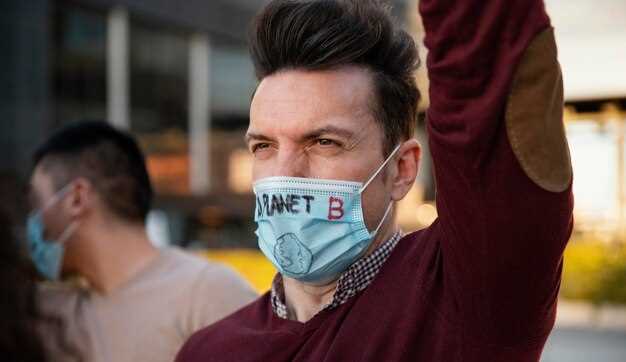
The empty public spaces that once brimmed with crowds have left local economies in a precarious state. In cities like Berlin, where vibrant squares and grand monuments typically draw visitors, the impact of the pandemic has been massive. The absence of tourists and local patrons translates into a significant loss of revenue for businesses that rely on foot traffic. Cafes, shops, and entertainment venues sit idle, suffering from the implications of social distancing, which remains a critical measure in combating the deadly virus.
As the lockdown extends, the consequences are becoming increasingly visible. News articles highlight the plight of families and small business owners who have seen their livelihoods crumble since March. Arts and culture, which once brought life to iconic locations like the Poussin Museum in Paris or the Cairo Giza region, now face an existential threat. Attendance has dropped to zero as museums and theatres closed their doors, leaving artists and performers, including local talents and even tribute acts for legends like Elvis, seeking alternate means of survival.
Although some areas are beginning to reopen, the toll of the pandemic continues to weigh heavily on local economies. In France, businesses are adapting to a new normal, but many are not built to withstand prolonged downtime. Revenue streams have dried up, and government aid, while helpful, often does not cover the full extent of losses incurred over these tough months. As local events and gatherings remain restricted, a once-thriving economy finds itself struggling against a tide of uncertainty.
Visual evidence of this struggle is evident in cities like Moscow and those across the Pacific. Empty streets and closed storefronts tell a story of loss reminiscent of the Spanish Flu of years past, where events were canceled and public gatherings were shunned. The rhythm of daily life has been disrupted, as people adapt to routines that do not include visiting their favorite hangouts or enjoying community events. This sense of isolation affects not just economies, but also the social fabric that binds communities together.
In conclusion, the effects of empty public spaces stretch far beyond local businesses alone. Communities, once vibrant and interconnected, find themselves grappling with the repercussions. The losses extend into the cultural realm, where shared experiences – from musical performances to bustling markets – are now but a memory. The future remains uncertain, as local economies attempt to navigate a landscape forever changed by the pandemic, reflecting a profound shift in both commerce and community engagement.
Alterations in Public Perception
The pandemic has visibly transformed public perception of spaces that once thrived with activity. Iconic locations like the Brandenburg Gate and Times Square, teeming with life, now sit empty, serving as solemn reminders of the toll the virus has taken on our collective existence. Families once gathered for leisure in greenspaces or visited revered monuments such as the statue of Poussin in Giza are now hesitant, sometimes fearful of stepping outside their homes. This shift is particularly evident in urban environments like Manhattan and Brooklyn, where the vibrancy that characterized the front lines of social culture has become subdued.
Scholars are beginning to analyze how this crisis has altered our relationship with public spaces. Many have noted that memorials and parks, once lively meeting points, have transformed into areas of solitude, reflecting a broader social change. The pandemic has forced individuals to reconsider what these spaces represent in the 21st century, weighing the importance of community against the need for safety. This introspection has also been captured in various articles and visual documentation, offering glimpses into a world where normality has been overhauled.
With the onset of restrictions, the vibrant drive of life that filled these spaces has stalled. The once bustling scenes of laughter and camaraderie have given way to contemplative moments spent waiting for a return to normalcy. Public health measures closed gathering spots, enforcing a separation that, ironically, has highlighted the significance of shared experiences. As people yearn to reconnect with friends and family, the longing for a return to dynamic social interaction has emerged as a central theme in discussions about life after the pandemic.
| Shahar | Pre-Pandemic Activity | Hozirgi holat |
|---|---|---|
| Paris | Vibrant cafés and squares | Closed establishments |
| New York | Busy streets and public gatherings | Empty parks and memorials |
| Rim | Tourism and social events | Limited access and cautious visits |