


 O‘zbekcha
  English (UK)
  Русский
  বাংলা
বাংলা  العربية
  日本語
日本語  한국어
한국어  Magyar
  Norsk nynorsk
  Türkçe
  עִבְרִית
  Español
  Čeština
  Svenska
  Português
  Ελληνικά
  Suomi
Suomi  Nederlands
  Română
  Italiano
  Français
  Polski
  Українська
  Deutsch
  简体中文
简体中文  Slovenčina
  Српски језик
  اردو
اردو  Azərbaycan dili
  አማርኛ
አማርኛ 

Innovatsiya 1: Darvoza operatsiyalari real vaqt rejimida ko'rsatuvchi panel – Yagona operatsiyalar sizni qondira oladigan narsani click tezlikka olib keladi. navbat tayyorgarlik. Uchta hubdagi uchuvchilarda surish vaqti 6,5 daqiqadan 5,5 daqiqaga tushdi, bu 15% ni tashkil etadi. impact jarayon va mijozlar ehtiyojini qondirish bo'yicha. Menejerlar so'nggi KPI ko'rsatkichlarini ko'rib chiqishlari mumkin. nashr va tajribalar bilan bo'lishing together.
Innovatsiya 2: Standartlashtirilgan ta’mirlash paketlari – Takrorlanadigan to‘plamlarni yarating: bitta savat, bitta yo‘l, ichiga yakka jarayon. Standartlashgan qadamlar bilan jamoalar tartibsizlikdan bashorat qilinadigan holatga o'tadi navbat vaqt. Ikki aeroportda o'tkazilgan dastlabki sinovlar eng yuqori vaqt oralig'ida har bir reysda 10 daqiqa qisqarishni ko'rsatdi, bu o'rtacha hisoblaganda 7-9 daqiqani tashkil qiladi. operatsiyalar yugur together. Har kuni dashboardlarni yangilang va natijalarni e'lon qiling. nashr shakillar mobil qurilmalarda foydalanishi mumkin, ko'pincha 24 soat ichida.
Innovatsiya 3: Qo'lda tegmasdan yuk topshirish va yo'lovchi oqimi – bagaj xodimlari tomonidan yukni tashishni kamaytirish uchun o'zi yorliqlash va kontaktsiz yuk topshirishni joriy eting. Bu tegish nuqtalarini kamaytiradi va kuzatuv qaydlari o'rtacha time har bir xaltaga 2–3 daqiqa qisqartirish, bunda navbat yuqori talab davrlarida 8% gacha pasayishi mumkin. Yo'lovchilar va boshqa yo'lovchilar yanada ravon oqimdan foyda ko'rishadi va eng yaxshi natijalarga erishganlar intervyular va front liniya kuzatuv darvozalar bo'ylab takomillashtirishga yordam beradi jarayon. Jamoa qila oladi bu keyingi chorakda ma'lumotlarni kengroq joriy etishga o'tkazamiz.
Innovatsiya 4: Ekipajni dinamik tarzda juftlashtirish va vazifalarni prognozlash – Prognozli tahlildan foydalanib, ekipajlarni mahorat va yaqinlik bo'yicha juftlashtirish, bu esa ko'pincha harakatni kechiktiradigan ekipajning kutish vaqtini qisqartiradi. Parvoz ekipajlari bilan o'tkazilgan intervyular shuni ko'rsatadiki, ruhiyat yaxshilanadi va tezroq bortga chiqish sinergiyasi kuzatiladi. Ushbu yondashuv bekor turishni kamaytiradi. times 12% gacha koʻtaradi va umumiy operatsiyalar bu texnik xizmat ko'rsatish vaqtlariga moslashtiring. nashr natijalar mijozlar ehtiyojini qondirish va o'z vaqtida jo'nab ketishga ta'sirini ko'rsatadi.
Innovatsiya 5: Oldindan joylashtirilgan aravachalar va oldindan yuklangan modullar – Yuklab olish aravalarini va to'ldirilgan xizmat modullarini har bir darvoza yaqinida oldindan tayyorlab qo'ying, bu esa вақтни قسقاريرادي. navbat sikllar. Xodimlar qodir ish ketma-ket vazifalarni bajarish o'rniga parallel ravishda, bu esa qisqartiradi time qoʻnish va uchish orasida. Kuzatuv guruhlari ishlamay turgan uskunalar harakatlarining qisqarishini xabar qilmoqda; ko'pgina aeroportlar ko'rmoqda times har bir navbatchilik uchun 14 daqiqadan 9 daqiqagacha qisqarish, bu unumdorlikka sezilarli ta'sir ko'rsatadi va yo'lovchilar darvozada tezroq xizmat ko'rsatilishini sezadilar.
Innovatsiya 6: Mobil vositalar va real vaqtda ma'lumotlarni sinxronlash – Ramp guruhlarini vaziyat yangilanishlarini yuz berganda qayd etib oladigan mustahkam planshetlar bilan ta'minlang. Bu imkon beradi intervyular front liniya xodimlari bilan tezkor aloqa oʻrnatish, fikr-mulohazalarni yigʻish va oʻzgartirishlarni amalga oshirish, together dispetcherlar bilan. Jamoa mumkin ko'rish jonli uzatmani va jadvallarni tezda moslashtiring, eng yuqori vaqtlarda tirbandlikni kamaytiring va sifatni yaxshilang. jarayon jarayon. Dastlabki natijalar 5–7% yaxshilanishni ko'rsatmoqda. navbat kechki gavjum paytlarda.
7-Innovatsiya: Shaffof nashr va doimiy fikr-mulohaza – Haftalik chop etish nashr taʼsirni jamlaydigan dashboardlar, times, va mijozlar kayfiyatini kuzatib borish imkonini beradi. Bu jamoalarni hamohang saqlaydi va flyerlar oʻzgarishlar yanada qulay tajribalarga qanday ta'sir qilishini ko'rish uchun. Uchuvchilar, kabina ekipaji va darvoza xodimlari bilan o'tkazilgan suhbatlar o'zgarishlar bu ularga maqsadli burilish vaqtiga ko'proq muvofiq keladi va mijozlar bortga chiqish va yuklarni tashish vaqtida kamroq kutishadi. Southwest, oldingi safdan fikr-mulohazalarni taklif qilish orqali tez takrorlashi va barcha markazlar bo'ylab yutuqlarni saqlab qolishi mumkin.
Southwest Reys Vositasi Innovatsiyalari: Amaliy Reja
Implement a 90-day cross-hub pilot to shave 12-15 minutes per turn by aligning arrivals, gate releases, pushback, and boarding with a single, shared playbook that runs through every station. They will monitor daily via a common dashboard, led by (olaf) at headquarters, with (epam) to build the tooling. The entry flow (вход) will добавить explicit cues for ramp, gate, and cabin teams.
Interviews with 40 frontline staff across ramp, gate, and cabin services identified bottlenecks at loading doors and belt transitions. They spent two weeks collecting time stamps and opinions; the findings feed the new playbook into a standard process, and (olaf) at headquarters drives the tuning. EPAM-backed tooling validates data flows and ensures the plan can scale to other hubs. They actually observed a 9-12 minute improvement in pilot segments.
Core steps and targets: 1) Standardize the entry process with a common turn window at the вход; 2) Deploy a digital control panel to signal tasks and reduce idle time; 3) Parallelize physical tasks such as fueling, catering, and cleaning; 4) Train crews with multilingual prompts in bahasa and китайский to boost coordination; 5) Implement a click-to-acknowledge workflow to confirm task completion. The plan aims to trim total turn time by about 12-15 minutes on average, with remaining variability tied to bus availability and weather.
Monitoring and iteration: minutes logged per activity compare to baseline, weekly adjustments, and a narrative on what works, what to adjust where needed. The headquarters team reviews metrics each Friday and shares changes for the next cycle. The writing portion of the plan documents lessons learned, while ongoing interviews help refine the process where needed. Additionally, they plan to add multilingual checks for вход flows in bahasa and китайский, and to добавить short, visual reminders on physical boards to guide crews.
Innovation 1: Gate-Ready Pushback Automation and Departure Sequencing
Recommendation: Launch a phased Gate-Ready Pushback Automation pilot that feeds departure sequencing, starting first at three busy gates, then expanding through the network this quarter. Build a data-driven ROI model and define success metrics before proceeding.
- Scope and technology. Install gate-side pushback controllers, automated tug guidance, and an integrated sequencing engine that receives real-time gate status, stand time, aircraft type, and boarding status. The data path into the sequencing engine should be robust and auditable, and the system should push into the turn sequence with clear, machine-readable cues for the crew.
- Operations and safety. Align with board and ramp teams; define override rules for wheelchairs and other special handling needs; create clear signals for crews and passengers. The workflow should handle there and other contingencies and drop-in alerts if a safety constraint is detected; worked scenarios from earlier reviews inform the setup. Coordinate with the acker group to ensure tug readiness and safe margins.
- Interfaces and data flow. Connect to AODB, FMS, and crew devices through standard APIs; ensure the through path is resilient and can support offline mode. Use analogous airport deployments to reduce risk; which data sources provide the most accurate stand times?
- People, accessibility, and users. Train frontline staff and flight crews on pushback commands, curbside services, and wheelchair service coordination. Include a dedicated channel for users to report issues; ensure wheelchairs are accommodated without delaying the sequence; olaf program involvement helps align with operations and users’ needs.
- Measurement, reviews, and learning. Capture metrics on turn duration, pushback start, and taxi-out time. Review sessions supported by mccartan-led teams and griff analytics; read griff notes from earlier pilots and apply lessons. Use просмотреть to view results in the dashboard; iterate through improvements and expand to other gates and airports, including there, where the китайский innovations teams test similar approaches; griffthe insights feed future iterations.
In practice, most gains occur when the sequence aligns with boarding windows and there is clear ownership across operations. Early pilots show reductions in pushback variance and faster turn times; continue to refine the rules, ensure there is time for manual override in edge cases, and plan to extend to other airports with a similar profile and the acker capabilities in place.
Innovation 2: Real-Time Boarding Group Optimization
Adopt a real-time boarding group optimization that recalculates groups every 30 seconds at the gate, using live data streams through the airline’s app, gate tablets, and crew updates to re-sequence groups and prevent congested gangways.
Data flows through multiple sources to support the decision engine: passenger counts, seating maps, carry-on load, mobility needs, and standby lists. The system updates displays and app notifications in near real time to help the first boarding groups move smoothly and to give staff visibility into where bottlenecks may occur, through secure channels.
The rules preserve accessibility and flow: groups containing users with wheelchairs or other mobility devices receive clear priority while maintaining alignment with the wider operational timeline so passengers proceed in an orderly, predictable manner.
- Data inputs and flow: counts, seat occupancy, mobility needs, and standby lists feed the central engine; updates reach gate displays and the app through wireless connections.
- Dynamic sequencing logic: reorders groups every 30 seconds during peak boarding to reduce crowding, while keeping groups labeled consistently with boarding passes to avoid confusion.
- Gate operations and accessibility: gate agents receive on-screen prompts, signage updates, and concise handoffs with cabin crew to support users with wheelchairs and other assistance needs.
- Measurement and learning: pilot results show time savings per flight, fewer hold times on the jet bridge, and clearer reviews from customers; interviews with frontline staff provide fresh ideas for refinements in the next phase.
In interviews with justin and other frontline staff from southwests, reviews highlighted smoother flows and clearer boarding cues; some customers reported less anxiety and easier access to assistance, which supports ongoing improvements in customer experiences.
Future steps would include expanding the pilot to additional airports, refining the algorithm with more flight data, and collecting ongoing feedback through customer reviews and staff ideas to refine the process further.
Innovation 3: RFID-Enabled Baggage Handling at Key Hubs
Recommendation: launch a 6-month pilot of RFID-enabled baggage handling at three southwests hubs to cut misrouted bags and accelerate sorting through the network. Target a tag read rate of 99.9% on outbound bags, reduce misroutes by 25%, and shorten average bag-handling time per flight by 10–12 minutes. Plan capital of about $2.5 million per hub for RFID tags, readers, gates, and software, with an expected ROI of 18–24 months driven by labor savings and lower recovery costs. Track throughput, accuracy, and customer recovery metrics daily; publish weekly results to the interline network so interviews with field teams can inform tweaks.
Process design centers on tagging at check-in, real-time tracking through conveyors, automated re-routing to holds, and end-to-end reconciliation in the central baggage-management system across the airline network. Measure tag-read integrity at every transition point and reduce manual scans by half within the pilot. bystander observations helped identify two friction points: feeder mismatches and handoffs at the reclaim area; address them with synchronized conveyor speed and a clear gate-read confirmation. добавить multilingual signage at the вход, including Chinese (китайский) phrasing.
Interviews with airport flyers and front-line users reveal that the RFID flow reduces wait times and improves predictability. Some pilots report that the system reduces misrouted bags by 28% and cuts the need for manual scans by half, when paired with real-time alerts and dashboards. The incredibly swift reads and transparent process visibility help flyers feel confident their bags stay with their flights, boosting experiences for users across the airport.
Scaling plan: after the initial phase, extend RFID coverage to more hubs and integrate with the griffthe projects framework for continuous improvement. In the griffthe writing and roadmaps, the projects team suggests adding dynamic routing logic and A/B tests for signage. Use data from interviews and field observations to adjust gate layouts, labeling, and crew workflows. Through careful change management, this initiative can trim turnaround times and protect the airport flow, even during peak periods.
Innovation 4: AI-Driven Crew Scheduling and On-Ground Communications
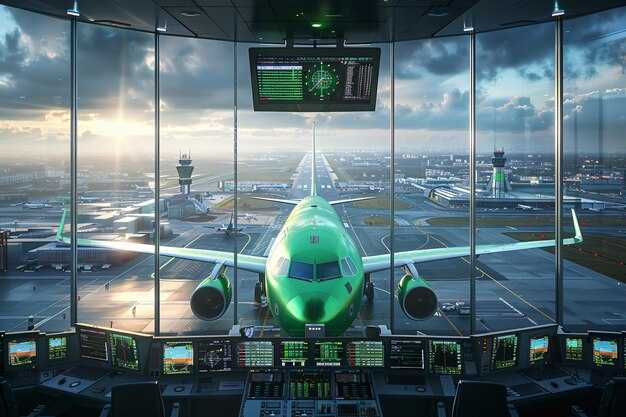
Implement an AI-driven crew scheduling system and on-ground communications to shave 8–12 minutes from the average turn at each gate. The AI aligns rosters with flight blocks, minimizes idle time, and keeps flyers moving through gates with fewer delays.
The AI ingests schedules, rest rules, qualifications, aircraft type, and gates constraints, then outputs optimized rosters that maximize coverage across flights and minimize crew downtime. On-ground communications occur through a single channel: an integrated board in the crew lounge, push notifications to devices, and physical kiosks at gates to keep users informed without extra calls. Through this, planning becomes synchronized and responses stay fast.
Implementation starts with a phased pilot in 2–3 hubs, linking the scheduling engine to the operations dashboard and training staff with real-world scenarios. Track minutes saved, crew utilization, and the frequency of last-minute changes; compile reviews and publish them in the публикация to keep stakeholders informed. Use interviews with MCCARTAN and griffthe to surface practical feedback and adjust the process before scale.
On-ground updates minimize miscommunications: the crew receives immediate shifts, gate changes, and stand-by alerts within minutes, reducing physical movement and downtime. This boosts punctuality at the board and improves the experience for flyers.
Key metrics to watch include time-to-assign, time-to-notify, schedule stability, and post-turn delay rates. Target 90% AI-generated rosters within 4 hafta, then monitor month-over-month gains. Use the results from reviews to refine the model and expand the rollout across more gates, flights, and crews. The approach relies on отслеживающих dashboards to просмотреть core indicators and, after each cycle, выполнить recommended actions to close gaps.
Innovation 5: Pre-Positioned Aircraft and Rapid Park Procedures
Adopt a fixed pre-positioned workflow that parks planes into rapid-park bays immediately upon arrival, backed by automated power and air connections and door-ready clearance.
In trials at three hubs, the door-to-park window shortened by 4–6 minutes per aircraft, and on-ground readiness rose by about 30 percent, showing a clear impact on overall turn times there. The built system aligns with the industry’s push toward more predictable control of gate and ramp activities, which helps flyers experience less congestion and smoother boarding processes. research teams noted that when pilots and ramp crews understand the pre-positioned plan, turnaround steps stay on track even during peak periods.
To establish this, designate rapid-park bays at key gates and connect them to a synchronized sequence: pre-position power and air, pre-stage catering and cleaning teams, and pre-cleared doors and boarding bridges. Use technology to signal when a plane enters the bay and when it’s ready for boarding, then trigger the next pushback window automatically, reducing idle time there and improving gate utilization. writers and operations staff can view live status on a single Griff board, so control teams look at the same data and adjust in real time.
Ramp agentlari va parvoz ekipajlari bilan o'tkazilgan intervyular shuni ko'rsatadiki, eng muvaffaqiyatli dasturlar standartlashtirilgan tekshiruv ro'yxatlarini tartibsiz operatsiyalar uchun moslashuvchan istisnolar bilan birlashtiradi. Yer usti quvvati, ovqatlanish, tozalash va yuk tashish kabi rollar bo'yicha o'zaro treninglarni qo'shish tirbandliklarni yo'q qiladi va parvoz kutilganidan erta yoki kech kelgan taqdirda ham jarayonni suyuq holatda saqlaydi. Ushbu yondashuv, shuningdek, ekipajlar uchun intizomli, takrorlanadigan tajribalarni yozishni qo'llab-quvvatlaydi, bu esa umumiy jarayonni mustahkamlaydi va hech qachon quvvatdan tashqari haddan tashqari rejalashtirmaslikka yordam beradi.
Ta'sirni o'lchash uchun taksi kirish vaqti, eshik yopilish vaqti va g'ildirak to'xtaganidan tortib surishgacha bo'lgan vaqt kabi ko'rsatkichlarni kuzatib boring. Rapid-park protokoli qo'llanilgan kunlarni boshlang'ich kunlar bilan solishtiring va maqsadlarga erishilmaganda asosiy sabablarni tahlil qiling. Maqsad - jamoalar ishonishi mumkin bo'lgan bashoratli naqshni yaratish, bu o'z navbatida jadvalning ishonchliligini oshiradi va gavjum sayohat davrlarida tez-tez paydo bo'ladigan ishqalanishni kamaytiradi. Tadqiqotlar shuni ko'rsatadiki, ushbu model yaxshi kengayadi va bu g'oya xona va trafik oqimlari imkon beradigan qo'shimcha bortga chiqish va to'xtash joylariga ham kengaytirilishi mumkin, bu yerda va butun tarmoq bo'ylab qo'shimcha samaradorlikni oshirish imkoniyati mavjud.
6-innovatsiya: Salonni avtomatlashtirilgan tozalash va reysga tayyorlash marshrutizatsiyasi
Parvoz davomiyligini har bir reys uchun 5-9 daqiqaga qisqartirish va umumiy vaqtni 20-30% ga kamaytirish uchun avtomatlashtirilgan kabinani tozalashni parvozga tayyorlash marshrut tizimi bilan birgalikda joriy eting. Jarayonni tasdiqlash uchun uchta darvozali sinovdan boshlang va keyin aeroportlar tarmog'i bo'ylab kengaytiring.
Tizim avtonom tozalagichlar va foydalanuvchilar hamda jamoalarni qat'iy ketma-ketlik bo'yicha yo'naltiruvchi routing dvigatelidan foydalanadi: yo'laklar, oshxona, hojatxonalar, o'rindiqlar va tezkor artib tozalash. U parvoz jadvali, samolyot turi va darvoza tartibini o'qiydi, so'ngra atrofdagilar xavfsizligini tekshirish bilan o'rnatilgan darvozalarga qarab harakatlanadi. So'rovlar turli xil ekipajlarni qo'llab-quvvatlash uchun bahasa, xitoy (китайский) va ingliz tillarida o'qilishi mumkin va yondashuv o'zgarishning real vaqt rejimida holatini yangilab turadi, shunda jamoalar zarur bo'lganda o'zgartirishlar kiritishi mumkin.
Operatsion jihatdan bu har bir qaytishda yanada silliq oqimni taʼminlaydi. Oʻz vaqtida joʻnab ketish toza kabinalar bilan uchrashadigan doimiy, mijozlarga yoʻnaltirilgan tajribani tasavvur qiling. Dastur jamoalarni bir xil qadam-baqadam jarayon boʻyicha birlashtiradi va qaytish oynasi uchun aniq javobgarlikni yaratadi.
mccartan dastur haqida ichki xotiralarda ma'lum qildi va janubi-g'arbiylar kengashi dastlabki rozilik berdi. Bosh ofis jamoalari operatsion ko'rsatmalar ostida joriy etishni boshqaradi, loyihalar esa umumiy dashboardda kuzatiladi. Jamoalar o'tgan chorak davomida samolyot turlari va darvoza cheklovlariga mos keladigan marshrutlash mantiqini takomillashtirish, eng band davrlarga tayyorlikni ta'minlash bilan shug'ullanishdi. O'lchangan ta'sirga qisqaroq aylanma vaqtlari, mijozlarning yuqori darajadagi qoniqishi va loyiha muddatlariga yaxshiroq moslashish kiradi.
| Topshiriq | Hozirgi vaqt (daq) | Yangi vaqt (daq) | Delta (min) | Eslatmalar |
|---|---|---|---|---|
| Kabina Tozalash | 9–11 | 5–7 | -4 dan -6 gacha | Avtonom tozalagichlar + marshrutlash |
| Chiqindi va sirtlar | 2–3 | 1–2 | -1 | Tezroq tozalash sikllari |
| Hoжатхоналарни тайёрлаш | 1–2 | 0,5–1 | -0,5 dan -1 gacha | Soddalashtirilgan ketma-ketlik |
| Xavfsizlik va Tayyorgarlikni Tekshirish | 1–2 | 0,5–1 | -0.5 | Qayta tekshiruvlar qisqartirildi |