


 O‘zbekcha
  English (UK)
  Русский
  বাংলা
বাংলা  العربية
  日本語
日本語  한국어
한국어  Magyar
  Norsk nynorsk
  Türkçe
  עִבְרִית
  Español
  Čeština
  Svenska
  Português
  Ελληνικά
  Suomi
Suomi  Nederlands
  Română
  Italiano
  Français
  Polski
  Українська
  Deutsch
  简体中文
简体中文  Slovenčina
  Српски језик
  اردو
اردو  Azərbaycan dili
  አማርኛ
አማርኛ 
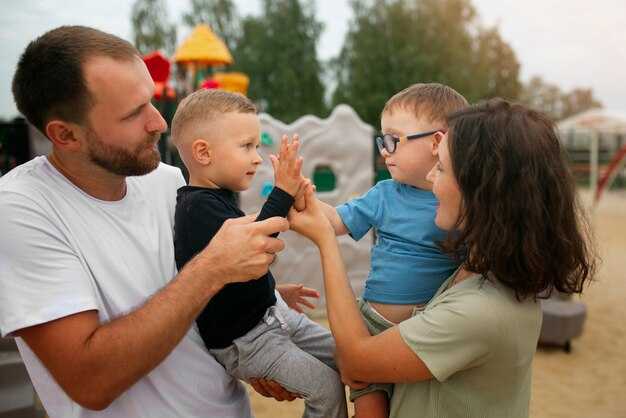
Start watching the Olympics with kids this weekend to spark curiosity, teamwork, and healthy habits. Whether you jump in for a full broadcast or a 20-minute recap, this activity fits busy family life. Above all, it offers a common ground to hear athletes describe how they push above their limits and how we ourselves can set small, achievable goals.
Reason 1: Shared moments create common ground for learning and dialogue. Watching together yields moments you can reference later, and you can discuss technique after a shot or analyze pacing during a relay. It helps children connect what they see to practice, and we ourselves can model steady expectations rather than instant results. That perspective sits above routine chatter and invites more meaningful questions from kids.
Reason 2: Real role models excite kids, from sprinters to a gymnast and beyond. When a gymnast nails a move or brushes off a misstep, you see discipline in action. These are the moments that show effort were built from patience, practice, and support from teammates and coaches. Watching their examples helps kids translate ambition into steady, repeatable steps.
Reason 3: The games illuminate cultures, history, and the economic context behind hosting big events. Commentators referenced how teams train within different systems, and you can discuss budgets, facilities, and community impact at a kid-friendly level. Paris 2024 featured roughly 11,000 athletes from more than 200 nations and offered more than 300 medal events, giving families concrete data to debate fairness, access, and opportunity.
Reason 4: Practical tips turn viewing into a family routine rather than a chase for highlights. Establish a simple plan: 20-minute blocks or one long weekend session, with watch-alongs where kids predict outcomes and we discuss why. This approach welcomes families balancing chores and homework, and it helps kids practice listening, note-taking, and respectful cheering, whether you stream live or watch curated clips. If a moment goes long, use a quick shot-by-shot recap to keep focus.
Reason 5: The Olympics nurture a healthy medal mindset while valuing effort. Pick a sport, set a small, concrete goal, and track progress over three weeks. Parents can hear kids describe what changed, and celebrate improvements with a family gesture rather than only scoreboard wins. This steady approach keeps motivation high for the whole family and builds lasting habits.
Reason 6: A smart viewing plan strengthens family routines and curiosity about the world. Create a simple calendar with key events, assign roles (quizmaster, note-taker, cheerleader), and invite everyone to share what they learned after each session. By keeping sessions concise and pausing for questions, you welcome reflections from the whole family and show how teamwork, practice, and patience translate into daily life.
Spot Cultural Threads: How Nations Are Represented in the Games
Before viewing, agree on three cues to notice: anthem, uniforms, and the stories shared by athletes. The moment a nation enters, stands with its flag held high, and the anthem fills the arena, families feel a shared connection that goes beyond wins.
Nations are represented through a layered mix of visuals and sounds: colors chosen for the uniforms, crest motifs, the choreography of the parade, and the way those elements tell a country’s history. These are the common threads that help viewers know their neighbors without words. The goal is not only to celebrate gold but to respect the deep bonds that come with diverse traditions.
For families, those moments offer a chance to discuss how identity is presented on a global stage. The flag, the star athletes, and the stories of preparation show how nations made choices about what to emphasize. Some elements reflect a country’s past, some celebrate a future, and some simply show the love of sport that pulls people together. Viewing together helps kids see unity in four continents and three regions even when outcomes differ.
When you discuss, use concrete examples: the way the anthem is presented, the tempo of the drum section, the symbolism in the national colors, and how athletes carry the flag. Those details reveal who a nation wants to be seen as in that moment and what it values most: strength, unity, or resilience.
Three prompts to explore together
Prompt 1: What stands out first–the colors, the crest, or the music–and why would a country choose that presentation?
Prompt 2: How do those moments create a feeling of unity or pride? What bonds do you notice among teammates and fans?
Prompt 3: What would you admit about bias, and how can we respect different languages, symbols, and traditions while watching?
Model Responsible Sportsmanship: Lessons on Fair Play and Perspective
Begin with a simple rule: respect fair play as the baseline for every family viewing moment. In daily conversations and during events, this clarity shapes how kids interpret wins and losses and what they say when they see a tough call.
Figure out a quick framework for conversations: what counts as true sportsmanship, what to share publicly, and what to say in private. If you speak in the moment, you model calm under pressure; if you wait and then describe the moment, you help them understand fairness without shaming anyone. Basically, the goal is durable habits.
In a long-form discussion after the event, discuss perspective: these moments happen across countries with diverse languages, but the core values remain common. The opportunity is to translate observed actions into daily choices that everyone can imitate.
Engage kids by naming concrete behaviors: applaud the effort, avoid personal digs, and acknowledge strategic moves even when a favorite team loses. When you point to the process rather than the person, you reinforce that skill, discipline, and respect drive success – not only gold medals or headlines. This is something youd model for your family.
Use the viewing time to connect to real life: share what you learned from a specific call or moment, and ask what they would do differently next time. Youd practice constructive feedback, framing it around what happened, not who is to blame.
Practical steps for families
Before each event, set a common goal: keep language calm, reference the official rules, and celebrate effort regardless of outcome. Specifically, limit critiques to two sentences and balance with one compliment. During the event, model measured reactions and use language that clarifies why a decision occurred. Afterward, review one or two moments and turn them into a short, long-form family discussion that builds understanding over time.
Look for sources of inspiration and perspective from diverse communities. The источник guides families to fair-play examples and respectful commentary, while the stories from different countries remind viewers that ethics translate beyond borders.
Finally, turn observation into daily action: ask everyone what they learned, share what helped them stay respectful, and choose one concrete change to try in the next event. This approach keeps the focus on the experience, not the scoreboard, and keeps the conversation constructive for the rest of the season.
Build Family Bonding: Practical Viewing Activities for All Ages
Start with a 15-minute block featuring a kid-friendly sport, such as soccer, then switch to a 5-minute chat about what we saw and what it means. If the games are in paris, name the city and the stadium to build context. remind kids that athletes’ bodies are fragile and require warmups and rest, a daily routine we can imitate at home for safety.
Give each family member a role: one tracks points and timing, another notes a favorite moment, and a third prompts a short question to welcome input from everyone. From these roles, we empower ourselves to participate actively, and the rotating leadership keeps engagement high without pressure.
Build a seeing checklist for before, during, and after the block: before, list three things to watch for; during, check them off; after, discuss what each observation teaches us for the next viewing. This approach helps thinking about technique, teamwork, and sportsmanship, and it gives every age group a clear stake in the discussion.
Make it daily: keep a simple notebook or one-page card where we ourselves record impressions, something we learned, and a small goal for the next session. Weve seen that writing down thoughts strengthens memory and turns watching into active participation, while also giving us a record we can revisit during quieter days.
Broaden the scope by letting kids choose events from different sports (soccer, track, basketball) to find common points and avoid a narrow focus. This approach gives more voices, includes american teams, and helps everyone think beyond their favorite to a broader sport, which strengthens the family bond. If your family observes christ or other traditions during holidays, you can weave a brief moment of reflection about respect and teamwork.
Close with a short, inclusive ritual: each person shares a favorite moment and one concrete thing to try before the next block, turning a routine into part of our daily connection. This simple pattern welcomes every question and makes viewing feel like a shared project rather than a spectator sport.
Opening Ceremonies as Learning Moments: Key Moments and Conversation Starters
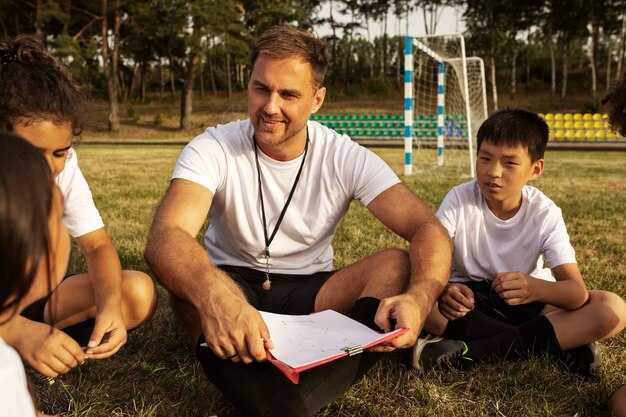
Start with a four-point family moment map: in your yard or living room, identify four moments you want to discuss during the opening ceremony and note one long-form question for each. If the olympics you watch are in paris, invite kids to compare design choices with home traditions.
Focus on four moments you can unpack afterward: the parade of nations, the cauldron lighting, the artistic segment, and the host city’s cultural showcase. For each, explain the intention behind the move, discuss race and pride respectfully, and admit one feeling you had–whether pride, wonder, or curiosity. Likewise, if a segment hints at christ motifs, admit curiosity and invite questions. Likewise, encourage siblings to compare their reactions and listen to each other before you move on to the next moment. These moments connect to sports values and teamwork, helping kids feel a shared sense of purpose.
Use simple, practical questions after watching: What does this moment teach about teamwork? Which tradition did you notice, and why does it matter to our family and to the athletes? If you could add one scene to the ceremony, what would it be? Why do people cheer, and how do wins inspire everyday goals? For a longer reflection, ask kids to write a short long-form paragraph about four reasons this moment mattered and how it connects to dreams we share as a family that we watched together. If needed, add another prompt to keep the conversation going and help everyone feel heard.
Teach media literacy by pointing out branding and sponsorships–how consumer logos appear on banners, uniforms, and stage props. Explain that sponsors provide funds to support events, which strengthens the olympics. Pause briefly after each segment to keep attention only on things that matter to kids and parents alike throughout the broadcast.
Practical setup tips: plan a short yard-side chat window during transitions, rotate who leads the conversation, and keep a shared family journal for wins and lessons learned. After the broadcast, choose one shot or moment to replay in long-form, and capture a quick recap while the grass dries or the living room kids settle. This routine strengthens family bonds and makes each event a chance to grow together, with dreams guiding your next session.
Respect and Pride: Balancing National Pride with Global Respect
Start with a concrete rule: set three family commitments for every Olympics night: respect every athlete, celebrate skill, and share stories that highlight unity. These commitments must guide your reactions across all events.
- Opening conversations: before the ceremony, ask questions that tie values to actions. Use imagination to picture the genesis of an athlete’s day, whether a soccer star or a gymnast. Admit when you don’t know and invite your kids to share their reflections. There, you set a framework that strengthens the whole family.
- Stories and praise: after a few events, pick a favorite moment and tell a short, sincere story about effort and sportsmanship. Focus on the fire of practice, the dedication of every figure, and the unity that these good stories foster in your home. Make the praise pleasant and specific, not generic.
- Odatlar va mezbon davlatlar: Olimpiya odatlari, qasamyod va milliy g‘urur global hurmat bilan qanday yashashi mumkinligini muhokama qiling. Millatlar o‘rtasidagi birlik sport mahoratini qanday mustahkamlashi va butun tadbirni barcha yoshdagi tomoshabinlar uchun qanday yoqimli qilishini ta’kidlang.
- Raqobatda hurmat: agar raqib ajoyib o'yin ko'rsatsa, qarsak chaling va uni ruhlantiring. Agar jamoangiz yutqazsa, xatoni tan oling va undan keyin nimani o'rganish mumkinligiga e'tibor qarating. Ba'zi haftalarda qiyin vaziyatlar bo'lishi mumkin; ulardan samimiy fikr-mulohazalarni va xotirjam reaktsiyalarni namoyish etish uchun foydalaning, istehzoni emas.
- Media savodxonligi va iste'molchi xabardorligi: bolalarga ular shov-shuvning passiv iste'molchisi emasligini eslatib turing. Buning o'rniga, sportchilarni kontekstda ko'rsatadigan manbalarni tanlang, savollar bering va chiqishning kengroq ma'nosini muhokama qiling. Sarlavhalar o'rniga ochiq savollar atrofida munozarani shakllantirish uchun ijodiy savollardan foydalaning.
- Oila marosimlari va ochilish marosimlari: har bir tadbir uchun qisqa ochilish marosimini yarating; birlikni ifodalovchi sham yoqing yoki kichik bayroq o'rnating va har bir a'zo o'tgan haftadagi eng sevimli sabog'ini baham ko'rsin. Bu oddiy mashq oilaviy rishtalarni mustahkamlaydi va e'tiborni medallardan ko'ra xarakterga qaratadi.
Ilhom Amalda: Sportchilardan Oila Maqsadlari va Faoliyatlarigacha
Bu dam olish kunlarida eʼtiboringizni qaratish uchun bitta sport turini tanlang va undan soʻng oilaviy bajarish mumkin boʻlgan qisqa, amaliy mashgʻulotni biriktiring. Bu aniq qadam bolalarga intizomning qanday qilib harakatga aylanishini ko'rishga yordam beradi va medallarga erishish uchun nima talab etilishini aniq ko'rsatadi. Agar oilangiz to'rt kishidan iborat bo'lsa, rollarni belgilang: biri sport turini tushuntiradi, ikkinchisi tezkor mashqni taklif qiladi, uchinchisi qiziqarli o'yin o'tkazadi va oxirgisi muhokamaning bir qismi uchun qisqa eslatma yozadi. Birgalikda tomosha qilish umumiy energiyani yaratadi va e'tiborni faqat ballarga emas, balki ijobiy namunalarga qaratadi. Ba'zida bu yondashuv muvaffaqiyatga olib keladi, siz taraqqiyotni ko'rasiz va faxrlanasiz. Sizning bolalaringiz sizning sportdan o'rganishni qanchalik yaxshi ko'rishingizni ko'rishadi.
Ko'rgan narsangizdan haqiqiy maqsadlar qurish uchun foydalaning: hafta uchun kichik, o'lchanadigan maqsad qo'ying va mashq qilayotganda bir-biringizni qo'llab-quvvatlang. Jamoalarning maydonda raqobatlashayotganini ko'rish uy xo'jaliklari qanday ishlashini aks ettiradi va siz xuddi shu odatlarni kundalik tartibga solishingiz mumkin. Bunda siz yolg'iz emassiz; doimiy mashq qilish orqali oilangiz chidamlilikni oshiradi. Agar siz futbol yoki yugurishni yaxshi ko'rsangiz, saboqlar bir xil bo'lib qoladi: izchillik, muloqot va yordam. Millionlab muxlislar turli xil kelib chiqishi bo'lishiga qaramay, o'zaro bog'liqlikni his qilishadi va siz bu ijobiylikni farzandlaringiz uchun namuna qilib ko'rsata olasiz. G'oyalar tomosha qilishdan kelib chiqqanda, siz ularni harakatga aylantirasiz.
O'yinning muhim joylarini harakatga aylantiring: o'yindan so'ng, oila sifatida urinib ko'rmoqchi bo'lgan ikkita narsani tanlang - biri mahoratni kuchaytiradi, ikkinchisi esa sizni jamoa sifatida yaqinlashtiradi. Ushbu yondashuv e'tiborni uzun ro'yxatdan ko'ra amaliy qadamlarga qaratadi va o'rganishni osonlashtiradi. Ota-onalar doimiy harakat namunasi bo'lish orqali vaziyatni nazoratga olishlari mumkin, bolalar esa kichik futbol zarbasi yoki muvozanat mashqlari kabi o'zlari yoqtirgan mashqni tanlash orqali tempni nazoratga olishlari mumkin. Birgalikda shakllantirgan odatingiz keyingi taraqqiyot hissini yaxshi ko'radi.
Madaniyat muhim: sportchilarning turli joylarda qanday mashq qilishlari haqida bahs yuriting va ularning kun tartibi, sayohatlari va qo‘llab-quvvatlash tarmoqlari haqida nimalarni payqaganingizni o‘rtoqlashing. Farqlarga g‘oyalarning ijobiy manbai sifatida qarash bolalarga o‘z mamlakati va boshqalarni hurmat qilishga yordam beradi. Bir nechta tadbirlarni tomosha qilganingizdan so‘ng, qaysi an'analarni o'zlashtirishingiz va umumiy kun tartibini yaratish uchun uyda nimani o'zgartirmasdan saqlab qolishingizni so'rang. Umid qilamizki, bu suhbatlar bir martalik emas, balki odatga aylanadi.
Oilaviy maqsadlar jadvali va oddiy haftalik reja bilan amaliy rejalarni hayotga tatbiq eting. To'rtta qisqa mashg'ulot, ikkitasi ish kunlarida va ikkitasi dam olish kunlarida, hammasini qisqa va bajarishga oson qilib saqlaydi. Maqsadlarni yozib, tezkor ball tizimi bilan muvaffaqiyatni kuzatib boring, so'ngra kichik yutuqlarni nishonlang. Reja sizni yo'lda ushlab turishga yordam beradi va shunchaki ekrandagi medallar qanday ko'rinishini emas, balki oila sifatida nimaga erishayotganingizni ko'rsatadi. Ushbu qadamlar orqali ota-onalar mas'uliyatni o'z zimmalariga olishni namuna qilib ko'rsatadilar va bir-birlarining o'sishiga muhabbat ko'rsatadilar.
| Faoliyat G'oyasi | Yosh oralig'i | Eslatmalar |
|---|---|---|
| Mini futbol mashqi – tezkor uzatmalar | 4–6 | Xavfsiz joyda 5–8 daqiqa |
| Balans va arqonda sakrash | 6–10 | Yumshoq gilamchalar, 5–10 daqiqa |
| Estafeta sprint topshiriqlari | 7–12 | Jamoa e'tibori, qisqa davralar |
| Uloqtir va tutib olish jurnali | 5–9 | Har bir kuzatilgan hodisadan keyin ikkita jumla |