


 O‘zbekcha
  English (UK)
  Русский
  বাংলা
বাংলা  العربية
  日本語
日本語  한국어
한국어  Magyar
  Norsk nynorsk
  Türkçe
  עִבְרִית
  Español
  Čeština
  Svenska
  Português
  Ελληνικά
  Suomi
Suomi  Nederlands
  Română
  Italiano
  Français
  Polski
  Українська
  Deutsch
  简体中文
简体中文  Slovenčina
  Српски језик
  اردو
اردو  Azərbaycan dili
  አማርኛ
አማርኛ 
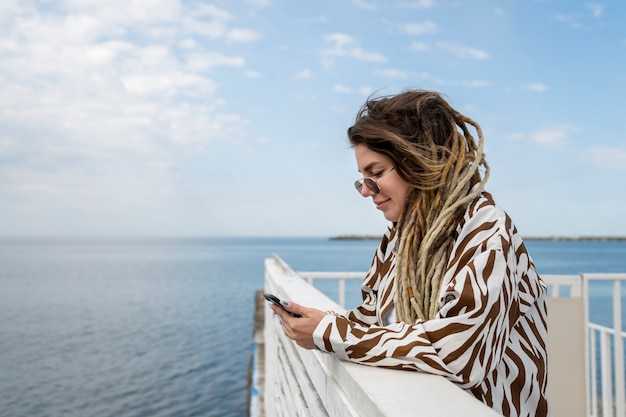
ushuaia is your anchor: start your cruise with the southern tip of Tierra del Fuego to set a bold tone and maximize wildlife sightings. Pick a ship with 100–250 guests to keep activities intimate; these cruise segments deliver Beagle Channel scenery, penguin colonies, and glacier-studded coastlines. The tajriba you gain here has been praised by travelers who seek authentic, offbeat adventures. If youre new to this world, Ushuaia is a natural starting point.
From there, switch to Svalbard for Arctic cruising that few general itineraries include. Longyearbyen marks the northernmost permanent settlement; most expeditions run May–September, with temperatures around -2 to 7 C and long daylight hours that boost wildlife viewing, taking notes after each stop helps you plan the next day. Expect glacier-streaked fjords, polar bears along shorelines, and zodiac landings on ships in the 150–300 guest range. An award-winning team of guides adds context about climate, history, and the humans who inhabit these chilly shores.
Next, consider the Falkland Islands for a wildlife-forward stop that feels timeless. In Port Stanley, penguin rookeries and sea-lion colonies are easy to access on shore excursions; best time is October–March when birds swarm the cliffs and flowers color the hills. Side trips to Sea Lion Island or remote beaches reveal those birds in action. A 1–2 day call here pairs with other destinations as an extra highlight, offering a taste of the past that humans still know well.
Ilulissat, Greenland, anchors Disko Bay with icefjord scenery; a UNESCO site, best seen May–September; you can watch calving glaciers up close. Look for itineraries with 5–7 day durations and ships in the 150–200 guest range to keep balance between accessibility and shore visits. The area offers both dramatic ice and whale watching opportunities, plus intimate encounters with local life.
Finally, the Azores archipelago (Ponta Delgada) offers a subtropical detour that feels surprisingly undisturbed. The nine islands host whale-watching tours, geothermal craters, and verdant highlands, with best months for spotting whales spanning April–October. This route is always rewarding for travelers who crave discoveries beyond the general cruise routine, so plan a 7–10 day schedule that stops in two or three islands to maximize offbeat experiences. These cruises focus on local culture, cuisine, and nature–a perfect balance for curious travelers who want something extra from the general cruise routine.
Hidden ports that reveal local life, cuisine, and landscapes
Visiting offbeat ports pays off when you dock at spots where daily rhythms unfold outside the main tourist lanes. Look for a center of activity, where front-row quay views meet street-food stalls, and locals share recipes that define their islands. These profiles help you spot incredibly authentic offerings, with concrete tips on timing, costs, and how to make the most of every stop.
-
Caribbean market port with street-food energy – Look for a harbor where the quay backs a lively market. Arrive early to taste jerk, fried plantains, and fresh coconut water within 15 minutes of stepping ashore. Ask vendors which dishes are fan favorites, then take a short walk to a balcony-front cafe that overlooks the water for a side-by-side comparison of salt-fresh seafood and smoky street snacks. The experience offers a clear portal into daily life, with deals and promotions often shared directly by vendors. Exploring outside the tourist strip guarantees an authentic feel and a genuine sense of earth-and-sea collaboration.
-
Colonial-harbor port with a food-tan tapestry – In smaller Caribbean-adjacent towns, you’ll find main streets that run from the dock through colorful markets to a fish pier. Take a guided stroll that highlights family-owned eateries, where you can sample arepa con huevo or fried fish with lime. Vendors frequently offer tasting portions at a fixed price, a practical way to gauge value before choosing a full meal. If a local guide includes a stop at a hillside terrace, you’ll enjoy a panoramic view and learn how the port once fed a colonial center–a powerful glimpse of history meeting today’s flavors.
-
Barbados fishing village by the outer quay – A shore excursion that ventures toward a village outside the harbor core reveals how small boats, nets, and shore-side grills create a daily routine. Try flying fish with cou-cou, then walk the pier to chat with crews about their routes and catch timing. Seek an operator offering a short, high-value food-and-culture combo; such deals rarely exceed a couple of hours and leave you with a hands-on sense of community, not just scenery. Watching sunset from a balcony cafe overlooking the harbor completes the picture.
-
Hidden islet-port with a view of turquoise water – In calm seas, a shallow anchorage lets you step onto a narrow quay and climb to a hillside terrace for a sweeping view of reefs and coastline. Order a local ceviche and a tropical juice; you’ll notice how the raw flavors reflect the earth and sea here. If you’re lucky, the fishing cooperative runs a quick workshop on sustainable catches, often with a small discount for voyages guests. This is an excellent example of an outside-the-balance-sheet experience and an approachable way to connect with locals without crowds.
-
Islands port where nature meets the quay – A compact port near mangroves or a protected inlet offers short nature walks, shore-access viewpoints, and a local café with sea breezes. Take a guided route that ends with a tasting of fresh fruit and a brief chat about regional farming. The center of gravity here is attractions that emphasize land-and-sea harmony, and many operators guarantee a memorable encounter with a small, doable commitment of time. If you’re looking for a value-driven option, combine the walk with a quick boat ride back to the ship for a smooth, well-timed return to your voyage.
Komodo Island, Indonesia: How to plan dragon-spotting and reef snorkeling without crowds
Register a local, licensed guide and book a two-day loop from Labuan Bajo. With years of experience, they map an itinerary that spreads dragon-spotting and reef snorkeling across early mornings and calmer sites, keeping you away from the most tourist-heavy traffic and other crowds.
Start on Komodo Island with a forward-facing, patient approach to dragon-spotting. The iconic silhouettes appear at first light, creating dramatic visuals; stay still and let the animals come to you for potential huge encounters.
After dragon watching, sail to sheltered reefs such as Tatawa Besar and Siaba Besar for snorkeling. Floating schools of fish and clean corals thrive away from busy beaches, and mid-morning visibility is typically excellent with less boat traffic.
Choose a forward-facing, low-profile boat with a small crew to reduce wake and land visits during peak times. Rely on the guide for gear–snorkels, masks, fins, and reef-safe sunscreen–and bring a light rash guard. If you can, bring your own fins for a better fit and comfort, while using the boat’s equipment as a backup.
Logistics matter: fly into Labuan Bajo from Bali or Jakarta and book early to lock fares and dates. Most operators offer packages that include boat, guide, park fees, and snorkeling gear. Compare 2–3 options and check reviews to ensure the plan prioritizes quiet anchorages and a true center of gravity on wildlife encounters rather than crowded routes.
Seasonality and remoteness shape the experience. May–October yields calmer seas and generally drier days, helping both dragon-spotting and snorkeling. The remoteness of the archipelago limits landing sites, keeping numbers modest. Perhaps aim for a midweek window and avoid peak holidays; the subtropical light on clear mornings makes the setting dramatic.
| Vaqt | Faoliyat | Manzil | Eslatmalar |
|---|---|---|---|
| 08:00–10:00 | Dragon-spotting on Komodo Island | Land trails, coast | Move slowly, observe from a safe distance |
| 10:30–13:00 | Snorkeling at Tatawa Besar and Siaba Besar | Protected reefs | Calm water, abundant life; reef-safe sunscreen required |
| 14:00–17:00 | Sail to quiet anchorages and beach time | Nearby islands | Shade, snacks, optional short land stroll |
| Day 2, 07:30–12:00 | Second snorkeling circuit | Southern reefs | Keep off coral, respect wildlife |
Sihanoukville, Cambodia: Day trips to pristine beaches and offbeat island hopping
Book a full-day trip to Koh Rong Samloem from Sihanoukville and step onto beautiful, powder-soft beaches and turquoise coves within the morning. Boats depart around 8:00–9:00 from the harbor and return by 17:00. Fares range from about $25 to $60 depending on boat type and season; reserve with a trusted operator through official portals to avoid scams. Bring slippers for rocky shoreline, reef-safe sunscreen, a hat, at least two liters of water, and a light lunch or snacks.
For a calmer option, head to Otres Beach–Otres 1 or Otres 2–where a short ride from the town center delivers a long stretch of sand, palm shade, and simple seafood joints. Pair this with a brief jungle walk along the edge of Ream National Park to spot birds above the mangroves and enjoy cooler air along shady trails.
Ream National Park offers a different coastline experience: jungle paths, mangrove channels, and sheltered coves ideal for a relaxed swim. Hire a local guide at the entrance; park fees are modest and the route is suitable for a half-day excursion that you can finish back in the center around midday.
From the main port, you can cross across to Koh Rong and Koh Rong Samloem, or explore smaller spots like Koh Ta Kiev for a less crowded day out. Koh Rong Samloem remains spectacular for its quiet coves and clearer water, while Koh Rong has a buzzier atmosphere and bigger beach options. Operators vary, and some offer wholesale combinations that fit different budgets, so ask at the port portals or your hotel desk for current schedules and reliability.
Travel planning tips: use airline portals to compare fares, and if you’re part of a loyalty program, book with airlines that connect through Bangkok, Singapore, or Kuala Lumpur. Longyearbyen travelers and those coming from Argentina can look for connections that minimize layovers and maximize time on the coast. In Sihanoukville, you’ll find assistance at the center when arranging transport, and many trips originate from the town center or nearby locations. Keep cash handy for small boat fees, though some operators accept cards; your bank can provide a quick currency exchange if needed. Spending around $30–$120 total, depending on shared versus private options, yields a memorable mix of pristine beaches, jungle air, and offbeat island coves.
Haiphong, Vietnam: From port to Halong Bay–timelines, routes, and must-see sights
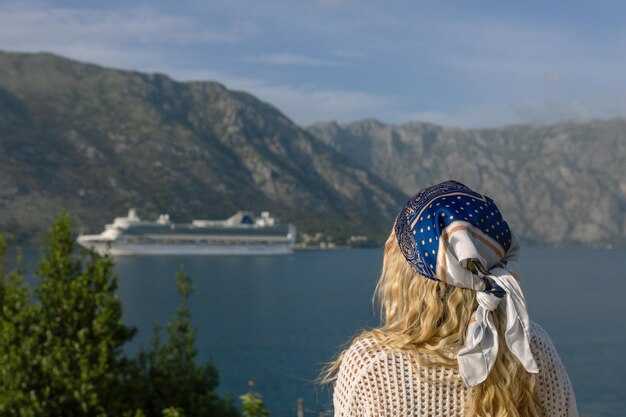
Book a two-day Halong Bay cruise that departs Haiphong in the morning; direct port transfers keep travel time under three hours, and you reach Bai Tu Long or Lan Ha Bay quickly. In addition, consult portals and books for the latest schedules and cabin options; their guidance helps tailor cruises around holidays and winter crowds. Pack slippers for on-deck comfort, and keep a compact bag ready for post-embarkation activities.
Timelines: Day 1, 07:30 pickup at the port; 09:30 check-in; 10:00 set sail; 12:00 lunch; 14:00 cave visit; 17:00 anchor; 19:00 dinner; 21:00 optional night kayaking. On day 2, start with a light morning stretch on deck, 08:00 breakfast, 10:00 check-out, and 12:00 return to the harbor. There are always options to tailor the pace, including longer swims or a domestic flight connection back to Hanoi after the cruise.
Routes: The Haiphong base centers on Bai Tu Long and Lan Ha Bay. Bai Tu Long offers quieter anchorages and towering cliffs, while Lan Ha Bay hugs Cat Ba Island and its floating villages, delivering calmer waters and better kayaking near coves. This addition makes it easy to combine water days with a land leg on Cat Ba, where you can visit inhabited villages and a small national park at your own pace.
Must-see sights: In both routes, expect spectacular limestone pillars rising from emerald water and giant rock forms framing every pass. Kayak beneath Luon Cave’s cliff overhangs, glide through hidden coves, and hike Titov Island for a 360-degree view over the bay. On broad sunlit decks, photographers meet a backdrop that feels almost otherworldly and invites several memorable post-card shots.
Practical tips: Costs vary by cabin type and season; a standard 2D1N cruise starts around $120 per person and can rise with suites and inclusive itineraries. Book early to lock in better rates, especially during holidays and peak periods; some onboard shops carry souvenirs and purchases, while some services charge extra for activities like kayaking or snorkeling. Use local cash or a bank card for shore transactions, and keep a small reserve for onshore meals and tips. For winter sailings, layers and a light rain shell help you stay comfortable on deck.
City and culture: After the sea days, Haiphong city welcomes visitors with its busy wharfs, markets, and riverside parks. There, you can meet fishermen and traders along the quay, try fresh street bites, and stroll outside the port area to see traditional neighborhoods. There are christians and other faith communities with local events during holidays, giving you a window into everyday life. Nearly every traveler who adds Haiphong to a Halong Bay itinerary notes how the city connects a vivid port experience with spectacular water days. There, some travelers draw parallels with distant ports like Ushuaia in Argentina, using books and portals to compare scales and routes, and then plan post-cruise visits to nearby attractions. The coastal pace, the banked history, and the vibrant markets all make this stop a worthwhile addition to a cruising plan.
Valletta, Malta: Secret courtyards, patisseries, and fortress walks away from the main tourist trails
Tavsiya: Start with a 90-minute fortress walk along Valletta’s northern bastions, then slip into secret courtyards and a tucked-away patisserie for a true offbeat Maltese morning.
Secret courtyards lie on the sides of quiet lanes off the main routes. Many are surrounded by limestone walls and inhabited by residents who keep doors ajar for a breath of air. They show unusual greenery, sunlit tiles, and images of centuries past on weathered façades. This slice of the city holds the majority of Valletta’s quiet charm, far from hotspots and crowds, yet deeply stimulating to the senses. They keep these spots intimate and respectful, so your visit feels personal.
For patisseries, seek tiny family-run spots tucked into narrow alleys near Strait Street. Each place serves almond crescents, fig rolls, and pistachio puffs, with a large modern coffee that makes the weather feel lighter. The Cunha family runs one beloved option, and you’ll often find discounts for locals and students if you ask. Try a vietnams-inspired drizzle on a pastry, somewhere along the street life here, for a surprising twist. A vietnams vibe exists in one pastry, adding a playful note to your tasting.
Take a fortress walk that leaves the main crowds behind, then loop toward a sund overlook over the harbor for a natural finish. This exploration uses a single ultimate loop that climbs the stone walls, drops into a sheltered courtyard, and ends with a truly intimate sense of Valletta. The call of history here makes the experience memorable, and the galapagos-like sense of discovery is especially strong when light plays on the limestone.
Practical notes: bring a map or download offline images of routes, wear comfortable shoes, and pace yourself for lots of steps. Using a simple map app helps you stay on track. Weather in spring and autumn is ideal for outdoor strolling, but summer can heat the stones. If you crave more, book a suite in a restored townhouse to extend the feel of a private city residence, then return at sunset to see Valletta’s sides glow gold. They make exploration feel personal, feels truly capturing Valletta’s unusual charm and the territories that surround this compact island city.
Vietnam – Cultural Discovery: Markets, temples, and culinary journeys through Hanoi, Hue, and Hoi An
Book a 7-night Vietnam cultural voyage that blends Halong Bay cruising with guided visits to Hanoi, Hue, and Hoi An.
Onboard and on shore, you’ll rotate between sea time and immersive city experiences, with staffing that keeps you in the know through links to local guides and printed guides you can keep as a souvenir. The route balances active exploration with moments of luxury, so you can choose a pace that suits you while cruising among emerald waters and limestone islands.
-
Hanoi – Markets, temples, and street flavors
In the capital, Dong Xuan Market bursts with textiles, ceramics, and street snacks. Stroll the Old Quarter lanes, circle Hoan Kiem Lake, and visit the Temple of Literature for a sense of Vietnamese scholarship. During an evening food crawl, you’ll taste pho, bun cha, and spring rolls, pairing bites with aromatic coffee in a city surrounded by low hills and rivers.
-
Hue – Imperial relics and riverside tastings
Hue presents The Imperial City and the tombs along the Perfume River, with Thien Mu Pagoda rising above the water. Dong Ba Market offers local sauces, moon cakes, and royal-style herbs. A short boat ride reveals the city’s quiet pace amid mountains beyond the citadel walls, delivering a compact education in central Vietnam’s history and flavors.
-
Hoi An – Ancient town charm and cooking secrets
Hoi An’s Ancient Town glows with lanterns, and the Japanese Covered Bridge marks a historic crossroads. A hands-on cooking class introduces cao lau noodles and banh xeo, while lantern-lit evenings along the Thu Bon River showcase the town’s artisanal crafts and low-key luxury. Nearby islands and coastal villages add a paddled or bicycled side of the countryside.
Practical highlights to plan your trip well
- Choose a voyage that includes Halong Bay’s islands and a Hanoi post-cruise stay for a complete cultural arc. Look for promotions and fare options that fit your bucket list and time window.
- Most itineraries offer a mix of on-board time and shore visits, with shore excursions that range from relaxed to active. If you crave quiet, request a few hours of soundscape-free time on the ship.
- During the voyage, enjoy luxury touches and human-scale experiences, such as cooking classes, market tastings, and local guide talks. You’ll get lots of insight without rushing between sights.
- Use the onboard links to city guides and printed materials to reinforce what you see; some lines provide certificates of completion for cultural workshops.
Logistics and smart planning
- Time and distance: Hanoi to Halong Bay is roughly 165 miles (265 km) by road; Hue to Da Nang is around 60–110 miles (100–180 km) depending on routing. Domestic flights connect Hanoi–Hue and Da Nang quickly when needed.
- Airline and transfers: most packages include airport transfers and a flight or two between regions; choose routes with the fewest layovers to maximize time in ports.
- Accommodations: pair the cruise with modern hotels like Marriott properties for pre/post stays in Hanoi or Da Nang; they offer consistent service and convenient access to markets and temples.
- Cost and value: compare ranges of inclusions–meals, excursions, and transfers–against the published fares; some promotions bundle pre/post stays, making the overall travel time longer but more economical.
- What to bring: comfortable walking shoes, a light rain jacket, and a small daypack for market visits; a printed itinerary plus a charged phone with offline maps helps you navigate busy streets.
- Seasonality: central Vietnam shines from February to April and August to October; Halong Bay has more predictable weather outside the peak summer months, and the islands stay dramatic year-round.
- Local nuance: markets vibrate during festival periods and harvest seasons, so plan around local celebrations to catch special foods and performances; if you’ll visit during peak periods, expect larger crowds and waiting times for popular spots.
You’ll finish with a richer sense of Vietnam’s contrasts: bustling markets, serene temples, and a culinary language that travels from Hanoi’s street corners to Hoi An’s riverfront. It’s a compact, immersive blend that makes the most of cruising while keeping culture front and center along a coastline that feels both timeless and modern.