


 O‘zbekcha
  English (UK)
  Русский
  বাংলা
বাংলা  العربية
  日本語
日本語  한국어
한국어  Magyar
  Norsk nynorsk
  Türkçe
  עִבְרִית
  Español
  Čeština
  Svenska
  Português
  Ελληνικά
  Suomi
Suomi  Nederlands
  Română
  Italiano
  Français
  Polski
  Українська
  Deutsch
  简体中文
简体中文  Slovenčina
  Српски језик
  اردو
اردو  Azərbaycan dili
  አማርኛ
አማርኛ 
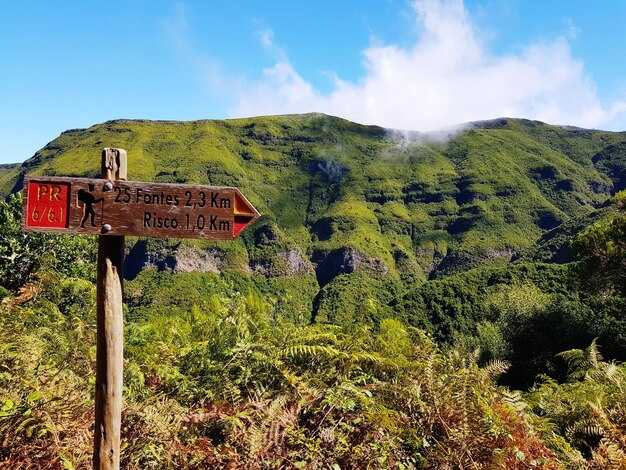
Begin your day with a sunrise walking along Hilo Bay, then spend time at a local farm stand and the Hilo Farmers Market to meet native vendors. This lively start gives you a window into the island’s time-honored rhythms, from waters to lava views, and it sets up a day full of hands-on discoveries.
Admire the sea cliffs and marine life along the coast, then walking through lush trails where native plants thrive. A short loop at Akaka Falls offers a clear view of the cataract, and you’ll actually hear the roar as waters plunge into the gorge. From a higher overlook, you can spot ancient lava flows shaping the countryside and connect the island’s geology to the present-day scenery.
Cheaper options sit on the list of musts, so compare prices at vendors around town before you book any guided tours. You’ll find local crafts, carved wood, and created souvenirs that reflect the island’s character, with plenty of choices for taking something home for family and friends, and these picks are considered solid for most budgets.
Make a list of must-see spots and pace yourself; ages of travelers guide how you plan downtime, since each stop offers a different appeal for families, couples, and solo explorers. After a short drive along the coast, stop by a local farm-to-table cafe for a light lunch, and then take a stroll through the botanical gardens to admire plants and birds. another option is a quiet riverside walk that lets you reset before the next stop.
Take another break by the waterside parks, then head to downtown Hilo to explore murals and listen to local musicians as vendors showcase crafts. It’s easy to fill a day with walking, tasting, and learning–from native historic sites to lava fields that shaped the island’s terrain.
Keep a flexible pace, pack water, and note the time for each stop to maximize your experience of Hilo’s unique blend of natural wonders and cultural flavors. With these ideas, you’ll have a well-rounded day that balances walking, exploring, and relaxing, and you’ll leave with a deeper appreciation for the Big Island’s living history.
16 Awesome Things to Do in Hilo, Hawaii on the Big Island Travel Guide
Start your day with Akaka Falls State Park, a short drive from downtown Hilo, where the morning light hits the mossy stone and rays break through the mist.
Shop the Hilo Farmers Market for fresh fruit, local coffee, and five quick breakfast choices; here youve got hotels in walking distance and a range of options.
Rainbow Falls sits along the Wailuku River, located near older streets and green buildings in hilos neighborhoods that give downtown a welcoming vibe.
Stroll the coastal paths of Liliuokalani Gardens to feel the sea breeze, with stone walls and smooth lawns that invite you to linger while you listen to the surf.
Imiloa Astronomy Center blends cultural storytelling and space science; many visitors learned new ideas about how the night sky connects with the sea.
Pana’ewa Rainforest Zoo offers a compact, kid-friendly circuit where you can stroll among gentle animals and not worry about big crowds; sure, it’s a quick stop.
Cross the short causeway to Coconut Island; you went there for a quiet walk, birdwatching, and a view of the harbor.
Hawaii Tropical Botanical Garden in Papaikou climbs up the hillside; the growing collection of tropical plants creates a living collage.
Onomea Bay Trail winds through lush ferns and along the coast, with stone steps and dramatic ocean views.
Honoli’i Beach Park offers beginner-friendly waves and a scenic road along the coast; check the weather and plan a late-morning session for a smooth start.
Visit the Pacific Tsunami Museum to understand coastal history and the forces that actually shape this island; hadnt you heard how quickly currents can redraw shorelines.
Book a Mauna Kea stargazing tour; the high altitude yields bright stars and rays of the Milky Way on clear nights.
Take a day trip to Hawaii Volcanoes National Park; the road winds through black lava fields for miles of rugged scenery.
Waipio Valley Lookout provides dramatic cliffs and remote landscapes; you can hike or simply take in the view for miles.
Stop by a nearby winery for an afternoon tasting after a day on the coast; this is one of five choices you can fit into a day.
If festival or harvest season draws locals to the street fairs, join the celebration; the community created hand crafts and music, and the vibe is friendly.
11 Take in the views at the Waipi’o Valley Lookout
Park in the small overlook lot before sunrise on Saturday morning to secure a spot and watch the valley come alive with light. From the railing you’ll witness a mighty green canyon rising from the Waipi’o River, with steam curling where mist meets lava cliffs after a light rain. The panorama offers a dramatic vista and a perspective that feels almost timeless.
Parking is limited; if the lot fills, queue along Waipi’o Road and walk a short, cautious stretch to the railing. Keep engines off, yield to pedestrians, and respect land access rules–this overlook serves both visitors and locals.
Time your visit for the morning glow when the valley reveals layers of color. Weather can change quickly, so check a local newsletter for sunrise times and cloud cover. Actually, the light can shift from silver to emerald within minutes, so bring a camera and plan for a flexible window.
Trails near the overlook offer options for different appetites. The short, level path to the railing provides a safe vantage; the Waipi’o Valley Trail toward the floor is steep and rugged, best saved for experienced hikers with proper gear. If you stay on the overlook, you’ll still capture the mighty panorama without venturing into unstable terrain.
Gear matters. Pack water, sun protection, and a reliable lens setup: a wide angle for the cliffs, a telephoto for distant sea stacks, and a sturdy tripod for dawn or dusk shots. If you’re into underwater adventures, snorkeling opportunities lie along nearby beaches after you finish the day’s drive.
The surrounding countryside adds flavor to the trip. Along the coast, macadamia orchards and farmers’ stands tempt you with fresh nuts and honey; pick up a bag or two for the road. Learn a bit of kamehameha history from local guides or signage, and appreciate the island’s layered past in editorial notes that some roadside stalls offer.
For stargazers, the planetarium in Hilo (Imiloa) makes a perfect evening cap after a day on the Big Island. Plan a separate trip to the planetarium to pair your Waipi’o outing with a celestial show and a restful stay on the east side.
Capture the moment and share your experience with a quick caption after your drive. If you subscribe to a local newsletter, you’ll receive fresh tips for weekend morning runs and new lookouts– a resource to keep your plans aligned with island rhythms.
Best times to visit for stunning overlook views
Plan to visit during late spring or early autumn for the clearest overlook views. This window reduces vog and keeps the air sharp, so mountains loom mighty and the green ridges pop, giving you views that feel almost unreal.
-
Best months: April–May or September–October offer the best balance of dry spells and stable light. You’ll notice crisper valleys, less haze, and more color in the waterfalls and coastline. Definitely bring a camera and a light jacket.
-
Time of day: Shoot at sunrise or golden hour. Typical windows: sunrise 5:45–7:00 am, sunset 5:30–6:30 pm, when the light slants across the peaks and the sea sparkles. Open lookout spots let you enjoy the breeze and the sound of waves as part of the scene.
-
Where to go: Lookouts along the Hamakua coast and above Hilo offer a mix of sea and mountains. Cross the highway to higher pockets for long, sheer panoramas of green valleys and coastline, and, if you’re lucky, a distant waterfall. Seals may appear near rocky points on calm mornings, adding life to the view. Some spots carry a puerto vibe–open, breezy, and perfect for a coastal perspective.
-
Weather and timing: Vog and passing showers can reduce visibility. Therefore, stay flexible and watch for a clear window after a brief front. When the air clears, the view–mountains against a blue Pacific–can be unforgettable.
-
What to pack and how to enjoy: Pack water, sunscreen, a lightweight jacket, and a small snack. For a casual break, bring a cold beer or a bottle of milk for a simple picnic at a safe overlook. If you’re in town on Sunday, a quick cafe stop can fuel the trip and add a relaxed rhythm to the day.
-
Extras: Sign up for a local newsletter to catch weather windows and short alerts. Over the years, visitors have learned that timing matters; when you leave, you’ll know a return trip can deliver even clearer views. Think of the whole island–the green, mighty mountains cradling the sea–and plan another try soon.
How to access the Lookout: routes, parking, and shuttle options
Arrive before 8:00 am to secure a spot and start watching the coastline in comfortable light. The main lot holds about 20 spaces, with an additional 6 curb-side spots along the access road. Parking is free, and a two-hour limit helps keep the area open for everyone.
From downtown Hilo, follow the coastal highway toward the west and look for the Lookout signs guiding you to the signed access road. The route is straightforward, with a gentle climb to a vantage point that overlooks sand, lava fields, and the distant blue of the Pacific. The open setup creates an awesome vibe for family breaks, nature watching, and editorial-worthy views.
Shuttle options simplify access for visitors without a car. Some west-side hotels coordinate small-group shuttles, and a few local operators run weekend services from central Hilo. Expect roughly a 8–15 minute ride, with fares in the $6–$12 range per person. If you plan a multi-stop day, a private driver can also drop you at the Lookout and pick you up later, saving you time and letting everyone relax.
Tip: bring water, snacks, and sunscreen. A short, native garden path nearby offers easy strolling, and a nearby lava-view area can be particularly striking at dawn or dusk. If rain hits, the path can become slippery, which makes a careful, slower pace a good idea. The area is open to the public year-round, but check with park services for any temporary closures or maintenance that might affect parking or access.
| Variant | Route/Access | To'xtash joyi | Shuttle/Transport | Eslatmalar |
|---|---|---|---|---|
| Main Lookout Lot | Signposted turn from Lookout Road after the coastal drive | About 20 spaces; second overflow area on the shoulder | Limited shuttle availability; some hotels offer short rides | Best for sunrise; watch lava glow when conditions permit |
| Overlook Trailhead | From the main lot, follow the short pedestrian path to the overlook | 3–4 spaces near the trailhead | Not a regular shuttle stop | 0.4 mile loop; suitable for a quick break and photo stops |
| Coastal Pull-Outs | Side-road pull-offs along the coast for quick pauses | Limited; best for short stops, not long stays | Not available | Great for watching waves, snacks from nearby vendors, and a fast view |
| Shuttle Service from West Hilo Hotels | Hotel lobby pickup; designated drop-off at Lookout | – | Fri–Sun service; 8–15 minutes; $6–$12 per person | Ideal for guests with limited mobility or carrying gear |
What to bring for a comfortable, safe visit
Pack a compact daypack with a refillable water bottle, sunscreen, a lightweight rain shell, and a small first-aid kit. This setup is likely to keep you comfortable while exploring islandwhere microclimates–from sunny cliffs to misty rainforest trails. If you could fit one more layer, add a lightweight fleece for early morning or higher-elevation sections.
Choose breathable, quick-dry clothing and sturdy, closed-toe shoes. For ziplining, wear snug pants or shorts, avoid loose fabric, tie hair back, and bring a light windbreaker.
Visiting with kids? Pack snacks and milk for quick energy, plus a few sweet treats like fruit slices. A vanilla yogurt cup travels well in a small cooler if you have one.
Carry a simple map or offline navigation app, plus a sign listing meeting points and safety reminders. Check price information for parking or trailhead access to avoid surprises.
Respect native customs and nature. If you catch a hula demonstration, observe quietly, clap at the right times, and keep phones away. These choices are made by locals and visitors alike, and they show respect to them.
For night plans, pack a headlamp, extra batteries, a warm layer, and a charged phone with a portable charger.
Three national sites are within easy reach on the island: Hawaii Volcanoes National Park, Kaloko-Honokohau National Historical Park, and Pu’uhonua o Honaunau National Historical Park. In honokaa, you’ll find towering lava fields and beautiful scenery that pair well with a sunset hike.
Plan a day that includes a vineyard stop or a coffee farm; bring cash for tastings, and note that prices vary by vendor.
Pack extra layers for cooler nights, a hat for sun, reef-safe sunscreen, and a dry bag for valuables. The kit is made to survive humid days and sudden showers, making visiting Hilo truly enjoyable.
Photo tips to capture Waipi’o Valley’s drama
Enter Waipi’o Valley from the overlook before dawn to catch dramatic light on the green cliffs and terraces; stand near the rim to frame the river slicing through the valley, under the pale pacific air, the mist softens contrasts and adds depth.
Bring a wide lens (16–35 mm) for the rim and a tele (70–200 mm) for distant peaks; set to f/8–f/11 so the array of terraces stays sharp from near to far.
On saturday mornings, the light travels along the eastern edge, so shoot from the southernmost end of the rim for warm tones; although the window is short, you’ll get rich color when the sun hugs the walls. Besides the rim, try a low shot from outside the rim to emphasize the river.
Keep it safe: the ground is slick and switchbacks steep; stay on marked paths, there’s little room on the rim for gear, and parking price varies by season. Note that the descent to the valley floor is difficult; If you enter the valley floor, allow extra time and be mindful of tides. Waipi’o sits among regions with microclimates that shift with breezes from the country coast.
At night, clear skies turn the rim into a planetarium; use long exposures (20–30 s) with ISO 800 to reveal stars while keeping the valley silhouette in frame. If youre after star trails, stack multiple frames for smooth motion and a brighter night sky; this suits younger adventurers looking for a bold, after-dark adventure.
Consider broader regions of the island when planning, and check price and accessibility options; Waipi’o’s dramatic scene rewards patient photographers with a unique country mood.
Nearby viewpoints and short walk alternatives
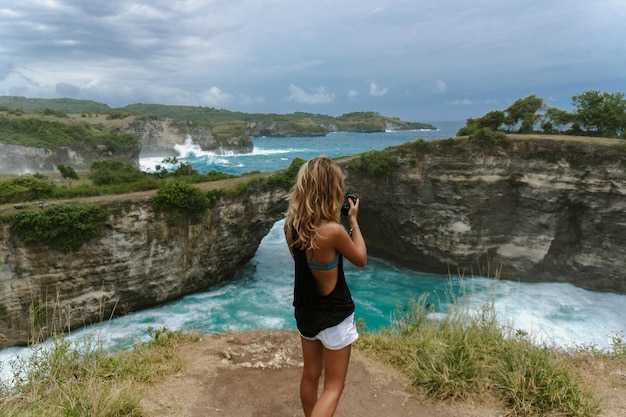
Kick off with Akaka Falls State Park for a quick, classic Hilo rainforest overlook. The 0.4–0.5 mile, mostly paved loop climbs gradually from the parking lot to a pair of overlooks where Akaka Falls spills into emerald greens. The rainforest canopy, sweeping views of the waters below, and the steady sound of the falls make it a perfect starter before you explore more. Besides, arriving before 9 am helps you beat the crowds and catch a misty rainbow on humid days.
- Rainbow Falls (Waianuenue Falls) – A short, level walk from the Waianuenue Avenue parking area to the overlook; about 0.5 miles round-trip and 10–15 minutes. The falls spill into a green gorge; best after rain when spray fills the air. Open vantage along a boardwalk near the street; easy for kids and seniors.
- Liliuokalani Gardens & Hilo Bay overlook – Nestled along the shoreline, this 30-acre park offers flat, scenic paths and a view of the bay. About 0.8 miles of easy routes, 20–30 minutes, with lawn spaces, koi ponds, and charming flower beds. It’s a perfect contrast to volcanic scenery and tells a different story of Hilo’s charm.
- Wailoa River State Park & Keaukaha Overlook – Flat, open paths along the river and marsh provide a calm alternative with views of green wetlands and Mauna Kea on clear days. Roughly 0.3 miles of walking, 15 minutes, ideal for a quick open-air break before heading back into town.
- Richardson Ocean Park – Dengiz devori va toshli qirg'oqli ixcham qirg'oq kuzatuv joyi. Qisqa 0,25–0,3 milyalik variant, taxminan 15 daqiqa, quyosh botishi chiroqlari va suvlar ustidagi keng gorizontlar uchun eng yaxshisi.
- Onekahakaha Beach Park manzarasi – Dengiz manzaralari va serferlarni tomosha qilish imkoniyatini beruvchi toshli qoyalarga qisqa yoʻl. Taxminan 0,3 milya, 15–20 daqiqa, shoʻr havoning tez taʼsirini xohlaganingizda ishonchli variant.
Mahalliylardan o'rgangan maslahatlar: Jeki bu yerda bir necha kun yashab, ochiq yorug'lik va kam odam bo'ladigan vaqtlarga tashrif buyurishni o'rgandi. Yo'lda bozorlarda mazali tropik mevalardan tatib ko'rishingiz mumkin - shirin, yaxshi va oddiy ingredientlar bilan. Ko'chalarda sayr qilar ekansiz, o'zingizga bir nechta nuqtai nazarni ko'rish uchun ajoyib reja ekanligini ayting. Yashil soyabonlar va manzaralardan tashqari, tropik o'rmon ostida joylashgan, agar sohil bo'ylab iflos lava toshlarini ko'rsangiz, ehtiyot bo'ling. Mahalliy taom muxlislari uchun loko moko (moko) taomlari mashhur bo'lib, ko'pincha loviya va guruch bilan birga tortiladi. Agar bir nechta nuqtai nazarni mazali gazak bilan birlashtirmoqchi bo'lsangiz, har doim ochilish soatlarini tekshiring va uzoqroq ertalabga rejalashtiring.