


 O‘zbekcha
  English (UK)
  Русский
  বাংলা
বাংলা  العربية
  日本語
日本語  한국어
한국어  Magyar
  Norsk nynorsk
  Türkçe
  עִבְרִית
  Español
  Čeština
  Svenska
  Português
  Ελληνικά
  Suomi
Suomi  Nederlands
  Română
  Italiano
  Français
  Polski
  Українська
  Deutsch
  简体中文
简体中文  Slovenčina
  Српски језик
  اردو
اردو  Azərbaycan dili
  አማርኛ
አማርኛ 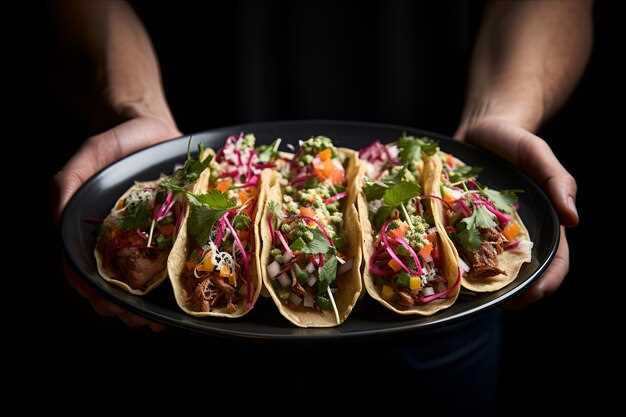 10 Mexican Dishes That Aren’t Tacos You Must Try">
Albatta. start with chiles en nogada if you want a dish that feels festive and deeply satisfying, not a taco. Its to‘ldirish blends ground pork, apples, pears, almonds, and spices, tucked inside a roasted poblano and finished with a silky walnut cream. This dish tells a story of seasonality and texture in every bite, offering a contrast between heat, sweetness, and nutty richness. You’ll notice how the sauce clings to the pepper, elevating the dish beyond simple sustenance into a memorable centerpiece.
These ten dishes span a broad spectrum of textures and sauces. From sopes with a crisp base to rich pozole broth that nourishes a chilly evening, you’ll notice contrasts that keep each bite interesting. Many versions layer refried beans, queso, and crema, while others lean into bright salsas and crunchy toppings. The result is a culinary sinf of flavors you won’t find in tacos alone. Start your tasting with a few these picks to set expectations for depth and variety. there are countless riffs.
keling learn more about these dishes with practical tips for home cooks. definitely, these tips will sharpen your home-cook skills. Roast peppers until skins blister, simmer a pot of broth to deepen depth, and plan a tasting post to remember for friends. If you want a creamy counterpoint, a dash of mayonnaise can lift a topping without masking the dish’s core character. There’s no one-size-fits-all approach, and you’ll learn which combos work best for your kitchen.
This approach is equally important, balancing heat and sweetness. For potatoes-based dishes or chiles rellenos, choose a to‘ldirish that contrasts with a light tang of lime or a mild queso fresco. The texture should be inviting: crisp edges, tender inside, and a sauce that clings without masking each component. Often you’ll find toppings like pickled vegetables or crumbled cheese that provide bright bursts.
To broaden your palette, try a maracuya dessert or a tamal with a subtle chocolate hint; these sessions help you learn how regional preferences shape everyday meals. There are classic pairings you can replicate at home, and you’ll discover new favorites outside the taco world. ko'proq ideas will appear on your table as you experiment, and you can capture them in a quick post to share with friends.
Even if you’re new to Mexican cooking, these dishes offer approachable entry points. Start with a single sopes topped with refried beans and crumbled queso, and then move to a pot of rich pozole or a layered mole that reveals another depth. You can adjust salt, heat, and toppings to suit your kitchen and your crew, there providing a simple way to tailor flavors. there you’ll find notes and sharing ideas.
Content Plan
Release a six-week program that spotlights 10 Mexican dishes beyond tacos, anchored by a central guide and weekly deep-dives. Each entry uses a consistent format and a practical call to action.
- Format and assets: a core hub guide, ten feature pages, printable recipe cards, and short video clips for social channels.
- Publication cadence: weekly drops on the same day, plus two bite-sized social teasers per week to sustain momentum.
- SEO and discovery: target terms like Mexican dishes beyond tacos, regional Mexican recipes, and quick midweek meals; use clear meta descriptions and structured data.
- Dish structure: hook, regional note, essential ingredients, simple step-by-step method, and serving idea; keep each piece under 800 words with a 60-second takeaway video.
- Visuals: capture masa handling, simmering sauces, and plated finishes; include a simple garnishing shot and a 1:1 social crop.
- Accessibility: provide substitutions for pantry items and offer a vegetarian variant when possible.
- Localization and outreach: collaborate with local cooks or markets to source authentic insights and include a regional map snippet in the hub piece.
- Measurements and analytics: monitor page views, time on page, social saves, and email signups after each release; adjust topics based on engagement data.
- Resources and workflow: assign a lead writer, a photographer, a video editor, and a reviewer; maintain a shared calendar and asset library.
What are the 10 non-taco dishes to try and their signature ingredients
Mole Poblano – choose it first for a benchmark of Mexican depth; its base blends dried chiles (ancho, pasilla), roasted tomato, onion, garlic, sesame seeds, almonds, cacao, and a touch of chocolate, simmered into a velvet sauce that clings to shredded chicken. youve got a dish that balances smoky, bitter, and sweet.
Chiles en Nogada – look for this seasonal pairing of poblano peppers and a picadillo filling; signature ingredients include ground pork, almonds, apples, pears, peaches (fruit), and a walnut nogada that crowns the peppers, its nogada bringing a creamy, nutty finish that’s as festive as it is flavorful. nogada captures the dish’s national pride with a smooth, aromatic sauce.
Pozole Rojo – start as a comforting stew; signature ingredients feature hominy, pork, a roasted red chili broth (guajillo), onion, garlic, oregano, and lime. If you travel, you may often find pozole at airport lounges or hotel restaurants, offering a hearty introduction to Mexican flavors.
Tamales – masa base wrapped in corn husks; fillings range from pork to chicken and chili sauces; signature ingredients include masa harina, manteca, and a variety of fillings, all steam-cooked to a tender finish. These come together in a neat bundle that travels well and delivers consistent flavor in any place you eat.
Cochinita Pibil – a Yucatecan slow-roast pork dish; signature ingredients include achiote paste, naranja agria (sour orange), garlic, onion, and banana leaves that perfume the meat, producing a tangy, deeply aromatic bite that pairs with rice or beans. Its influence shows a clear bridge between spanish and Maya traditions in much of the peninsula.
Sopa de Tortilla – brighten the table with a tomato-chile broth; tortilla strips emerge as the base, along with chicken, avocado, crema, and cotija cheese, finishing with a double topped finish of crema and cheese. The texture and warmth make this a welcoming option any time, especially after a long day of sightseeing and exploring the food scene.
Pescado a la Veracruzana – a coastal classic; signature ingredients include white fish, tomatoes, onions, green olives, capers, jalapeño, and a splash of olive oil, creating a bright, piquant sauce that reflects seaside cooking found across many spanish-speaking countries. Its balance of tangy tomato and briny accents showcases regional seafood technique.
Enchiladas Verdes – corn tortillas filled with chicken or cheese and bathed in tangy tomatillo sauce; these fillings shine and the dish is double topped with crema and queso fresco, finished with a scattering of onion and cilantro. This class of dish proves how a simple tortilla can carry bold, zesty flavors without needing a taco shell.
Ceviche de Pescado – fresh fish cured in lime juice; signature ingredients include fish, lime juice, onion, cilantro, tomato, jalapeño, and a hint of salt, with some coastal cooks finishing with maracuya juice to add a bright note of fruit that lifts the acidity. Its brightness travels well, reminding you of ocean breezes in warm weather.
Ensalada de Nopales – a cactus-based salad with nopales; signature ingredients include cactus (nopales), tomato, onion, cilantro, queso fresco, and a light vinaigrette that keeps the dish refreshing, a perfect contrast to spicier dishes and a great way to incorporate greens in a Mexican table. cactus adds a crisp, tangy bite that’s uniquely satisfying in this simple, vibrant platter.
The 33 authentic Mexican dishes at a glance: regions, key traits, and flavor profiles
Begin with this recommendation: travel through the map and pick one dish per region to taste the spectrum–youre about to discover a broader delicious landscape beyond tacos. Lets map the 33 dishes with region, hallmark traits, and flavor notes that come alive on the plate.
Puebla – Mole Poblano: rich depth built from toasted kernels of cacao, a chorus of chiles, seeds, and nuts; meat coats in a glossy, aromatic sauce that balances sweet, earthy, and smoky tones.
Puebla – Chiles en Nogada: poblano peppers stuffed with picadillo, adorned with pomegranate and walnut sauce; sweet-savory filling contrasts with bright herb notes.
Oaxaca – Tlayuda: gigante toasted maize tortilla acts as a crust for beans, cheese, and salsa; smoky and nutty, with a crisp edge that breaks beautifully with each bite.
Oaxaca – Mole Verde: vibrantly green salsa from herbs, pepitas, and poblano; pairs with chicken for a fresh, herby finish.
Oaxaca – Memelas: thick maize cakes crowned with beans, cheese, and a lively salsa; creamy textures meet a lightly toasted corn base.
Yucatán – Cochinita Pibil: pork marinated in achiote and citrus; slow-cooked and tangy, then finished with a citrus-kissed finish that lingers.
Yucatán – Papadzules: tortillas dipped in pumpkin-seed sauce and layered with hard-boiled eggs; silky, nutty, and comforting on cooling evenings.
Yucatán – Sopa de Lima: lime-forward broth with shredded chicken and tortilla strips; bright, zippy, and refreshing when the day grows warm.
Campeche – Pan de Cazón: fried tortillas layered with fish and tomato sauce; hearty, flaky fish textures meet a crisp bite from the tortilla layers.
Veracruz – Pescado a la Veracruzana: white fish bathed in a tomato-onion-olive caper sauce; savory, slightly briny, and vibrant with herbs.
Veracruz – Arroz a la tumbada: seafood rice with a tomato base and soy-like brightness; plump grains soak up the briny seafood notes for a balanced side dish.
Hidalgo – Barbacoa: slow-roasted meat (lamb or beef) in mud or maguey leaves; intense, smoky aroma with tender texture that falls apart on a fork.
Jalisco – Birria: richly spiced meat simmered in a chili broth; dunking with tortillas elevates flavor into a comfortable, deeply satisfying bite.
Jalisco – Tortas Ahogadas: crusty bread flooded with a spicy tomato sauce and shredded pork; juicy, bold, and best enjoyed with a smile.
Jalisco – Pozole Rojo: hominy kernels swell in a chili broth with pork; toppings add brightness–radish, cabbage, oregano shift the savor toward refreshing edge.
Michoacán – Carnitas: pork cooked in its own fat until crispy edges appear; citrus notes lift the meat, ideal with warm tortillas and salsa.
Michoacán – Corundas: triangular tamales steamed in corn husks; soft interior meets a light, sweet-savory finish from the dough.
Michoacán – Uchepos: sweet corn tamales served with crema and queso; delicate, airy texture and a mild sweetness that brightens the plate.
Puebla – Chiles Rellenos: peppers stuffed with cheese or meat, lightly battered and fried; the filling oozes into the pepper, creating a comforting harmony.
Puebla – Cemitas Poblanas: sesame-bun sandwich loaded with milanesa, avocado, and papalo; bold, aromatic, and deeply satisfying as a complete meal.
CDMX – Chilaquiles: tortilla chips simmered in salsa, then topped with crema, cheese, and optional eggs; crunchy-smooth textures mingle for a lively brunch staple. These pair nicely with a cold drink to refresh your palate.
CDMX – Enchiladas Verdes: tortillas rolled with chicken in tangy green salsa; a tangy fresh finish with crema and cheese that brightens the plate.
CDMX – Enchiladas Rojas: tortillas rolled in a rich red chile sauce; smoky depth and a touch of sweetness balance with cheese.
CDMX – Sopes: thick corn disks topped with beans, cheese, crema, and salsa; sturdy, customizable, and perfect as a side or light main.
CDMX – Esquites: grilled kernels dressed with mayo, lime, chili, and cheese; creamy, tangy, and easy to share with friends and family.
Sonora – Machaca con Huevo: shredded dried beef scrambled with eggs; smoky, savory, and robust with a bright finish from tomato and peppers.
Sonora – Carne Asada: thin-sliced grilled beef with robust sear; best with warm tortillas and a squeeze of lime after the first bite.
Sinaloa – Chilorio: pork pulled in a dry chili sauce; savory, slightly smoky, and perfect wrapped in tortillas or atop toasts.
Sinaloa – Aguachile: shrimp marinated in lime with chili and cucumber; crisp, citrusy, and kicked with heat–great for hot days.
Baja California Sur – Ceviche de Pescado: fish cured in lime, onions, cilantro, and tomato; fresh, bright, and easy to pair with a side of chips.
Quintana Roo – Ceviche de Pulpo: octopus marinated with lime and chili, finished with onion and cilantro; tender with a citrus burn that shines in the heat.
Colima – Enchiladas Colimenses: enchiladas bathed in a peanut-chile sauce; nutty depth complements a soft tortilla and cheese filling.
Tlaxcala – Tlacoyos: oval masa cakes stuffed with cheese or beans, then topped with salsa and nopales or queso fresco; dense, comforting, and perfect as a tapas-style dish.
Chiapas – Pollo con Mole Negro: chicken slathered in a deep mole negro, featuring a balance of cacao, chiles, and spices; complex, beautiful aromas fill the kitchen and invite you to share with friends.
Flavor guide: sauces, spices, and textures that define each dish
Always start with the base sauce that defines the dish; these decisions set the tone downstairs and guide every bite. Kick in a sour lime note to wake flavors, know if the heat is balanced, and avoid dull, cheap shortcuts; use fresh chiles, herbs, and a touch of butter when it fits.
The pozole base benefits from a long simmer; ancho and guajillo paste produce a hearty, comforting broth that feels amazing. Top it with shredded cabbage, onion, lime, and crema; for a twist, add nopales (cactus) to introduce crisp, sour notes. These toppings stay common and keep the dish simple enough to cook for travel, and it can be made quickly for a weeknight meal.
Chiles en nogada centers on a walnut nogada sauce; the texture is silky, lightly sweet, and gently bitter from cacao and fruit. It’s made to cling to roasted peppers, creating a beautiful, glossy finish. Nogada is a grounded, common technique in festive comida, used here to balance heat with sweetness; qarang for peppers that stay firm when brushed with just a touch of sauce, and finish with pomegranate seeds for color.
Mole presents a complex spice blend that layers cacao, chiles, nuts, and seeds; the result is an ajoyib, velvety sauce that clings to poultry or enchiladas. It’s made in a slow, careful process, and the texture stays glossy with a hint of butter on the surface. The base flavors lean smoky and sweet, and you can adjust with a pinch of salt to avoid overpowering the dish; even a small tweak can lift the sauce.
Enchiladas rely on a bright roja or verde sauce, then are topped with cheese and onion. The sauce soaks into the masa; the tortilla should stay soft yet slightly chewy, a texture you can achieve with patient simmering. When served, these rounds shine with a glossy finish and are topped with crema and cilantro; the flavor is very distinct from tacos and lets the sauce carry the dish. If you’re cooking at home, try a simple base of tomato and chili, and only simmer long enough to keep the sauce bright, except you want a deeper, spicier finish.
Tamales showcase masa as the base, steamed in corn husks until fluffy. The texture stays light inside, with a crisp edge from the husk; fillings range from pork to cheese. For a cheap option, pair tamales with refried beans and a quick salsa–this combination makes the dish feel hearty without being heavy. Faqat steam properly and you’ll notice the steam lifting the masa; once you taste this, you’ll know why tamales remain a staple in comida across the country.
Sopes and gorditas use a thick masa base with a crisp edge and a sturdy platform for toppings. Common pairings include refried beans, lettuce, queso fresco, and salsa; you can also add grilled cactus (cactus) or sautéed mushrooms for variability. These bites stay visually appealing and can be topped with a quick drizzle of hot sauce for a zing that lasts.
Coastal dishes from vallarta emphasize bright acidity and clean textures. Ceviche relies on lime juice to “cook” the fish, with red onion, cilantro, tomato, and cucumber; the result is juda fresh and quick to assemble. For a cheap option, serve with tostadas and a dollop of avocado or a light mayo mix, though this is optional. Bir paytlar you taste a well-made ceviche, you’ll know why this comida remains a travel favorite for ocean towns like vallarta.
Where to taste them: our favorite places and practical tips to pick a great venue
Markazda joylashgan, oilaviy taqeriaga boring va makkajo'xori va sopesga buyurtma berib, mahsulotning yangiligini tekshiring; agar makkajo'xori kuygan, garnirlari ko'p bo'lsa va qovurilgan hid taralib tursa, demak, siz taomga e'tibor bilan yondashiladigan va komida porlayotgan joydasiz.
Qator tez harakatlanadigan va xodimlari tabassum qiladigan joyni qidiring; bu odatda aylanuvchanlik va e'tibor belgisi. Agar och bo'lsangiz, tayyorlanishi ko'rinadigan va bir nechta yaxshi tayyorlangan taomlari, masalan, enchiladas yoki cho'chqa go'shti taomlari bor joyni tanlang, ta'mning chuqurligini baholang va agar hid uzoqroq saqlanib qolsa, siz o'ziga xos xususiyatga ega bo'lgan yaxshi narsani sinab ko'rgan bo'lasiz.
Turistik markazlardan tashqari joylarni o'rganing: Gvadalaxara yoki Puerto sohiliga yaqin joylardagi "merkado"lar va oddiy panjara (griddles) joylari, u yerda "komida" meksika an'analarini aks ettiradi va enchiladas, elote va sopes, odatda, siz ularni tatib ko'rganingizdan so'ng, yorqin va halol ta'm bilan panjaradan chiqadi.
Buyurtma berishdan oldin so'rang: salsa uyda tayyorlanganmi, cho'chqa go'shti issiq panjarada qovurilganmi va ta'mlarni sinash uchun arzon gazakni sinab ko'rishingiz mumkinmi? Ispan tilida so'zlashuvchi xodimlar sizga yo'l-yo'riq ko'rsatishi mumkin va agar ular kunlik maxsus taomni taklif qilishsa, u ko'pincha yangi ingredientlardan tayyorlanadi. Bu narsalar - salsa, tuzilish va muvozanat - haqiqiy g'amxo'rlikni bildiradi.
Markaziy joylashuvga ega va yil davomida doimiy menyusi bo'lgan joylarni tanlang; agar joyda o'rindiqlar soni cheklangan bo'lsa, xushmuomalalik va elote va enchiladas kabi bir nechta o'ziga xos taomlar bo'lsa, siz qoniqishingiz va do'stlaringizga tajriba haqida ko'p narsalarni aytib berishingiz mumkin.
Uy sharoitida tayyorlash: oshxonangizda haqiqiy nusxalarni yaratish uchun amaliy qadamlar
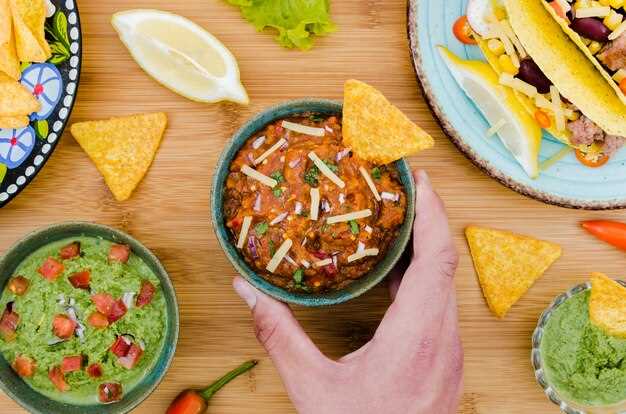
Qizdirilgan quritilgan chili qalampirlari xushbo'y bo'lguncha, so'ngra sarimsoq, piyoz va dolchin bilan birga namlab, souslar, adobolar va salsalar uchun mustahkam asos hosil qiling. Tayyor aralashmalar o'rniga ushbu asosdan foydalanib, ta'mlarni yorqin va asl holida saqlang.
Yangi xushbo'y mahsulotlardan iborat kichik bir idish tayyorlab qo'ying: sarimsoq, piyoz, kashnich va bir chimdim chili kukuni. Yog'larni ochish uchun ziravorlarni quruq tovada 2-3 daqiqa davomida qovuring, so'ngra maydalang. Xalisko oshxonalarida ma'lum bo'lgan bu usul uy sharoitida ham yaxshi natija beradi.
Ancho, guajillo va pasilla chili-sini o'rtacha olovda quruq tovada har bir tomonini 2-3 daqiqa davomida yengil qizartiring, so'ngra 20-30 daqiqa davomida issiq suvga soling. Suvini to'kib tashlang va sarimsoq, piyoz va bir chimdim dolchin bilan aralashtirib, cho'chqa go'shti yoki tovuq uchun mos bo'lgan baxmals qizil sous yarating.
Qovurilgan makkajo'xori donalarini tova ichida qarsildoq bo'lgunga qadar qovurib, so'ngra laym sharbati, ozgina mayonez va kotiha bilan aralashtirib, ko'cha uslubidagi tez tayyorlanadigan garnir hosil qilsangiz, elot va makkajo'xori o'zining yorqinligini namoyon etadi. Bu garnir ko'plab taomlarga mos keladi.
Ichimlik va desertlar uchun hibiskus asosidagi aguani oldindan tayyorlash mumkin: quritilgan hibiskusni suvda 5-7 daqiqa davomida qaynatib, suzib oling va shirin qiling. Sovutib, xizmat qiling; nordon ta'm cho'chqa go'shti yoki shokoladli moledan keladigan boylikni muvozanatlashtiradi.
Nopal, to‘ldirilgan bulg‘or qalampiri va boshqa sabzavotlar vegetarian taomlarni to‘ldiradi. Bulg‘or qalampirini cho‘chqa go‘shti yoki tovuq go‘shti bilan to‘ldiring, yengil tomat sousi bilan yoping va usti tilla ranggacha pishiring. Agar yengilroq ovqatni afzal ko'rsangiz, xuddi shu usul qovoq yoki qo'ziqorinlar bilan ham ishlaydi.
Taʼmini ko‘rish va sozlash uchun vaqt ajrating: tuz, laym yoki sirkadan kislotalilik va kakao yoki to‘q go‘shtni muvozanatlash uchun bir chimdim shakar. Sizning oilangiz qaysi o‘zgartirishlar yaxshiroq ishlashini va qaysi mintaqaviy uslublarni eslashlarini aytib berishadi.
Idishlarni oddiy, ammo mustahkam saqlang: kuchli blender, aralashtirish uchun keng idish va og'ir tov. Ushbu to'plam to'qimalar yoki chuqurlikni yo'qotmasdan mole yoki adoboni qayta yaratishga yordam beradi.
| Qadam | Nima qilish kerak |
|---|---|
| Asos sousi | Chili qalampirlarni qovuring, iviting, keyin sarimsoq, piyoz va dolchin bilan aralashtiring; silliq, ko'p qirrali asos uchun suzing. |
| Protein tayyorlash | Cho'chqa go'shti yoki tovuqni adobo pastasida 20-30 daqiqa davomida marinadlang; qovurib, so'ngra sousda yumshoq bo'lguncha past olovda qaynatib pishiring. |
| Elote uchun topping | Quruq boʻlguncha makkajoʻxori donlarini koʻmirda qovuring, ohak suvi, mayonez va kotiha bilan aralashtiring; ozgina chili kukuni bilan ziravorlang. |
| Hibiskus ichimligi | Hibiskusni 5–7 daqiqa davomida suvda qaynatib, suzib oling, shirin qiling va yog‘li taomlar bilan kontrast uchun sovuting. |
| Sabzavotli variant | Nopal yoki qalampirni ziravorlangan nachinka bilan toʻldiring, ustini tomat sousi bilan yoping va usti tilla rangga kirguncha pishiring. |
| Qoplama va tayyorlash | Ta'mini va kislotalikni sozlang, qisqacha dam bering, keyin ta'mni muvozanatlash uchun yoniga yangi mevalar bilan torting. |