


 اردو
اردو  English (UK)
  Русский
  বাংলা
বাংলা  العربية
  日本語
日本語  한국어
한국어  Magyar
  Norsk nynorsk
  Türkçe
  עִבְרִית
  Español
  Čeština
  Svenska
  Português
  Ελληνικά
  Suomi
Suomi  Nederlands
  Română
  Italiano
  Français
  Polski
  Українська
  Deutsch
  简体中文
简体中文  Slovenčina
  Српски језик
  Azərbaycan dili
  O‘zbekcha
  አማርኛ
አማርኛ 
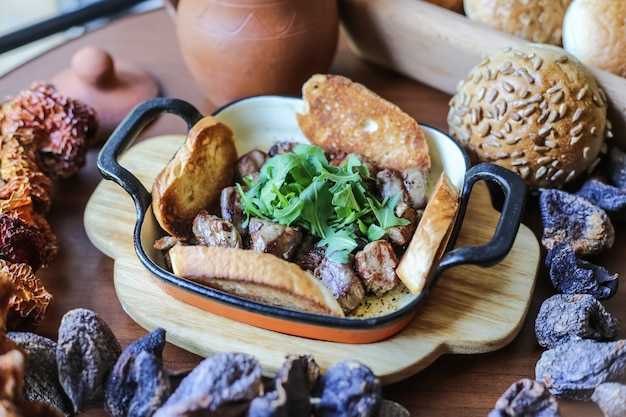
Begin at Dolac Market at dawn, head to a stall serving štrukli straight from the oven, and grab a strong espresso before the sun climbs. The contents of the morning displays reveal the season’s best ingredients and the kitchen’s handmade touches. For accessibility, choose wider aisles if mobility is a consideration, with wheelchair-friendly paths that keep pace with the crowd.
After breakfast, stroll toward the old town with its intimate squares and quiet lanes, where locals share stories about family recipes and pastry corners. The favorite spots lie along a route that blends fresh market goods with simple plates, and located stalls offer an array of tastes with identifiable names. Spend a few minutes listening to locals talk about Dalmatian-influenced soups and smoked fish that pair with a light white wine, and notice how other stalls present different textures from the same ingredients. This route provides a clear map of tasting points that invites exploration.
To the east of the core sights lies a family kitchen famed for štrukli, whether boiled or baked; its recipe preserves a heritage that tastes simple yet مسرت بخش. The filling blends cottage cheese, cream, and nutmeg, served with fresh chives. If time allows, sample a second version to compare texture–one with a crisp top, the other with a softer interior.
For a second course, head to a dairy shop for a slice of cheese and a pastry stall for a sweet bite; these bites help balance the palate as you صرف کریں۔ a few hours wandering between leafy squares and narrow alleys. If you’d rather skip hills, hop a short tram that glides past the river, leaving behind busy streets as you approach a riverside cafe serving Dalmatian coffee and light wine.
End the day in a square where horse-drawn carriages once tied up, now hosting street musicians and a gentle mood. Vendors there offer spices, dried herbs, and glassware–the contents of a modern craft scene that keeps tradition alive while staying accessible to all, including those using a wheelchair. Leave with a small box of štrukli-inspired treats as a favorite reminder of a town that invites slow tasting, simple pleasures, and a memory to savor long after.
What Is Included in the Zagreb Food Tour Experience

Choose the 3-hour intimate outing tailored to your interests; just join a small group of fellow food lovers and explore with experts who bring deep expertise in regional flavors, then return back to the starting point.
Stops weave through markets, bakeries, and family kitchens, highlighting croatias specialties. Tastings include crobites, pršut, cheeses, olives, and seasonal produce, with various textures and lots of flavor.
Lunch is included after the tasting segment, at a thoughtfully chosen local venue. Interaction with cooks and hosts is a core feature, building relationships and offering insights into croatias culinary heritage.
Pricing and options: priced clearly with choices for individuals, couples, and families; experiences offered at different times; private experiences can be arranged.
Generations and children: the pace is tuned for all ages; into activities and adventure that engage kids with hands-on tasting and storytelling; supports family bonding and shared stories.
Facilities and accessibility: restrooms are available near meeting points; the route from the starting point includes short hops and pedestrian-friendly streets; some segments require light walking; the schedule provides breaks for rest and photos.
Must-Try Dishes on the City Culinary Walk
Order creamy strukli at the square stall as the opening bite; this small, vintage dish blends soft dough with cheese and sets a friendly, storytelling tone for the tasting.
Next, sample pašticada, a slow-braised beef with prunes and red wine, served with gnocchi; its rich, different texture is heavier than strukli, yet pairs with a crisp local red wine; the 3-hour route ensures a balanced tasting and room to enjoy the aroma, with some facts about meat preparation and an introduction to regional techniques.
Within zagrebs market lanes, a vintage stall offers aged olive oil and salt-cured fish; some bites start with a small sample and an introduction from the vendor, making the interaction friendly and helping you discover which tastes you prefer.
For accessibility, the wheelchair-friendly path continues toward a castle terrace where you can drink a dalmatian drink and watch the sunset; this element ensures comfort for varied needs and keeps the mood relaxed, matching expected experiences as you enjoy the view.
Finish with rožata, a custard dessert with caramel; available options include a light yogurt-topped variant if you want something less sweet, and this helps you discover balance while ending the tasting.
Seasonal Variations and Best Times to Book
Recommendation: book 4–6 weeks ahead for weekend windows in late spring or early autumn to secure smaller-group slots and better market access.
Across croatias, seasonality shapes what you should taste and where you should head. Spring brings fresh greens and herbs; summer delivers peak fruit, bright peppers, and orange fruits and zest at stalls; autumn harvest adds grapes, figs, and a cozy dessert; winter offers spiced drinks and intimate meals at sheltered venues.
Best Booking Windows
Best windows to reserve are weekdays during shoulder seasons when crowds are thinner and markets stay lively. For a solid feel of history, heritage, and cultural context, pick morning sessions that are accompanied by a local host who can tailor the route to your interests and can speak english. Recommendations include a mix of market strolls, a drink stop, and a standout dessert to keep energy up; if you want flexibility, request a semi-private arrangement with several nearby venues.
Seasonal Flavor Focus
Spring highlights include fresh herbs, young greens, and light bites; summer brings tomatoes, peppers, and citrus with orange notes; autumn showcases grapes, figs, and roasted chestnuts with regional pastries; winter centers on spiced drinks, hearty soups, and cozy tavern meals. To maximize value, head to markets early to meet vendors and see how croatias history is reflected in the stalls. youll discover memories tied to craft, and you should head to where locals gather to taste a drink, a dessert, and talk about heritage and culture.
Walking Route and Landmarks You Will See
Travelers should begin at the central square and proceed north along Ilica toward the market district; the first 1.1 km takes about 12 minutes on foot, revealing cobbles, street musicians, and lots of local energy.
Dolac Market sits at the heart of morning visits; stalls spill fresh produce, aged cheeses, and cured meats; sampling dishes and pairing with wine at nearby catering counters is common; plan 15–25 minutes here depending on crowds; meals appear in quick bites and the atmosphere is lively.
From Dolac, ascend toward Lotrščak Tower; at noon the cannon punctuates the skyline, offering a rich, vintage panorama over red-tiled roofs and green hills. Exploring zagrebs lanes afterward reveals more vantage points.
آگے،, Markov trg houses St. Mark’s Church with its colorful roof; this is a highlight for travelers and visits alike; the surrounding arcades feature multilingual signage in languages such as English, Italian, and German.
Continue along Tkalčićeva Street toward the نیشنل تھیٹر; cafés, pastry shops, and galleries line the way, delivering hedonic vibes with nice spots for meals and coffee breaks.
Practical notes: the route covers roughly 4 km and fits a relaxed 2.5–3 hours; signage is clear and most facades are accessible from outside; for interior tours, بُوکنگ should be made ahead; عطیہ guidelines apply to licensed guides, typically 10–15%. The high reliability of providers is often reflected in reviews.
To finish, choose a personalized tasting with a local caterer; بہت سارے of travelers value plans making the most of croatia’s regional dishes and wines; guides adapt to languages, ensuring clear explanations, and reviews promise high reliability. For bookings, select operators with transparent terms and strong promises.
In zagrebs hidden corners, the day ends with a final wine tasting at a tucked-away cellar, a nice bow to rich meals and a reminder of memorable travels across croatia’s landscapes.
Booking Tips: Discounts, Refunds, and Group Rates
Book at least 14 days in advance through the official desk to lock in strong savings and secure a seat in the zagreb center.
- Discounts for advance reservations: reserve 14–21 days ahead to save 12–18%; many promos appear during shoulder months; check the ratings of partner cafés and the simple itinerary to assess value, providing a clear picture for their their offerings.
- Group rates: for 6–9 participants, 8–12% off; 10–14 participants, 12–15% off; 15+ participants, 18–25% off; request a formal quote because size and date affect the discount; gric stops can be folded in to reduce cost per person.
- Dietary options and special requests: vegan routes are common, with fewer meat-heavy stops; if you have dalmatian-inspired tastings or other preferences, indicate in advance to guarantee substitutions at each café; this is especially helpful for foodies looking for a simple, enjoyable center-based adventure; tooth-friendly desserts are available for those mindful of dental health.
- Availability and timing: slots in the center are available most days, with higher demand on weekends; looking for midweek slots often yields better value; routes are designed to be compact and enjoyable for generations of travelers.
Refunds and policy
- Cancellation window: full refund if canceled 24+ hours before start; 24–48 hours before start yields a 50% refund; under 24 hours, refunds are not typically provided; weather or force majeure may yield exceptions per policy.
- Rescheduling and credits: free reschedule up to 48 hours before; credits may apply toward a future booking, providing flexibility; check expiration dates and usage rules; without penalties in many cases, you can back out gracefully.
- Refund processing: refunds return to the original method within 5–7 business days; keep confirmation IDs for faster processing.
Practical tips for maximizing value
- Ratings speak volumes: read many reviews from generations of travelers to gauge consistency and expertise; their feedback helps you discover the must-try segments and any caveats before committing.
- Size and pacing: choose a group size that fits your plan; fewer participants often means easier customization, while larger groups can unlock additional discounts; discover a balance that suits vegan, dalmatian, or other preferences.
- Extras and ambiance: inquire about vintage cafés and center stops that offer a hedonic, authentic vibe; ask to weave in a short adventure–such as a hill climb near gric or a quiet alley tasting–to enrich the experience.
- Logistics: confirm café availability and seating policy at each stop; request a concise itinerary and contact details to ensure smooth communication; back-up plans reduce stress in case of weather or delays.
Vegetarian, Gluten-Free, and Allergy-Friendly Options
Request a dalmatian vegetarian plate: roasted peppers, eggplant, zucchini, chickpeas, and a soft local cheese; swap bread for polenta or rice to stay gluten-free, and specify no cross-contact in the front-of-house prep.
introduction guidelines for guests with sensitivities were designed to keep everything clear; were the staff guided by clear signals, options can be tailored without sacrificing flavor. The cultural heritage of the coast shines in dishes that are naturally vegetarian or easily adapted, helping families with children enjoy a high-quality experience.
where to look for dependable choices: ask for options that are clearly marked as vegetarian and gluten-free, located on menus with transparent allergen notes. If a dish uses stock, request a vegetable-based version; if sauces are thickened with flour, ask for a gluten-free alternative. Easter menus and seasonal specials often feature lighter vegetable preparations that align with allergen guidelines.
- Vegetarian dishes: mushroom risotto (prepared with stock labeled gluten-free), grilled mixed vegetables with olive oil and herbs, chickpea stews, and fresh cheese plates served with olives and cucumber.
- Gluten-free options: polenta-based sides, rice noodles stir-fried with vegetables, roasted peppers stuffed with rice and herbs, and potato or millet dishes that avoid wheat derivatives.
- Allergy-friendly practices: request separate prep utensils, dedicated pans for gluten-free items, and sauces that are free from dairy, nuts, or soy as needed; confirm with the head chef or guided staff before ordering.
- Family considerations: milder profiles work well for children; offer plain cheeses, cucumbers, and simple greens as a safe starter, then build toward more flavorful dishes if tolerated.
located along the coast, the heritage of dalmatian cooks emphasizes vegetables, olive oil, and cheese; these elements form a reliable backbone for everything from lunch to supper. The high-quality ingredients and straightforward preparation make it easy to craft a meal that respects dietary rules without sacrificing taste. ситуация приносит everything needed for a memorable trip, with languages on the menu and clear explanations from the staff. источник
Tips for Maximizing Flavor: Eating Etiquette and Tasting Techniques
Choose one identifiable dish and spend 30 seconds evaluating aroma, texture, and aftertaste; this baseline helps compare later courses. In zagrebs-style preparations, aromas may lean toward bright herbs and citrus; look for those signature notes as an amazing starting point.
Keep an enthusiastic, respectful approach; english-speaking hosts appreciate concise questions and storytelling about origins. When tasting fish or other delicate items, pause between bites to reset the palate and avoid overwhelming it with too much at once; just a moment can sharpen impressions. Store bags and belongings out of sight to maintain focus at the table.
Spending a moment to observe the look, color, and gloss on the plate helps identify freshness; the источник of flavor often lies in ingredients, technique, and care in cooking. This insight supports generations of foodies who discover nuance across dishes, from bright starters to richer mains, culminating in lasting impressions.
Pairing tips: a glass of wines can elevate the dish; in many cases, a light white or crisp rosé will provide a balanced finish. Easter-leaning herb notes may surprise the palate; discover how small changes in acidity shift the overall rating. For zagrebs and beyond, different tastes appeal to different generations of tasters; later, compare your own favorite notes with others’ insights.
When rating, use a simple framework: assign rating and points for aroma, texture, and finish; use terms like amazing, memorable, or good, and keep notes to provide a clear reference for friends and hosts. An important practice is to record your favorite moments and explain why they stood out, aided by a trusted источник of guidance from the server or sommelier.
Flavor evaluation protocol
Follow this four-step ritual to maximize insight and avoid over-salting. Keep talk concise and storytelling focused on the dish and the technique; this approach helps both beginners and seasoned foodies alike.
Quick tasting table
| قدم | عمل | کیا چیز نوٹ کرنی ہے؟ | Rating cue |
|---|---|---|---|
| 1 | Observe appearance and aroma | color, sheen, aroma alignment with ingredients; note источник of flavor | 1–5 points |
| 2 | Sip, chew, and evaluate texture | mouthfeel, balance, and progression of notes (fish, herbs, citrus) | points for overall impression |
| 3 | Pair with wine or beverage | how acids or sweetness shift perception; check easter-egg notes in aroma | adjusted rating |
| 4 | Reflect and compare | lasting finish; differences across generations of tasters | final favorite |