


 اردو
اردو  English (UK)
  Русский
  বাংলা
বাংলা  العربية
  日本語
日本語  한국어
한국어  Magyar
  Norsk nynorsk
  Türkçe
  עִבְרִית
  Español
  Čeština
  Svenska
  Português
  Ελληνικά
  Suomi
Suomi  Nederlands
  Română
  Italiano
  Français
  Polski
  Українська
  Deutsch
  简体中文
简体中文  Slovenčina
  Српски језик
  Azərbaycan dili
  O‘zbekcha
  አማርኛ
አማርኛ 
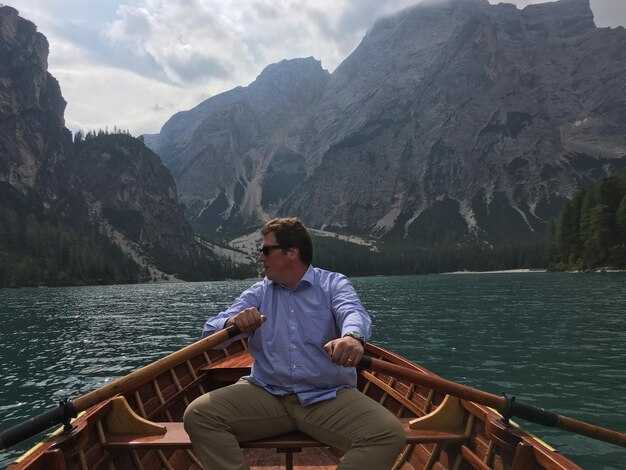
سفارش: مکمل داخلی سفر کے لیے لائسنس یافتہ آپریٹر کو محفوظ کریں۔ یہ رینٹل آپشن پینگوئنز اور دوسرے سمندری پرندوں کو دیکھنے کو زیادہ سے زیادہ کرنے کے لیے ڈیزائن کیا گیا ہے، جبکہ فلک بوس پہاڑی چٹانوں کے اوپر جنگلاتی ماحول میں آرام دہ پناہ فراہم کرتا ہے۔ ایک کمپیکٹ فیری ہموار سواری کو یقینی بناتی ہے اور خلل کو کم سے کم رکھتی ہے۔.
میں بہار, both خاندان اور اکیلے سفر کرنے والے پرسکون سمندر اور صاف روشنی کو سراہتے ہیں، جس سے ساحل کے ساتھ پینگوئن دیکھنا ایک خاص بات ہوگی۔ اپنے قیام کے لیے، پانی پر عکس دیکھنے اور نرم، ابتدائی روشنی میں پانی کی سطح سے اوپر کی چوٹیوں کو دیکھنے کے لیے صبح کے وقت روانگی کو ترجیح دیں۔.
ایک دوستانہ عملے اور ایک جامع حفاظتی بریفنگ پر مشتمل کرایے کا اختیار منتخب کریں۔ یہ جہاز ہے ڈیزائن کیا گیا۔ کم سے کم ویک کو یقینی بناتے ہوئے، آپ کو سمندری غاروں اور سیدھی چٹانوں کے پاس سے گزرتے ہوئے مناظر میں جھکنے کی اجازت دیتا ہے۔ سروس ٹیم سازوسامان، گرم مشروبات اور موسم کی تبدیلی کی صورت میں فوری ساحلی منتقلی میں مدد کرتی ہے، اور آپ کو ڈیک کے اوپر آرام دہ رکھتی ہے۔ آپ ایک محفوظ بنچ پر لیٹ سکتے ہیں اور سمندر کی آواز سن سکتے ہیں جب راستہ کھلتا ہے۔.
جنگلی حیات کا مرکز پینگوئن کالونیوں اور دیگر سمندری پرندوں پر ہے جو محفوظ کھاڑیوں سے نظر آتے ہیں۔ آپ کو ہل سے ٹکراتی لہروں کی آواز سنائی دے سکتی ہے اور آپ دیکھ سکتے ہیں کہ پرندے پانی اور پتھر کے توازن کے ساتھ کیسے اچھلتے اور غوطہ لگاتے ہیں۔ بہترین نظارے وہ ہیں جہاں چٹانیں پانی کے اوپر منڈلاتی ہیں، اور جہاں آپ ایک سیل کو مختصر طور پر پھسلنے سے پہلے دیکھ سکتے ہیں۔.
متبادل کو لچکدار رکھنے کے لیے ایک ایسا راستہ منتخب کریں جو بعد میں ساحل سمندر پر قیام یا سفر کے بعد ہلکی سی سیر کے ساتھ جوڑا جائے۔ عام طور پر صبح کا شیڈول سب سے زیادہ قابلِ اعتماد ہوتا ہے، جس میں کپتان کی جانب سے واضح ہدایات اور گیئر کرایہ پر لینے، موسم کی تازہ ترین صورتحال اور ساحلی مدوجزر کے متعلق غور و فکر کے لیے ایک سیدھی سادی چیک لسٹ ہوتی ہے۔ آپ کے ٹکٹ پر سوار ہونے والی جگہ کے اوپر آپریٹر کا نام درج ہوگا اور اگر حالات کا تقاضا ہو تو عملہ منصوبوں کو ایڈجسٹ کرنے میں مدد کرے گا۔.
سفر کرو تم اگر child یا بطور بالغ، یہ سفری پروگرام دونوں کو مطمئن کرنے کے لئے کافی تنوع پیش کرتا ہے۔ کیمروں اور قیمتی اشیاء کے لئے واٹر پروف بیگ پیک کریں؛ پرسکون پانی اور قدرتی مناظر کے ساتھ mountain اندرونِ آب جو کے پاس سائے یادگار یادیں بن جاتے ہیں جنہیں آپ واپس آنے کے بعد بھی تازہ کریں گے۔ یہ تجربہ آرام، فطرت سے تعلق اور ایک ناقابل فراموش ساحلی سیر کے لیے عملی تجاویز فراہم کرنے کے لیے تیار کیا گیا ہے۔.
ڈاؤٹ فل ساؤنڈ میں پرسکون پانی کے لیے دن کا بہترین وقت
بہترین ونڈو سے آغاز کریں: پو پھٹنے سے صبح سویرے تک، تقریباً 05:30–09:00، تاکہ پانی کی کرسپ ساکن پن برقرار رہے۔ اگر آپ جگہ کو جانتے ہیں، تو آپ سطح پر پورے آسمان کا عکس دیکھیں گے اور ساحل کے ساتھ جنگل ایک واحد، پرسکون تصویر کی طرح نظر آئے گا۔ ایک شیر خوار بچے والے خاندانوں کے لیے، یہ ابتدائی دور زیادہ نرم ہوتا ہے اور آنے والے گھنٹوں کے لیے گروپ کو یکجا ہونے میں مدد کرتا ہے۔.
صبح دیر ، تقریباً 08:00–11:30 ، جب ہوا ہلکی رہے تو غیر معمولی طور پر پرسکون رہ سکتا ہے۔ پانی ساحل اور جنگل کی عکاسی کرتا ہے اور ایسی نظارے پیش کرتا ہے جس میں پرندے سطح کو چھوتے ہیں اور مہریں پناہ گاہوں میں بیٹھی ہوتی ہیں۔ یہ دریچہ پرسکون کروز پر ماہر کے لیے کارآمد ثابت ہوتا ہے، جس سے آپ مکمل طور پر عکس بندی کا تجربہ کر سکتے ہیں اور پانی پر ہونے کا احساس حاصل کر سکتے ہیں۔.
دوپہر، تقریباً 12:00–15:30، اکثر خاموشی رہتی ہے کیونکہ دوپہر کے کھانے کے بعد ہوائیں کم ہو جاتی ہیں۔ لمبے سفروں میں، یہ آرام دہ سیر و تفریح اور ڈیک پر سادہ ناشتے کے لیے مثالی ہے، جہاں ایک بحری جہاز تقریباً خاموش سطحوں پر پھسلتا ہے۔ مناظر واضح رہتے ہیں، اور آپ ساحل کے کنارے پرندوں اور سیل کو دوبارہ دیکھ سکتے ہیں۔.
شام کے اوقات، تقریباً 17:30–19:30، ہوا تھمنے پر ایک بار پھر جمود طاری کر دیتے ہیں؛ غروب آفتاب کے نظاروں کے لیے عکس مضبوط ہو جاتے ہیں۔ مکمل ڈنر سروس پر، پرسکون سطح آپ کو جنگل اور ساحل پر غور کرنے دیتی ہے، اور یہاں تک کہ اسکائی ڈائیونگ کے لمحات کا پیچھا نہ کرنے پر بھی، ماحول پانی پر ایک دوسرے، پُرسکون وقفے کی طرح محسوس ہوتا ہے۔.
نکات: پیشگی گھنٹوں کی پیش گوئی سے باخبر رہیں اور ایک محفوظ جگہ کا انتخاب کریں؛ ایک ماہر عملہ آپ کی ترجیحات کے مطابق شیڈول کو تیار کر سکتا ہے۔ تنوع کے لیے، ساحلی تفریحات جیسے زپ لائننگ کا اضافہ کریں، اور یہ دیکھنے کے لیے کہ کون سا بہترین لگتا ہے، آپ دو سیشنز کا دو بار موازنہ کر سکتے ہیں، یا متعدد پرسکون ونڈوز کو آزمانے کے لیے طویل کروز کی منصوبہ بندی کریں۔ یہ طریقہ برتن کو لچکدار اور کنٹرول کا احساس بلند رکھتا ہے جبکہ آپ ڈیک پر مکمل ڈنر اور اسنیکس سے لطف اندوز ہوتے ہیں۔.
ڈاؤٹفل ساؤنڈ میں پانی پر ایک دن کے لیے کیا پیک کریں
ایک کمپیکٹ، موسم کے لیے تیّار کِٹ سے شروعات کریں جو جہاز پر خشک رہے۔ نیچے دی گئی ایک عملی فہرست زیادہ تر سفری پروگراموں کے لیے موزوں ہے اور ساحل کے قریب کے خوفناک مناظر، دیکھنے کے لمحات اور سرسبز ماحول سے لطف اندوز ہونے میں آپ کی مدد کرتی ہے۔.
لباس اور تہہ بندی
- بنیادی تہہ: میرینو یا مصنوعی، اس کے ساتھ ایک درمیانی تہہ والا اونی لباس؛ اوپر سے واٹر پروف شیل اور ہیڈ ونڈ اور ہلکی بوندا باندی سے بچائے۔ زیلینڈ کے حالات میں، تہوں میں لباس پہننا فائدہ مند ثابت ہوتا ہے۔.
- نشیب گاہ: جلد خشک ہونے والی پتلون اور چھینٹوں سے بچاؤ کے لیے واٹر پروف اوپر سے پہننے والی پتلون۔.
- لوازمات: کنارے والی ٹوپی، ہلکا سکارف، اور ڈیک پر چلنے والی ہواؤں کے لیے موصل دستانے۔.
- جوتے: پھسلنے سے بچنے والے بند جوتے؛ اگر ڈیک گیلا ہو جائے تو اپنے بیگ میں ایک جوڑا اضافی رکھیں۔.
- پیک کرنے والا بارش کا خول آپ کے ڈے پیک میں باہر قدم رکھنے سے پہلے آسانی سے رسائی کے لیے۔.
ذاتی نگہداشت اور آرام
- سن سکرین ایس پی ایف 30+ اور یو وی پروٹیکشن والی لپ بام؛ پٹے والے دھوپ کے چشمے۔.
- پانی کی بوتل یا موتی کے رنگ کا تھرمس، 500–750 ملی لیٹر؛ باقاعدگی سے گھونٹ بھرتے رہیں تاکہ جسم میں پانی کی کمی نہ ہو۔.
- ٹشو، ہینڈ سینیٹائزر، اور ڈیک پر مسٹ اور سپرے کے لیے ایک چھوٹا تولیہ۔.
- اگر ضرورت ہو تو موشن سکنس کے علاج (جنجر چوئز یا کلائی بینڈ)۔.
- ادویات اور ایک کمپیکٹ فرسٹ ایڈ کِٹ؛ اگر پڑوسیوں کے ساتھ سفر کر رہے ہیں تو نام اور خوراک کے ساتھ ایک نوٹ شامل کریں۔.
- محفوظ کیساتھ فون یا کمپیکٹ کیمرا؛ اضافی بیٹری اور میموری کارڈ خشک بیگ میں رکھیں۔.
دیکھنے اور فوٹو گرافی کے لیے گیئر
- جہاز سے دور کے نظاروں اور پہاڑی چوٹیوں کے لیے دوربین؛ انہیں آسانی سے پہنچ میں رکھیں۔.
- آپ کے آلے کے لیے واٹر پروف پاؤچ؛ اگر آپ کے پاس ایک کومپیکٹ سیٹ اپ موجود ہے تو ایک چھوٹا تپائی یا سٹیبلائزر اختیاری ہے۔.
- پورٹیبل چارجر یا پاور بینک؛ اس روٹ پر بہت سے لمحات دیکھنے کے بہترین مواقع فراہم کرتے ہیں۔.
- وہ جگہیں نوٹ کرنے کے لیے نوٹ بک یا کارڈ جنہیں آپ بھولنا نہیں چاہتے؛ جائزوں اور مستقبل کے سفروں کے لیے مددگار۔.
خوراک اور پانی کی فراہمی
- ایسے سنیکس جو سفر کے لیے بہترین ہیں: گری دار میوے، خشک میوہ، کریکر اور چھوٹی بارز؛ اگر آپ کے روٹ میں طویل مسافت شامل ہے تو ہلکے ڈنر کا منصوبہ بنائیں۔.
- مشروبات کے لیے خشک، پھیلنے سے محفوظ کنٹینر؛ موتی رنگ کا تھرمس سرد ہوا میں چائے کو گرم رکھ سکتا ہے۔.
- محدود کیبن سپیس کا احترام کریں – کمپیکٹ حصوں کا انتخاب کریں اور جب ممکن ہو بوتلوں کو دوبارہ استعمال کریں۔.
دستاویزی، حفاظت، اور آداب
- اپنا نام اور ترجیحی رابطہ قریبی رکھیں؛ ان تک پہنچنے کا بہترین طریقہ نوٹ کریں۔.
- ان کے نام اور اپنے گروپ ہمسایہ کی تفصیلات نشستوں کے انتظامات اور ملاقاتوں کے لیے شیئر کریں۔.
- آپریٹر کی طرف سے حفاظتی بریفنگ کا جائزہ لیں؛ سوار ہونے سے پہلے تیاری کے منٹوں کے لئے ایک فوری چیک لسٹ تیار رکھیں۔.
- اگر آپ چاہیں تو ٹپس کے لیے کچھ رقم ساتھ رکھیں؛ ٹپ دینا اختیاری ہے اور سروس کے معیار پر منحصر ہے۔.
اضافی سامان اور تجاویز (Optional extras and tips)
- اگر جگہ ہو تو تصاویر کے لیے تازہ پھول یا خشک لوازمات خوش آئند ہیں؛ چھوٹے تحفے جیسے موتی شاٹس میں دلکشی پیدا کر سکتے ہیں۔.
- جیکٹ لائنر اور ہوا میں اضافی گرمی کے لیے ایک کمپیکٹ ہیٹ پیک۔.
- اپنی پسند کے مطابق انتخاب کرنے کے لیے ساتھی مسافروں کے جائزے پڑھیں؛ امکان ہے کہ اس میں پسندیدہ تہیں، مزیدار کھانے اور سکون کی رفتار شامل ہو۔.
- نام کا انتخاب کریں، پسندیدہ نشست کی جگہ چنیں اور جانے سے پہلے، اپنے ہمسائے سے اس بارے میں بات کریں کہ دیر سے یا جلد دیکھنے کے لیے آپ کے گروپ کو کون سا وقت بہتر لگے گا۔.
تیز رفتار پانی تک رسائی کے لیے اپنے بورڈنگ پوائنٹ کا انتخاب کیسے کریں
اپنی منصوبہ بندی کو سروس ڈاک کے قریب واقع اہم گھاٹ پر لنگر انداز کریں، جہاں پانی تک جانے والا راستہ مختصر اور براہ راست ہو۔ گھاٹ آپ کو تیزی سے ڈیک تک لے جاتا ہے، ایک طویل منتقلی سے گریز کرتے ہوئے اور آپ کو منٹوں میں پانیوں پر ہونے دیتا ہے۔.
Choose weather-smart timing: morning light brings crisp air and clear views of crested rock, waterfalls, and distant coves. If you prefer shade and calmer waters, target an afternoon arrival when the breeze winds down, and look for a sheltered corner where the service crew can brief you. Look for landmark rock shapes, even a crested rock that resembles a horse head, to help you orient yourself.
Isolated coves or busier pontoons: isolated points may require longer strolls, but they often reduce crowding on board, except during peak times; you will likely save time by selecting a point with quick access and clear direction from staff. Tell the team your preferred pickup time so they can pre-brief you for a quick board.
Gear options and combos: most boats support kayaking gear from the same point, and larger vessels may need a wider dock. Check the dock’s product offerings, and if you want a wine-tasting interlude after departure, choose a dock that sits nearer the quay exit; otherwise, stick to one with a direct water path to keep things simple and fast.
Scenery and practicality: the beauty of the coastline, flowers along the shore, and crested ridges create a nice backdrop for photos. A well-chosen boarding point reduces transfer time to about an hour and keeps everything efficient throughout the morning and into the afternoon.
Wildlife You May Spot from the Deck and the Best Viewing Moments
Start your deck watch at first light and stay for about 60 minutes to catch bottlenose dolphins in close, often jumping and leaving rings on glassy water.
From the deck you may spot bottlenose dolphins, New Zealand fur seals on sunlit rocks, and crested penguins perched on distant ledges. In spring, multi-species gatherings can bring rapid action as schools of fish rise and birds respond, with twin bays where water rings widen as waves pass by.
Best viewing moments are dawn with clear visibility and calm water, and late afternoon when the light turns warm and scenery glows along the shoreline. Watch for a famous sequence of a dolphin jumping against the backdrop of crests and the rings of spray, and savor the very contrast between light and shadow on the water.
Dress in تہوں and spend minutes on deck to maximize chances; the craft used by operators is designed for stable viewing and comfortable seating, and here you’ll find optional کیئیکنگ with price varying by vessel. Check the schedule on board for times and routes; nights may offer different wildlife dynamics.
The surrounding māori heritage adds context to the wildlife corridors; guides point to places where boats once landed and tell stories tied to the sea, enriching each view with culture and history.
For photographers and families, it’s very worth planning a longer stay aboard; the full experience unfolds across layers of light, and nights bring different patterns in nocturnal life along the cliffs. Operators run multi-schedule itineraries, and the boat itself is designed to operate smoothly in these sheltered passages.
Photography on the Water: Quick Tips for Doubtful Sound Shots
Start with a firm manual baseline: shutter 1/125s, aperture f/8, ISO 100; shoot RAW and use exposure lock. Recommend back-button focus and continuous AF to track movement, then bracket if spray blows out highlights. Time on deck matters, so set a tight section of your itinerary and be ready for the next click. Double-check exposure and focus before each pass.
Frame the shoreline and forest with a wide lens (14-35mm) to capture both the immediate foreground and distant peaks; look for scenic angles that include water texture and tree silhouettes. Find named peaks and isolated coves to add depth; travel light, keep everything accessible, and consider book a morning window to increase chances of pearl-colored light. You can truly discover magic on the water and plan to book additional slots if you want to repeat viewpoints in a later section.
Motion is your ally on a moving platform: use shutter speeds around 1/60s to convey movement, or 1/200s to freeze spray; a polarizer helps reduce glare on bright water, but test before you lock exposure. If light is soft, raise ISO to 400 while preserving detail; on a tight schedule, take multiple passes along the shoreline and across fog to compare angles–three or more variants often pay off in the end. For extra depth, consider a three-course workflow: capture, quick review, then adjust for the next pass.
Equipment and Approach
Bring two lenses (wide and tele), extra battery, fast memory card, and a set of ND filters (3-stop and 6-stop). A compact tripod is hard on a moving deck, so rely on tight grip and image stabilization; use a dry bag for spray protection. Lie-in wait for the light at sheltered vantage points during fragmented walks along the shoreline; identify isolated spots where the mountain line and forest meet water for standout frames. If you have access to a helicopter transfer, overhead scenes can truly broaden your portfolio. For other tips, stay alert to named features and be ready to discover new angles as hours pass on the water.
| منظر نامہ | Shutter | Aperture | ISO | نوٹس |
|---|---|---|---|---|
| Bright spray with sun | 1/125 | f/8 | 100 | Polarizer; keep horizon level |
| Overcast, soft light | 1/60 | f/5.6 | 200-400 | Increase exposure slightly; check highlights |
| Long exposure for motion | 1-2 | f/11 | 100 | ND needed; tripod on stable section of deck |
Onboard Amenities That Elevate Your Water Day Comfort
Pick a catamaran with a fully sheltered, panoramic lounge and a stable, wide deck to maintain a peaceful feeling as fiordland waters slip by and the deepest fjords reveal themselves.
Two coffee stations keep your caffeine ritual easy; ensure mobility-friendly access with low thresholds, wide aisles, and ramps to a place where you can sit indoors when breeze picks up.
Camera-ready vantage points along raised platforms and the bow deck deliver clear views of the waters; designate a quiet corner for reflection and tap a comment feed for bite-size context; the detailed narration fills you in while you watch the coastline.
Rates are structured in three levels–standard, mid, and fully inclusive; pick the option that matches your days and budget, because this highlight includes meals, gear rental, and photography tips. Operators in zealands markets publish price ranges and offer packages that suit travelers arriving by flight; extending with extra nights can add value for those seeking a deeper experience with fiordland waters, twice during longer itineraries.
Safety Gear and Procedures for a Water Experience
Always wear a certified PFD with a snug fit and a whistle while on deck; this is the sure first step, thats the standard for safety when the vessel moves. Most safety incidents are prevented when gear is secured and kept within sight, away from spray or loose items.
گیئر چیک لسٹ
Personal flotation device: Level 150 N, bright color for visibility, secure buckle, and a way to store it when not worn. Weather layers: windproof shell plus moisture-wicking base layers to maintain comfort as conditions shift along the southern coastline.
Footwear and protection: non-slip deck shoes, sun protection such as a hat and sunglasses, and sunscreen. Valuables: a waterproof bag protects phone, wallet, and camera; store extra batteries and memory cards in a sealed pouch. A camera should have a strap and be kept in a dry case when not in use; taking photos is encouraged, but keep the gear away from the gunwale. realnz guidance helps you stay organized so you can discover scenery and views without scrambling. An option to kayak exists; if you pick this option, follow the guide’s instructions and stay within the designated area. The service team is well prepared to help with any equipment needs; everything you bring should be named and easy to locate.
On-Deck Procedures
Safety briefing occurs before departure–know muster points, life rings, throw lines, and how to signal for help. Strictly keep decks clear and mind leaves, bags, and other items that could trip you; stay away from the rail while the vessel is moving. If an anchor or stop is planned, maintain distance from lines and never stand in line with the stern.
Move with three points of contact; hold handrails and sit when advised to reduce risk during the ride. If you need to swim, do so only in designated zones, with a buddy and a PFD; swim away from the vessel and return to the stern for reboarding. The vessel operates under a strict safety protocol, and the crew will guide you through any changes in plan; likely there will be brief pauses to enjoy land and scenery as you navigate along the coast. Duration of the voyage is typically six to eight hours, so pace your steps, pick viewpoints, and avoid rushing. If dinner service occurs onboard, follow seating rules and keep aisles clear. After a stop or the end of the voyage, share feedback with the operator to help improve service, safety, and the overall experience; your notes can save someone else from trouble. When you have a moment to spare, mind it self and take in the wildflowers along the shore, then shift attention to the impressive views and steady cruise along the coastline, which invites you to discover more about the land and its natural beauty.