


 اردو
اردو  English (UK)
  Русский
  বাংলা
বাংলা  العربية
  日本語
日本語  한국어
한국어  Magyar
  Norsk nynorsk
  Türkçe
  עִבְרִית
  Español
  Čeština
  Svenska
  Português
  Ελληνικά
  Suomi
Suomi  Nederlands
  Română
  Italiano
  Français
  Polski
  Українська
  Deutsch
  简体中文
简体中文  Slovenčina
  Српски језик
  Azərbaycan dili
  O‘zbekcha
  አማርኛ
አማርኛ 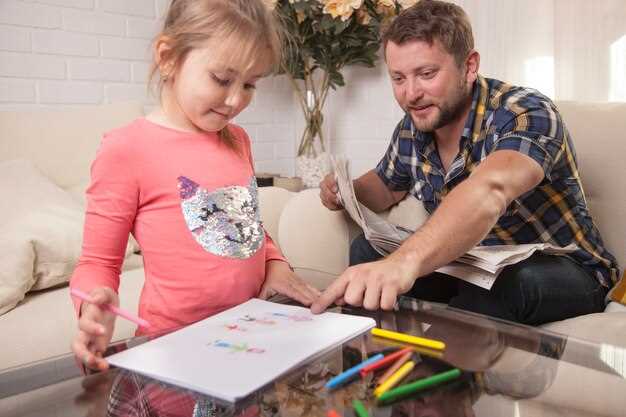 بچوں کے ساتھ کیا کریں - مصروف خاندانوں کے لیے 50 آسان، تفریحی سرگرمیاں">
قریبی کھیل کے میدان میں 60 منٹ کے دورے کے ساتھ آغاز کریں۔ اسکول کے بعد ہفتے کو عملی اور خوشگوار انداز میں ترتیب دینے کے لیے۔ ایک چھوٹی سی بیگ ساتھ لائیں جس میں ایک بوتل، ہلکا کھانا اور قریبی کھیل کے میدانوں کا ایک سادہ نقشہ ہو جسے آپ ایک خاندان کے طور پر ڈھال سکیں۔.
کھیل کے میدان کے بعد، بغیر تھکا دینے والے شیڈول کے سیر کو بڑھانے کے لیے آس پاس کے کسی خوبصورت کیفے یا فوری آرکیڈ گیم کی تلاش کریں۔ ایک آرکیڈ میں ہنسی اور سکّوں کی آواز ایک دل لگی آہنگ کا اضافہ کرتی ہے۔ вони ایک سادہ پیمانے پر دورے کی درجہ بندی کر سکتے ہیں، اس پر تبادلہ خیال کر سکتے ہیں کہ وہ کیا پسند کرتے ہیں، اور اگلے سٹاپ کی منصوبہ بندی کر سکتے ہیں۔.
ایک ڈھیلا ہفتہ وار منصوبہ استعمال کریں جس میں تین آسان مقامات ہوں: ایک پارک، بچوں کے لیے دوستانہ کونوں والا ایک عجائب گھر، اور مجسموں والا واٹر فرنٹ ایریا جو فوری خاکہ یا لاگ بک اندراج کی دعوت دیتا ہے۔ ایک مختصر چیلنج شامل کریں، جیسے کہ ایک دیوار پر تین رنگ تلاش کرنا، تاکہ اسے زندہ رکھا جا سکے۔.
سیاروں کے تھیم والی نمائش یا سائنس سینٹر جہاں نمائش کے لیے سیارے موجود ہوں، کو شامل کر کے معمولات کو سیاروں کی ٹیڑھی چال سے مزید پرلطف بنائیں۔ یہ ایک مختصر اور دلچسپ دورہ ہو گا۔.
ثقافتی تنوع کے لیے، اگر آپ ویانا میں ہیں تو البرٹینا (Albertina) کا ذکر کریں؛ یہ عجائب گھر خاندان کے لیے موزوں پروگرام اور نفیس ہالوں سے گزرنے والے مختصر راستے پیش کرتا ہے۔ اگر بارش ہو جائے تو اندرونی متبادل کا انتخاب کریں جیسے کہ آرٹ کارنر یا مختصر گیلری کی سیر۔ دوسرے شہروں میں، شوائزرگارٹن (Schweizergarten) ایک... lovely بیرونی آپشن جس میں مجسمے ہوں، سایہ دار راستے ہوں، اور رفتار دھیمی ہو۔.
ان مقامات کا ہلکا سا ریکارڈ ایک ننھی فوٹو جرنل میں رکھیں۔ امید ہے کہ آپ کے بچے اگلے باہر جانے کے منتظر ہوں گے، اور یہ کہ ہر ہفتے آپ ایک ساتھ وقت گزارنے کے نئے طریقے دریافت کریں گے۔ انہیں یہ سادہ لمحات یاد رہیں گے، اور یہ منصوبہ آپ کے ساتھ پروان چڑھے گا۔.
ناش مارکٹ میں فیملی فن: مصروف خاندانوں کے لیے 5 عملی سرگرمیاں
ویانا، آسٹریا میں دو گھنٹے کے ناش مارکٹ کے دورے کا منصوبہ بنائیں اور بچوں کو مصروف رکھنے کیلئے 2-3 سرگرمیاں منتخب کریں۔.
1. نَشمَارکٹ میں اسکیوینجر ہنٹ
بچوں کو بچوں کے لیے موزوں فہرست فراہم کریں اور ایک چھوٹی نوٹ بک ساتھ رکھیں: ایک ھاتھی کا کھلونا، ایک زرافے کا کھلونا، پودوں والے اسٹینڈ پر پتے، فوارے کا منظر، اور دروازے یا گیٹ کے نقش والی دکان تلاش کریں۔ وہ راستوں کے درمیان چلتے ہوئے، قریبی فواروں کو نوٹ کرتے ہوئے، اور نوٹس لکھتے رہے۔ انہیں ٹچائل لمحہ شامل کرنے کے لیے ایک کھلونا ڈیمو پر بٹن دبانے دیں۔ جب وہ اسے دیکھیں تو انہیں ہر شے پر نشان لگانا چاہیے، پھر خریدنے اور گھر لے جانے کے لیے ایک شے کا انتخاب کریں۔ انہوں نے جو کچھ پایا اس کی وضاحت کرنے کو کہہ کر شکار میں مکمل طور پر مشغول ہوں۔ آگے بڑھنے سے پہلے ایک فوری ناشتے کے لیے شکار کو کسی ریستوران کے اسٹال کے قریب ختم کریں۔.
2. ذائقہ لیں، درجہ بندی کریں اور خریدیں۔
بچوں کو مختلف اسٹالز سے تین نمونے آزمانے دیں اور مسکراہٹوں یا ستاروں کا استعمال کرتے ہوئے انہیں 1 سے 5 تک درجہ دیں۔ میٹھی چیزیں بے دریغ پکڑنے کے بجائے، وہ بانٹنے کے لیے ایک تازہ پھل چنیں۔ وہ اس بات پر تبادلہ خیال کرتے ہیں کہ انہیں کیا پسند آیا اور کیوں، پھر فیملی بجٹ کے اندر دستیاب بہترین آپشن خریدنے کا فیصلہ کرتے ہیں۔ اخراجات کو ٹریک کرنے کے لیے رسیدیں رکھیں اور ان کی منتخب کردہ چیز کے لیے ایک چھوٹا بیگ رکھیں۔ چکھنے کے بعد، دوبارہ گروپ بنانے کے لیے قریبی کیفے یا ریستوران میں ٹہلیں۔.
3. شہر کے نقشے کا کولیج
بچے نیپکن کے ٹکڑوں، پتوں اور ہاتھیوں اور زرافوں جیسے چھوٹے کھلونوں کے مجسموں کا استعمال کرتے ہوئے ایک فوری شہر کا نقشہ کولیج بنائیں۔ وہ لین ترتیب دیتے ہیں، میٹرو اسٹاپ کو نشان زد کرتے ہیں، اور دروازے یا گیٹ کو ایک نشانی کے طور پر نامزد کرتے ہیں۔ یہ پیچیدہ دستکاری مکانی سوچ اور تخلیقی صلاحیتوں کو بڑھاتی ہے، اور یہ بچوں کو مکمل طور پر مصروف رکھتی ہے جب آپ مارکیٹ کے لے آؤٹ کی وضاحت کرتے ہیں۔ گندگی سے بچنے کے لیے گلو اسٹک اور حفاظتی شیٹ کا استعمال کریں؛ آپ تیار شدہ ٹکڑے کو ایک یادگار کے طور پر رکھ سکتے ہیں۔ ایک واضح نتیجے کے لیے، یہ کسی ریسٹورنٹ کے کونے میں لکڑی کی میز پر یا کسی دکان کے قریب آرٹس بریک کے دوران کریں۔.
4. کھلونوں کے ساتھ کہانی کارڈز
چھوٹے کھلونوں سے ایک چھوٹی کہانی بنائیں : ہاتھی اور زرافے شہر کی دکانوں سے گزرتے ہوئے ایک فیملی فرینڈلی ریسٹورینٹ پر ختم ہوتے ہیں۔ بچے اعداد و شمار کو ترتیب دیتے ہیں اور ایک مختصر کہانی سناتے ہیں، چند اشاروں کا استعمال کرتے ہوئے یہ ظاہر کرتے ہیں کہ وہ میٹرو کے ذریعے ایک دکان سے دوسری دکان تک کیسے جاتے ہیں۔ آپ فرش پر ٹیپ لگا کر راستہ دکھا سکتے ہیں۔ یہ سرگرمی بچوں کے لیے دلچسپ ہے اور انہیں بیانیہ کی مہارتوں کی مشق کرنے میں مدد کرتی ہے۔ والدین ایک کارڈ پر ایک یا دو جملے لکھ سکتے ہیں۔ بچے کارڈ کو بعد میں جائزہ لینے کے لیے ایک چھوٹے سے پاوچ میں رکھتے ہیں۔ سوالات پوچھیں جیسے اگر جانوروں کو راستے میں کوئی گیٹ یا دروازہ مل جائے تو کیا ہوگا؟.
5. کویسٹ خریدیں اور ورسٹل پراٹر بریک
ایک چھوٹا بجٹ مقرر کریں اور بچوں کو نش مارکیٹ اسٹالوں پر خریدنے کے لیے دستیاب بہترین چیز منتخب کرنے دیں – شاید ایک چھوٹا سا کھلونا ہاتھی، ایک لکڑی کا زرافہ، یا مقامی ناشتہ۔ اس بارے میں بات کریں کہ انتخاب کیوں معنی رکھتا ہے، اور انہیں چیز کو محفوظ رکھنے کے لیے ایک مضبوط بیگ میں گھر لے جانے دیں۔ خریدنے کے لمحے کے بعد، قریبی ورسٹل پراٹر کی طرف پیدل چلیں تاکہ گیٹ کے باہر ایک مختصر سواری یا ناشتہ کیا جا سکے۔ ایک مختصر وقفہ دن کا ایک تفریحی اختتام ہے۔ اگر آپ چاہیں تو میٹرو لے کر واپس شہر کے مرکز میں جا سکتے ہیں اور مارکیٹ کو ایک مثبت موڈ کے ساتھ چھوڑ سکتے ہیں۔ یہ طریقہ آسٹریا کے تمام شہروں میں اچھی طرح سے کام کرتا ہے، نہ صرف ویانا میں۔.
اسکیوینجر ہنٹ: 15 مارکیٹ ڈسکوریز کی ایک پرنٹ ایبل فہرست جو بچے ٹریک کر سکتے ہیں
1۔ استقبالی محراب اور خوش آمدید نمائشی اشیاء آمد کا علاقہ خاندانوں کو ایک بہت بڑے، رنگین محراب اور واضح اشاروں سے خوش آمدید کہتا ہے جو چند نمائشوں کی طرف اشارہ کرتے ہیں۔ مارکیٹ میں گھومنے سے پہلے سمت کا احساس قائم کرنے کے لیے یہاں سے شروع کریں۔.
2. پرانی لینیں اور ایک چھوٹا سا بچوں کا میوزیم کونہ پرانی اینٹوں والی گلیوں کے پیچھے چلیں ایک چھوٹے سے بچوں کے عجائب گھر کے کونے تک جو عملی سرگرمیاں اور مختصر ڈیمو پیش کرتا ہے، جو متجسس بچوں کے لیے دلکشی پیدا کرتا ہے۔.
3. چھاپنے کے قابل نقشے میں علاقے اور حصے شامل ہیں۔ ایک سادہ، چھپنے والا نقشہ جس میں علاقے اور کچھ سیکشن شامل ہیں جن میں نشانات لگے ہوئے ہیں کہ کیا تلاش کرنا ہے، جو بچوں کو تلاش کے دوران توجہ مرکوز رکھنے میں مدد کرتا ہے۔.
4. مستند نمائشوں کے ساتھ آسٹرین اسٹال ایک آسٹرین سٹال مستند نمائشوں کا اضافہ کرتا ہے، جس میں علاقائی دلکشی دکھانے کے لیے نمونے کے کھانے اور دستکاریاں شامل ہیں۔.
5. جانور اور قدرتی کونے۔ ایسی چھوٹی جانوروں کی نمائش یا قدرتی گوشے تلاش کریں جہاں علامات، مسکن گاہوں کو بیان کرتی ہوں، جو زندہ چیزوں کے مشاہدے اور احترام کی حوصلہ افزائی کریں۔.
6. انٹرایکٹو فائنڈرز سٹیشن تلاش کرنے والوں کے اسٹیشن پر، بچے ٹچ اسکرین پر آئٹمز کو ٹیپ کرتے ہیں یا ہاتھ سے ایک کارڈ چیک کرتے ہیں، پھر دکانوں پر جانا ایک کام کی بجائے ایک کھیل کی طرح لگتا ہے۔.
7. دیکھی گئی اشیاء اور فعال سیکھنے کا احساس ہر وہ چیز جو آپ دیکھتے ہیں وہ آپ کی فہرست میں شامل ہو جاتی ہے۔ جیسے جیسے آپ دیکھی ہوئی دریافتوں کو نشان زد کرتے ہیں اور سوچنا سیکھتے ہیں، آپ کو کامیابی کا احساس بڑھتا جائے گا۔ مانند سائنسدان شکار کے دوران۔.
8. پوری مارکیٹ میں گھومنے سے پہلے دُور جانے سے پہلے، اپنی فہرست کا جائزہ لیں؛ ایک فوری جانچ پڑتال پورے تجربے کو ہموار بناتی ہے اور بچوں کے لیے مہم جوئی کو فعال رکھتی ہے۔.
نشانوں کے قریب اشارے ہیں۔ سٹال کے نشانات کے ساتھ چھوٹے اشارے بچوں کو رنگوں، شکلوں اور نمونوں کا موازنہ کرنے کی ترغیب دیتے ہیں، ہر دورے سے پہلے مشاہدے کو تیز کرتے ہیں۔.
10. تجرباتی تخلیق کے لیے جگہیں مخصوص علاقوں میں، بچے محفوظ قدرتی مواد کا استعمال کرتے ہوئے چھوٹے دستکاری بنا سکتے ہیں، اور آپ لاگ کے لیے بنائی گئی چیز کو ریکارڈ کر سکتے ہیں۔ حفاظت کے لیے سرگرمی کی مکمل نگرانی کی جاتی ہے۔.
11. بڑی کھڑکیوں والی عمارتیں، ایک جھلک کے لیے عظیم الشان عمارتوں کو دیکھیں اور اندرونی سرگرمی دیکھنے کے لیے کھڑکیوں میں جھانکیں؛ یہ مناظر مارکیٹ کی متحرک زندگی کے احساس کو تقویت بخشتے ہیں۔.
12. دیکھی گئی اشیاء اور فوری شمار ہر علاقے کے لیے، آپ نے جو کچھ دیکھا ہے اسے نوٹ کریں اور اپنی فہرست پر شمار جمع کریں، پھر اپنے بارے میں اور مارکیٹ کے بارے میں مزید جاننے کے لیے بہن بھائیوں کے ساتھ نوٹس کا موازنہ کریں۔.
۱۳. سیکشن کے نشانات ایک انٹرایکٹو راستے کی رہنمائی کرتے ہیں ہاتھ سے بنے سیکشن کے نشان راستے کی نشاندہی کرتے ہیں اور ایک متعامل چہل قدمی کی دعوت دیتے ہیں۔ چھوٹی چھوٹی علامتوں کا دلکش ہونا راستے کا پتہ لگانا فطری محسوس کراتا ہے۔.
14. جانوروں کے آثار اور سٹالوں پر قدرتی اشارے بعض اسٹالوں نے علامات پر جانوروں کے شبیہیں استعمال کیے ہیں۔ ان پر عمل کریں تاکہ مشاہدات کو حقیقی زندگی کے جانوروں کے خیالات اور قدرتی مواد سے جوڑا جا سکے۔.
15. highly satisfying printable checklist to finish Use the highly accessible, fully printable checklist to finish all 15 discoveries; this leaves kids with a sense of achievement and a finished, whole experience.
Taste Pass: plan affordable samples and kid-friendly bites
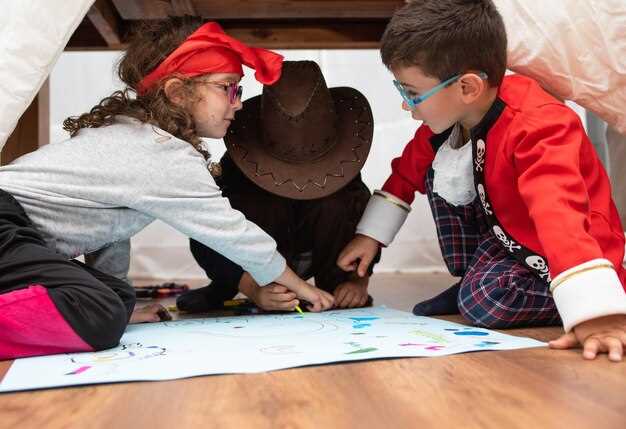
Grab a Taste Pass and map a kid-friendly route with bite-sized treats under five euros each. Start at the prater, then hop to nearby museums with kid-friendly exhibitions and quick sampling spots.
Choose a travel-friendly theme and pair bites with small cultural pauses. Visit world-class museums or exhibitions, then catch short films at cinemas that welcome families. Plan entry windows to avoid lines and keep little hands moving between stations.
Bite ideas that travel well: greek yogurt cups with honey, chocolate-dipped fruit, pita with hummus, cheese squares, and fruit skewers. These options satisfy little appetites and travel-friendly budgets, and they’re easy for everyone to share.
Budget tips: most bites cost 2-5 euros. Use grab-and-go counters and machines that offer small samples. With careful planning, you can spend a family Saturday without overspending.
Map the route with finders: a simple sheet that marks entry points, kiosks, and sample sizes. It keeps everyone on track and makes it easy to switch if a stall runs out of a favorite snack.
Sunday pacing helps many families: start early, take short breaks, and let the little ones steer the pace. When the moment comes, you’ll finish with happy kids and coffee-sipping grownups.
End the day near an aquarium and giraffes viewing area. If you’re in a city with alte squares, stroll past a fountain, then grab a final chocolate bite. A short travel between venues ties the theme together and leaves everyone smiling about the world-class experiences behind you.
Keep a napkin in your hand for messy bites and pack a small bag with essentials to ease transitions between venues.
Photo Diary: a 10-minute camera walk to capture colors, smells, and textures
Take a 10-minute photo diary walk now: grab a camera or smartphone and spend the time at an active pace to capture colors, smells, and textures. If you can, set a booking for an early slot to enjoy soft light and fewer crowds. Set a simple goal: 8 to 12 frames, including 2 wide shots and 6 close-ups of detail.
Look for color bursts and scent hints in everyday spaces–porch pots, market stalls, a storefront with a bright awning. Most frames shine when you mix scale with detail: a mural paired with a leaf, a stair rail with texture, bladder-like seed pods on a plant for a playful clue. Include a tiny shark sticker or toy in one shot for a spark of fun. The story lies in the contrasts and textures you capture.
During the walk, press the shutter with intention rather than a flurry. Let kids call out what they notice and assign them small roles–color scout, texture spotter, or scent detective. Walked together, you’ll keep the mood light and curious, and the traditional pace helps everyone enjoy the moment. If you want, you can reference a quick, virtual gallery later to compare what you captured.
Afterward, curate a collection of your best images: 6–8 photos with one-sentence captions. Save them in a shared link or a dedicated folder so family members can browse later. This needn’t be formal–include links to a few favorites and, if you spent time planning, consider a simple booking note for future outings. The stephens family uses this approach on trips to a kindermuseum or parks, including a dedicated section for notes on scents and textures. A nod to technisches education methods used by museums keeps the activity grounded in learning while staying playful.
Market Math: practice estimating prices, adding totals, and making change
Begin with a quick estimate for each item before adding totals, then show the final sum by hand. This exciting start builds quick value intuition and speeds up checkout.
Set up a small market with six clear items: bottles ($1.25), amber bead ($0.75), single chocolate ($1.10), elephants figurine ($4.00), sharks toy ($3.50), climbing rope ($2.00). Kids guess each price and then calculate the adding totals for a pretend basket. Example total: 1.25 + 0.75 + 1.10 + 4.00 + 3.50 + 2.00 = 12.60. Compare estimates to the exact sum to measure accuracy and celebrate progress.
Practice making change by a simple purchase: a shopper pays with a $20 bill for a 12.60 total. The correct change is 7.40. Have kids demonstrate the subtraction on paper, then count coins aloud with you to reinforce counting by 0.10 and 0.25 increments. This hand-on step reinforces impossible precision through repetition, though keep it light and fun to avoid frustration.
Turn it into an outing at local places like museums, belvedere, or donaupark with friendly facilities for families. In a 3-day trainingspark format, rotate roles: one child lists items, another estimates, a third handles sums and change. Use offers to introduce discounts: “15% off the sharks toy” or “buy one, get a second at half price,” which adds دلچسپ variety and teaches percentage math alongside addition and subtraction.
Keep the activity incredible by introducing new items after a quick field trip to a kindermuseum or a quick walk past the عجائب گھر اور donaupark exhibits. Add real-world touches: tall towering price tags, multiple currencies for years of shopping experiences, and a final receipt that shows many line items. Children will notice how ہاتھ-written totals and شوز of numbers evolve into confident money skills while making shopping feel like an adventure rather than a chore.
Post-Visit Craft: turn wrappers, receipts, and photos into a keepsake collage
Start with a wide poster board and a roll of kraft paper; gather the wrappers, receipts, and printed photos from the day, plus a few small film prints. This centrepiece gives you a beautiful keepsake that you can view for years to come, and it doubles as a quick history of your outing.
- Materials and prep: lay out a clean workspace, then gather a pair of scissors, white glue or Mod Podge, a craft knife, double‑sided tape, and a ruler. Choose a colour palette that lets the items stand out, then run a light pencil line as your starting point on the board. This keeps the layout tight and the visuals down to a pretty, cohesive plan.
- Layout plan: start with a grid or a loose map that runs across the centre of the board. Place photos first to anchor the design, then tuck wrappers and receipts around them. Use the word “history” as a guide: group items by place, event, or feel, so the display tells a little story of the day rather than a random jumble.
- Item prep: trim excess borders on photos so they fit neatly; flatten crinkled wrappers if needed; cut receipts to fit edges without losing important details. When you’re ready, move pieces around a few times to find the best balance, keeping the big elements toward the middle and smaller accents toward the edges.
- Attachment technique: apply glue in small dots or strips to avoid warping paper. Press wrappers down gently to avoid tearing, and secure photos with a light set of tape strips behind each corner. If you have several layers, a thin coat of Mod Podge on top can “seal” without creating a glare on photos.
- Finishing touches: create a simple caption card for each cluster–note the place, date, or a one‑line memory. A short label like “ferry ride,” “exhibits,” or “best snack” helps guests understand the exhibits at a glance. Add a decorative border with a line of washi tape to frame the centre piece beautifully.
- Display and upkeep: mount the collage at the centre of a wall near the door so it’s easy to add new layers after future events. If you want to preserve it, place the completed board behind glass or frame it; the surface will stay flat and the items won’t shift with the weather.
Bonus ideas: incorporate ticket stubs and small maps to extend the timeline, add a tiny “what gave us joy” note for each cluster, or keep a separate mini‑book with later reflections to complement the collage. This approach turns everyday scraps into an appealing, easy‑to‑update keepsake that a family can enjoy for years–and it helps kids connect what they saw with the stories behind them.