


 اردو
اردو  English (UK)
  Русский
  বাংলা
বাংলা  العربية
  日本語
日本語  한국어
한국어  Magyar
  Norsk nynorsk
  Türkçe
  עִבְרִית
  Español
  Čeština
  Svenska
  Português
  Ελληνικά
  Suomi
Suomi  Nederlands
  Română
  Italiano
  Français
  Polski
  Українська
  Deutsch
  简体中文
简体中文  Slovenčina
  Српски језик
  Azərbaycan dili
  O‘zbekcha
  አማርኛ
አማርኛ 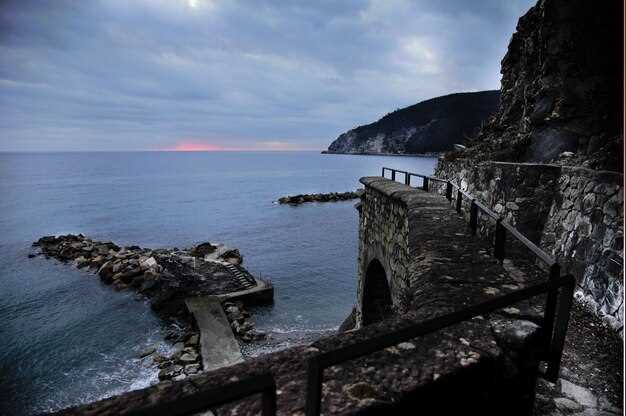 پورٹو میں 10 بہترین انسٹاگرام سپاٹس - ایک لازمی فوٹو گائیڈ">

Visit Ribeira at golden hour for your first shot–it’s the مثالی way to capture water, ، دی پس منظر, and the city skyline in one frame. ایڈریس: Cais da Ribeira, Porto; district: Ribeira. The view invites a quick pose along the quay, with the Dom Luís I Bridge arching above and the boats adding life. If you missed sunrise, the afternoon light still works for rich colors on the water.
Next, walk to the Clérigos district and frame the iconic churches against a clear sky. The پیچیدہ tower silhouette sits over a bright backdrop. On the calçada, a quick side angle reveals tiled walls, مثالی for a steady pose and background depth. From there, continue toward the riverbank where the vila Nova de Gaia hillside adds a second city glow to your frame. This spot has been a favorite for years.
In Centro Histórico, Livraria Lello captivates with its crimson staircase and intricate woodwork. The space is معلوم to book lovers, offering a پس منظر that works best for a deliberate pose on the landing. If the interior is crowded, you can photograph the exterior lamps and the red staircase from the doorway. ایڈریس: nearby Rua das Flores area for exterior shots. Local tips from manuel, a local photographer, help with timing.
Near São Bento Station, the azulejos tell Porto’s story in blue-and-white tiles. The station sits in the Baixa district, and the train lines provide a natural motion element. Shoot on the platform edge or from the concourse for a clean, classic look. If the crowds build, switch to the side hallway where the light slides across the tiles.
Parque da Cidade offers a wide, green backdrop with water glimpses along the paths. The parque area provides long perspective lines for a broad shot and a view of the sea in the distance. Best to arrive in late afternoon when light softens and reflections play off the water. In the course of your shoot, keep scanning for new angles to avoid a missed frame.
Finish at Foz do Douro or Matosinhos Beach, where the sea meets the coast and elevated promenades present dramatic frames. The background features the water and the city’s silhouette, and a casual pose works well on the overlook. Look for a low sun to highlight the trees and tram lines along the water, then capture a quick, natural shot with the breeze in your hair.
Practical, shoot-ready plan for Porto’s top viewpoints and esplanadas
Begin at Miradouro da Vitória before dawn to lock in the azulejo-covered waterfront as the background; capture the morro in the distance and the boats gliding on the Douro, then snap a few photo sequences that are photographed to tell a cohesive scene of the two cities left and right, and visit a few photo spots along the water. Use long shadows to add texture to the tiles and the surface.
Descend toward the Ribeira, ride the historic tram along the river, and settle at an esplanada where restaurants offer warm light on the water. On domingos, the area fills with locals and visitors, so frame people at tables and the river reflections for pictures that feel truly alive, plus capture the lives of street musicians and shopkeepers. If you cross paths with harry, a local photographer, he can point you to the best angles for the bookstore facade.
Take the train to São Bento to photograph the station’s iconic azulejo-covered walls; from there, walk to the nearby bookstore facade and capture a quiet contrast between old tiles and modern glass to tell a concise story of Porto’s literature scene.
Climb to terreiro viewpoints such as Jardim do Morro or São Pedro de Alcântara for a wide panorama that shows the city across the river. When the sun dips, maybe stay a few minutes longer to let the lamps glow; the background becomes extremely fascinating as the bridge lights shimmer on the water and the silhouettes of restaurants and houses lend atmosphere to your pictures.
9 Esplanada do Telefónico: access, best angles, and timing to avoid crowds
Go at dawn to capture the terrace with soft light and fewer people. The exact route starts from the riverfront: descend down the short set of stone steps (pedras) into the alley behind the terrace, then climb a small stair to the railing. This path would give you space to shoot scenes without the crowd and frame the river and city with clarity.
- رسائی: Reach via subway to the riverside exit and follow pedestrian signs toward the Esplanada. Take the alley behind the terrace by the stone steps (pedras) for a quick, crowd-free entry. When you arrive, you’ll be able to position yourself without bumping elbows with other visitors.
- Best angles: Stand at the railing for a shot that includes the Douro, the historic cityscape, and the Dom Luís I Bridge in the distance; move along the terrace to capture the colorful façades and the azulejos on the walls; for ceiling detail, tilt up to the arcade pattern and its decorative ceiling. Some frames have been photographed and taken many times, but a low angle adds depth and a fresh perspective.
- Timing to avoid crowds: On domingos the terrace tends to fill with locals and photographers. The best time is the quiet early hours or blue hour; when the sun climbs higher, groups move through and you’ll want to wait for a lull. Though busy, the late afternoon sun can give warm tones without the worst crowds. When you plan, consider your schedule with a quick detour to Miramar for a dream coastal shot afterward.
Practical notes: bring a compact lens, a microfiber cloth for dust, and a light jacket for the wind off the river. A friendly lady nearby can share a quick tip, and manuel, the local attendant, would point you toward the best edge view. After the shoot, plan a walk to nearby bookstores for a map of portos or a plan for the day. If you photograph them, you’ll have taken moments that reveal the terrace’s historic feel and the azulejos ceiling in a single frame. Watch for wind gusts (ventosas) and dust that can blur a shot; wipe the lens between takes to keep images sharp. The música coming from street corners adds atmosphere, so time your shot between performances to avoid clutter in the frame. This route gives you the exact setup to recreate a dream shot without regret, and it links nicely with a Lisbon-influenced sense of scale and color.
Douro River panoramas and Ribeira lanes: optimal sequence, lighting, and vantage points
Begin with a dawn walk along the Ribeira lanes to catch the Douro River glow on pastel façades and the espaco between houses. Outdoor shots here reveal heritage and almas of old lives tucked into narrow stairs and tiled walls. From this start, move to the riverfront for photos that include the palacio silhouette across the water and the boats bobbing in the current.
Optimal sequence: cross to Gaia via the upper deck of Dom Luís I Bridge, then climb Jardim do Morro for a wide Douro panorama that lines the water with light. Next, visit Serra do Pilar for an expansive view where the city unfolds along the river. garrett’s notes emphasize that this combo keeps urban texture united with open-water drama, giving you different looks without retracing steps.
Lighting tips: aim for early morning golden tones when the tiles glow warm, switch to blue hour on the water for reflective photos, and use side light to carve textures along the Ribeira doors. At sunset the river turns glassy and the palacio outlines become crisp. Stop at key moments to avoid overexposure and to capture signs of heritage on the walls, looks that absolutely tell a story.
Vantage points and practical plan: start at Rua da Ribeira and the quay for immediate close-ups of lanes that lead to the water. Then head to the Dom Luís I Bridge upper deck for a sweeping river view. On the Gaia side, ascend Jardim do Morro for a broad look; then go to Serra do Pilar for a fortress backdrop. For intimate compositions, return to the Ribeira lanes and shoot from alleys that frame the river and the nearby place. Some spots are busy, others are quiet; be mindful of someone’s privacy and avoid blocking doorways.
Photography gear and etiquette: carry light gear for outdoor sessions; a 24–70mm lens covers most needs. Use a tripod only where signs allow; cannot in narrow pedestrian lanes. Absolutely keep voices low to respect residents and the heritage surrounding you. If you’re planning a book or trip, this route offers a reliable sequence to capture impressive, varied looks and a sense of Porto’s significance–a place that has inspired artists and travelers alike since almas first wandered these streets.
Iconic architecture shots: Clérigos Tower, Livraria Lello, São Bento Station–angles and backgrounds
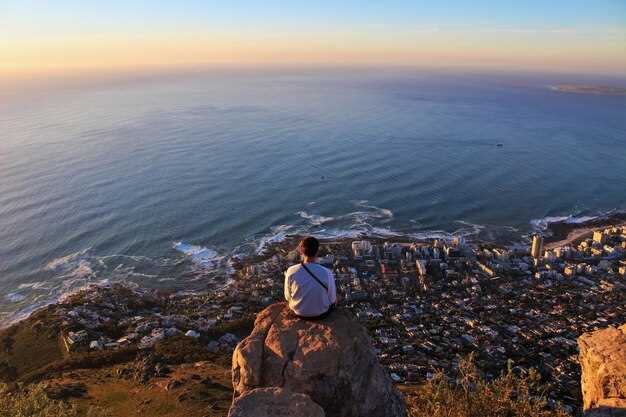
Recommendation: Enter the Clérigos complex before the crowds, ascend to the miradouro and shoot from the viewpoint above the square. The slender tower anchors the frame against azulejo-covered façades and terrace-roofed houses that spill down the hill. Use the front of the church as your anchor, then tilt to include the surrounding district streets. Keep an eye on the light; though Janeiro mornings yield crisp shadows, the result is gorgeous. We recommend starting early to mind the quiet and to avoid people in your frame.
Livraria Lello: Enter through the main door and step into the hall to meet the famed red staircase. From the ground level, frame the spiral as it rises toward the ceiling, then switch to the balcony for a long shot along the railing that captures arches and carved wood. The ceiling lights glow through the skylight, really dramatic against the ornate surroundings. Some kitties lounge by the entrance, adding a playful touch to the place. If you walk along ildefonso street, you’ll catch the shop with the warm janeiro light; though crowded, a patient shot yields a wonderful frame.
São Bento Station: Enter the station and walk into the long hall lined with azulejo-covered panels that tell Porto’s stories. Shoot toward the arched ceiling to emphasize depth; the blue tiles form a continuous forest of patterns, while white columns keep the rhythm. Mind the people and the trains; a low angle from the platform end yields strong lines and a front view of tile scenes. After the station, stroll to the square in the district to catch the river and a rabelo boat, or head to a nearby restaurant terrace for a break and another angle. If you time it for janeiro light, the setting feels still and timeless.
رنگ اور بناوٹ کی تلاش: ایزولیخوس، سیڑھیاں، اور رنگین ساخت کے لیے نرم رنگین اگواڑ
ریبیرا اور ساؤ بینٹو سٹیشن کے ارد گرد فیروزی ٹائلوں کو نیلے گھنٹے میں دیکھیں تاکہ ایک واقعی پیچیدہ منظر ملے۔ یہاں ٹائلیں کوبالٹ سے کریم میں بدل جاتی ہیں، جو پرتگال کے فن کی روح کو تراشتی ہیں جسے آپ سچ مچ محسوس کر سکتے ہیں۔ اس ساخت کا ایک ٹکڑا لیں، اور مربع، لائن پر مبنی پیٹرن کو اپنی شاٹ کی رہنمائی کرنے دیں تاکہ آپ ایک ایسی یادداشت کے ساتھ واپس آئیں جو واقعی ایک تصویر سے بڑھ کر ہو۔.
گراسا کے قریب ڈھلوان گلیوں پر قدم رکھیں، جہاں دیر سے آنے والی دوپہر کی دھوپ میں رنگین عمارتوں کے اگلے حصے چمکتے ہیں۔ سیڑھیاں آپ کو دلکش زاویے اور قدرتی لکیریں دیتی ہیں جو نظروں کو اوپر کی جانب کھینچتی ہیں، اور ایک منظر کو کثیر سطحی فریم میں بدل دیتی ہیں۔ اس طرح کے نقش و نگار رنگوں کا ایک جیتا جاگتا ذخیرہ محسوس ہوتے ہیں، اور یہ منظر آپ کو نچلے کونوں سے یا سیدھا شاٹ لینے میں مدد کرتا ہے۔.
بارش سے دھلی ٹائلیں کرسٹل کے عکس اٹھاتی ہیں، اور اسٹریٹ لیمپوں سے آنے والی صحارا جیسی گرم روشنی کوبالٹ کے دھبوں سے متضاد ہے۔ زرد، سبز اور مرجانی رنگوں کو ملا کر ایک ایسا دلکش رنگ بنائیں جو لزبن میں پورتو کا احساس دلائے۔ یہ تاثر مربع فریم میں انتہائی عمدہ نظر آتا ہے، اور اس طرح رنگوں کا امتزاج ایک ایسے منظر کا حصہ ہے جو واقعی منفرد ہے۔.
اپنی فیڈ میں ادبی رنگ بھرنے کے لیے قریبی بک اسٹور پر جائیں؛ Livraria Lello کا اگواڑا ایزولیجوس کے ساتھ مل کر ایک بالکل مختلف وائب پیدا کرتا ہے۔ یہ جوڑا آپ کو ایک کونے کے مربع میں جواہرات حاصل کرنے میں مدد کرتا ہے، جو کہ آرائشی ٹائل ورک اور بوسیدہ گراؤٹ کی قریبی تصویر لینے کے لیے ایک بہترین جگہ ہے۔.
ایسا کیمرہ موڈ منتخب کریں جو ٹیکسچر کو برقرار رکھے: شیڈوز کے لیے مینوئل ایکسپوژر، یا نرم آسمان کے لیے بریکٹنگ۔ ایک تنگ گلی میں خرگوش کے کان کی طرح کا منظر ایک انتہائی چست کمپوزیشن دیتا ہے جو لائن اور پیٹرن کو نمایاں کرتا ہے۔ اگر آپ کے پاس وقت ہے تو، پانی پر گرم عکس دیکھنے کے لیے غروب آفتاب کے بعد گایا وائنریز کا دورہ کریں؛ کرسٹل ٹائلوں اور سرخ شراب بیرل کے درمیان تضاد آپ کی فیڈ میں شامل کرنے کے لیے ایک مختلف، سچ میں یادگار چیز پیدا کرتا ہے۔.
سامان، ترتیبات، اور ایک مختصر شاٹ لسٹ: 10 مقامات کے لیے دن بھر کی چیک لسٹ
ایک ہلکا کِٹ پیک کریں: ایک 24-70mm لینس، تنگ گلیوں کے لیے ایک 16-35mm، ایک چھوٹا کیبل ریلیز، اضافی بیٹری، اور فاسٹ میموری کارڈز۔ مستقل فریموں کے لیے ایک کمپیکٹ تپائی اور بیرونی سطحوں پر پانی کی چمک کو کم کرنے کے لیے ایک پولرائزر شامل کریں۔ Porto میں روشنی تیزی سے تبدیل ہوتی ہے، اس لیے ایک منصوبہ اور آپ کے بیگ میں کچھ بیک اپ آپشنز رکھیں۔.
نقل و حمل زیادہ تر پیدل ہوگا، دریا کے قریب ٹرام کے ذریعے مختصر وقفوں کے ساتھ۔ ریبیرا سے شروع کریں اور دن کو ہموار رکھنے کے لیے گھڑی کی سمت حرکت کریں، اور غروب آفتاب کے وقت فوز ڈو ڈورو پر ختم کریں۔ مقامی لوگ آپ کو زاویوں کے بارے میں تجاویز دے سکتے ہیں، اس لیے سنیں اور موافقت کریں۔ کام میں لگے رہنے اور عمارت کے اگلے حصوں، دیواروں اور سیڑھیوں کی تفصیلات غائب ہونے سے بچنے کے لیے ایک مختصر شاٹ لسٹ کو آسان رکھیں۔.
ہر جگہ کو 2-3 فریم کے طریقے سے حاصل کرنے کے لیے کمپیکٹ شاٹ لسٹ استعمال کریں: وسیع جائزہ، درمیانی رینج کمپوزیشن، اور ایک تنگ تفصیل جو ساخت یا رنگ کو نمایاں کرے۔ عام طور پر آپ RAW میں شوٹ کریں گے، جب روشنی ہائی کنٹراسٹ ہو تو بریکٹ کریں گے، اور گلی کی سطح پر ISO کو کم رکھیں گے تاکہ دیواروں اور ٹائلوں میں ساخت کو محفوظ رکھا جا سکے۔.
| سپاٹ | بہترین وقت | گیئر | ترتیبات (تقریباً) | زاویہ / ساخت | نوٹس |
| ریبیرا کے چہرے اور ڈورو کے کنارے گلی کوچوں کے رنگ | سنہری گھنٹہ؛ دیر سہ پہر | 16-35mm، 24-70mm، پولرائزر، ریموٹ | آئی ایس او 100، f/8، 1/125؛ عکس بندی کے لیے: 1/60 | کشتیوں کو شامل کرنے کے لیے دیوار کی نچلی سطح؛ دور پہاڑی کی طرف ترچھی لکیریں۔ | زندگی کے لیے متحرک پیدل چلنے والوں کو پکڑنے کے لیے گھاٹ کے ساتھ چلیں۔ ایک مسکراہٹ پیمانے کی تشکیل کر سکتی ہے۔ |
| پُلِ دُم لوئیسِ اول (دِهانه بالایی) روی رودخانه | نیلی گھڑی یا غروبِ آفتاب | 24-70mm، 70-200mm اگر دستیاب ہو، ٹرائی پاڈ | ISO 100, f/11, 1/200; 3 شارٹس بریکٹ کریں۔ | پل کے محراب کو رہنما لکیر کے طور پر استعمال کریں۔ دریائے کنارے کی ریلنگ سے شوٹ کریں۔ | عمودی اور افقی کراپس آزمائیں؛ ڈیک پر لینس کو ہوا سے بچائیں۔ |
| کلریگوس ٹاور اور سکوائر | دوپہر سے پہلے | 24-70mm، چھوٹا تپائی کم زاویوں کے لیے | ISO 200، f/8، 1/125 | لوگوں کو پیش منظر میں رکھتے ہوئے ٹاور کو مرکز میں لائیں؛ اگواڑے کی لکیروں کو فریم کریں۔ | صدیوں پرانی دیواریں ساخت کا اضافہ کرتی ہیں۔ پیمانہ دکھانے کے لیے لوگوں کو تلاش کریں۔ |
| لیوراریو لیلو بیرونی دروازہ اور سیڑھی آرک | اِینٹوں پر صبح کی روشنی | 16-35 ملی میٹر، 24-70 ملی میٹر | ISO 400, f/5.6, 1/125 | تنگ فریم میں خمیدہ اگواڑا؛ گلی کی سطح سے شوٹ کریں۔ | رنگ کے تضاد کو کم گہرائی کے ساتھ تفصیل کے لیے قید کریں۔ |
| ایستگاه São Bento کے بیرونی ٹائلز | نرم روشنی | 24-70mm، پولرائزر | ISO 200، f/8، 1/125 | ٹائلیں فریم کو بھرتی ہیں؛ ایزولیجوس کے پار ایک عمودی پٹی سیدھی کریں۔ | دروازے کی خصوصیات اور گزرنے والے لوگوں کو شامل کرنے کے لیے مڈ شاٹ استعمال کریں۔ |
| ایونیڈا ڈوز ایلئیڈوس فساڈے اینڈ سٹی ہال | Golden hour | 24-70 ملی میٹر، تپائی (اختیاری) | ISO 100، f/8، 1/125 | عمارت کی طرف سٹریٹ لیمپوں سے آتی ہوئی رہنمائی کرنے والی لکیریں۔ | تلاش کریں توازن تلاش کرنے کی؛ ایک راہگیر زندگی بخشتا ہے۔ |
| بیرونی بلسا پیلس | دیر دوپہر | ۲۴-۷۰ میلیمتری، لنز بلند در صورت موجود بودن | ISO 200، f/8، 1/125 | صَفائی کے پس منظر کے ساتھ برآمدے کی تفصیلات دِکھائیں۔ | رسائی کے قوانین کا احترام کریں۔ وسیع سے تنگ ترتیب استعمال کریں۔ |
| پورتو کیتھیڈرل (Sé) بیرونی حصہ | غروب کی چمک | 16-35 ملی میٹر، 24-70 ملی میٹر | آئی ایس او 100، ایف/11، 1/125 | نمای عمارت کو آف سنٹر رکھیں؛ ڈرامہ کے لیے آسمان کا ایک حصہ شامل کریں۔ | پتھر کی ساخت اور آسمان کے تضاد کو محفوظ کریں۔ |
| ریبیرا کی تنگ گلیاں اور رنگین دیواریں۔ | شفق سے نیلگوں ساعت | 16-35 ملی میٹر، 24-70 ملی میٹر | آئی ایس او 200، ایف/4، 1/60 | دیوار کی نزدیکی سے لی گئی ساخت جس میں دروازے کا فریم ہو۔ | ایک تنگ گلی کا شاٹ تلاش کریں جو منظر کو گہرا کرے۔ |
| غروبِ آفتا ب کے نظارے کی جگہ، فوز ڈو ڈورو | غروب آفتاب | 24-70 ملی میٹر، ٹرائی پاڈ | آئی ایس او 100، ایف/9، 1/125 | افق پانی پر؛ زمین کے ساتھ آسمان کے رنگوں کا توازن | سپرے سے لینس کی حفاظت کریں؛ زیادہ دیر تک روشنی میں رکھنے سے پانی ہموار ہو سکتا ہے۔ |