


 اردو
اردو  English (UK)
  Русский
  বাংলা
বাংলা  العربية
  日本語
日本語  한국어
한국어  Magyar
  Norsk nynorsk
  Türkçe
  עִבְרִית
  Español
  Čeština
  Svenska
  Português
  Ελληνικά
  Suomi
Suomi  Nederlands
  Română
  Italiano
  Français
  Polski
  Українська
  Deutsch
  简体中文
简体中文  Slovenčina
  Српски језик
  Azərbaycan dili
  O‘zbekcha
  አማርኛ
አማርኛ 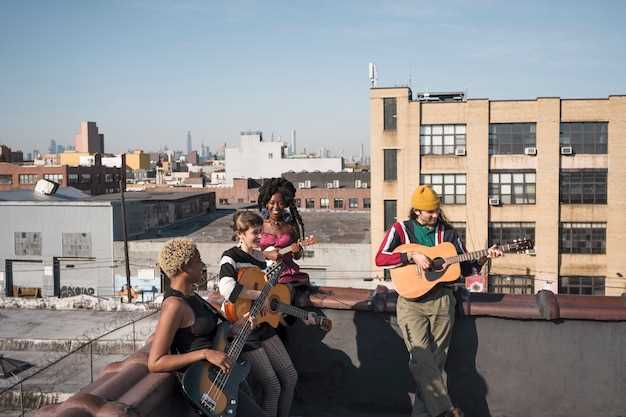 12 Must-See Music Festivals Around the World (Updated 2025)">

Recommendation: Begin with a february Rio carnival and base your next moves on a september European circuit for a non-stop, sensory start to 2025.
This guide spotlights major venues, a mix of genres, and practical tips to maximize the مشترکہ experience at each venue across 12 must-see festivals around the world. It highlights headlining events like the rio carnival in february, Tomorrowland in Belgium, Glastonbury in the UK, Sonar Barcelona, Roskilde in Denmark, and Montreux Jazz Festival in Switzerland, while also pointing to sleeper picks with unique atmospheres.
For those who love variety, plan with a period in mind: february offers energy, then a september European sweep to catch end-of-summer heat and big shows. This rhythm helps you pace tickets, flights, and buffers for weather, delays, and schedule changes.
Set a practical base city for two festivals and add a couple of short hops. theres room to adjust based on taste, whether you chase non-stop dance floors or intimate stages, and to balance headliners with local acts. Budget tips: book early, use multi-festival passes where available, and consider off-peak nights to improve access at crowded venues.
To maximize help with planning, use official apps, join fan groups, and map your days around مشترکہ experiences. plus, read lineups in advance and note photo-friendly venues for social posts, since many festivals offer partnerships with artists like david who perform surprise sets at flagship venues.
Expect excitement, many adventures, and memories that stay with you long after the last encore. This intro primes you to explore Coachella, Glastonbury, Tomorrowland, Sziget, Rock in Rio, Roskilde, Burning Man, Montreux Jazz, Fuji Rock, Osheaga, and the Berlin edition of Lollapalooza, among others, with practical tips on tickets, transit, and pacing.
Practical guide for planning and experiencing festivals across continents
Plan your route across continents and purchase multi-city tickets 6–8 months ahead to lock in savings and secure reliable connections between festivals in Europe, North America, and beyond.
Set a realistic budget by region: Europe typically charges 60–120 for a 1‑day pass and 180–350 for a 2‑3‑day pass; North America usually 250–600 for a full weekend; Latin America 30–120 for city events and 100–250 for larger stages; Asia-Pacific events range 40–150 for local gigs and 150–350 for major lineups. Include transport between venues, lodging, meals, and merchandise; booking a hostel bed or shared apartment can lower nightly costs, and group rates often apply for blocs of tickets.
Plan lodging and transit early: choose walkable or transit-friendly areas, and consider rail or bus passes where available. If you travel with a group, split accommodations to cut expenses; explore non-profit or community-run hostels that offer authentic experiences and reliable safety standards. Have a backup plan for weather and crowd surges so you don’t throw momentum away.
On arrival, pick up the official schedule, then plan a few must‑see blocks: an electronic night, a theatrical performance, and a courtyard with architecture installations. Arrive outside the gates before doors open to avoid lines, secure a good view, and imagine the day with your group, whether their besties or new friends. If you enjoy dancing or want to join the mosh zone for peak rock moments, stay alert for crowd safety indicators and keep a water bottle handy. For a woodstock vibe, seek programs that emphasize community and shared space.
Include cultural detours between sets: in langhe, savor local wines and seasonal produce; in Nordic markets, look for reindeer delicacies and folk performances. Such breaks refresh energy and give generations something memorable to compare later, from teenagers to grandparents.
Use a planning toolkit: offline maps, a small language guide, and festival apps for real‑time updates. Before you go, set aside cash for street food and small purchases, and bring a compact charger and a reusable bottle. The writers in your group can document standout moments and share tips with future readers, turning each trip into a story that travels beyond the festival grounds.
Consider volunteering with non-profit organizers; many events offer shift-based passes or workshops in exchange for help. These roles deepen your experience, give access to behind‑the‑scenes moments, and may include artist Q&As or early entry as part of your arrangement.
Finally, build a flexible plan that allows for rest days and time-zone resets between long flights. Expect delays during peak season, so keep a contingency window and a separate buffer for another festival you want to catch; plus lock in portable power, a spare SIM, and a small rain cover to minimize disruption when weather shifts.
When to go: dates, seasons, and optimal weather windows for the 12 festivals
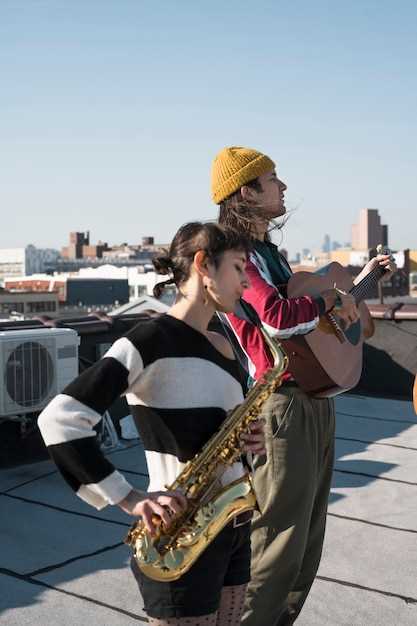
Coachella in mid-April offers cooler mornings and pleasant evenings; purchase passes several months ahead to secure lodging near the open-air stages where electric performances by top musicians light up the desert. Pack layered clothing, embrace the full schedule, and plan smart, since the desert can swing from chill mornings to sunlit afternoons and busy, art-filled evenings.
Tomorrowland in Belgium unfolds on the open-air site outside Boom, typically in late July; daytime heat can be intense, but evenings stay vibrant and comfortable, ideal for immersive late-night sets. Bring sun protection, refillable water, and glitter-ready outfits to ride the full energy of the stages and caves of sound.
Glastonbury in the UK usually runs in late June; weather ranges from bright sun to sudden showers, so waterproofs and sturdy footwear are musts. The grounds shift with rain, yet the action in the fields, gardens, and open-air arenas keeps things lively–perfect for festival goers who chase both musical magic and atmospheric landscapes.
Roskilde Festival in Denmark is held from late June into early July; days are mild and nights cool, offering comfortable conditions for long evenings of open-air action. Family-friendly choices, crafts stalls, and a diverse lineup make it easy to fit in a full schedule with friends and relatives.
Sziget Festival in Hungary sits on the Danube island and runs in the first half of August; heat climbs by day, with cooler evenings by the river. Hydration becomes a routine, while the immersive streets, stages, and hidden gardens turn the island into a festival paradise for locals and visitors from asia and beyond.
Fuji Rock in Japan is typically held in mid-July on Naeba; humidity rises, temperatures peak in the afternoon, and sudden showers can arrive from the mountains. Bring rain gear and light layers; the festival’s open-air stages and forested settings create electric moments and a strong sense of place.
Montreux Jazz Festival in Switzerland occurs in mid-July along Lake Geneva; the mountain-influenced climate keeps evenings fresh and comfortable, ideal for a stroll by the water between acts. The venue areas around the gardens and promenades offer a relaxed, family-friendly vibe with plenty of cuisine options.
Lollapalooza Chicago happens in late July; you’ll face heat and humidity, so plan shaded pauses and abundant fluids. The city’s open-air stages, diverse lineups, and nearby parks make it a full, action-packed experience for fans of many genres and for those seeking a summer musical immersion.
Splendour in the Grass revels in July in Australia, where the southern winter brings cooler mornings and comfortable days; outdoor stages thrive in the open-air setting, with plenty of crafts, food stalls, and family-friendly activities under clear skies and occasional breezes.
Way Out West in Gothenburg, Sweden, is scheduled for August; daytime warmth sits between mild and warm, while evenings drift cooler. Whether you travel with friends or family, this event offers a balanced mix of headline electric acts and hidden gems in open-air venues and in the city’s parks and gardens.
Pukkelpop in Belgium typically unfolds in mid-August; weather can swing between sun and scattered showers, so pack a light rain shell and sunscreen. The multi-stage setup, steins of beer, and immersive scenography create a world of sound that suits both early explorers and seasoned festival veterans.
Benicàssim, Spain (FIB) usually takes place in July; heat can be intense, with strong sun over the Mediterranean coast. Seek shade, enjoy the nearby beaches, and sample regional cuisine between sets; the open-air stages and wide promenades reveal hidden gems and a sense of carefree magic that many travelers chase as a personal paradise.
Ticketing and passes: how to secure best deals and avoid queues
Buy early-bird passes directly from the festival organizer to lock in the lowest price. Tickets purchased in the first release often carry the biggest savings and the smoothest passage, helping you skip late-night queues and enjoy more nights of music.
Choose a full festival pass if you want to experience everything, or a weekend pass for a balanced approach. A smart combination of days can cover the best sessions, from daytime exploring to late-night sets, making your stay unforgettable and letting you take in the grounds without rushing. If you’re visiting on weekends, lock in a pass that covers those nights to maximize evenings and avoid queues.
Go electronic: use electronic tickets on your phone for fast passage at the gates. Keep tickets nearby on your device and set reminders. Originally, many venues required printed tickets, but digital entry speeds things up, reduces misplacements, and keeps the queue flow smoother across the grounds and the passage. It also takes care of things like transit and bag rules.
For international audiences, look for official partners in japans and other communities; avoid shady resellers. If you travel from a bush town or rural area, choosing mobile-entry tickets can cut transit time. Nearby pickup or delivery options save steps and let you explore the festival grounds sooner. Beat the crowd by entering at published times and using any express lanes or dedicated lines.
Plan your schedule until the gates open and explore the map to catch the beat of stages that run in parallel. If you want a full experience, allocate time for another stage each day and linger where the vibes are strongest. Festivals carry a tradition of bringing communities together, so soak in the atmosphere, and take unforgettable memories with you.
| Ticket type | What you save or pay | Best use | Queue tips |
|---|---|---|---|
| Early Bird Full Pass | Often 15-40% cheaper than standard | Unforgettable, full festival experience and grounds access | Buy before releases fill; use official channels |
| Weekend Pass | Lower upfront than 3-day, higher per-day value | Explore a couple of days, with lighter planning | Arrive 60 minutes before doors to beat lines |
| یومیہ پاس | Lower total cost if you only attend one day | Test the festival, see key acts, or explore a city vibe | Use express entry options if offered |
| VIP / Express Add-on | Higher price, potential time savings | Premium viewing, shorter queues | Check direct routes to main stages |
Travel logistics: visas, flights, local transport, and festival access in major cities
Make the visa paperwork fast and book flights 8–12 weeks ahead to secure the best fares and reliable connections.
Visas and entry rules vary by passport and country. Verify requirements at official government portals and the festival’s site, then double-check a week before departure. Have a valid passport (often with 6 months’ validity), a confirmed festival ticket, and any invitation letters ready. If you need an ETA or eVisa, apply online and plan for processing delays during peak seasons.
- امریکہ
- United States (major events in New York and Las Vegas): most travelers use ESTA under the Visa Waiver Program if eligible; apply online, print the approval, and carry your itinerary and accommodation details.
- Brazil (Rio de Janeiro, São Paulo): visa rules vary by nationality; check the consulate site months in advance and be prepared for processing times that extend to several weeks. A Brazilian tourist visa is commonly required for many travelers.
- Canada: an eTA is typically required for visa-exempt travelers; apply online and save a copy of the approval.
- Europe and the UK
- Schengen area: many travelers need a visa unless exempt; plan 2–6 weeks for processing and carry festival confirmations, hotel bookings, and return tickets.
- United Kingdom: check whether you need a standard visitor visa or an ETA option when available for your nationality; apply early to avoid weekend backlogs.
- Asia and Oceania
- Japan, Singapore, South Korea, Thailand: many nationalities enjoy short-term visa exemptions; always carry festival proof of tickets and accommodation as part of your entry docs.
- Australia and New Zealand: use eVisitor/ETA routes or standard visas; allow extra time during peak seasons.
Flights and timing
- From Europe to New York (America): nonstop about 7–8 hours; book 6–12 weeks out for the best prices; midweek departures often save money; consider early morning flights to land before the first acts.
- From Europe to Rio de Janeiro (Janeiro): daytime or red-eye options; nonstop routes are limited and many itineraries include a connection in Madrid, Paris, or the US; plan 8–12 weeks ahead, especially for December–February peak windows.
- From North America to Las Vegas (Nevada): 1.0–1.5 hours from nearby hubs; many direct flights from major cities; weekends tend to be pricier–set alerts and book when a sale appears.
- From Asia to London or Berlin (Europe) or from Asia to Tokyo or Bangkok (Asia): long-haul paths vary widely; align layovers with festival schedules and use multi-city options to land near multiple venues if you’re visiting more than one city.
Local transport and first-mile connections
- New York City: buy a refillable MetroCard or use contactless pay on the subway; a 7-day unlimited pass is often the most economical for weekend festival runs; rideshare options are plentiful after late-night sets.
- London: use Oyster or contactless; weekly caps keep costs predictable; rail and bus networks connect you to major venues with reliable late-night service on weekends.
- Rio de Janeiro: metro lines cover Copacabana and Ipanema corridors; buses and ride-hailing are widely used; plan extra time for hilly routes and traffic near festival districts.
- Las Vegas (Nevada): RTC buses cover the Strip and downtown; rideshares are convenient after late-night shows; walking between venues on the Strip is common during weekends.
- Tokyo: Suica/PASMO cards speed up rides on trains and buses; aim for compact, good shoes for long days between stages.
- Berlin and Barcelona: regional trains (S-Bahn/RE) plus city metros connect quickly to venues; consider day passes for comfort on long festival weekends.
Festival access: planning tips that never fail
- Ticket strategy: buy official general passes early; add-ons like access to after-parties or backstage tours sell out quickly. If a show sells out, check trusted resale windows offered by the festival and verified partners rather than third-party marketplaces.
- Arrival plan: most major festivals run on weekends and spill into late-night sessions; arrive 3–4 hours before gates open for popular days and 1–2 hours prior on less crowded days.
- On-site essentials: bring a lightweight bag, refillable bottle, sun protection, and a small portable charger; some venues ban glass steins or large cups, but at certain Nordic or European stages you may find delicious beer stalls offering steins and other beverages.
- Identification and age checks: carry a passport or national ID, plus a digital copy of your ticket; many festivals require wristbands or digital passes to be scanned at entry and for re-entry on the same day.
- Cashless and payments: most major festivals use RFID wristbands or mobile wallets; top up before you arrive and keep a backup card in a secure place.
- Bag and security rules: a small, clear or soft-sided bag is usually allowed; large backpacks may be restricted; check prohibited items list to avoid delays at gates.
- Late-night offerings: expect late-night musical sets and intimate performances; some venues host masquerade-inspired cabarets or ballet-inspired showcases that attract fans from across continents, so come prepared for a range of styles–from DJ sets to live performers and even short films between acts.
- Family and accessibility: verify accessibility options, seating, and viewing areas if you’re traveling with anyone who needs extra support; many festivals publish accessible routes and assistive services.
- Traditions and culture: local traditions–such as regional foods, craft stalls, and traditional dancers–add depth to your days; plan time to sample delicious, locally produced dishes between acts.
Spots to consider in major cities
- America:
- New York City hosts large-scale multi-genre events; combine a city break with festival nights and a few late-night shows for an unforgettable experience.
- Las Vegas, Nevada blends casino residencies with late-night performances; plan your days and nights to balance rest and sets.
- Asia:
- Tokyo, Bangkok, and Singapore offer a mix of musical shows and cinematic nights; many venues pair acts with visual films and dance performances, giving fans a diverse calendar.
- 台湾 or other regional hubs often present special collaborations that bring together talent from different scenes.
- Europe and beyond:
- Rio de Janeiro’s Janeiro memory blends samba traditions with modern stages; weekends bring crowds from across america and beyond.
- Berlin, Barcelona, and London combine big-name performers with intimate clubs, making it easy for anyone to discover new talent after the main sets.
Practical checklist for an unforgettable run
- Passport, visa, and festival confirmation all in one folder (digital and print).
- Airport transfers, local transit passes, and a map of the venue’s layout with stage times highlighted.
- Emergency contacts, a small amount of local currency, and a plan for nights when late-night routes are scarce.
- طویل دنوں کے لیے چند آرام دہ اشیاء پیک کریں: شام کی ہواؤں کے لیے ایک ہلکی جیکٹ، ایک چھوٹا چھاتا، اور ایک چھوٹا تولیہ اگر آپ آبی مراحل کے قریب ہوں گے۔.
- تجربے کو دستاویزی شکل دیں: دیر رات کی پرفارمنس، اسٹریٹ سین اور چمک سے بھرے نقاب پوش لمحات کو محفوظ کریں جو ایک ٹور کو واقعی ناقابل فراموش بناتے ہیں۔.
خلاصہ یہ ہے کہ محتاط ویزا منصوبہ بندی، دانشمندانہ پرواز کے انتخاب، قابلِ اعتماد مقامی نقل و حمل، اور سائٹ پر ایک اچھی طرح سے منظم منصوبے کے ساتھ، آپ لائیو موسیقی کی خوبصورتی سے لطف اندوز ہونے، مداحوں سے جڑنے، اور مزیدار اسٹریٹ فوڈز سے لطف اندوز ہونے کے لیے ہر شہر میں داخل ہو سکتے ہیں۔ چاہے آپ امریکہ کی دھڑکن کا پیچھا کر رہے ہوں یا ایشیا کی تال کا، صحیح لاجسٹکس پہلے سے ہی ایک شاندار فیسٹیول ویک اینڈ کو ایک truly غیر معمولی چیز میں بدل دیتے ہیں۔.
وینس کارنیول انضمام: موسیقی فیسٹیول کے ماحول کو کارنیول کی جھلکیوں کے ساتھ ملانا
پیازا لے روما سے لے کر سینٹ مارکس اسکوائر تک کارنیول جلوس کے متوازی چلنے والا 6x12 میٹر کا ایک نہر کے کنارے تیرتا ہوا مرحلہ نصب کریں، جو موسیقی کے ماحول اور کارنیول کی جھلکیاں کا ایک مربوط امتزاج تخلیق کرے، تاکہ داخل ہونے والا ہر شخص پہلے لمحے سے ہی دھن کو محسوس کرے۔.
مختصر، پُر جوش شوز کا شیڈول بنائیں: سریلی اطالوی اداکاروں کے 30–40 منٹ کے سیٹ، دن میں ڈرم لائنیں اور بین الاقوامی ensembles کی طرف سے ایک سنسنی خیز سن سیٹ رن، ہر 45 منٹ میں تبدیلیوں کے ساتھ جوش و خروش کو برقرار رکھیں بغیر تھکاوٹ کے۔.
شہر کے چوکوں اور پانی کے ساتھ ساتھ سرسبز نظاروں والے ٹیرس، 20-30 اسٹالوں کے ساتھ جو شراب، ماسک اور ہلکے کھانے پیش کرتے ہیں۔ خاندانوں کے لیے سایہ کے محفوظ میدان اور میل جول کے لیے میزیں؛ وسیع ناظرین کے لیے دیکھنے کے آرام دہ مقامات کو یقینی بنائیں۔ یہ لے آؤٹ دیکھنے کے آرام دہ مقامات اور ایک خاندانی دوستانہ ماحول فراہم کرتا ہے۔.
تکمیل رسائی اور سامعین کی بڑھوتری کا انحصار کارنیول اور نہری اسٹیج تک رسائی کے لیے مشترکہ ٹکٹ پر ہے، جو جینوا میں مقیم پروموٹرز اور کینیڈین شراکت داروں کو نشانہ بنا کر ایک متنوع ہجوم کو راغب کرتا ہے۔ یہ نقطہ نظر ہر اس شخص کو راغب کرتا ہے جو پہلی بار مکمل وینیزی تجربہ حاصل کرنا چاہتا ہے اور روایتی شائقین سے آگے رسائی کو بڑھاتا ہے۔.
ٹماٹینا کے رنگوں کے پیلیٹ اور ملبوسات توانائی کو بڑھاتے ہیں، ایک بصری امتزاج بناتے ہیں جو شہر پر بوجھ ڈالے بغیر جوش کو بڑھاتا ہے۔ اس کی شکل پرتعیش visuals پر زور دیتی ہے، جبکہ ماسک اور بینرز مہم جو افراد کو شہر بھر میں مہمات میں غوطہ لگانے کی دعوت دیتے ہیں۔.
نافذة التخطيط لشهر يونيو والشراكات: التنسيق مع المضيفين والمؤسسات المحلية لتأمين أماكن الفعاليات، وإشراك فريقي جنيف وكندا لإعداد عروض ترويجية مشتركة؛ ثبتت فعاليتها في التشغيل التجريبي في مدن إيطالية أخرى ويمكن أن توسع العلامة التجارية لتشمل مجالات جديدة من التعاون، وجذب المزيد من الزوار.
حفاظت اور عملیات کے لیے ایک مضبوط منصوبہ درکار ہے: علیحدہ داخلی راستے، واضح اشارے، اور طبی مراکز؛ نہر کے ساتھ اور اہم چوراہوں پر موسمیاتی حفاظتی زونز؛ خطرناک رکاوٹوں سے بچنے کے لیے آواز کی حد اور آبی ٹیکسی لین کو برقرار رکھیں جبکہ کارنیول کے مزاج کی خودبخودیت کو برقرار رکھا جا سکے۔.
بجٹنگ اور رہائش: سمارٹ خرچ، سستے قیام، اور قربت کے لیے تجاویز

فیسٹیول کے داخلی دروازے سے 15-20 منٹ کی پبلک ٹرانزٹ کی سواری کے اندر نجی کمروں والا بجٹ کے موافق ہاسٹل یا ایک کمپیکٹ ہوٹل بک کریں تاکہ یومیہ اخراجات میں بچت کی جاسکے اور جلد آمد کے لیے کافی قریب رہا جاسکے۔ صرف لچکداریاں شامل کرنے سے – مفت منسوخی، ایک کچنیٹ، یا قریبی گروسری اسٹور – قدر میں زبردست اضافہ ہوتا ہے۔ منفرد اختیارات تلاش کریں جو سکون بخش لاؤنج یا یوگا کارنر جیسی فلاح و بہبود کی خصوصیات کے معقولیت کے حامل ہوں۔.
جب آپ شرکاء کے ساتھ سفر کر رہے ہوں اور اخراجات کو متوقع رکھنا چاہتے ہوں، تو ایسی رہائش کا انتخاب کریں جو آپ کو ایک یونٹ یا اپارٹمنٹ میں اکٹھے رہنے کی اجازت دے، ساتھ ہی عام علاقے بھی ہوں جو سماجی میل جول کی حوصلہ افزائی کریں۔ 4-6 لوگوں کے لیے اپارٹمنٹس اکثر قیمت اور رازداری کے لیے کئی چھوٹے کمروں سے بہتر ہوتے ہیں۔ غور کریں کہ آپ کو رازداری، خاموشی اور سماجی میل جول کے لیے کیا ضرورت ہے۔ چیک کریں کہ کیا فہرست میں پبلک ٹرانسپورٹ پاس، مفت ناشتہ، یا گھر میں لانڈری شامل ہے تاکہ فیسٹیول کے دوران کاموں کو کم کیا جا سکے۔.
ٹکٹ اور داخلہ فیس آپ کے کل خرچ کا تعین کرتی ہیں، اس لیے وہ پاس موازنہ کریں جو رہائش کے ساتھ انٹری، ورکشاپس، یا ویلنس سیشن بنڈل کرتے ہیں۔ اگر آپ ورکشاپس میں حصہ لیتے ہیں، تو انہیں ایک مرکزی زون پر میپ کریں تاکہ آپ لمبا انتظار کیے بغیر اندر جا سکیں اور واپس آ سکیں۔ متعین دورانیہ کے ساتھ پاس تلاش کریں تاکہ آپ کو معلوم ہو کہ آپ کو کتنی راتوں کی ضرورت ہے اور غیر استعمال شدہ دنوں کے لیے ادائیگی سے بچیں۔ ایک گروپ میں شامل ہوں تاکہ ایک رینٹل شیئر کیا جا سکے جو رات کی کم قیمت کی حمایت کرتا ہے - یہ ملنسار رہتے ہوئے بچت کرنے کا ایک مضبوط طریقہ ہے۔.
فرانس اور پورے یورپ کے تہواروں کے مراکز میں، ایسے سودوں کی تلاش کریں جن میں ٹرانزٹ پاس اور ویلنس اسپیس تک رسائی شامل ہو۔ بہت سے مقامات پر خاموش کونوں، آئیکنز والے آرٹ کونوں، اور بصری تنصیبات کے طور پر قربان گاہوں کا مجموعہ پیش کیا جاتا ہے، جو صرف موسیقی سے زیادہ قدر میں اضافہ کرتا ہے۔ ساتھی حاضرین کے جائزے پڑھنا آپ کو درست اخراجات کی توقع کرنے اور پوشیدہ فیسوں سے بچنے میں مدد کرتا ہے۔ روزانہ کے اخراجات کو کم کرنے کے لیے، مراحل، اسٹالز اور رات گزارنے کی جگہوں کے درمیان منتقل ہونے کے لیے پبلک ٹرانسپورٹ، رائیڈ شیئرز، یا محفوظ پیدل چلنے کے راستوں کا استعمال کریں۔.
ایسے ہوسٹلز اور گیسٹ ہاؤسز تلاش کریں جو واضح شرائط درج کریں، بشمول منسوخی کے قواعد، چیک ان کے اوقات، اور حفاظتی ڈپازٹ۔ ایک سادہ، شفاف پالیسی دنیا بھر کے شیڈول کے دوران نظام الاوقات میں تبدیلی آنے پر تناؤ کو بچاتی ہے۔ ٹرانزٹ لائنوں سے دوری، پبلک سروس کی فریکوئنسی، اور ویل نیس کارنر یا کمیونٹی ایریا کی موجودگی کے لحاظ سے نتائج کو فلٹر کریں۔ فوری موازنہ کرنے سے آپ ایونٹ کے دورانیے کے لیے اپنے منصوبے کے مطابق قیمت میں لاک کر سکتے ہیں اور اس بات کو یقینی بنا سکتے ہیں کہ آپ دیر رات کے شوز میں شامل ہو سکیں اور پھر بھی فجر کے وقت روانہ ہو سکیں۔.
یہاں دو یا تین بہترین انتخاب نمایاں کریں، فی رات کے ریٹ اور قیام کے کل خرچ پر نوٹس شامل کریں، اور قیمتیں گرنے پر فوری بکنگ کے لیے ٹکٹ تیار رکھیں۔ اگر آپ کا گروپ متعدد سیشنز میں حصہ لینے کا ارادہ رکھتا ہے، تو ایک چھوٹے کچن کے ساتھ مشترکہ اپارٹمنٹ مناسب رہے گا۔ ٹرانسپورٹ اڈوں اور سپر مارکیٹ کے مقامات کے لیے نقشے کے نشانات دیکھنا یاد رکھیں، تاکہ آپ اگلی سیٹ سے پہلے فوری ناشتہ بنانے سے لے کر اسنیک لینے تک سب کچھ کر سکیں۔ اس طریقے سے، آپ موقع پر زیادہ سے زیادہ وقت گزار سکتے ہیں جبکہ اخراجات کو قابو میں رکھ سکتے ہیں۔.