


 اردو
اردو  English (UK)
  Русский
  বাংলা
বাংলা  العربية
  日本語
日本語  한국어
한국어  Magyar
  Norsk nynorsk
  Türkçe
  עִבְרִית
  Español
  Čeština
  Svenska
  Português
  Ελληνικά
  Suomi
Suomi  Nederlands
  Română
  Italiano
  Français
  Polski
  Українська
  Deutsch
  简体中文
简体中文  Slovenčina
  Српски језик
  Azərbaycan dili
  O‘zbekcha
  አማርኛ
አማርኛ 
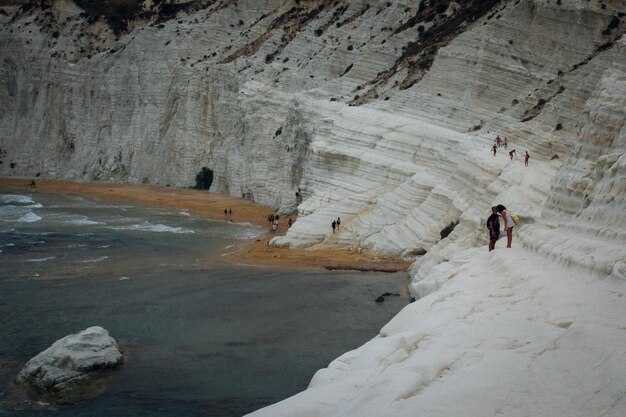
Begin with a sunrise walk along chalk coastline near Dover, aiming for South Foreland Lighthouse view within first hour.
Park at Samphire Hoe car park, then follow a 4.5 km loop toward St. Margarets Bay; walking takes about 90 minutes, with uneven steps and clifftop grade; watch tide and wind; outside sections can be muddy after rain.
Spring and autumn offer comfortable conditions; summer weekends bring crowds, reducing privacy on popular overlooks; plan visits on weekdays and early mornings to enjoy extensive views and fewer people; also check tide windows to avoid private pockets getting cut off.
Public transport: London to Folkestone Central ~60 minutes; from there, a short bus connection to Dover area adds about 15 minutes; total minutes ~75; there are ferries and international links to Calais or Dunkirk; that connection lets you continue to capitals across Europe.
From belfast, bergen, or other scandinavia gateways, international flights land at major hubs; therefore, a quick rail leg connects you to a coastal trailhead within minutes; lyon travelers often pair cross-Channel crossings with a day on chalk coast.
Wildlife includes bluebirds along hedges; lookouts provide views for miles across a crashing sea; walkers enjoy privacy on less-traveled sections; you may encounter benches, signposts and gift shops in nearby villages; dovers maps mark viewpoints along coast.
Pack compact binoculars, windproof jacket, hat; snacks; outside kiosks offer coffee and hot chocolate; services along route include restrooms and information points; theres space for privacy on longer stretches; gift items available in some shops; back-to-back views reward those willing to walk.
Local historian notes deepen understanding of coastal defenses and shipwrecks; this context boosts backstory and helps you appreciate how erosion shapes chalk escarpments over centuries.
To maximize your outing, combine with a short bus ride to nearby towns and return via same day; cheaper travel options exist with off-peak passes; international connections link to capitals across Europe; this plan suits first-time visitors and back-to-back explorers.
Getting There: Parking Options, Train Stops, and Access Points

Recommendation: park at Dover Western Docks car park for easy access to coastline viewpoints and cliff paths. Online bookings may require a deposit to lock space during peak periods.
پارکنگ کے اختیارات
- Dover Western Docks car park – close to harbour; 15–20 minute walk to cliff viewpoints; pricing typically £5–£12 per day; limited spaces on Sundays; arrive early or book in advance online.
- Market Street multi-storey car park – central location with cheaper daily rates; watch for surcharges on weekend evenings; verify current pricing signs.
- Hilltop parking near entry to coast trail – steep approach to bottom; spaces are limited; online pre-bookings may carry a deposit.
- On-street options around harbour – convenient for short visits; hours restricted; ensure signage to avoid fines.
Rail stops and access points
- Dover Priory – primary rail stop; departures to London St Pancras and Canterbury; typical journey 1 hr 15 min to London; 20–25 minute walk to trailheads; buses available from station.
- Deal – handy for northern coastal access; departures every 20–30 minutes; short walk or bus to northern cliff routes.
- Folkestone Central – quick link to northern stretch; 15–25 minute ride to Dover lines; local buses to clifftop entrances; good for loop hikes.
- Ashford International – international service; transfer to Southeastern line to reach priory or Folkestone; from there connect to coast path via bus or taxi.
- Cruisecruisetour passengers – arrival via cross-channel routes can use rail links for a fast transfer; check with operator for site departures and line options.
- Multiple lines connect to London, Canterbury, and beyond; consider combined tickets if planning several legs; timetable data may show expires dates on passes.
Timetables references often use greenwich time as baseline; travelers from normandy or canada, along with americans, should verify local departures to avoid missing slots. Platforms may broadcast via radio alerts, so have a backup plan in case of disruptions. Pricing for parking varies by site and season; plan for surcharges during peak windows and holidays.
Cliff-Side Trails and Viewpoints: Where to Walk for the Iconic Vistas
Begin from central seaside hub and take a main loop along chalk coastline to catch iconic vistas. Lightweight gear, waterproof shell, and a compact brochure map help plan in conjunction with weekend departures and flexible itineraries.
Classic routes for cliff-side vistas
From central arrival point, three core options connect scenic pullouts. A cliff-top circuit yields panoramic roosts above green fields; a sea-level promenade stays close to spray from waves, with benches and shelters handy for cute breaks. A countryside-edge path climbs gradually to a golden overlook that tops largest escarpment sections.
This sequence suits walking enthusiasts seeking varied scenery. Other sections run along fewer people but still deliver wonderful moments; expect a few ascents that require steady footing and a single sturdy railing section. Pack a charger for phones and a waterproof cover for maps; a well-marked brochure or shop kiosk can supply a decent-sized map or extra water bottle.
Practical planning and safety
Solid option for visits: depart in calmer hours; check forecast before leaving, forget about rushing. Bring a compact charger, comfortable footwear, and a waterproof layer. Signage and rights on official paths are clear; stay on designated routes to avoid unstable edges and protect residents’ quiet countryside spaces.
For travelers coming from capitals, airfares vary; city residents often plan weekend escapes with a couple of departures. Consider a single-day option if weather holds. Local shops along routes offer hot drinks and snacks, plus a small brochure stand with additional hints about local culture.
Safety and Weather: Cliff Erosion, Tides, and Staying Safe
Check tide times and weather warnings before cliff-edge walks. Stay back from lip by at least 2 m; wet chalk can crumble under weight, and gusts can push a passerby off balance. Using a tide app helps plan windows for safe crossing. Use a map and stay on marked paths.
Cliff erosion on this coast comes from rain, wind, and sea action; rockfalls occur after frost melt; inspect warning notices and avoid sections showing fresh cracking or bulges.
During spring tides, sea level can rise by up to around four to five meters; check local tide tables and avoid coastal edges when water advances rapidly.
Keep to barriers; legal restrictions apply; skip bypassing posted signs except during emergencies.
Weather shifts fast: strong winds, rain, and spray reduce footing; wear stout footwear with grip; keep kids and pets on leads and away from crumbling banks. If animals accompany you, hold them close and away from edge. An excellent practice is to carry a whistle for alert.
Emergency plan: carry a charged mobile and know local emergency numbers; 999 in UK; tell someone your route; lynn, a local ranger, wrote a safety note for hikers; lynn offers quick safety talks at main viewpoints. Details on closures and warnings come from wardens; check notices before setting out. You’ll find warnings updated daily.
Extensive coastal knowledge helps hikers choose safer routes and avoid cliff-top risks.
Beatles fans headed to london may pair a city tour with a coastal hike; tickets should be purchased in advance to avoid delays; bergen and mediterranean itineraries can be linked with on-land stays for richer experiences; extensive itineraries help maximize time without rushing.
What to Pack and Wear: Clothing, Footwear, and Gear
Pack a compact waterproof shell, sturdy shoes, and a warm midlayer for a coastal day.
Layering matters: base layer in breathable fabric, midlayer fleece, and windproof outer shell. remember to bring compact gloves and a lightweight scarf for breezy breaks. Carry two sock pairs and keep one dry pair separately in a zip bag. Add a compact hat for afternoon sun and gusty moments; a break along a cliff is beautiful but exposed.
Layering for Changeable Weather
Different conditions across mornings and afternoons demand a versatile kit. Pack a lightweight packable rain shell into main items list. For nights near cliff sites, add a warmer layer and a small scarf. Healthy snacks provide fuel for long cliff paths.
Footwear and Gear Essentials
Waterproof shoes with non-slip soles and ankle support prevent slips on damp stones. Bring two sock varieties: thin liners and thicker pairs for nights. Pack a 20–25 liter daypack, reusable water bottle, maps, power bank, and a compact headlamp for tunnel visits after dusk. Use a dry bag for electronics; label main items so you can grab them quickly during a break or when moving between sites. For rain, add a poncho or rain cover to protect bag and clothes. If Margate overnights or a Lisbon or Scotland trip is planned, tailor clothing to climate and travel legs. Though forecast shifts, a layered approach lets you continue exploring without fatigue. Main items you took along should remain organized separately from snacks and personal care. Popular routes around sites attract many travelers. On a website policy page, gear lists emphasize lightness and durability.
Best Times to Visit: Seasons, Lighting, and Crowds for Photos
اواخر بہار یا خزاں کے اوائل میں طلوع آفتاب کے وقت روشنی کی تعریف کرنے کے لئے آنے کا منصوبہ بنائیں؛ ساحل کے ساتھ پرسکون چہل قدمی ہر فریم میں رنگ اور ہفتے کے دنوں میں تقریبا تنہائی فراہم کرتی ہے۔.
موسمی روشنی تصویروں کو چلاتی ہے: بہار اور خزاں نرم، ترچھے سائے پیش کرتے ہیں جو چکنی پہاڑیوں کو تراشتے ہیں؛ موسم گرما کے صاف دنوں کے دوران، لمبی سنہری گھڑیاں طلوع آفتاب کے بعد اور غروب آفتاب سے پہلے پھیل جاتی ہیں، لیکن رش بڑھ جاتا ہے اور مصروف اوقات میں پارکنگ مشکل ہو جاتی ہے۔.
رش کی نگرانی اور اخراجات: ہفتے کے دنوں میں ویک اینڈ کے مقابلے میں نمایاں طور پر کم رش ہوتا ہے۔ بہتر قیمت کے لیے، چیک اِن کے اوقات دیکھیں اور ہفتے کے وسط میں سلاٹ کا انتخاب کر کے سیزن کے عروج کے سرچارج سے بچیں۔ اگر آپ ملٹی اسٹاپ ٹرپ کو آرڈینیٹ کر رہے ہیں تو ہفتے کے وسط کی ونڈو سے محروم نہ ہوں۔ پہلے سے بکنگ کرنے سے حالات قابلِ پیش گوئی رہتے ہیں اور بکنگ کرنے پر آپ کو اچھے ویو پوائنٹس تلاش کرنے میں مدد ملتی ہے۔.
عملی منصوبہ بندی: قابلِ رسائی راستوں کا انتخاب کریں اور بارش کے بعد پھسلنے والی سطحوں والے حصوں سے گریز کریں؛ جلدی پہنچنا آپ کو اہم نظاروں کے قریب سکون سے لطف اندوز ہونے میں مدد کرتا ہے، اور آپ تفریحی ماحول کے لیے ساحل کے ساتھ گونجتی ہوئی بیٹلز کی پلے لسٹ سن سکتے ہیں۔.
سفری روابط اور رسد: نارمنڈی سے، ایک کراس چینل کروز ٹور ایک مختصر سفر کے لیے موزوں ہے۔ گرین وچ میں قیام ایک دوپہر کی واپسی کے ساتھ اچھا رہتا ہے اور ناروے روابط طویل سفر میں نظر آسکتے ہیں۔ اگر آپ وائکنگ کی طرف سے خریدا گیا پیکیج بک کر رہے ہیں، تو یہ ساحل کے قریب رازداری فراہم کرے گا اور فوٹوجینک جگہوں تک آسانی سے رسائی ہوگی۔.
اپنی تاریخ کے قریب حالات کی جانچ پڑتال کریں: ہوا، پھوار اور دھند تیزی سے منظر کو بدل سکتے ہیں۔ بہترین شاٹس کے لیے کم جوار اور خشک موسم کے ساتھ ایک دریچہ بنائیں؛ اگر حالات غیر یقینی نظر آتے ہیں، تو اپنی رفتار کا خیال رکھیں اور شاٹ لینے میں جلدی نہ کریں، پھر جلد ہی ایک اور کوشش کا منصوبہ بنائیں۔.