


 اردو
اردو  English (UK)
  Русский
  বাংলা
বাংলা  العربية
  日本語
日本語  한국어
한국어  Magyar
  Norsk nynorsk
  Türkçe
  עִבְרִית
  Español
  Čeština
  Svenska
  Português
  Ελληνικά
  Suomi
Suomi  Nederlands
  Română
  Italiano
  Français
  Polski
  Українська
  Deutsch
  简体中文
简体中文  Slovenčina
  Српски језик
  Azərbaycan dili
  O‘zbekcha
  አማርኛ
አማርኛ 

Start with a three-month, flexible route and a compact packing checklist to keep expenses in check. It pays to leave room for spontaneous cultural moments, and to concentrate on meaningful experiences rather than ticking boxes.
In pattaya, find handy, affordable hostels and markets; a smart plan to bang for buck uses night buses, shared taxis, and street meals that taste delicious.
which plan will make sense for your style? A conservative daily cap around $25-$40 often works, depending on city and season. Track income and expenses in one app; even a penn saved on snacks compounds into future freedom to explore.
heading decisions should factor in monsoon shifts; july light can flood lowlands, while coastal towns glow with beautiful sunsets. If youve scheduled stays in thanh markets, you will love how locals greet curious travelers who respect customs and keep a relaxed pace.
Another handy move is to make a simple schedule that balances temple visits, markets, and beach days; keep some buffer in place so you can respond to opportunities you loved, like a sunset boat ride or a sudden festival in july.
Country-by-country daily budget ranges for Thailand, Vietnam, Cambodia, Laos and Malaysia
Lean daily spend around 25–40 USD per day covers hostel dorms, street meals, and transit; 40–70 USD for a comfortable pace with mid-range rooms; 70–110 USD enables private rooms, guided experiences, and some splurges. If you travel as two persons, sharing a room drops per-person costs. Prices listed below show per-day ranges in USD and are meant to guide normal planning for a year-round itinerary across these neighboring destinations.
-
تھائی لینڈ
Bangkok anchors a busy network of markets, temples, and island side trips. Phangan is known for quiet beaches and yoga sessions, while limestone landscapes in the south add dramatic scenery. Shoes come off at many temples, so pack easy-to-remove footwear. It took time to map affordable options, but the sister destinations nearby help with cross-border planning. phangan
- Low range: 25–40 USD per day
- Mid range: 40–70 USD per day
- High range: 70–110 USD per day
-
Vietnam
Hanoi’s old quarter and Ho Chi Minh City mix vibrant street food with cheap guesthouses. Limestone karst in Halong Bay and quiet hill towns offer memorable scenery; cold mornings in the north are common in winter. Pick simple stays to keep costs down, and share taxis or buses to save. whichnis
- Low range: 25–40 USD per day
- Mid range: 40–70 USD per day
- High range: 70–110 USD per day
-
کمبوڈیا
Angkor’s temples draw thousands, while river towns deliver quiet, affordable days. The oldest temple complexes are a constant draw, and limestone ruins along the coast provide dramatic scenery. To save, pick tuk-tuks sparingly, walk when possible, and aim for included meals when you can. Sharing a room with friends keeps per-person costs normal and predictable.
- Low range: 25–40 USD per day
- Mid range: 40–70 USD per day
- High range: 70–110 USD per day
-
Laos
Laos stays quiet and scenic, with neighboring countries nearby for multi-stop itineraries. Luang Prabang and the Mekong river towns offer easy, cheap days; include simple activities such as boat rides or market strolls to keep costs down. Because travel pace is relaxed, normal spending tends to stay modest even with occasional splurges.
- Low range: 25–40 USD per day
- Mid range: 40–70 USD per day
- High range: 70–110 USD per day
-
Malaysia
Kuala Lumpur blends temples, parks, and street food with modern convenience; Sabah and Sarawak add jungle treks and long-distance ferries. Shoes are rarely required to be removed outside sacred sites in the cities, and the overall pace remains reasonable year-round. Many travelers share tips to keep costs down, and hands-on experiences–like cooking classes or market tours–can be included without blowing the budget. The plan combines urban explorations with island stops for a varied pace.
- Low range: 30–50 USD per day
- Mid range: 50–90 USD per day
- High range: 90–120 USD per day
3–6 week itineraries you can mix and tailor to your schedule
Begin with a four-week core loop across phnom Penh, Siem Reap, Ho Chi Minh City, Da Nang/Hoi An, and Luang Prabang, then add two optional weeks to extend into east coast. Use minivans for short hops and minibus for longer legs, keeping daily travel to 4–6 hours and leaving afternoons free for delicious street meals or temple visits. This approach fits both first-time travelers and returning explorers who want a high-value balance of culture and food in asia.
Split your chosen period into modular blocks you can mix: Module A centers on river life and temples (phnom Penh, Kep, Kampot, Siem Reap) with short hops by minivan. Module B follows coasts and cities (Da Nang, Hoi An, Nha Trang, Mui Ne) with long, straight transfers by minibus when possible. Module C takes you north toward Hue, Hanoi, and Ha Long Bay, or pivots into neighboring land for a practical change of pace. Each block is combined with rest days and flexible visits to markets, shops near waterfronts, and nearby ruins, so you stay on track yet adaptable.
Day-to-day pacing: cap travel to 4–6 hours on travel days, then devote afternoons to exploring local museums, street food delis, and stone temples. Plausible planning means you usually take one major site visit per day, plus a short walk through markets or shops near your hotel. Keep a personal buffer for late arrivals or friendly conversations with local guides, and adjust if you hear about a new route with latest updates.
Gear and travel tech: carry a reusable water bottle, a power bank, and digital maps; bring airpods or other noise-canceling buds for long rides. A compact training plan–2–3 workouts weekly while on move–helps you keep energy for long days. Keep valuables in a small pouch and a backup copy of documents. A friendly contact like alex can share fresh minivan times and recommend safe, cheap guesthouses.
Cost-conscious rhythm: combine stay clusters to minimize backtracking and save on transport. In practice, you can stay in midrange guesthouses near markets for 15–25 USD per night in low season, or choose smaller hotels to reduce costs while keeping comfort. Each weekend, plan a larger city visit and a smaller rural day trip to balance energy and expenses.
For a 6‑week option, string two modules into a longer east-asia arc: add a jungle train to Hanoi and Ha Long Bay, then loop south via the coast to Da Nang. For a 3–week plan, compress to one coast-side section and a northern cultural leg. This flexibility makes it easy to visit places you want while staying plausible for your schedule, and you can mix and match modules in any order. If you’re aiming for a balanced, varied trip, this approach works well for both solo travelers and groups, especially when you want to keep living costs reasonable, stay connected with digital maps, and enjoy a high, delicious mix of experiences.
Transport hacks: buses, trains, ferries and smart advance booking
Lock long-haul legs at least 2–3 weeks ahead to lock in cheaper fares; peak-season prices climb roughly 30–40%, so plan independently and book ahead rather than waiting for a last-minute deal. Keep gear compact, bring a light daypack, and consider hostel recommendations for the best transit links. Solo travelers often find the single cabin or seat option neat and easier to secure early; breakfast options at city depots can fuel a rough cross-country day, and food stalls near terminals often offer fresh options for a quick bite. Stopping points vary by route, so map three near-term options to avoid getting stuck in a rough schedule. In this region, three airports anchor major hops.
Buses offer the most ballpark cost-to-distance ratio. Bangkok–Chiang Mai night express runs roughly 10–12 hours and costs 12–25 USD on standard coaches; VIP sleeper options push to 25–40 USD. Local day buses for short hops run 6–12 USD; always check whether the fare includes a meal or breakfast. When possible, buy a multi-ride or return variant, which often adds up to 5–15% savings. Use at least two platforms to verify prices; some routes are cheaper if you book off-peak or cross-border onto the same operator. For three- or four-leg itineraries, consider combining bus with a short train to balance comfort and cost. Bring a water bottle and light snacks to fill gaps between stops.
Trains deliver steady comfort on longer hops. Bangkok–Chiang Mai night trains with soft sleeper are typically 40–60 USD, hard sleeper 20–40, and hard seat 15–25. Reserve 2–4 weeks ahead in peak season to avoid sold-out cars; cross-border trains exist but schedules can be erratic. In asian routes, rail segments like Hanoi–Ho Chi Minh City typically run 50–70 USD in soft sleeper and 20–40 USD in hard seat; booking early is key, and a short taxi from the station to your hostel can save time. If you prefer flexibility, compare point-to-point fares to any rail passes that claim savings, as passes rarely pay off for short hops.
Ferries stitch coastal islands and river towns. Phuket–Phi Phi fast-ferry takes about 2 hours, with tickets ranging roughly 15–40 USD; Krabi–Phi Phi runs 2–3 hours for about 7–25 USD. Mekong crossings (phnom penh to chau doc, and similar links) cost roughly 6–12 USD and run daily in low season; in peak periods, book 1–2 weeks ahead. Ferry-plus-bus combinations can save time and money if you’re chasing hot spots along the coast. For cross-border trips, ensure passport validity and visa conditions before departure; onboard food options are common but bring water for the day’s plan.
phnom is a growing transit hub in asian routes, serving as a base for river markets and other hotspots along major river corridors and coastal hops.
Smart advance booking: when and how
Plan three to four weeks ahead for most intercity legs; peak-season surcharges require earlier action. Use flexible dates to compare ballpark prices across platforms; consider non-refundable fares when plans are solid, since they often cut costs by 20–40%. Cross-check across at least two sites and ask hostel staff for operator reliability. For ferries, weekdays often bring lower rates; booking 1–2 weeks ahead is usually enough, but extend to 3–4 weeks for popular routes. Carry a compact charger and a small notebook with key contact numbers to avoid delays if a plan shifts, and keep a rough backup route in case a stop is canceled.
Route tactics: buses, trains and ferries

Prefer independently booked legs for cross-border hops; when possible, choose routes with a single change to minimize gear juggling and delays. For three-stop itineraries, target day travel where possible to maximize adventures and minimize hostel nights, especially near hotspots. If preferences lean toward comfort over speed, pick a longer but steadier option; if desire is to move quickly, accept rougher seats for price relief. Avoid relying on a single broker or rumor; verify three options before committing and fill gaps with local food stalls or quick breakfasts to stay energized. Keep luggage light and pack a neat kit: a rain shell, a compact sleep sheet, a power bank, and a spare shirt–these items pay off across all transport modes in asia.
Affordable stays that balance value with safety: hostels, guesthouses and homestays
Opt for guesthouses with on-site reception, verified reviews, and flexible arrival times; this mix keeps nightly rates cheaper while preserving security. A simple private room in a traditional home, with a lockable door and common spaces, delivers solid value for backpackers.
Hostels in busiest districts offer social energy; aim for places with 24/7 reception, secure lockers, and a clean kitchen. A central option makes temple crawls between temples easy, reducing travel time between sites.
For a safe choice with a human touch, choose a homestay that lists a named host and has a checked record of arrivals; use phone to confirm details before arriving, avoiding scams.
| قسم | Typical price per night | Key security features | بہترین برائے |
|---|---|---|---|
| Hostels | 6–15 USD (dorm) or 15–25 USD (private) | Lockers, 24/7 front desk | Backpackers seeking cheap social vibe |
| Guesthouses | 12–28 USD private room | Lockable doors, staff on site, local recommendations | ثقافتی ذائقے کے ساتھ سادہ آرام |
| گھر میں قیام | 15–30 امریکی ڈالر کا نجی کمرہ | خاندانی میزبان، محفوظ اندراج، اندرونی جگہیں | مقامی رسم و رواج سیکھتے ہوئے، ایک مکمل قیام |
ایک راستے پر جو giang نے ترتیب دیا ہے، مقامی میزبان giang ایک پہاڑی قصبے میں ایک قابلِ اعتماد ہوم اسٹے چلاتا ہے؛ ایک penn نیٹ ورک مسافروں کو تصدیق شدہ اختیارات سے جوڑتا ہے۔ کرسمس کے رش کے دوران، اہم سڑکوں کے قریب اندر رہنا آمد کے اوقات کو ہموار رکھتا ہے۔ چاندنی راتیں مندر کے دوروں کے ساتھ جوڑتی ہیں؛ دیر سے چیک ان اور سرزمین پر لچکدار شرائط کا بندوبست کرنے کے لیے میزبانوں سے بات کریں۔.
سیاحوں کے لیے حفاظتی بریفنگ: صحت، دھوکہ دہی، سفری انشورنس اور ایمرجنسی کے منصوبے۔
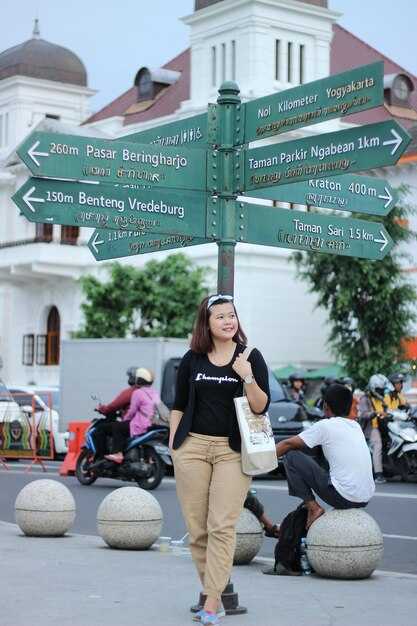
اپنے پاس ایک کمپیکٹ طبی کِٹ، پاسپورٹ فوٹو صفحہ اور تین آف لائن ایمرجنسی رابطے رکھیں؛ انڈونیشیا میں سفر کرتے یا جارج ٹاؤن جاتے وقت ای ویزا سٹیٹس اور سفارت خانے کے نمبر آسانی سے میسر رکھیں، اور اگر ہسپتال سے دور کہیں بیماری لاحق ہو جائے تو فوری مدد کے لیے ایک منصوبہ تیار رکھیں۔ کراتی اور دیگر گہما گہم میدانوں کا دورہ کرنے کے بعد، آپ ایک سادہ معمول کی قدر کر سکتے ہیں جو فیصلوں کو قابل انتظام رکھتا ہے۔.
صحت کے بنیادی اصول: روانگی سے پہلے ویکسین کی تصدیق کریں، عام بیماریوں کے لیے ادویات پیک کریں، اور ری ہائیڈریشن نمکیات ساتھ رکھیں؛ بوتل کا پانی پییں، اسٹریٹ اسٹالز سے برف سے پرہیز کریں؛ ہاتھ دھوئیں؛ اگر آپ اکیلے سفر کر رہے ہیں اور طبیعت ناساز محسوس کر رہے ہیں، تو چلنا بند کریں اور کسی محفوظ، روشن جگہ پر آرام کریں؛ رات کے دوروں کے لیے ایک چھوٹی ٹارچ لائٹ رکھیں اور ضرورت پڑنے پر فون کی لائٹس استعمال کریں؛ تنہا راستوں میں آپ محتاط صفائی کو سراہ سکتے ہیں، پھٹے ہوئے بیگوں سے پرہیز کریں، اور فضلہ سے پاک سیٹ اپ رکھیں؛ ایک قابل انتظام معمول آپ کو کھیتوں میں یا سرد راتوں کے دوران تھکاوٹ سے بچنے میں مدد کرتا ہے۔.
دھوکہ دہی سے بچاؤ اور سکیم سے متعلق آگاہی
فریب اور زیادہ چارجز: تیرتی ہوئی مارکیٹوں یا کروز جہازوں کے قریب، کچھ ڈرائیور ہوائی کرایہ بتاتے ہیں؛ سواری سے پہلے قیمت طے کریں، اور دکانوں اور سرکاری کاؤنٹروں پر قیمتوں کا موازنہ کریں؛ اگر آپ کو جلد بازی کرنے والے اجنبیوں کا سامنا کرنا پڑا ہے، تو قابل اعتماد مقامی لوگوں اور سفری نیٹ ورکس سے مشورہ لیں، پیچھے ہٹ جائیں اور ایک معتبر ٹیکسی یا رائیڈ شیئر ایپ تلاش کریں؛ کبھی بھی پاسپورٹ بطور ضمانت نہ دیں؛ جارج ٹاؤن یا کراتی میں آپ کو دوستانہ مقامی لوگ شارٹ کٹ بتاتے ہوئے مل سکتے ہیں – اگر دباؤ بڑھتا ہے تو انکار کر دیں؛ قیمتی اشیاء کو زِپ والی جیب میں رکھنا اور ہوٹل کے سیف کا استعمال کرنا قابل تعریف ہوگا۔.
انشورنس کے اختیارات: طبی اور انخلاء کوریج کے ساتھ پالیسی منتخب کریں؛ حدود اور استثنیٰ کو پڑھیں؛ مشورہ دیا جاتا ہے کہ موئے تھائی کی تربیت یا بیرونی سرگرمیاں کوریج کو متاثر کر سکتی ہیں؛ پہلے سے موجود بیماریوں کی قبولیت کی تصدیق کریں؛ ڈیجیٹل اور کاغذی دونوں کاپیاں ساتھ رکھیں؛ ایمرجنسی نمبر سپیڈ ڈائل پر محفوظ کریں۔.
ایمرجنسی پلاننگ اور آف لائن ٹولز
آف لائن نقشے، پاور بینک، اور ایک مقامی سم مدد کرتے ہیں اگر طوفان کے بعد نیٹ ورک بند ہو جائیں؛ قریبی ہسپتالوں اور حفاظت کے لیے تیز ترین سڑک کے راستے کو جانیں؛ ایک معتبر دوست کے ساتھ اپنے منصوبوں کا اشتراک کریں، بس یا کروز ٹوٹنے کی صورت میں ایک واضح متبادل رکھیں؛ تیرتے یا ساحلی علاقوں میں، محفوظ فرار کے راستوں کی مشق کریں؛ رات کو روشنیاں روشن رکھیں اور اچھی طرح روشن مراکز میں رہیں؛ اگر آپ گائیڈڈ واکس میں شامل ہونا چاہتے ہیں، تو معتبر آپریٹرز کا انتخاب کریں؛ آپ سمتوں کے لیے اجنبیوں پر انحصار نہیں کریں گے؛ ہمیشہ ایک ٹھنڈی پانی کی بوتل اور ایک محتاط ذہنیت اپنے بیگ میں رکھیں؛ اندھیرا ہونے سے پہلے اپنے ہوٹل واپس جائیں تاکہ تنہا گلیوں سے بچا جا سکے۔.