


 اردو
اردو  English (UK)
  Русский
  বাংলা
বাংলা  العربية
  日本語
日本語  한국어
한국어  Magyar
  Norsk nynorsk
  Türkçe
  עִבְרִית
  Español
  Čeština
  Svenska
  Português
  Ελληνικά
  Suomi
Suomi  Nederlands
  Română
  Italiano
  Français
  Polski
  Українська
  Deutsch
  简体中文
简体中文  Slovenčina
  Српски језик
  Azərbaycan dili
  O‘zbekcha
  አማርኛ
አማርኛ 
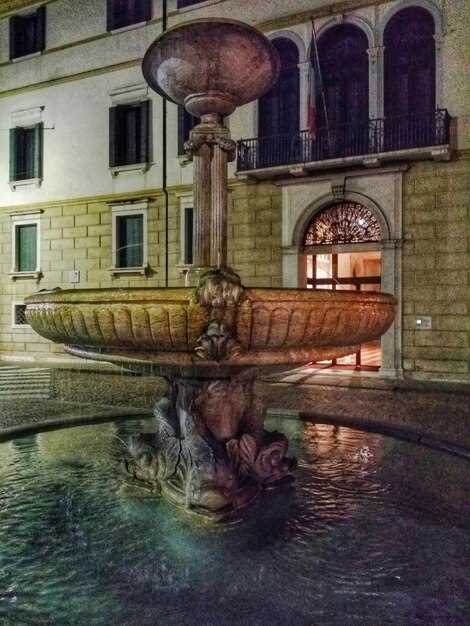
The Doge’s Palace, or Palazzo Ducale, stands as a fundamental symbol of Venice’s rich heritage, showcasing the city’s history through its grand architecture and fascinating artworks. Nestled beside the shimmering waters of the lagoon, this iconic structure features spectacular loggias and intricate arcades that invite visitors to explore its storied past. Throughout its existence, the palace would serve not only as the residence of the Doge but also as the seat of the Venetian council, making it an essential hub of political activity in the Serenissima.
Inside, the palace reveals a treasure trove of masterpieces by legendary artists, including Tintoretto and Veronese, whose paintings adorn the splendid ceilings. As guests navigate through the various halls and chambers, they will find themselves enveloped in the grandeur of the original art installations that depict events from the city’s history. For those who seek to understand what makes the Doge’s Palace a beacon of cultural significance, each corner offers a glimpse into the intricacies of Venetian life throughout the centuries.
The history of the Doge’s Palace also intertwines with intriguing tales of figures like Casanova, whose daring escapes from its prison cell have become part of the palace’s lore. This adds a layer of excitement to the visit, as one can imagine the drama that unfolded within these walls. In addition to its historical relevance, the palace’s structural beauty, combined with the allure of its art and events, creates a captivating itinerary for any traveler venturing to this enchanting city.
Exploring the Historical Significance of the Doge’s Palace
The Doge’s Palace, or Palazzo Ducale, has been a vital institution in Venice’s political and cultural landscape since its inception in the 14th century. It served as the residence of the Doge, the primary leader of the Venetian Republic, and is a remarkable example of Gothic architecture that reflects the city’s dynamic history. This grand structure, with its intricate decorations and vast halls, stands as a testament to the power and influence that Venice wielded in the Mediterranean world.
Within the palace, some of the most captivating works of art can be found. Artists like Tintoretto contributed significantly to the palace’s interior. The vibrant murals and large ceilings not only showcase the artistic talent of the era but also tell stories of Venetian history and mythology. Each brushstroke on these canvases serves as a narrative link to the past, allowing visitors to immerse themselves in the rich heritage of Venice.
As visitors walk through the halls of the Doge’s Palace, they encounter various rooms that reflect its multifaceted function. The Sala del Maggior Consiglio, or Hall of the Great Council, showcases vast murals that depict allegorical figures and significant events in Venetian history. These installations were designed to inspire awe and instill a sense of unity among the members of the council, emphasizing the importance of diplomacy and collaboration in governance.
The palace also includes secret chambers and narrow cells, like those used for the infamous prisoners of the Venetian Inquisition. These parts of the palace add a darker silhouette to its grandeur, revealing the duality of the environment–where beauty coexists with the reality of political intrigue and punishment. The cell where Casanova was held represents not only a significant event in his life but also reflects the complex history of justice and authority in Venice.
One of the most notable features of the Doge’s Palace is its ability to host grand events, including diplomatic meetings with foreign dignitaries. The role of the Doge in these discussions was pivotal, as Venice was a crucial player in Mediterranean trade and politics. The palace’s location and design fostered the perfect environment for these encounters, enhancing Venice’s reputation as a center of negotiation and power.
Visitors are often drawn to the majestic courtyard, where the facade is beautifully decorated and lined with sculptures that narrate the city’s rich history. Notable figures such as Christopher Columbus and St. Theodore, the patron saint of Venice, are immortalized in the marble. These artistic representations help visitors visualize the pivotal moments that shaped the Republic and left a lasting impact on its identity.
The Doge’s Palace represents a segment of Venice’s cultural heritage that must be preserved for future generations. Its historical significance is not solely due to its architectural marvel but also its role in the development of governance, art, and community. Each visit to the palace is an opportunity to connect with the past and gain deeper insights into what made Venice a leading power in its time.
| Historical Aspect | تفصیل |
|---|---|
| арکیٹیکچرل اسٹائل | Gothic architecture with intricate details |
| Major Artists | Tintoretto, Palma il Giovane, and others |
| مرکزی فنکشن | Residence of the Doge and center of government |
| Significant Rooms | Sala del Maggior Consiglio, Collegio, and prisons |
| Cultural Events | Diplomatic meetings and public ceremonies |
Origins and Early Development of the Palace
The Doge’s Palace, originally the residence of the Doge of Venice, has a rich history that dates back to the 9th century. Initially built as a modest structure in a defensive position along the Grand Canal, the palace evolved significantly throughout the centuries. The environment of Venice, with its unique layout and the necessity for both security and splendor, influenced the architectural decisions made by various builders. The original design combined elements of Byzantine, Gothic, and Renaissance styles, reflecting the complex identity of the Venetian Republic.
As the power of the Republic grew, so did the need for a more sophisticated representation of authority, leading to extensive renovations and expansions. This early development included the construction of impressive arches and towers, which provided not only functional purposes but also served as symbols of the Republic’s power. Artists and architects, such as Andrea Palladio, contributed their expertise to the project, leaving a legacy that visitors can admire today. Various statues and sculptures adorn the areas around the palace, with the renowned Giganti statues standing proudly above the grand entrance.
Throughout the years, the palace has also served as a venue for significant diplomatic functions, private gatherings, and public displays, making it a focal point of Venetian life. The intricate halls and wings of the structure hold fascinating stories of the people who inhabited them, including infamous figures like Casanova, who famously escaped from one of the prisons nestled within its walls. To this day, visitors can explore the narrow staircases that lead into the gallery and discover the captivating paintings that represent different periods of Venetian art, including works by eminent painters of the past. The careful restoration of the palace ensures that its rich history is preserved for future generations to appreciate.
Key Historical Events Associated with the Palace
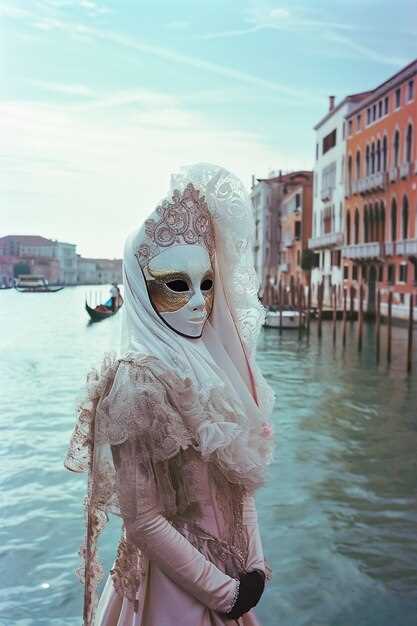
The Doge’s Palace in Venice has been a witness to numerous key historical events that have shaped the city and its political landscape. Originally built in the 9th century, this magnificent structure has evolved over time, combining architectural styles and influences to create a dynamic environment that attracts visitors from around the world. The Palace stands not only as a political center but also as a site of cultural significance.
One pivotal moment in the palace’s history occurred during the Fourth Crusade in 1204, when Venetian forces played a central role in the conquest of Constantinople. This event dramatically increased the wealth and power of Venice, and the Doge’s Palace became a symbol of this immense prosperity. This influx of riches allowed for the construction of lavish rooms and impressive artwork, including works by renowned artists such as Veronese and Palma.
In the 14th century, a fire ravaged the original structure, leading to extensive renovations. The rebuilding process introduced elaborate Gothic designs that can still be seen today. This period marked a shift towards more ornate decorations, including the famous statues and paintings that adorn the façades. Visitors can walk through the palace and view these captivating art pieces which reflect the city’s golden age.
The political history of the Doge’s Palace is equally significant. The Great Council, responsible for governing Venice, convened in the halls above, shaping critical decisions that influenced the city’s future. Indeed, it was within these very walls that the political structure of Venice was established, combining both aristocratic elements and democratic ideals. This council often met in the Council Chamber, characterized by its grand gallery and stunning artworks.
Perhaps one of the most infamous events associated with the palace is the escape of Giacomo Casanova in 1755. Imprisoned within its walls, Casanova formulated a plan that would allow him to flee from the confines of the Venetian political prison. His daring escape from the palace remains one of the most fascinating tales surrounding its history, revealing the intrigue and chaos that plagued the city at the time.
The Palace also plays a role in religious history, hosting significant events such as the dedications to the Madonna and other saints. The adjoining chapel, dedicated to Saint Mark, showcases beautiful frescoes that depict their lives and serve as a reminder of Venice’s deep-rooted faith. This sacred space draws not only tourists but also locals who value its historical and spiritual significance.
Today, the Doge’s Palace continues to stand as a giant among the architectural wonders of Venice. Its blend of political, cultural, and artistic history creates a rich tapestry that captivates everybody who visits. The combination of its stunning structures, glorious artworks, and intriguing stories makes it a pivotal point of interest, inviting each visitor to dive deeper into the magic of Venice’s past.
The Role of the Doge in Venetian Government
The Doge stood as the principal figure in the Venetian Republic, a role that was originally designed around the principles of governance and representation. This position was fundamental to the structure of the government, where the Doge was seen as a symbol of authority and continuity. Throughout history, the Doges received counsel from various councils, including the Scrutinio, which deliberated on critical matters of state. The daily responsibilities of the Doge involved navigating a narrow path between maintaining order and satisfying the diverse interests of the nobility and common citizens alike, always striving to uphold the شاندار reputation of Venice.
میں گوتھک beauty of the Doge’s Palace, one can discover incredible masterpieces by renowned artists such as Tintoretto اور Veronese. These artists adorned the walls of the various کمرے and galleries, creating a visual celebration of the Republic’s power and elegance. This artwork not only served as decoration but also reflected the ideals of leadership and governance that the Doge was expected to embody. The Doge, more than a mere figurehead, was actively involved in significant events that shaped Venice’s destiny, operating through various meetings and public appearances to maintain a connection with the people.
The Doges were described by many as the very heart of Venice, emerging from a diverse pool of noble families, each bringing their unique backgrounds and influences. Men like Andrea Gritti stood out, using their political acumen to navigate the complexities of alliance and conflict in their day-to-day activities. However, the rigid structures of governance also meant that each Doge had to function within established norms and traditions that sometimes felt slightly constraining. Despite this, they consistently strived to ensure that Venice remained a paradise پر لگون, a place of thriving commerce and culture, revered by so many who sailed the inviting waters around its marble-clad buildings and bustling arcades.