


 اردو
اردو  English (UK)
  Русский
  বাংলা
বাংলা  العربية
  日本語
日本語  한국어
한국어  Magyar
  Norsk nynorsk
  Türkçe
  עִבְרִית
  Español
  Čeština
  Svenska
  Português
  Ελληνικά
  Suomi
Suomi  Nederlands
  Română
  Italiano
  Français
  Polski
  Українська
  Deutsch
  简体中文
简体中文  Slovenčina
  Српски језик
  Azərbaycan dili
  O‘zbekcha
  አማርኛ
አማርኛ 
سبکِ اوّلین روشنی سے آغاز کریں: سیؤل سے گیپینگ کی جانب جانے والی ایک علاقائی لائن پر سوار ہوں اور 25 منٹ کی ریل بائیک سے آغاز کریں، پھر ایک مختصر فیری کے ذریعے دریا کنارے جزیرے پر عبور کریں۔ یہ ترتیب قطاروں کو کم سے کم کرتی ہے اور دن کے لیے ایک پرسکون ہوا کا جھونکا فراہم کرتی ہے۔.
ریلبائیک لوپ تقریباً 6 کلومیٹر پر محیط ہے اور 15-25 منٹ تک جاری رہتا ہے۔ یہ راستہ پائن کے جنگلات سے دور پہاڑوں کے ساتھ جڑا ہوا ہے اور فطرت اور خاموشی کا ایک جادوئی امتزاج پیش کرتا ہے۔ ایک فوری فیری کراسنگ دریا کے کنارے جزیرے تک رسائی کھولتی ہے، جسے مقامی لوگ درختوں سے جڑے راستوں اور ایک چھوٹے سے جانوروں کے کونے کے لیے پسند کرتے ہیں۔ آپ کو فارم کے کھیتوں اور پتھر کی دیواروں میں ماضی کی جھلک ملے گی۔ منصوبہ بندی کرنے کے لیے، ریل بائیک کے حصے کے لیے تقریباً 25,000 KRW اور فیری کے لیے تقریباً 6,000 KRW کی توقع کریں۔ جزیرے پر دو سے تین گھنٹے قیام اور ٹرانزٹ کا وقت اسے مکمل کرتا ہے۔ trip ایک دن میں فٹ کرنا آسان ہے۔ وِنچی طرز کی گرفت آلات پر نئے آنے والوں کو بھی پراعتماد محسوس کرنے میں مدد کرتی ہے۔.
سول سے، راستے میں عموماً ایک یا دو بار گاڑی بدلنی پڑتی ہے: گیونگ پیونگ کی طرف علاقائی لائن پر سوار ہوں، گیونگ پیونگ اسٹیشن پر اتریں، پھر ریل پارک کے لیے ایک مختصر ٹیکسی یا مقامی بس لیں۔ رائیڈ کے بعد، جزیرے کے لیے فیری پر سوار ہوں۔ اگر آپ ایک سخت شیڈول چاہتے ہیں، تو ایک بنڈل آپشن کے ساتھ ایک آپریٹر کا بندوبست کریں۔ فرق آزادانہ منصوبہ بندی اور ایک پیکج پلان کے درمیان تجربے میں فرق نمایاں ہے۔ ان لوگوں کے لیے جو درست تعداد کو پسند کرتے ہیں، نمبر تھوڑی سی تیاری سے حرکت کرنے والے حصوں کو منظم اور قابلِ پیشگوئی بنایا جا سکتا ہے۔.
موسمی یادداشت: موسم سرما تیز ہوا اور واضح فاصلے لاتا ہے؛ آس پاس کی پہاڑیاں اور فطرت کی شکل خاص طور پر روشنی مدھم پڑنے پر واضح نظر آتی ہے۔ ہانگِک-ایریا تک رسائی سے، صبح کے سفر کے لیے آغاز آسان ہے، جبکہ یِجانگ کی جیبیں دن کو ایندھن دینے کے لیے کافی اور ناشتے پیش کر سکتی ہیں۔ ایک پرسکون کے لیے destinations سیکوئنس، صبح یا دیر شام کے دورے کا مقصد رکھیں تاکہ رش کم ہو سکے۔ اگر حالات اجازت دیں تو غروب آفتاب کے نظارے کو بھی مت چھوڑیں۔.
اس سفر نامے کے پیچھے مکمل تصور سیدھا سادھا ہے: منصوبے کو سست رکھیں، احترام کریں details, ، اور ٹرانزٹ کے لیے بفر کی اجازت دیں۔ چاہے آپ کو جزیرے کا سکون پسند آیا ہو یا ریل کی سواری کا متحرک احساس، آپ ان کی تعریف کریں گے۔ destinations شہر کے قریب ہونے اور دیہی دلکشی کے درمیان توازن رکھیں۔ یہ طریقہ ایک واضح فرق ایک بھاگ دوڑ بھرے دن اور ایک اچھی طرح سے منظم دن کے درمیان trip, ، اور یہ فراہم کرتا ہے۔ ایک مختصر خاکہ جسے آپ علاقے کے آئندہ دوروں پر دوبارہ استعمال کر سکتے ہیں۔ براہ کرم لائیو شیڈول چیک کرنا یاد رکھیں، اور نمبر اپنی نشستوں کو چھوڑنے سے پہلے چیک کر لیں۔.
سیئول سے نامی جزیرہ کا ٹور: ٹکٹ اور ٹرانسپورٹ کے لیے تجاویز
کم از کم 24 گھنٹے پہلے ایڈمیشن پاس خریدیں؛ آپ اپنے فون پر یا گیٹ پر چھپی ہوئی کاپی کے طور پر واؤچر دکھا سکتے ہیں، اور کوڈ کو اپنے پاس رکھیں۔ بالغوں کی شرح واضح طور پر شائع کی گئی ہے، لیکن رش کے اوقات میں تھوڑا سا سرچارج ہو گا۔.
میٹرو ایریا سے صنوبر کی خوشبو والے جزیرے تک پہنچنے کے دو عام طریقے ہیں: گیپینگ تک ریل اور اس کے بعد ایک فوری دریائی شٹل، یا ایک بس-پلس-فیری کا آپشن جو پیدل چلنا کم کرتا ہے اور واٹر فرنٹ کے ساتھ دوستانہ لین استعمال کرتا ہے۔.
تعطیلات کے دوران ویک اینڈ سرچارج لاگو ہوتے ہیں۔ درست رقم کے لیے آفیشل صفحہ دیکھیں اور یہ کہ آیا فیس تمام پاسوں کا احاطہ کرتی ہے۔.
واؤچر لائیں؛ بوتھوں پر موجود عملہ آپ کے موبائل کوڈ کو انٹری پاس میں تبدیل کر سکتا ہے؛ اس سے عمل آسان ہو جاتا ہے اور تاخیر کم ہوتی ہے۔.
سردیوں کی آمد پر جادوئی مناظر دیکھنے کو ملتے ہیں – شاخوں پر برف، پرسکون پانی، اور ایسے نظارے جو فلمی محسوس ہوتے ہیں۔ جلدی شروعات کر کے آپ رش سے بچ سکتے ہیں۔.
یے جنگ ایریا کیوسکوں میں، آپ کوکو یا اطالوی کافی لے سکتے ہیں؛ کچھ وینڈر سادہ کھانے پیش کرتے ہیں جو ایک نرم چہل قدمی کے ساتھ اچھے لگتے ہیں۔.
خاندانوں اور اسکول کے گروپس کے لیے، عملہ گروپ انٹری کا انتظام کر سکتا ہے اور مخصوص لائنیں مختص کر سکتا ہے۔ روزمرہ کے مسافر کارکردگی اور دوستانہ عملے کی تعریف کرتے ہیں۔.
اپنے دن کو زیادہ سے زیادہ کرنے کے لیے، گپینگ (Gapyeong) کے قریب رہیں اور سکون سے چلیں؛ یہ راستہ آپ کی نظروں کو دریا اور جنگل کی طرف مبذول کرواتا ہے، اور آپ توجہ دینے والے عملے سے مقامی زندگی کے بارے میں سیکھتے ہیں۔.
ہلکی جیکٹ ساتھ رکھیں، اور ایک نقشہ اپنے پاس رکھیں؛ برقی شٹل راستے کے چھوٹے حصوں میں چلتی ہیں؛ محتاط منصوبہ بندی کے ساتھ آپ بہت سے مہم جوئی اور خوبصورت یادیں بنا سکتے ہیں۔.
| رسائی کا راستہ | سفری کا تخمینہ وقت | بالغ کرایہ (KRW) | نوٹس |
|---|---|---|---|
| ریل ٹو گاپیونگ + فیری کراسنگ | 60–75 منٹ | 6,000–9,000 | واؤچر قبول ہے؛ ویک اینڈ سرچارج لاگو ہو سکتا ہے؛ یونگسان یا چیانگنیانگنی جیسے مرکزی مراکز سے سوار ہوں۔ |
| بس + واٹر شٹل | 75-90 منٹ | 7,000–12,000 | محدود ٹائم ٹیبل؛ واؤچر پرنٹ کروائیں یا موبائل کوڈ استعمال کریں؛ الیکٹرک شٹل کا اختیار |
| مرکزی حب سے نجی شٹل | 60 منٹ | 15,000–25,000 | بُکنگ ضروری ہے؛ الیکٹرک آپشن دستیاب ہے۔ |
سیول سے گاپینگ: تیز ترین راستے، سفر کے اوقات اور کرایوں کی حدیں۔
تیز ترین آپشن: چونگنیانگنی سے گیپyeong تک ITX-Cheongchun 40–50 منٹ کی سواری پیش کرتا ہے، جس کے کرائے تقریباً 6,000–9,000 ون كورى یک طرفہ۔ اگر سفر کر رہے ہیں تو نشستیں محفوظ کروائیں۔ infants یا کسی بڑے گروپ کے لیے، اور چیک کریں۔ گھنٹے روانگی سے پہلے؛ دی ریل سروس تقریباً ہر 20-30 منٹ میں چلتی ہے۔ peak اوقات میں زیادہ اور غیر مصروف اوقات میں کم ہوتی ہے۔ یہ انتخاب ان لوگوں کو پسند ہے جن کو مسافروں who ترجیح دیں۔ ایک براہِ راست، قابلِ پیش گوئی تعلق، اور یہ ہے must-see جب آپ کا ٹائم ٹیبل تنگ ہو۔.
متبادل: گنگ بیون سے گپیونگ تک علاقائی لائن لگ بھگ 60–75 منٹ اور تقریباً لاگت آتی ہے۔ 2,000–4,000 وون كوري. ۔ یہ کئی جگہوں پر رکتا ہے۔ مقامات راستے میں، تو آپ آرام کرنے اور لطف اندوز ہونے کے لیے اتر سکتے ہیں۔ صنوبر جھاڑیاں،, شاخیں۔ دریائے کے اوپر، اور natural بینکوں کو۔ یہ راستہ مناسب ہے مسافروں who might ایک سست رفتار اور کم کرایہ چاہتے ہیں، خاص طور پر جب آپ کسی کا پیچھا کر رہے ہوں here یا وہاں تصویریں کھینچنے کے لیے رکیں۔.
ایکسپریس بس آپشن: سٹی-سینٹر حب سے گاپِیونگ ایریا تک ادھر اودھر بھاگتا ہے۔ 1 گھنٹہ 20 منٹ کو 1 گھنٹہ 40 منٹ, ، جس کے کرایے تقریباً 5,000–8,000 원. یہ گروپس کے لیے آسان ہے اور families, اور آپ ایک وقت کر سکتے ہیں اگلا ہجوم سے بچنے کے لیے روانگی۔ یہ سواری اس وقت اچھی طرح کام کرتی ہے جب آپ بغیر کسی منتقلی کے، ایک ہی نشست کا تجربہ چاہتے ہیں، جو زیادہ وقت چھوڑتی ہے۔ سرگرمی سفر کے بعد اور ایک مختصر یادگار دریا کے کنارے کے نزدیک رکیں۔ گودی.
راستے میں آپ کو سامنا کرنا پڑے گا natural مناظر: لکڑی کے پل،, صنوبر جنگلات، اور دریا کا کنارہ بیگونیا وہاں اور یہاں کے قریب بستر، ایک مخصوص کے ساتھ یوروپی وائب اِن دَ مقامات درمیان میں جھکاؤ کے آس پاس۔ سواری کے بعد،, جیونگگوانرو قریبی کھانے کے اختیارات پیش کرتا ہے محبت مقامی ذائقے اور ایک مختصر ٹہل قدمی بن سکتی ہے must-see سرگرمی خاندانوں کے لیے جن کے شیر خوار بچے ہوں۔ دی ماخذ ٹائم ٹیبل کو وقتاً فوقتاً اپ ڈیٹ کیا جاتا ہے، لہذا آؤ تیار اور آپ کے گروپ کی رفتار اور دلچسپیوں کے مطابق بہترین راستہ منتخب کرنے کے لیے تیار، خاص طور پر اگر آپ کسی کا پیچھا کر رہے ہیں۔ peak سفر کا دن۔ اِدھر اُدھر، مناظر پائیدار یادیں اور سب کے لیے ایک عملی منصوبہ بناتے ہیں۔ مسافروں, ، کیساتھ یادگار اگلی دکان پر تیار رہیں۔.
نامی آئی لینڈ میں داخلے کے اختیارات: موقع پر ٹکٹ، آن لائن ریزرویشن، اور پیکیج پاس
سفارش: وقت کے سلاٹ کو محفوظ بنانے، چیک ان کو تیز کرنے اور گیٹ پر لمبی لائنوں سے بچنے کے لیے آفیشل فارم کے ذریعے پیشگی بکنگ کریں۔.
موقع پر اور پیشگی طور پر آپ کو جن رسائی کے اختیارات کا سامنا کرنا پڑے گا، ان کا جائزہ:
- داخلِ جگہ پر اندراج – مرکزی دروازے پر ادائیگی کریں اور چھپی ہوئی یا موبائل تصدیق کے ساتھ داخل ہوں۔ مصروف دنوں میں قطاروں کی توقع رکھیں۔ اوقاتِ کار سارا سال ہوتے ہیں، عام طور پر صبح سے دیر دوپہر تک، آخری داخلے کا وقت موسم کے لحاظ سے مختلف ہوتا ہے۔ بالغوں کے لیے قیمتیں وسطی ٹینز میں KRW ہوتی ہیں، جبکہ بچوں کی شرحیں تقریباً آدھی ہوتی ہیں۔ کاؤنٹر پر موجود عملہ فارم کی تکمیل اور ادائیگی کے طریقوں میں مدد کر سکتا ہے۔ سڑک کے داخلی دروازے کے قریب پارکنگ کے واضح اشارے موجود ہیں، اور گروپس اور یونیو وزٹس کے لیے کار کے ذریعے آنا عام ہے۔.
- آن لائن ریزرویشن – تاریخ اور گھنٹہ مُنتخب کریں، فارم جمع کروائیں، اور ایک ڈیجیٹل اندراج فارم حاصل کریں۔ یہ آپشن آپ کی جگہ کی ضمانت دیتا ہے اور داخلے پر انتظار کا وقت کم کرتا ہے۔ قیمتیں آن سائٹ کی شرحوں کے مطابق ہیں، اور ڈیجیٹل فارم کے لیے ایک چھوٹی سی پروسیسنگ فیس لاگو ہو سکتی ہے۔ اپنے فون پر تصدیق لائیں یا اس کا پرنٹ لیں؛ عملہ اسے ٹرن اسٹائل پر اسکین کر سکتا ہے، جس سے آپ سیدھے مناظر اور شوز میں غوطہ زن ہو سکتے ہیں۔.
- پیکیج پاسز – combine entry with the ferry ride and select add-ons (meals or activity access) for a flat rate. Typical bundles run higher than single-entry, but they streamline your itinerary by including transport across the water and some priority access to popular spots. Expect a broader map and a province-level overview of routes and stops, with options that suit solo travelers, couples, and family groups. Packages can include seating choices for favored times and a smoother route through the campus-like layout with hidden corners, statues, and scenic viewpoints.
Notes on what to expect during a visit:
- The waterfront route features boat crossings and timber boardwalks where you can pause for photos with mountains in the background and white-trimmed structures along the path.
- The site hosts year-round drama shows and small live performances near the central plaza; if you’re chasing a festival vibe, check the schedule as some shows run in peak periods and some are themed around seasonal stories.
- Meal stops offer local specialties; dakgalbi is a popular choice after a long stroll, with several spots clustered along the main road and near seating areas for rest and recovery.
- For book lovers, there are compact stands and reading corners where you can browse short collections or pick up a quick guide to the location’s flora, making an easy tie-in with a quiet moment during the day.
Practical planning tips and logistics:
- Location and access: located in Gyeonggi province, reached by road from the provincial main routes; traffic can spike on weekends, so plan extra travel time and consider arriving before 09:00 to beat peak hours.
- Arrival and seating: if you arrive by car, follow parking signs to the dedicated lots; on busy days you may walk a short way from the first parking area to the main entrance where staff guide passengers to the best entry point.
- Itinerary ideas: start with the riverside promenade, then loop through the shaded lanes where you’ll pass art installations, a few statues, and plant displays; reserve a slot for a short ferry crossing to add a change of pace to the day.
- Family and group planning: for groups, especially univ clubs or tour teams, a package pass often saves time and provides a streamlined flow from one stop to another; assign a lead to manage the form, tickets, and meal options to keep the group aligned.
- What to wear: comfortable shoes for long walks; dress for variable weather, especially in mountains and open stretches; bring a small water bottle and a light layer for early morning or late afternoon hours.
- What to bring and what to enjoy: a printed map or offline version can help you locate hidden spots, photo nooks, and the best plant-filled corners; keep a small camera ready for the statue rows and white-washed façades that accompany the path.
Ferry crossing details: ticketing process, duration, and peak times
Book ahead through the official channel and have your confirmation ready; aim for the 08:00–10:00 slot on calm mornings to enjoy serene light and fewer crowds.
At the central yejang terminal, proceed to the booking desk or use the self‑serve form to swap your reference for a boarding pass; having printed receipts or the digital code, you present photo ID if asked, then you receive your pass for the ride. For those with limited access, use the official kiosk in advance to streamline the process.
The crossing lasts typically 25–35 minutes under calm weather; strong currents or gusty winds can stretch to 40 minutes; those traveling with kids or older visitors should expect a steadier rhythm and plan extra 10 minutes buffer.
Peak demand occurs on spring weekends and on wednesday mornings; mid-morning to early afternoon sees the most activity; to avoid crowds, choose a time outside 10:00–14:00, or book a pre-dawn ride for a quieter experience.
On board, many enjoy the serene scenery, light breeze, and begonia blooms along the shore; bring cocoa for warmth; those exploring with lovers or friends can enjoy a quick stroll on deck, while the heart of the day slows and healing moments appear. Having a small book from the univ collection or travel notes helps pass the ride; the form you receive at yejang grounds you for the crossing; rail links near the central terminal provide quick connections, and for those with kids or young travelers, a few on‑board activities keep attention. If you’re a visitor who loves reading, keep a few short books handy for quiet moments; though the ride is short, it becomes a calming pause in your day.
Combos, rail passes, and transport bundles: pick the right option and price estimates
سفارش: Choose a paired regional rail bundle with a reserved seat and a return transfer; this saves time and money for a long day of sightseeing. Estimated cost per adult: roughly 12,000–20,000 KRW, with weekend price bumps adding a little more.
Options at a glance: three main paths exist: (A) a single rail ride plus short local hops; (B) a multi-ride pass for several days; (C) a private shuttle or car service.
Option A: One-way rail fare plus local transfers involves a single ride plus quick hops to nearby spots. Pros: low upfront cost, simple to arrange. Typical rail fare: 4,000–7,000 KRW one-way; local transfers: 1,000–3,000 KRW; a private ride for comfort can be 5,000–7,000 KRW.
Option B: Multi-ride pass covering multiple hops on eligible lines suits those planning several hops within a region over 2–3 days. Price ranges: about 60,000–80,000 KRW for a 2-day pass; 90,000–120,000 KRW for 3 days. Note that not all routes are included, and some lines require seat reservations, adding a small reservation fee.
Option C: Private shuttle or car service is ideal for groups or when door-to-door convenience matters. Typical cost: 60,000–100,000 KRW one-way for a small van, with higher rates on weekends or late hours; sharing with others can reduce per-ride cost.
عملی مشورہ: Check routes on authoritative sites, aim for morning departures to reduce crowds, and consider a private car if you value convenience. In peak periods, expect minor extra charges on some trains and services. Along the route you can admire river valleys, pine forests, and hillside towns, with chances to stop at casual cafés and dining spots for a bite.
Bottom line: tailor the plan to your pace and the number of people traveling. If you anticipate multiple hops in a short window, a multi-ride option often delivers the best value; otherwise, a paired rail fare with a brief local transfer can keep things simple and comfortable. Thanks for reading, and enjoy the journey.
Budget planning and practical day plan: sample costs by season
Find a compact, single-day plan that fits a person, a family, or a group. Begin at the main wharf near the capital city gateway, rent a bike there, and ride namiseom’s loop before returning by late afternoon. This keeps logistics simple and supports sustainability-minded travel.
Spring (months March–May) costs roughly: transit from the capital city to Gapyeong Station 4,000–7,000 KRW per person, ferry round-trip 8,000–10,000 KRW, bike rental 4,000–6,000 KRW for 2 hours, lunch 7,000–12,000 KRW, snacks and drinks 2,000–4,000 KRW. All-in per person: roughly 25,000–40,000 KRW. The difference vs other seasons is modest, but crowds rise on weekends, so aim for weekdays when possible. If you’re traveling with a young family, starting early helps miss the heat and heavy crowds.
Summer (months June–August) costs roughly: transit 5,000–9,000 KRW, ferry 8,000–10,000 KRW, bike rental 5,000–7,000 KRW for 2 hours, lunch 10,000–15,000 KRW, snacks 3,000–5,000 KRW, taxi back to the hub if needed 4,000–8,000 KRW. All-in roughly 35,000–65,000 KRW. Expect higher footfall and longer waits near the wharf; bring sunscreen and a refillable bottle to stay comfortable, and consider a slightly earlier start to enjoy kite-blue skies and k-drama–era scenery surrounding namiseom.
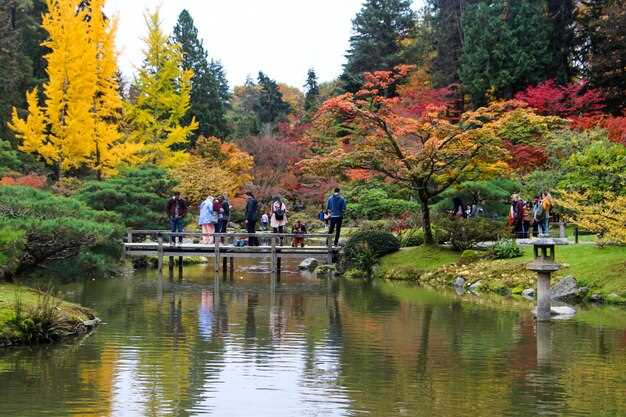
Autumn (months September–November) costs roughly: transit 4,500–8,000 KRW, ferry 8,000–9,000 KRW, bike 4,000–6,000 KRW, lunch 8,000–12,000 KRW, hot drink 2,000–4,000 KRW. Total roughly 28,000–45,000 KRW. Shoulder-season pricing yields quieter routes, and the main scenery is beautifully colored with scents of pine, surrounded by maple and poplar along the paths. The difference from spring is mainly crowd size, not value, so you can still enjoy a solid day with a family or a group of friends and miss the heat of mid-summer.
Winter (months December–February) costs roughly: transit 4,000–7,000 KRW, ferry 8,000–9,000 KRW, bike rental 2,000–4,000 KRW for a short spin, lunch 6,000–10,000 KRW, warm drink and snack 3,000–6,000 KRW. Total roughly 24,000–40,000 KRW. Many eateries near the wharf stay open, but you may prefer hot tea after the ride. Insurance is optional; taxi is a practical option in heavy weather, and staying flexible with minutes of sheltering can help you keep a comfortable day even when temperatures drop.
Practical day plan (example): 07:30 depart the capital city gateway by rail; 09:15–09:40 reach Gapyeong main wharf; 09:40 board ferry; 10:15 reach namiseom; 10:30–12:30 bike loop (about 2 hours); 12:30–13:15 lunch near the wharf; 13:30 back to shore; 14:00 taxi or bus to station; 14:50 train departure; 16:30 back in the city. This six-to-seven hour layout keeps the pace comfortable for a family or a tourist who loves efficient planning and spontaneous photo stops at k-drama–famous spots.
What’s right for you? Decide what you prefer: taxi back or a quick bus, stay near the transit hub, and consider what suits a young traveler or an adult group. For being mindful of safety and being prepared, choose a plan that includes basic insurance and keeps valuables secured. If you love moments with quiet views, plan a midweek visit and aim for later afternoon light that paints the scenery beautifully. Find a balance that fits your schedule, whether you’re traveling with a family or traveling solo; the key is to keep it flexible, sustainable, and enjoyable. The main aim is to love the pace, not rush, and to stay prepared for the differences that each season brings to namiseom’s paths and the surrounding coastlines.