


 اردو
اردو  English (UK)
  Русский
  বাংলা
বাংলা  العربية
  日本語
日本語  한국어
한국어  Magyar
  Norsk nynorsk
  Türkçe
  עִבְרִית
  Español
  Čeština
  Svenska
  Português
  Ελληνικά
  Suomi
Suomi  Nederlands
  Română
  Italiano
  Français
  Polski
  Українська
  Deutsch
  简体中文
简体中文  Slovenčina
  Српски језик
  Azərbaycan dili
  O‘zbekcha
  አማርኛ
አማርኛ  جزائر روزاریو اور قرطاجنہ، کولمبیا میں فائیو آئی لینڈ ٹور">

ساحِل سے دُور جزيروں کے پانچ جُھنڈوں کی سیر کے لیے صبح سویرے آرکیپیلاگو کروز کے ساتھ فرار کا آغاز کریں، جو سورج، سمندری ہوا اور ثقافت کو یکجا کرتا ہے۔ آپ دیکھیں گے مرجانوں بالکل قریب، تازگی کا مزہ لو seafood, ،اور لطف اٹھائیں performances مقامی فنکاروں کے ذریعے ساحل پر، ایک تبادلہ کہانیوں کی وہ پرت جو تجربے کو مزید گہرا کرتی ہے۔.
منصوبہ بندی کریں۔ نصف روز صبح 8:30-9:00 کے لگ بھگ روانگی اور تقریباً 1:00 بجے واپسی کے ساتھ سیر۔ یہ سفر ایک مرینا سے شروع ہوتا ہے جہاں تک رسائی حاصل کی جا سکتی ہے۔ ٹیکسیاں ہوائی اڈے کے ضلع سے؛; کہاں آپ اترتے ہیں، تو آپ 15–25 منٹ میں بندرگاہ تک پہنچ سکتے ہیں۔ اگر آپ پہنچتے ہیں بیرون ملک, تاخیر سے بچنے کے لیے پہلے سے اپنے نقل و حمل کا بندوبست کریں اور اپنے سامان کو مختصر رکھیں۔ غیر متوقع موسمی تبدیلیوں پر نظر رکھیں اور اگر سمندر تیز ہو جائے تو اپنے منصوبے میں ترمیم کریں۔.
کیا پیک کرنا ہے: ا towel, سن سکرین, ، اور ایک ہلکا پھلکا بیگ۔ عملہ برقرار رکھتا ہے شہری رفتار، پیشکش کرنا تبادلہ حفاظتی اقدامات کی معلومات فراہم کرنے اور آپ کی رہنمائی کرنے کے لیے کہ آپ مشاہدہ کریں مرجانوں اور مچھلیوں کے مسکن کو تیراکی کے ڈیک سے محفوظ رکھیں۔ یاد رکھیں کہ احترام کریں۔ شہر ریتھم کو برقرار رکھیں اور مرجان کی چٹانوں کے تحفظ کے لیے نشان زدہ راستوں پر رہیں، خاص طور پر تصاویر لینے کے بعد۔.
آن بورڈ لمحات میں مختصر شامل ہیں سیٹ پیسز ساحلی زندگی اور کبھی کبھار performances موسیقاروں کی جانب سے؛ کچھ آپریٹرز مختصر فلمیں شیئر کرتے ہیں جو کہ ہیں۔ جاری کیا گیا۔ مہمانوں کے لیے، آپ کو اس دن کو دوبارہ جینے کی اجازت دیتا ہے۔ بیرون ملک آپ کی واپسی کے بہت بعد تک۔ اگر آپ سنیما کے دلدادہ ہیں، تو آپ موازنہ کر سکتے ہیں۔ movies گھر پر دیکھے گئے سمندری سفر کے مناظر کے ساتھ، جو یادوں میں ایک سنیما ئی تاگا پروتا ہے۔.
عملی نکات: بجٹ کا تخمینہ تقریباًَ $40-90 فی مسافر، کشتی کے حجم اور شمولیت پر منحصر ہے۔ ایک ٹوپی لائیں، ایک سن سکرین بوتل، اور نوٹڈ towel. ۔ انتخاب کریں صبح بخیر خشک مہینوں میں پرسکون سمندروں کے لیے روانگی؛ خیال رکھو ڈینگی ریپیلنٹ پہن کر اور ساحل پر کھڑے پانی سے گریز کر کے خطرے سے بچیں۔ جب آپ لپیٹنے کے لیے تیار ہوں، تو ٹیکسیاں واپس پر ائیرپورٹ زون اور پلان اے فائنل تبادلہ گھر پر دوستوں کے ساتھ یادوں کا یا بیرون ملک. نوٹ لینا آپ کو یہ جاننے میں مدد کر سکتا ہے کہ دوسروں کے ساتھ کیا بانٹنا ہے۔.
شامل: جزائر روزاریو اور فائیو آئی لینڈ ٹور میں کیا شامل ہے
ایسی کل شامل آپشن کو منتخب کریں جس میں مین لینڈ سے راؤنڈ ٹرپ ٹرانسفر، گائیڈڈ سنورکلنگ، گیئر، ریف سیف ریپیلنٹ، مشروبات اور تمام پارک فیسیں شامل ہوں؛ مسافرین پوشیدہ چارجز سے بچتے ہیں اور بہتر منصوبہ بندی کر سکتے ہیں۔.
شامل اشیاء میں ایک عمومی سفری منصوبہ، روانگی سے پہلے کی بریفنگ، دو لسانی گائیڈ، معیاری سائز میں اسنارکل گیئر، لائف جیکٹس، واٹر پروف بیگ، اور ایک کھانا یا ہلکے ناشتے مع پانی جو کہ پورے دن فراہم کیا جائے شامل ہیں۔.
ایک عام راستے میں پانچ اسٹاپس ہوتے ہیں جن میں چٹانی تشکیلات، ابتدائی افراد کے لیے موزوں محفوظ ریف زونز، لطف اندوز ہونے کے لیے ایک ساحلی وقفہ، اور سمندری حیات کا مشاہدہ کرنے کا موقع شامل ہوتا ہے۔ کبھی کبھار کچھوے بھی نظر آتے ہیں اور آپ کو اکثر غالب علاقوں میں رنگین ریف لائف دیکھنے کو ملتی ہے۔.
اس بات کو یقینی بنائیں کہ تمام ضروری اجازت نامے یا محفوظ علاقوں کے لیے سرکاری فیسیں شامل ہیں؛ اگر نہیں، تو وہ آپشن منتخب کریں جو ان کا احاطہ کرتا ہے، کیونکہ بعض علاقوں میں اجازت نامے کی ضرورت ہوتی ہے۔ کسی بھی ناخوشگوار صورتحال سے بچنے کے لیے روانگی سے قبل ہمیشہ آپریٹر سے تصدیق کریں۔.
ارجنٹائن سے آنے والے سیاحوں کے لیے، جرائم سے آگاہی عام ہے اور حفاظت ایک ترجیح ہے۔ معتبر آپریٹرز مقامی معلومات کو سرکاری ہدایات کے ساتھ جوڑتے ہیں، اور اعلیٰ معیار کے تجربے کو یقینی بنانے کے لیے باقاعدگی سے آلات اور حفاظتی معمولات کو اپ ڈیٹ کرتے ہیں۔.
کیا لائیں: ریف-سیف ریپیلنٹ، ریف-سیف سن اسکرین، سانس لینے کے قابل لباس، ایک ٹوپی، وافر مقدار میں پانی، اور ایک بیچ تولیہ؛ شامل گیئر اچھی طرح سے برقرار رکھا گیا ہے اور سمندری ہوا اور ساحل کے وقت کا امتزاج تجربے کو بڑھاتا ہے – ہمیشہ گائیڈ کی ہدایات پر عمل کریں اور لمحے سے لطف اٹھائیں۔.
تجویز کردہ 1 دن کا سفر نامہ: بہترین ترتیب اور نمایاں جگہیں
مین لینڈ ڈاک سے صبح 6:15 روانگی کے ساتھ شمالی ریف ایریا کی طرف تیز رفتار کشتی پر سوار ہوں۔ تقریباً 45 منٹ کا سفر ہوتا ہے، جو پہلی روشنی اور کم بھیڑ کو یقینی بناتا ہے۔ یہ منصوبہ ایک دن کے سفر کے لیے وقت اور حفاظت کو زیادہ سے زیادہ کرنے کے لیے بنایا گیا ہے۔.
پہلا پڑاؤ: محفوظ مرجانی باغ میں پناہ یافتہ اسنارکل؛ دورانیہ 40 منٹ؛ عام طور پر مرئیت 15-20 میٹر؛ آپ کو طوطا مچھلی، سرجن مچھلی اور ستارہ مچھلی نظر آئے گی۔ ان ہموار جگہوں پر فیروزی کھاڑیاں بھی ہیں۔ ریف سے محفوظ سنسکرین لائیں؛ پانی کے جوتے تجویز کیے جاتے ہیں۔.
ایک دور دراز کھاڑی پر ساحلی تفریح: دھوپ، محفوظ تیراکی اور تصویروں کی یادگاروں کے لیے 60 منٹ؛ اگر روئیں ہلکی ہوں تو آپ ساحل کے قریب تیر اور چل سکتے ہیں۔ نشان زدہ ریت پر رہیں۔ نازک ٹیلوں کی نباتات سے بچیں۔.
ساحل کے کنارے واقع خاندانی ریستورانوں کے نمونے سیٹ پر لنچ کریں۔ گرلڈ اسنیپر، ناریل چاول، پلانٹین آزمائیں۔ یہ اختیارات مقامی طور پر حاصل کردہ اور ریف فرینڈلی ہیں۔ نمونہ مینو آپ کو یہ جاننے میں مدد کرتا ہے کہ کیا توقع کی جائے اور حصوں کو معمولی رکھتا ہے۔.
Afternoon: visit a quiet islet chain with a gentle trail and a lookout; this remote cluster is a good place to learn about the coastal provinces. You’ll know what birds to spot and how the sea shapes limestone and coral formations. Avoid parties and crowds near shorelines to keep the experience serene; these places offer a calm pace for both solo travelers and groups, and the route is designed to be citizen-friendly for city dwellers seeking a low-stress schedule that still feels rich.
Return by 3:15–3:30 p.m. to the pier; this city citizen-friendly finish leaves you with packed memories and an evening to plan further exploration. The route ensures safety and minimizes travel time; you can plan a dinner at a harbor-side spot, which is highly recommended for a smooth wrap-up of the day and to reflect on what this trip does for your travel narrative.
Practical notes: bring lightweight clothing, hat, reef-safe sunscreen, spare water, a dry bag, and a small cash reserve for on-site needs. Know what fit for your personal preferences, and consider how this trip suits both solo travelers and surrogacy-related arrangements; this flexibility is a key feature of this itinerary. Also, these experiences pair well with a short filmography-inspired snapshot routine, letting you capture coastal scenes as if part of a regional documentary.
Getting There: From Cartagena to Rosario Islands (Boat, Speedboat, Private Transfer)
Direct recommendation: For families with children and visitors seeking comfort, a private transfer from the coastal hub is the most reliable option, delivering door-to-door service, shaded seating, and space for gear. If you prefer a lower-cost approach and don’t mind a breeze on deck, a fast craft is possible; depart early to avoid heat and crowds. Always verify the current timetable with the office or your booking contact, and if you have a previous booking, show the confirmation letter as proof of reservation.
Options and timings
From the north coast terminal, a standard boat takes between 60 and 90 minutes, depending on sea state. A speedboat reduces travel to roughly 40–60 minutes, offering higher speeds and scenic views of corales and sand banks. A cholón-style craft is an economical choice but has an open deck and limited shade; avoid this option with small children or if seas are choppy. If you choose a private transfer, expect a 45–60 minute ride, subject to water conditions and traffic in the coastal lanes. Some operators show a brief safety briefing at departure, and may offer supplemental on-board performances for visitors; these extras are optional and depend on weather and the subject of the trip.
The target group comprises a five-islet cluster with lively life beneath clear water and vibrant coral life; on sunny days the scenery is scenic, and visitors can see wildlife and coastlines as you approach. The corales in the area are easily visible from the deck, making the voyage a prime option for photography and memory-making. Keep a buffer on times if you’re coordinating with a restaurant or park-side activity on shore.
Practical tips: Carry sunscreen, hats, and a small bag for a possible spill; children should wear life jackets that fit properly and be supervised at every moment on board. If you have a previous booking, arrive at the dock at least 30 minutes before departure. They should verify that your itinerary matches what is posted and present the confirmation letter if required. For international travelers, check supplemental insurance coverage and carry basic rescue numbers via radio. Bring a lightweight bottle of water and a snack; sand and spray are common, so pack a dry bag for electronics. Avoid overpacking, and plan to return with enough daylight to enjoy the coast park and nearby coves. All travelers should keep close watch on youngsters, and follow crew instructions for safety to prevent incidents.
Packing List and What to Wear for Island Hopping
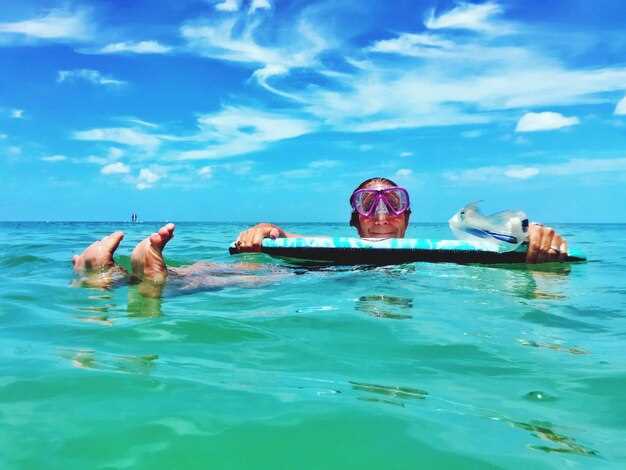
We recommend bringing a compact, quick-dry wardrobe for daily use, plus a dry bag. Wear breathable, UV-protective layers from dawn to dusk, and add a lightweight rain shell for sudden showers. This approach keeps luggage light and preserves flexibility for coast-hopping throughout your trip, aiding relaxation and appreciation of scenery during tourism. To protect possessions, use a lockable pouch and avoid leaving valuables unattended to reduce robberies.
Here are clear tips and a practical checklist to match your chosen itinerary and maintain organization on the go. Note from liza: the suggested pieces should prioritize comfort, protection, and mobility. This plan unlocks the potential of each day.
Clothing and Essentials
Two quick-dry swimsuits and a rash guard cover you for swimming; two lightweight T-shirts; one long-sleeve UV shirt; two pairs of shorts and one pair of lightweight pants for evenings; a breathable cover-up for parties; water shoes and sandals; a broad-brim hat and sunglasses; reef-safe sunscreen (SPF 30+), lip balm with SPF; a compact towel; a small first-aid kit; a dry bag and waterproof phone pouch; a lightweight rain shell; zip-lock bags to separate damp items; a compact organizer to support organization.
Mark your bags with a bright mark to ease transfer between boats. liza notes that the chosen outfit should balance mobility with sun protection, especially during peak months; there is an option to rent snorkeling gear from services, and ensure any gear released for use is cleaned. For signaling, include a waterproof matchstick container or a whistle. Respect local rights and keep valuables secured to reduce robberies. For heath, stay hydrated, and carry a compact personal care kit for yourself during long days.
Safety, Health, and Environmental Tips to Protect Yourself and the Islands
Lock valuables in your hotel safe and rely on cards for most payment; carry only essential cash and a photo ID to minimize risks and make it easier to return home.
Practical Safety Steps
- Choose a reputable operator for day trips and request to see the safety briefing; these outfits frequently provide checked life jackets and a clear show of credentials, arguably the safest option.
- Keep valuables secured in a waterproof pouch and avoid displaying jewelry while on board; robberies have been reported in some market areas, so keep these items close to yourself and within sight during shore excursions.
- Stay on marked paths and within park boundaries when visiting coastal reserves between the islets; this protects people and the coral while reducing the risk of injuries.
- Respect local etiquette; in crowded spaces some vendors adopt cholón approaches–politely decline and move away if pressure rises.
- Where possible, request a woman-led guide; international travelers often feel more comfortable and safer with a female guide during outings.
- Arrange your plans in advance and verify pickup times, meeting points, and total costs; these arrangements help unwind confusion and avoid surprises during the trip.
- Pack for variable conditions: antarctic-level sea breeze can hit early departures; bring a light jacket, hat, and reef-safe sunscreen to support your heath.
- Carry a small first-aid kit and a water bottle; drink regularly and avoid dehydration; keep medicines in their original packaging.
- During crowded moments, use cards whenever possible and store extra money in a safe place; stay alert for suspicious activity and keep your yourself in mind as you move.
- If you travel as a couple, agree on a quick signal and a shared meeting point in case you get separated.
- Check weather and sea-state updates before departures; higher swells can complicate crossings and limit access to some shore spots.
- Always remain within sight of your guide and travel companions; these practices help you stay safer throughout the day on and around the water.
- Ask for a receipt and keep a copy of itineraries and contact numbers; having checked details helps you resolve any discrepancy quickly.
Health and Environmental Practices
- Observe marine life from a respectful distance; enjoy your time while avoiding contact with coral and wildlife; this protects the various species and the island ecosystem, born from coral growth and ongoing conservation efforts.
- Hydration is essential: drink clean water regularly and use a reusable bottle; throughout the day, refill at provided stations and minimize plastic waste on the islands.
- Dispose of waste properly and prefer venues with recycling options; do not leave trash on beaches or in marine park zones, as these actions harm wildlife and the local home waters.
- Choose food outlets that follow international hygiene standards and avoid undercooked offerings; this reduces health risks for you and other travelers.
- Respect marine park restrictions; reported violations can lead to fines and harm ecosystems, so follow posted signs and stay on approved routes.
- Plan downtime between activities to unwind and savor scenery; a short tale about nesting turtles or reef life can enrich the visit, but stay a safe distance from sensitive sites.
- Support sustainable lodging that limits energy use and plastic; this helps protect the home environment and the archipelago’s balance, which was born from vibrant reef systems and requires ongoing care.
- If you encounter an issue, alert staff or authorities promptly; international cooperation helps track trends and keep the community safe.
- For solo travelers, families, or groups, share your itinerary with someone back home and set a clear plan for reunions; this is a practical safety measure that many travelers frequently use.