


 اردو
اردو  English (UK)
  Русский
  বাংলা
বাংলা  العربية
  日本語
日本語  한국어
한국어  Magyar
  Norsk nynorsk
  Türkçe
  עִבְרִית
  Español
  Čeština
  Svenska
  Português
  Ελληνικά
  Suomi
Suomi  Nederlands
  Română
  Italiano
  Français
  Polski
  Українська
  Deutsch
  简体中文
简体中文  Slovenčina
  Српски језик
  Azərbaycan dili
  O‘zbekcha
  አማርኛ
አማርኛ  اسوان میں نوبیائی گاؤں - مصر کے سب سے رنگین گاؤں کے لیے مکمل رہنما">

Begin at dawn and linger until the heat eases; temperatures are cooler, and the river light reveals pigments on wall murals. Exploring the narrow lanes offers a living canvas of daily life and craft, a first-step you would not regret.
Hospitable families run guesthouses and simple cottages that welcome travelers; these offers are often pure, with tea ready on arrival and stories shared in the courtyard. Cooking demonstrations appear on schedule in some homes, letting you sample millet bread and spice blends.
Exploring the lanes during festival seasons can be intense; crowds gather around bead stalls, drum circles, and riverfront performances that often ended with fireworks. If you aim for calmer scenes, go midweek and in late morning to catch soft light on painted walls note the texture in each alley.
The surrounding nature and river views deliver a photographer-friendly palette; you would be tempted to stay longer to capture the light on water and how nets are mended by the shore. If your budget is broke, stay in a family guesthouse; this keeps costs down and preserves the warmth of hospitality.
martin, a long-time traveler, notes that nearby villages maintain traditions through beadwork, music, and a weekly market. The complete itinerary can include short rides to nearby settlements to gain a broader sense of Nile-inspired design, and even the fancy beadwork on display reveals regional motifs; but beware of crowds around popular streets; drift through less-traveled lanes for authentic encounters.
To align with local rhythms, check calendars for تہوار and plan visits around cooler hours. The cooking culture often spills into courtyards, where vendors share spices and tea; note that some workshops end early, so ask for demonstrations ahead of time.
In sum, this experience would offer a compact, design-forward glimpse into riverlife that travelers would carry abroad; a handful of hours can feel like a full day thanks to generous hospitality, vivid views, and the chance to witness craft in motion.
How to reach Nubian Village from Aswan: fastest routes, ferries, and road options
Best first step: hire a private taxi from your hotel to the riverfront on the west bank, then cross by a short public ferry and join a local guide to reach the onshore community after you passed the quay. The overall time is fast, usually 25–35 minutes, depending on traffic, and costs stay within a range of 120–250 EGP for the transfer.
Fastest routes: The quickest path is a private car ride to the west bank ferry terminal, followed by a 5–10 minute river crossing by motorboat or pedestrian ferry. From the landing, you’ll walk with a local guide to the main riverfront compounds; along the way you might pass small markets and huts. The total time rarely exceeds 40 minutes, and the route gives within easy reach a kingdom of color along the water. If you travel with a friend, the plan can be even faster and easier to manage.
Ferries and boat options: The pedestrian ferry runs every 15–20 minutes, crossing takes 5–7 minutes, and the fare is about 2–5 EGP per person. A light skiff can drop you directly to the riverside entrance of the community in 4–6 minutes but costs a bit more; hotel bellboys can arrange this transit and carry your bags. After arriving, you’ll find stalls, small restaurants, and a few local carriers that offer short rides within the area. The experience boasts color, life, and a grand sense of arrival.
Road options: If you travel by car, head to the west bank along the Nile road; expect a quieter drive with less traffic than the main center. The route passes by several houses and modest buildings; signage is clear, and you’ll reach the community entrance within 25–40 minutes depending on traffic. The trip might be slightly longer during peak hours, but it remains a fast and possible way to keep your schedule. A rental scooter or car stays within reach of cafes and stalls, with a quick return if needed; the quiet west bank gives you a more positive mood for a visit.
On-site and extensions: A local guide can join you to share the story of the settlement, including the color-shaded houses and the way the buildings line the river. The area boasts a grand mix of hues; stays with a local family offer a home-like atmosphere. You can relax at a riverside eatery to drink tea or water, but prefer bottled options. Craft stalls line the quay, and a friend may point out kato street corners and other landmarks. The immersion is positive, especially for travelers seeking a quieter mood and you walk among homes that welcome visitors against the heat of the day.
Combine with other destinations: If time allows, plan a day that includes a detour to edfu and luxor for grand temples and a riverbank stay; this makes your trip more complete, and you can join a guided circuit that returns you to your hotel within the day. The west bank setting remains quieter and offers that specialthe mood that lingers after sunset, with locals welcoming you as a guest, offering stories and home hospitality. The journey gives you a positive immersion and a chance to drink water from bottled sources while you walk past stalls and past homes.
عملی نکات: Carry water and bottled drinks, stay hydrated; wear light clothing; hire a trusted guide; arrange with bellboys at your hotel to assist with luggage and to book a skiff or ferry; tip modestly. This helps you join the local rhythm and makes the whole route smoother.
Where to stay near Nubian Village: recommended guesthouses and waterfront camps
Best pick: Soleb Riverside Guesthouse, a small mudbrick property with cheerful Sudanese staff, private verandas, and a vibe that blends tradition with simple wellness touches. It sits along a quiet Nile bend, a short transfer from the main waterfront, and offers safe storage for valuables with a compact safetywing setup on every door. Costs start around $28–$45 per night, breakfast included, and the guesthouse can arrange a private photo transfer to the cliffs for sunset shots.
Second option: a waterfront camp with canvas tents and a casual cafè on site. Guests enjoy the bright, cheerful atmosphere, where locals and travelers swap stories through the whole stay. Then note that prices range roughly $40–$70 per night, with options for single tents or small family units. The vibe stays intimate throughout the season, and the staff can guide you onto short transfers to nearby photo spots overlooking the river and the legend of the area.
Alternative: mudbrick guesthouse on the West Bank, a short ride from the main ferry and well connected to areas with traditional crafts. This small property often keeps costs lower, around $25–$40 per night, and its creativity-forward hosts offer informal wellness tips, sudanese-style coffee breaks, and a cheerful mood that makes guests feel welcome. For safety, request a room with a reinforced door and keep valuables in the front desk safe–then you can relax and enjoy the vibe without worry.
Practical tip: pick a stay that offers a reliable transfer from the river crossing, especially if you’re coming after dark. Throughout your stay, you’ll find locals guiding you from the quay to the entrance with a friendly hello and a quick chat about the area’s cliffs and photo opportunities. If you enjoyed the on-site cafè, ask the staff about a dawn stroll to catch the sunrise over the water and the faint echo of a legend whispered by the breeze.
Safety and gear: verify a simple safetywing lock on the guestroom door and a small safe for valuables, especially if you plan to keep cameras, phones, and passports handy. Then note that some camps offer a wellness corner with basic exercise mats and a shaded patio–ideal for a short stretch after a day of exploration along the shore. Costs for these add-ons are modest and clearly posted at reception.
What to expect on arrival: a cheerful welcome, a quick transfer to your quarters, and a friendly briefing on local etiquette and dress. Areas around the riverbank are accessible by short transfers and offer plentiful photo opportunities, from wooden dhows at dawn to limestone cliffs at dusk. If you’re intrigued by the culture, consider a late-afternoon visit to a Sudanese cafè run by a local family, where you can sample mint tea, learn a few phrases, and hear a legend or two about the area’s beginnings.
What to do in a visit: must-see spots, timings, and a practical day plan
Begin with a رہنمائی یافتہ dawn stroll along the riverbank, invited by a local host, and took in the scent of spices and wood as light reveals the simple décor of waterfront homes. وہ the kind of immersion that lets visitors feel nubians’ daily life before the حرارت climbs; سے پہلے you start, check the forecast and wear breathable fabrics.
Must-see spots include the soleb temple ruins and a cluster of nubians’ craft courtyards where you can watch artisans at work, including small workshops that show traditional textile and beadwork. A short, مَحلّی walking route passes by schools where children practice calligraphy and songs, offering immersion into everyday rhythms. The experience اجازت دیتا ہے you to compare مصری history with contemporary life, and a specialthe touch comes from a quick scent of spice from a market stall. If you want a deeper dive, شامل ہوں a رہنمائی یافتہ tour that links tagines tastings with a کتاب of notes for بلاگنگ later.
Key stops and timings
07:00–07:45: dawn ٹہل قدمی along the water, watch fishermen, and photograph the ڈیکور with minimal crowds. 09:00–11:00: visit soleb temple ruins and stop at two nubians’ workshops. 11:30–12:30: lunch break with tagines and tea at a riverside family home. 13:00–15:00: اسکولز observation and a short boat ride to a crafts quarter. 15:30–17:00: immersion in a local market, including a demonstration of beadwork and pottery. 18:00–19:30: nights market stroll and sunset photography. 20:00–21:30: light ٹہل قدمی back, then a relaxed مصری coffee by the water.
Practical day plan and tips
From قاہرہ departures, advisable to plan a two-day extension if possible; this adds time for a رہنمائی یافتہ excursion and a late dinner. پہلے you leave the lodge, book additional transfers and confirm مَحلّی رہنما؛; بہتر کو شروع with the early walking segment to beat midday heat. If you’re a وزیٹر who loves تعیش/آسائش touches, reserve a private boat for the afternoon and request a shaded, specialthe seating area. This plan اجازت دیتا ہے a comfortable pace for nights out and an immersive feel without rushing. Bring water, light snacks, and a small notebook to کتاب your discoveries for بلاگنگ later and پھر share stories with nubians. Evil rumors fade when you see real life up close; stick to your guide and stay respectful of homes and schools.
Nubian food and dining: iconic dishes to order and where to eat
Pick kisra with a tomato-lentil stew and hibiscus tea for a perfect start, especially on a peaceful riverside morning where villagers chat and the air hums. Like this region’s fare, such meals are made for sharing, making it easy to pick something that matches your pace during traveling and exploring the market. If you want a genuine meal somewhere, look for lodges with riverfront terraces where visitors can watch boats drift by while laughter drifts from the kitchen, and where guests feel respected by cooks who honor nature.
Options span riverside cafes, family-run lodges, and market-side stalls–aren’t compared to fast-food rows elsewhere, because here the atmosphere itself adds flavor. Somewhere along the quay, traveling friends and travelers swap stories, sip karkade (hibiscus) tea, and observe how life on the water moves at a slower tempo than city centers. The market buzzes with colors, spices, and the scent of roasted peanut snacks, offering a pleasant rhythm that invites exploring without rushing–a contrast to airport flights and hurried schedules.
| Dish | اہم ذائقے | Where to order | بہترین وقت |
|---|---|---|---|
| Kisra with tomato-lentil stew | Sorghum flatbread with a hearty, tangy lentil mix; garlic, cumin | گودی کے قریب مارکیٹ اسٹال یا لاج ڈائننگ روم | لنچ اور ڈنر |
| جڑی بوٹیوں کے سوس کے ساتھ گرلڈ نیل پرچ | تازہ دریائی مچھلی، دھنیا، مرچ کا تیل | غروب کے بعد کشتیاں یا دریا کے کنارے کھانے کی جگہیں | evening |
| بھنڈی اور ٹماٹر کا شوربہ چاول کے ساتھ | بھنڈی ایک چمکدار ٹماٹر کے base میں، پیاز، مصالحہ جات | لاجوں، خاندانی کیفے | دوپہر |
| Hibiscus tea (کرکڈے) | خشک گل خطمی سے تیار کردہ روشن، کھٹا مشروب | مارکیٹ کیوسک، لاج ٹیرس | کسی بھی وقت، خاص طور پر دوپہر میں |
| خرمے کی پیسٹری تل کے ساتھ | میٹھے، گری دار، پرت دار پکوان | مارکیٹ اسٹال، ڈیزرٹ کاؤنٹر | ایکسپلور کرنے کے بعد سنیک |
یہاں کھانے کی تلاش صرف غذائیت کے بارے میں نہیں ہے؛ یہ ایک میز پر مشترکہ کہانیوں کے بارے میں ہے، جہاں زائرین اور مقامی لوگ ذائقوں اور یادوں کا موازنہ کرتے ہیں۔ کچھ راستے ساحل پر بندھی چھوٹی کشتیوں کی طرف جاتے ہیں، کچھ لاجوں کی ایک قطار کی طرف جہاں ایک باورچی مسالوں کے مرکب اور فطرت کے لیے ثقافتی احترام کی وضاحت کرتا ہے جو ہر ترکیب کی بنیاد ہے۔ بازار میں ایسے اجزاء فروخت ہوتے ہیں جو خانہ بدوشوں کی طرح آسانی سے سفر کرتے ہیں، اور ماحول–ہنسی اور ہلکی پھلکی باتوں سے بھرا ہوا–کھانے کے تجربے کو کھانے سے زیادہ ایک تہوار کی طرح محسوس کرتا ہے، جو ہر ایک کو دعوت دیتا ہے کہ وہ ایک پسندیدہ چنیں اور مزید کے لیے واپس آئیں۔.
فوٹوگرافی کے اصول اور آداب: بہترین اوقات، اجازتیں، اور احترام سے پوز دینا
ہمیشہ تصویر کشی سے پہلے واضح اجازت حاصل کریں اور خوشگوار تاثر قائم کرنے کے لیے ایک پرجوش سلام سے آغاز کریں۔ اپنے انداز کے بارے میں درست سوچیں، سیاق و سباق کا ایک اضافی نوٹ شامل کریں، اور ان کا احترام کریں؛ بہت سے لوگ ہنسی اور فراخدلی کے ساتھ جواب دیتے ہیں۔ ایک مختصر تعارف کے ساتھ آغاز کریں اور اپنا مقصد بیان کریں، اور اگر وہ چاہیں تو حتمی شاٹس شیئر کرنے کی پیشکش کریں۔.
وقت اور روشنی
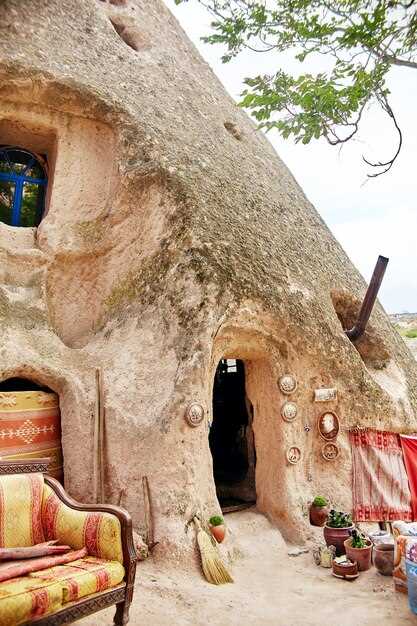
طلوعِ آفتاب کے فوراً بعد پہلے گھنٹے میں یا غروبِ آفتاب سے پہلے آخری گھنٹے میں نرم روشنی کے دوران شوٹ کریں، جب سائے نرم ہوں اور افق کے ساتھ رنگ گرم محسوس ہو۔ اصلیت کو برقرار رکھنے کے لیے قدرتی روشنی کا استعمال کریں اور بھاری آلات سے گریز کریں جو حرارت کا اضافہ کرتے ہیں۔ اگر آپ واٹر فرنٹ کے ساتھ گھوم رہے ہیں، تو آپ کو ایسے مقامات ملیں گے جہاں ہوا کے ساتھ چمک بدلتی ہے۔ یہ ان لمحات میں ساخت اور گہرائی پیدا کرنے میں مدد کرتا ہے جنہیں آپ ساحل کے کنارے کہیں خزانے کے طور پر رکھیں گے۔ جب آپ دریافت کرتے ہیں تو روشنی بدل جاتی ہے، آپ کی دریافت کی رہنمائی کرتی ہے اور موڈ کو بڑھاتی ہے۔.
ہجوم کم ہونے پر اپنے گھومنے پھرنے کا منصوبہ بنائیں، اور اگر گرمی تکلیف دہ ہو جائے تو اپنے منصوبوں کو تبدیل کرنے کے لیے تیار رہیں۔ صحیح وقت بندی اس بات میں نمایاں فرق پیدا کرتی ہے کہ وہ تصویر کھنچوانے کے بارے میں کیسا محسوس کرتے ہیں، اور یہ آپ کو بغیر تناؤ کے واقعی پیاری چیز حاصل کرنے دیتی ہے۔.
بات چیت کلید ہے۔ اجازت طلب کریں، اپنا ارادہ واضح طور پر بتائیں، اور کسی بھی خدشے کو سنیں۔ سخت انداز کی بجائے بے تکلف اظہار خیال کو ترجیح دیں، اور آپ دیکھیں گے کہ زیادہ فطری نتیجہ سامنے آئے گا جو روزمرہ کی زندگی کی عکاسی کرتا ہے۔.
جب آپ شوٹ کریں، تو سیشنز کو مختصر اور بااحترام رکھیں، اور منظر کے تال کو برقرار رکھنے کے لیے نرم، غیر مداخلت والے زاویوں پر غور کریں۔ بہت سے سفری لمحات کی طرح، بہترین فریم اس وقت بنتے ہیں جب آپ اس منظر میں گھل مل جاتے ہیں بجائے اس کے کہ اس سے الگ کھڑے ہوں۔.
اپنے شاٹس کو ارادے سے اسکیچ کریں لیکن لچکدار رہیں؛ سچ تو یہ ہے کہ حتمی نتائج چھوٹی چھوٹی گفتگوؤں، ہلکے تعاملات اور اس ماحول کے مطابق ڈھلنے کی رضامندی سے آتے ہیں جس سے آپ کو راستے میں سامنا ہوتا ہے۔ چند محتاط فریم ایک گرم، خوش آمدید کہنے والی جگہ کی ایک پیاری سووینئر بن سکتے ہیں۔.
دریا پر موجود سہولیات کے بارے میں جاننے کے لیے، آپ چھوٹی کشتی کی سواری یا موٹر بوٹ کے ذریعے مختلف جگہوں تک جانے کا بندوبست کر سکتے ہیں۔ خلل کو کم سے کم رکھنے کے لیے کشتی کے کپتان اور دیگر سیاحوں کے ساتھ رابطہ کریں۔ کشتیوں سے آنے والی موسیقی اور حرکت کی آواز آپ کی سفری تصاویر میں رنگ بھرتی ہے، لیکن ہمیشہ لوگوں کو مشینری کے بجائے توجہ کا مرکز بنائیں۔.
خریداری اور دستکاری: مستند نوبیائی مصنوعات اور سودے بازی کے نکات
چھوٹے نوٹ ساتھ لائیں، گرمجوشی سے سلام کے ساتھ دکانداروں سے ملیں، اور فیصلہ کرنے سے پہلے گھوم پھر کر دیکھ لیں؛ ایسی باتیں اکثر اصلی کاریگری کی مناسب قیمت پر ختم ہوتی ہیں۔ تھوڑی دیر گھومنے پھرنے اور احتیاط سے موازنہ کرنے کے بعد قیمتیں مناسب ہو سکتی ہیں، اور آپ کو ایسے فن پارے ملیں گے جو خطے کی خوبصورتی کی عکاسی کرتے ہیں۔.
یہ خریداری ہنرمند کاریگروں اور ان کے خاندانوں کی مدد کرتی ہے، جس سے معاشروں پر مثبت اثر پڑتا ہے۔ ہر چیز تجربات کی حامل ہے جو ایک طویل روایت اور ذاتی کہانی سناتی ہے۔.
اصلی دستکاری کہاں تلاش کریں؟
- دریائے نیل کے کنارے واقع بازار، جو دریا کے موڑ کے قریب اور چٹانوں کے نیچے واقع ہیں، موتیوں کے کام، بنے ہوئے کپڑے، مٹی کے برتن، پینٹ کیے ہوئے لوکی، ٹوکریاں اور لکڑی کی نقش و نگار پیش کرتے ہیں۔ اس طرح کے اسٹال اکثر خواتین کاریگر چلاتی ہیں جو ہر لین دین میں گرمجوشی اور صبر لاتی ہیں۔.
- فلُوکہ یا موٹر بوٹ کے ذریعے جزیرے کی ورکشاپوں تک رسائی ممکن؛ شام کے وقت، لالٹینوں کے نیچے رنگوں کی چمک اور بیچنے والوں اور زائرین کی ہنسی ایک خوش آئند ماحول پیدا کرتی ہے؛ تازہ مال اور نئے ڈیزائن دیکھنے کے لیے صبح سویرے اٹھیں۔.
- لکسر کے علاقے میں تہواروں کے دوران منعقد ہونے والے میلوں میں کاریگروں کی ایک وسیع رینج آتی ہے، جس سے نمونوں کا موازنہ کرنا اور ایک مخصوص انداز تلاش کرنا آسان ہو جاتا ہے جسے آپ انسٹاگرام پر گھر لے جانا چاہیں گے۔.
- ورکشاپ سے براہِ راست خریداری سب سے مستند ہوتی ہے؛ ہر چیز عام طور پر ہاتھ سے تیار کی جاتی ہے اور یہ آپ کی بہترین دریافت ثابت ہو سکتی ہے، چاہے وہ موتیوں والی بیلٹ ہو یا پیچیدہ مٹی کے برتن۔.
مول بھاؤ کے کچھ اصول
- دوستانہ انداز میں ملیں اور معمولی سی پیشکش کریں؛ مانگی جانے والی قیمت کا تقریباً 60–70% سے آغاز کریں، پھر منصفانہ نتیجے کی طرف گفت و شنید کریں۔ اگر دکاندار اثبات میں سر ہلائے تو آپ کو مشترکہ بنیاد مل گئی ہے؛ اگر نہیں، تو آپ بالکل جا سکتے ہیں اور دوبارہ کسی اور آپشن کو آزما سکتے ہیں۔.
- قیمت پر گفت شنید سے پہلے معیار کی جانچ پڑتال کریں: ٹیکسٹائل پر سلائی، زیورات پر وزن اور فنشنگ، مٹی کے برتنوں پر روغن، اور پینٹ کی سطحوں کی ہمواری چیک کریں؛ ایسی تفصیلات اکثر ٹکڑے کی اصل قیمت کی عکاسی کرتی ہیں۔.
- خریدنے سے پہلے مختلف کاریگروں کے کئی آپشنز دیکھنے کی درخواست کریں؛ ڈیزائن کا موازنہ کرنے سے آپ کو مستند نقش و نگار دریافت کرنے میں مدد ملتی ہے جو یادداشت میں رہتے ہیں اور سوشل پوسٹس پر اچھی طرح ترجمہ کرتے ہیں۔.
- مہذب انداز اور مزاح کا استعمال کریں؛ ہلکی پھلکی ہنسی گفتگو کو محترمانہ رکھتی ہے اور دستکاری کے لیے احترام کو کم کیے بغیر قیمت کو نرم کر سکتی ہے۔.
- چھوٹے نوٹ رکھیں اور پیشکشوں کی مقامی نبض کو سمجھیں؛ کچھ دکاندار موبائل ادائیگی قبول کرتے ہیں، لیکن دریا کنارے اور جزیروں کی مارکیٹوں میں بہت سے ٹھیلوں پر اب بھی نقدی ہی عام ہے۔.
- ذہن میں ایک واضح حد رکھیں اور پیچھے ہٹنے کے لیے تیار رہیں؛ ایسی مضبوطی اکثر ایک بہتر جوابی پیشکش لاتی ہے اور ملتی جلتی چیزوں کے لیے زیادہ قیمت ادا کرنے سے بچاتی ہے جن کی آپ کو گھر میں دوبارہ ضرورت ہوگی۔.