


 اردو
اردو  English (UK)
  Русский
  বাংলা
বাংলা  العربية
  日本語
日本語  한국어
한국어  Magyar
  Norsk nynorsk
  Türkçe
  עִבְרִית
  Español
  Čeština
  Svenska
  Português
  Ελληνικά
  Suomi
Suomi  Nederlands
  Română
  Italiano
  Français
  Polski
  Українська
  Deutsch
  简体中文
简体中文  Slovenčina
  Српски језик
  Azərbaycan dili
  O‘zbekcha
  አማርኛ
አማርኛ 
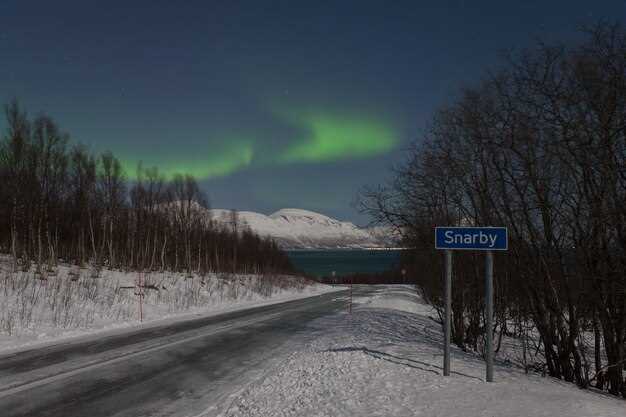
The Northern Lights, or Aurora Borealis, are a truly magical phenomenon that captivates visitors from around the world. Located in the stunning landscapes of Iceland, these shimmering lights offer an unparalleled experience that you won’t want to miss. یہ are several things to consider when planning your trip to see the auroras, including the best times, ideal locations, and tips for a rewarding road trip through this beautiful country.
The season for viewing the Northern Lights typically runs from September to April, when the nights are longer and darker. During these months, آپ کر سکتے ہیں۔ witness the lights dancing across the sky in hues of green, pink, and blue. اگرچہ the conditions can be unpredictable, staying in areas away from city lights, such as Akureyri یا قریب Snæfellsjökull glacier, will improve your chances of experiencing this breathtaking display.
As you plan your trip, consider taking a road trip along Iceland’s dramatic roadways. This journey can provide you with several opportunities to stop and تصویر the lights against the backdrop of icebergs, mountains, and thermal pools. Bring a تپائی for your camera to capture the stunning visuals, and don’t forget to dress warmly in wool layers. کے اندر the heart of the Icelandic wilderness, the rewards of watching the Northern Lights are worth the entire trip. So pick your location wisely and enjoy the beauty that nature has to offer during this remarkable season.
Optimal Timing for Northern Lights Observations
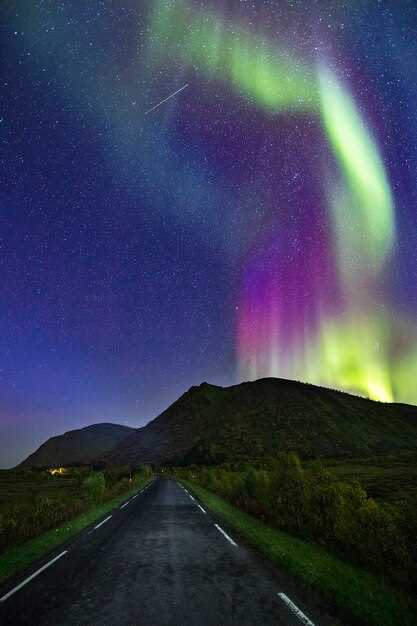
For those looking to witness the breathtaking display of the Northern Lights in Iceland, timing plays a crucial role. The best months for observing the aurora are generally from September to mid-April, when the nights are longest and the skies are darkest. During these months, particularly in areas like Akureyri and the Snæfellsnes Peninsula, the chances of seeing this phenomenon are significantly higher. On particularly cold nights, when daylight is non-existent, the brightness of the aurora can often be more pronounced, showcasing stunning wisps of color swirling across the sky.
Planning a road trip during this period can enhance your experience, as some locations, such as glacial lagoons and remote national parks, allows for optimal viewing. Finding spots away from urban light pollution can keep your visibility high, making it easier to follow the aurora’s dance. Using a tripod for your camera is advisable to capture these magical moments without blur, which is especially helpful when the lights are slow and subtle. The terrain around you, from mountain trails to canyon edges, often adds to the adventure while providing unique experiences beneath the celestial display.
To ensure you have the best chance, always check the aurora forecast online before heading out. Engaging with local culture and tales can lead you to hidden gems for the hunt. Some popular ideas include taking guided tours or venturing into the fields around icebergs for an unforgettable backdrop. Keep your hands warm and pack layers, because being outdoors in the colder nights can turn into an exciting journey filled with anticipation and wonder, once you find the right spot to soak in the vibrant show of the Northern Lights.
Peak Months for Northern Lights Viewing
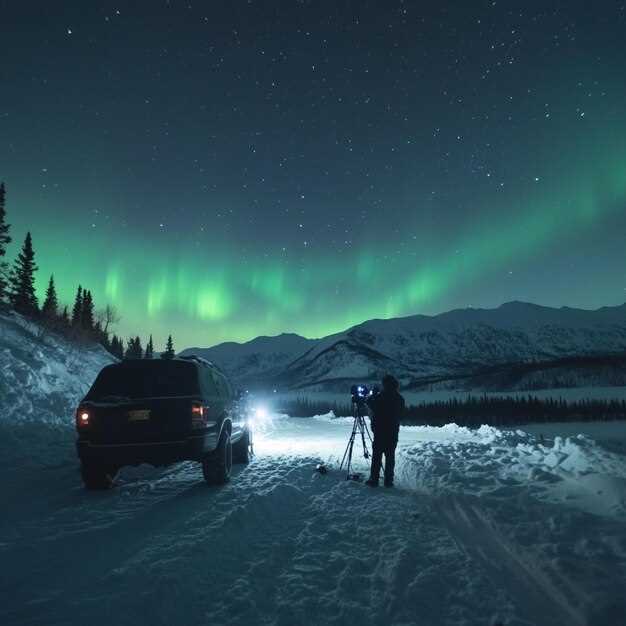
The best times for witnessing the Northern Lights in Iceland are during the darker months, particularly from September to April. This season brings longer nights, making it significantly easier to see the beautiful lights dancing across the sky. The peak period is usually between late September and early March, when the weather is colder, and the nights are longest.
During these months, particularly in December and January, the days are shorter, creating prime opportunities for Northern Lights hunters. These months are known for their full darkness, which increases the chances of seeing this awe-inspiring natural phenomenon. The atmospheric conditions tend to be more favorable, allowing for stronger displays of the aurora borealis.
- September: A great month for first-time travelers; the weather is still mild.
- October: Cooler temperatures set in, and the nights get longer.
- November: With the arrival of winter, snowfall creates a beautiful contrast against the black night sky.
- December to January: The peak season; expect the most significant displays.
- February: The colder, clear nights provide excellent visibility.
- March: Still a good month for viewing but see the first signs of spring.
Locations across Iceland, such as Þingvellir National Park and various jagged coastline spots, offer easy access for photographers eager to capture the ethereal beauty of the lights. The glacial lagoon at Jökulsárlón is also a well-known area where the reflections in the lagoon can create stunning visual effects. Those places attract many travelers wanting to experience this Icelandic mythology firsthand.
It is crucial to remain alert to the aurora forecasts while planning your trip. Websites provide updates and alerts about the expected aurora activity. Stronger solar winds produce more vibrant displays, so aligning plans with these natural cycles can increase your chances of a magical evening under the Northern Lights.
Unexpected weather changes and emergency drop-off situations can occur, so it’s helpful to have manual control of your travel options. Keeping a set of wool socks in your bag is also advisable, particularly when heading into the colder mountainous regions. The comfort they provide can make all the difference during those longer night outings.
In conclusion, timing is vital when venturing to see the Northern Lights in Iceland. With significant sightings during specific months and notable locations along the way, it’s essential to plan ahead. As you look at the forecast, prepare for magical stories of light that have captivated humanity for centuries. The Northern Lights are an experience unlike any other, one that solidifies everyone’s connection to the earth and nature’s beauty.
Weather Conditions to Consider
When planning your adventure to hunt for the Northern Lights in Iceland, understanding the weather conditions is crucial. The best time to view the aurora borealis is during the darker months, usually between September and March. During this season, the nights are long, and the skies are generally clearer. However, you should always check the forecast as it can change rapidly, with thermal storms or glacial winds sometimes obstructing your views. Locations like the town of Vik or the کاٹلا volcanic canyon can be ideal places that are usually marked by prominent atmospheric conditions conducive to seeing the lights.
Humidity, cloud cover, and precipitation play significant roles in visibility. Generally, you’re looking for clear nights when the auroras are most likely to be active. Research has shown that when solar activity is high, the chances to see the lights improve, particularly in areas below a certain latitude. Parks such as Thingvellir or the fields around Akureyri offer picturesque locations where the atmospheric factors may align perfectly for breathtaking views.
Additionally, you should consider the temperature, as colder nights often yield clearer skies. It’s also a good idea to be flexible with your plans. If one location doesn’t provide the desired views, be ready to travel to nearby villages or other towns. A knowledgeable driver can help you shake off the uncertainties and take you to the best spots. Remember, stories of the majestic colors of the lights illuminate the skies while you stand outside, enjoying nature in its most beautiful state without the distractions of summer. Tailor your schedule according to the facts you’ve read about optimal conditions, and let the adventure begin.
Above Average Solar Activity and Its Impact
Above average solar activity significantly enhances the chances of witnessing the Northern Lights in Iceland. The best chances typically occur during the cold winter months when the nights are long and dark. During periods of heightened solar activity, the particles emitted by the sun collide with the Earth’s atmosphere, creating stunning displays of lights in the sky. These illuminations often include vibrant purple, pink, and green colors, making for a breathtaking sight.
Traveling away from populated towns and cities increases your odds of spotting these glorious lights. Remote locations, such as the fields near a glacier or a lake situated in a national park, provide safe and dark environments for prime viewing. The Snaefellsnes Peninsula and Thingvellir National Park are popular spots where visitors can follow trails that lead to perfect viewing points.
While exploring, be sure to bring along waterproof gear such as a camera case and suitable outerwear. The weather can change quickly in Iceland, especially during winter months. A sturdy tripod is also recommended for capturing clear photographs of the lights. Your trip can include visiting nearby villages that have tales of local folklore regarding the lights, enriching your Icelandic experience.
Record a remarkable moment by picking the right location and timing. Many travelers decide to join organized tours that include local guides, which can greatly enhance your knowledge about the lights and Icelandic culture. Alternatively, self-service setups for Northern Light hunting can also be fulfilling.
It is essential to stay informed about the level of solar activity and the forecasted weather conditions. Articles that include up-to-date facts on solar storms can assist in planning your visit. Gray skies and cloud cover can obscure views, so flexibility is key while arranging your schedule in hopes of seeing the lights.
Once settled into your accommodation, check local offices for information on peak viewing times and locations. Many towns even provide updates on solar activity, which increases the excitement. Enjoy the atmosphere, share stories with fellow travelers, and embrace the adventure ahead.
For families traveling with children, engaging in nighttime activities can be a thrilling experience. Bundle up in warm wool layers, then embark on a short walk to views of the lights. Introduce them to the wonder of nature and make memories while surrounded by grand landscapes.
In conclusion, above average solar activity can transform a trip to Iceland into an unforgettable adventure. Plan wisely, consider the factors that affect visibility, and remain adventurous. The stunning displays of Northern Lights await, painting the Icelandic skies and leaving travelers in awe.
Top Locations for Northern Lights in Iceland
One of the most popular spots for viewing the Northern Lights in Iceland is the Jökulsárlón Glacier Lagoon. This stunning area is known for its beautiful icebergs that float serenely in the crystal-clear waters. The combination of the aurora borealis reflecting off the lagoon’s surface creates a dramatic display that many photographers dream of capturing. Here, visitors can enjoy the peacefulness of the surroundings while waiting for the lights to dance in the night sky.
Another excellent location is Þingvellir National Park, which offers dark skies and wide-open fields that are perfect for spotting the Northern Lights. The park’s unique geological features not only provide striking backdrops for the aurora but also a sense of history, as it is the site of Iceland’s first parliament. It has become a popular spot for group tours and those who want to combine their love for nature with a bit of Icelandic culture.
The charming village of Vík í Mýrdal also brings visitors closer to the auroras. With its dark beaches and surrounding mountain landscapes, this area offers a unique perspective for witnessing the vibrant lights. The climate can be quite cold during the winter months, but with the right forecast, you will find yourself in one of the most picturesque settings to view the displays. Many travelers have decided to stay in this area because of its relatively easy access to various other attractions.
For those seeking a more urban experience, Reykjavik can also be a great starting point. While this capital city isn’t as dark as other areas, there are locations just outside the city limits that provide better viewing options. A quick drive to the surrounding areas often brings the chance to witness the aurora without the interference of city lights. Many locals talk about how the auroras can even be seen from their backyards on clear nights, especially when the forecast is promising.
| جگہ | Distance from Reykjavik (km) | نمایاں خصوصیات |
|---|---|---|
| Jökulsárlón | 380 | Icebergs, stunning reflections |
| Þingvellir National Park | 45 | Historical significance, geological features |
| Vík í Mýrdal | 180 | Dark beaches, mountains |
| ریکیاوک | 0 | Urban setting, access to surrounding areas |