


 اردو
اردو  English (UK)
  Русский
  বাংলা
বাংলা  العربية
  日本語
日本語  한국어
한국어  Magyar
  Norsk nynorsk
  Türkçe
  עִבְרִית
  Español
  Čeština
  Svenska
  Português
  Ελληνικά
  Suomi
Suomi  Nederlands
  Română
  Italiano
  Français
  Polski
  Українська
  Deutsch
  简体中文
简体中文  Slovenčina
  Српски језик
  Azərbaycan dili
  O‘zbekcha
  አማርኛ
አማርኛ 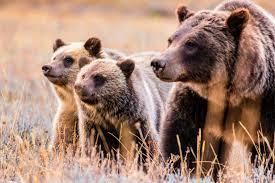 How Grizzly Bear Mortality Influences Tourism Revenue in Yellowstone National Park">

Understanding the Value Behind Wildlife Sightings in Yellowstone
National parks often evoke the word بے_بہا when visitors describe their experiences, and while the emotional impact is indeed immeasurable, recent research explores wildlife sightings through an economic lens. Specifically, a study focused on Yellowstone National Park’s bears sheds light on how much each grizzly bear’s existence—and unfortunate death—means to tourism revenue.
Assigning Economic Worth to Yellowstone’s Bears
Yellowstone is famous not only for its diverse landscapes but for its rich wildlife, including both black bears and the iconic brown grizzlies. The study assessed visitor motivations—whether hiking, geological marvels, or wildlife viewing—and tied these preferences to spending habits. By examining the frequency of bear sightings and analyzing data from the National Park Service’s Visitor Spending Report, researchers estimated the monetary value that visitors implicitly attach to seeing these magnificent creatures in their natural habitat.
Surprisingly, each grizzly bear in Yellowstone holds an estimated $46,000 in economic value, while black bears contribute approximately $15,000 each. Additionally, each individual sighting translates roughly to $16 for grizzlies and $14 for black bears. Collectively, bear viewings bolster Yellowstone’s economy by nearly $17 million annually.
| Black Bears | Grizzly (Brown) Bears | |
|---|---|---|
| Per-Sighting Value | $14 | $16 |
| Per-Bear Value | $15,000 | $46,000 |
| Total Economic Contribution | ~$8.7 million | ~$6.9 million |
Wider Implications: Bear Mortality and Lost Tourism Revenue
When a bear dies—especially due to human causes—the impact ripples beyond the emotional realm, touching the park’s economic fabric. The study highlights that even a handful of grizzly deaths inside Yellowstone leads to a measurable loss in visitor spending, totaling nearly $150,000 annually based on recorded mortality figures.
This loss is not simply theoretical. Reduced bear sightings diminish wildlife viewing opportunities, a key driver of visitor satisfaction and spending patterns. Parks like Yellowstone thus face a delicate balance of conservation and tourism management to maintain both ecological and economic vitality.
Do Other National Parks Share This Economic Bear Burden?
While Yellowstone sets a benchmark, applying the same valuation model to other parks requires consideration of local factors, such as visitor numbers, bear populations, and the prominence of wildlife viewing as a motivation. For instance, Katmai National Park in Alaska, despite being less visited, stands as the true “bear capital” of America but with quite different economics when evaluating its grizzly population.
- Number of bear sightings
- Percentage of visitors focused on wildlife viewing
- Overall visitor expenditure during visits
- Bear population size and distribution
Katmai National Park: Spotlight on Alaska’s Brown Bears
Katmai welcomes about 36,000 visitors each year, all driven solely by bear watching, given the park’s renown for its abundance of roughly 2,200 grizzly bears. Applying Yellowstone’s sighting value would underestimate Katmai’s bear value.
The park generates staggering economic output—over $70 million—primarily attributed to its bears. Even attributing half of this output to the grizzly presence, each bear yields more than $16,000 in value. Within the park, certain famous bears at Brooks Falls, like 32 Chunk and 128 Grazer, draw heavy visitation, potentially increasing their individual worth to around $176,000 each due to their unique appeal.
| Total Economic Output of Katmai National Park and Preserve | $70,500,000 |
| Value Based On Yellowstone Study | ~$250/bear |
| Value If All Bears Are Responsible for 50% of Economic Output | $16,023/bear |
| Value If Top 100 Bears Drive 50% of Total Bear-Related Economic Activity | $176,250/bear |
The Broader Significance of Wildlife Value for National Parks
These findings extend beyond dollars and cents, emphasizing how wildlife—especially grizzly bears—is essential both ecologically and economically. Tourism supports millions of jobs and uplifts local businesses, all hinging on the health and visibility of these creatures in their protected habitats. The study highlights how much visitors are paying indirectly to savor these wild encounters.
In parks like Katmai, the economic ripple effect from losing key bears would be particularly stark. Just one bear’s absence can resonate deeply throughout the park’s financial ecosystem, underlining the urgency of conservation efforts for sustainability. Unrestrained bear mortality—from avoidable circumstances—could translate directly into diminished tourism earnings.
Summary: Why Yellowstone’s Bears Matter More Than Meets the Eye
At a glance, the economic stakes involved in protecting wildlife in national parks are significant. From concrete values assigned to bear sightings to the broader implications of wildlife loss, managing animal populations is integral to sustaining tourism vitality. As visitors increasingly seek enriching travel experiences that include adventure activities, wildlife safaris, and interactive cultural workshops, ensuring healthy ecosystems is vital.
Of course, no amount of data can substitute for a personal encounter in the wild. On platforms like GetExperience.com, travelers can explore verified options for tours and excursions that highlight wildlife watching and much more, empowered to make informed decisions backed by transparent payments and tailored services. Whether planning eco-friendly safaris or museum tours with live guides, visitors find convenience, choice, and value all in one place. Book your trip and get the best offers at GetExperience.com.
آخری خیالات
Assigning an economic value to wildlife, particularly grizzly bears in Yellowstone and Katmai, offers vivid insight into the intersection of nature and tourism economies. These animals are more than scenic icons—they are pivotal economic contributors whose presence enriches visitor experiences and local livelihoods alike. As adventure travel grows more popular and eco-conscious wildlife tourism gains momentum, protecting these natural treasures is key not only to ecological health but to sustaining vibrant tourism industries that benefit communities and travelers worldwide.