


 اردو
اردو  English (UK)
  Русский
  বাংলা
বাংলা  العربية
  日本語
日本語  한국어
한국어  Magyar
  Norsk nynorsk
  Türkçe
  עִבְרִית
  Español
  Čeština
  Svenska
  Português
  Ελληνικά
  Suomi
Suomi  Nederlands
  Română
  Italiano
  Français
  Polski
  Українська
  Deutsch
  简体中文
简体中文  Slovenčina
  Српски језик
  Azərbaycan dili
  O‘zbekcha
  አማርኛ
አማርኛ 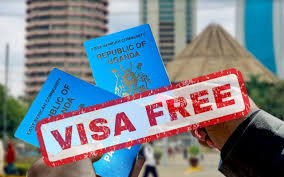 How visa-free travel, digital ID and border upgrades can accelerate Africa’s integration and tourism growth">

Over half of intra‑African journeys still require visas before departure, creating a measurable drag on cross-border commerce, labour mobility and tourism flows even as tariff barriers fall under the African Continental Free Trade Area (AfCFTA).
Why visa openness matters for trade, tourism and mobility
Visa restrictions act as a non‑tariff barrier that limits trade in services, deters investment and reduces the frequency of short‑notice business trips and leisure travel. For tourism operators, delays and complex visa rules increase cancellation rates and raise costs for itinerary planning. Policymakers at the High‑Level Symposium on Advancing a Visa‑Free Africa repeatedly linked visa liberalisation to deeper regional value chains and expanded visitor flows.
Key stakeholder positions at a glance
Senior officials stressed three interlocking priorities:
- Harmonise migration policies to create predictable entry rules across member states.
- Deploy interoperable digital identity systems that streamline clearance and reduce fraud.
- Upgrade border infrastructure to handle higher passenger volumes while keeping security standards high.
Practical enablers and the operational agenda
Speakers including Alex Mubiru, Amma A. Twum‑Amoah and former AU Commission Chairperson Nkosazana Dlamini‑Zuma emphasised operational steps: roll out the African Passport, fast‑track the Free Movement of Persons Protocol, and connect immigration databases across regions. Airlines were explicit that visa liberalisation must align with the Single African Air Transport Market (SAATM) to maximise route viability and reduce fares.
What changes at border points?
Border upgrades pair physical investments with software: e‑gates, biometric enrolment, and data‑sharing platforms that verify credentials before arrival. Interoperability means a traveller’s digital identity can be authenticated across national systems, cutting queue times and improving the predictability of travel for tour operators and business travellers alike.
Table: How visa liberalisation affects sectors
| Sector | Immediate effect | Longer-term impact |
|---|---|---|
| سیاحت | More last‑minute bookings, lower cancellation risk | Growth in multi‑country itineraries and higher visitor spend |
| Air transport | Higher load factors, new route justifications | Greater connectivity and lower average fares |
| Labour & services | Easier short‑term contracts and business travel | Improved regional skills mobility and service trade |
Steps for governments and the private sector
Concrete policy and operational measures include:
- Adopt mutual visa‑waiver agreements and common visa categories.
- Standardise digital ID and biometric enrolment across borders.
- Invest in low‑cost border automation and staff training.
- Coordinate with airlines and tour operators to phase changes in a predictable way.
Implications for travel companies and tourists
For travel businesses, visa openness reduces the friction of producing multi‑destination packages — attractive for cruise packages, safari tours and museum tours with live guides. For travellers, a harmonised regime expands spontaneous travel options: think weekend city breaks, intercity cultural programmes or combined adventure rafting trips for beginners across neighbouring states.
Industry reactions and symbolic momentum
Industry leaders such as Mesfin Bekele of Ethiopian Airlines supported synchronising visa reforms with SAATM. Delegates also signed a symbolic “passport wall” to signal political will; such gestures matter when translating policy into the practical steps that reduce queues and simplify bookings.
How travellers and operators can prepare
Operators should have a mind to do technical audits of reservation systems and customer guidance materials so travellers know documentary requirements in advance. Travelers can look for tours that explicitly state visa support options, and consider flexible cancellation policies while rules transition.
GetExperience highlights the growing market for cross‑border tours and excursions that benefit most from visa liberalisation. The platform enables secure, full payments with voucher confirmation afterward and allows customers to submit requests for tailored tours or excursions — helping providers deliver offers that match individual preferences. For travellers seeking organised itineraries as borders open, GetExperience offers a wide variety of tours worldwide that suit many budgets and tastes; Book now GetExperience.com
At the end of the day, the potential prize is clear: a visa‑free or visa‑lighter Africa could boost travel experiences and adventure activities, stimulate growth in cruise packages and yacht parties, and widen access to eco‑friendly wildlife safaris and exclusive yacht charters for events. It also opens new markets for interactive online cultural workshops, online virtual tours and even professional esports training programs marketed across borders.
In summary, harmonised migration rules, interoperable digital identity systems and targeted border upgrades form the practical pathway to unlocking the AfCFTA’s full promise. These changes would strengthen tourism, make safari tours and museum tours with live guides more accessible, enable luxury adventure travel experiences, and expand options from beginner esports coaching sessions to adventure rafting trips for beginners — ultimately delivering richer travel experiences and economic opportunity across the continent.