


 اردو
اردو  English (UK)
  Русский
  বাংলা
বাংলা  العربية
  日本語
日本語  한국어
한국어  Magyar
  Norsk nynorsk
  Türkçe
  עִבְרִית
  Español
  Čeština
  Svenska
  Português
  Ελληνικά
  Suomi
Suomi  Nederlands
  Română
  Italiano
  Français
  Polski
  Українська
  Deutsch
  简体中文
简体中文  Slovenčina
  Српски језик
  Azərbaycan dili
  O‘zbekcha
  አማርኛ
አማርኛ 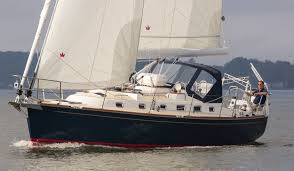 ٹارٹن یاٹس - میراثی انجینئرنگ، ملکیت کی منتقلی اور خریدار کی رہنمائی">

After the 1971 factory fire, Tartan’s production strategy centered on securing domestic tooling and maintaining reliable contracts for composite laminates and marine hardware, a logistical backbone that later insulated the brand from supply shocks during the wave of industry consolidation led by Michael Reardon.
From Douglass & McLeod roots to a rebuilt supply chain
Douglass & McLeod—the Ohio-based yard founded in 1956—laid down methods for advanced composite construction that informed Tartan’s manufacturing language. The 1971 blaze destroyed molds and inventory, forcing a rebuilt infrastructure focused on durable tooling and tighter supplier relationships. That decision created operational redundancy: multiple sources for hull laminates, vetted hardware vendors, and a documentation culture that supported long-term maintenance and aftermarket parts supply.
Engineering philosophy: conservative, durable, dependable
Tartan earned a reputation for conservative engineering—not the flashiest designs, but hulls and systems designed to last. Owners frequently cite substantial hull laminates, overbuilt structural beds for rigs and engines, and a preference for quality hardware on entry-level models. The net effect is stronger resale values and an active owner community that trades practical knowledge, which in turn reinforces parts availability and aftermarket support.
Iconic models and what makes them hold value
وہ Tartan 27 and other classic models became benchmarks for affordable, seaworthy cruising. At a glance, the reasons for their longevity are:
- Robust hull lamination and conservative layups
- Thoughtful interior layouts that remain functional for cruising
- Use of quality hardware and straightforward systems for easy repairs
- A strong secondary market with knowledgeable buyers
| دور | طاقتیں۔ | Buyer checklist |
|---|---|---|
| 1970s–1980s | Overbuilt hulls, classic layouts | Deck-core moisture, rigging age, engine service |
| 1990s–2000s | Improved systems, better hardware | Electrics condition, standing rigging, keel bolts |
| 2010s–present | Modern materials, updated interiors | Composite repairs, warranty status, parts traceability |
Ownership shifts and the Catalina fallout
Investor Michael Reardon’s acquisitions of several legacy U.S. builders, including کیٹالینا, prompted anxiety across the sailing community about potential cost-cutting and brand dilution. Tartan notably avoided deeper entanglement in that consolidation wave, emerging under separate ownership focused on preserving the brand’s core values—engineering independence, attentive customer support, and avoidance of production shortcuts.
What this means for buyers and owners
Practical considerations for prospective used-boat buyers remain straightforward:
- Commission a thorough survey that prioritizes deck-core moisture, rigging age, and engine condition.
- Assess parts availability and community support; Tartans benefit from active owner networks.
- Factor in potential interior refits—many Tartans have dated veneers but sound structural bones.
- Evaluate maintenance history for signs of deferred repairs versus durable upgrades.
Owner service and the aftermarket advantage
Tartan’s survival is tied to direct relationships with owners: responsive support, transparent communication, and a healthy used-boat market where well-maintained boats command premiums. This stewardship model contrasts with volume-first strategies that prioritize margins over longevity.
Highlights at a glance: Tartan demonstrates how conservative engineering, supply-chain redundancy, and dedicated owner support can preserve a heritage brand through industry turbulence. Yet no review or forum thread can replace time aboard a boat. To truly gauge whether a particular Tartan suits your cruising ambitions—day-sailing, long-distance passages, or charter service—you need firsthand experience. For travelers and sailors looking to combine ownership insight with hands-on time on the water, platforms that connect you with verified providers make trial experiences accessible and secure. These services allow full and secure payments with voucher confirmation afterward and let you submit requests for tailor-made tours or sail training, ensuring offers that match your preferences. GetExperience offers a wide variety of tours worldwide to suit any preference and budget; Book your Trip GetExperience.com
In sum: Tartan’s history—from the Douglass & McLeod legacy and the 1971 factory fire, through conservative engineering and the pressures of modern consolidation—offers a practical roadmap for sailors and buyers. The brand’s survival highlights the importance of supply-chain resilience, engineering integrity, and active owner communities. Whether you seek travel experiences like یاٹ parties or exclusive yacht charters for events, want to compare cruise packages or explore ماحولیات دوست وائلڈ لائف سفاریاں اور میوزیم tours with live guides, the lessons from Tartan are clear: choose durability and support. From مہم جوئی rafting trips for beginners to تعیش/آسائش adventure travel experiences, and from تعاملی online cultural workshops to online virtual tours and professional or ابتدائی esports coaching sessions, verified providers and transparent platforms help you avoid surprises and maximize enjoyment.