


 اردو
اردو  English (UK)
  Русский
  বাংলা
বাংলা  العربية
  日本語
日本語  한국어
한국어  Magyar
  Norsk nynorsk
  Türkçe
  עִבְרִית
  Español
  Čeština
  Svenska
  Português
  Ελληνικά
  Suomi
Suomi  Nederlands
  Română
  Italiano
  Français
  Polski
  Українська
  Deutsch
  简体中文
简体中文  Slovenčina
  Српски језик
  Azərbaycan dili
  O‘zbekcha
  አማርኛ
አማርኛ 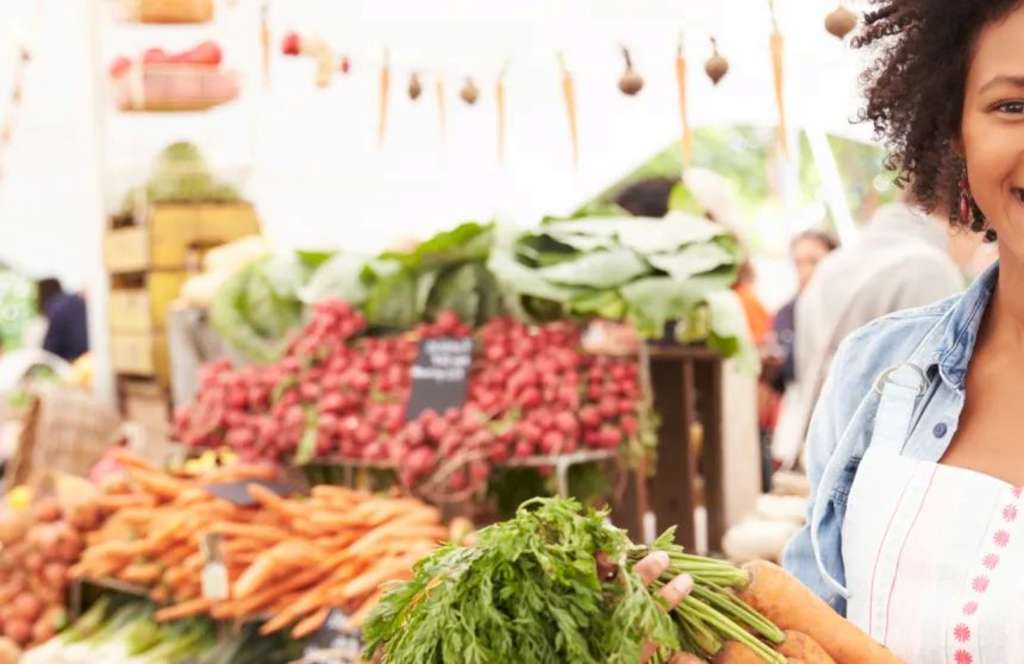 سفر میں فوڈ سسٹمز کو تبدیل کرنا: سیاحت برائے خیر خوراک کا اقدام، جو UN سیاحت، TUI کیئر فاؤنڈیشن اور کیمبرج یونیورسٹی کی جانب سے ہے۔">

Tourism Food for Good: A New Chapter in Sustainable Food for Tourism
Tourism Food for Good emerges as a pioneering global effort to reshape food sustainability within the tourism sector. Spearheaded by UN Tourism, the TUI Care Foundation, and the University of Cambridge’s Centre for Resilience and Sustainable Development (CRSD), this initiative seeks to overhaul how food is produced, sourced, served, and repurposed throughout the tourism value chain.
The Challenge of Food Sustainability in Tourism
With an ever-growing tourism industry, the pressure on food systems has intensified, bringing to light critical concerns such as food insecurity اور waste management. Tourism Food for Good confronts these challenges head-on by creating پائیدار اور circular food systems that benefit not only travelers and businesses but also local communities and ecosystems.
Building Stronger Food Supply Chains and Reducing Waste
The project aims to construct a comprehensive framework called the 2040 Impact Roadmap for Sustainable Food Systems in Tourism, intended to identify transformative opportunities in food sustainability by the year 2040. This roadmap will guide policy changes and practical interventions aimed at minimizing food loss and waste, improving the redistribution of surplus food, and adding value to food by-products.
This initiative extends the work done under UN Tourism’s Global Roadmap for Food Waste Reduction, a joint effort with UNEP that fosters sustainability in tourism through programs like TUI Care Foundation’s Field to Fork. This program notably knits together local farmers, hotels, and travelers, thereby tightening and strengthening local food supply chains.
Pilot Testing in Cabo Verde
A practical pilot of Tourism Food for Good has been set in motion in Cabo Verde. The lessons learned here will be tailored and expanded to other tourist destinations around the world, demonstrating the initiative’s potential global impact. The methodology combines systems thinking and participatory research, ensuring that scientific data and local community knowledge come together seamlessly to guide this transformation.
How the Initiative Engages a Broad Spectrum of Partners
Tourism Food for Good is an open call for governments, tourism businesses, civil society groups, and local stakeholders to join forces in co-designing sustainable practices. By involving these diverse voices, the initiative believes the impact roadmap can be more effectively grounded in real-world contexts and scalable across various tourism landscapes.
Overview of UN Tourism’s Role
The World Tourism Organization (UN Tourism) stands as the leading international authority promoting responsible, sustainable, and accessible tourism worldwide. It acts as a central platform for tourism policy and knowledge exchange, representing a membership that spans over 166 countries and hundreds of private sector entities. This foundational role places it perfectly at the helm of initiatives like Tourism Food for Good.
سیاحت اور سیاحوں کے لیے مضمرات
As travelers increasingly look for authentic and responsible travel experiences, integrating sustainable food practices within tourism enhances not just environmental stewardship but also enriches cultural connectivity and community well-being. Food is universally tied to culture and place, making sustainable food systems an essential pillar in crafting meaningful travel experiences.
Tourism Food for Good fosters ماحولیاتی طور پر سازگار سیاحت that respects local food traditions and supports farmers and small businesses, creating a cycle of trust and value. This aligns with the rising traveler demand for sustainability and ethical consumption, and it encourages destinations to innovate how food service and supply intersect with tourism flows.
Table: Key Focus Areas of Tourism Food for Good
| توجہ کا مرکز | مقصد | Expected Outcome |
|---|---|---|
| Food Loss & Waste Reduction | Implement policies and technologies to minimize food wastage | Less environmental impact; efficient resource use |
| Surplus Food Redistribution | Enhance channels to redistribute leftover food to those in need | Reduced food insecurity; social benefits |
| Circular Value Chains | Add economic and ecological value to food by-products | New business opportunities; sustainable economies |
| Local Supply Chain Strengthening | Connect farmers, hotels, and tourists for sustainable sourcing | Stronger local economies; fresher food for tourists |
Highlights and Personal Experience Matters Most
While reports, case studies, and expert feedback provide valuable insight into the promise of sustainable food in tourism, there’s no substitute for firsthand experience. On platforms like GetExperience.com, travelers can book directly with verified providers who offer responsible tours and food-related experiences. This assures visitors of quality while supporting local economies and reducing unnecessary costs or disappointments.
GetExperience.com streamlines the process by allowing secure online payments with voucher confirmations and the ability to submit tailored requests that fit individual preferences. Whether it’s savoring local farm-to-table meals, participating in eco-tourism focused on sustainability, or exploring cultural food heritage tours, this platform offers a gateway to diverse and affordable travel experiences that align with the growing global focus on sustainable tourism.
Book now and explore unique food journeys, authentic culinary experiences, and sustainable cultural immersion at GetExperience.com.
آخری خیالات
The Tourism Food for Good initiative marks a crucial step towards integrating sustainable food systems within the tourism industry. By fostering collaboration across sectors, prioritizing waste reduction, and strengthening local economies, it lays the groundwork for a more responsible and inclusive future in travel. As visitors seek meaningful and environmentally conscious adventures, sustainable food systems will play a central role in shaping travel experiences from farm to fork. This advancement invites us all to appreciate how food, tourism, and sustainability intertwine to create unforgettable moments and lasting benefits for communities worldwide.
This shift touches various forms of travel—from adventure rafting trips for beginners to eco-friendly wildlife safaris, luxury adventure travel experiences, and interactive online cultural workshops—all united by responsible food practices. Together, they contribute to the evolving travel ecosystem that celebrates culture, environment, and innovation.