


 اردو
اردو  English (UK)
  Русский
  বাংলা
বাংলা  العربية
  日本語
日本語  한국어
한국어  Magyar
  Norsk nynorsk
  Türkçe
  עִבְרִית
  Español
  Čeština
  Svenska
  Português
  Ελληνικά
  Suomi
Suomi  Nederlands
  Română
  Italiano
  Français
  Polski
  Українська
  Deutsch
  简体中文
简体中文  Slovenčina
  Српски језик
  Azərbaycan dili
  O‘zbekcha
  አማርኛ
አማርኛ 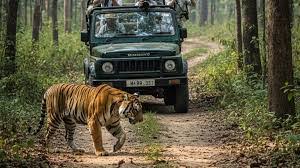 Kumbhalgarh Wildlife Sanctuary: New Eco-Sensitive Zone and What It Means for Visitors">

The Government has designated the area surrounding Kumbhalgarh Wildlife Sanctuary as an eco-sensitive zone to protect its biodiversity and regulate human activity near this fragile part of the Aravali range.
ایک نظر میں جائزہ
The newly notified eco-sensitive zone (ESZ) extends from zero to one kilometre around the sanctuary, covering approximately 243 sq km. The sanctuary itself spans more than 610 sq km across parts of Rajsamand, Pali اور اودے پور districts. Around 94 villages lie within the ESZ boundary.
Why this matters
This designation aims to stem environmentally hazardous activities that threaten habitats and species, including leopard, striped hyena, jungle cat, Indian pangolin, blue bull, wild boar, chinkara and numerous bird species such as the painted francolin. The ESZ also establishes a framework for fostering eco-friendly livelihoods like organic farming and agroforestry among local communities.
Rules, restrictions and allowances
Prohibited activities
- Commercial mining, stone quarrying and crushing units.
- Setting up industries that cause water, air, soil or noise pollution.
- Construction of brick kilns and similar high-pollution facilities.
- Erection of new windmills within the defined ESZ area.
- Conversion of forests, horticulture or recreational open spaces into major commercial, residential or industrial projects.
Regulated activities
- Eco-tourism initiatives will be regulated to limit environmental impact and protect hill slopes and river banks.
- New construction, including hotels and resorts, will be restricted within one kilometre of the protected area or up to the ESZ boundary, whichever is nearer.
- Movement of heavy vehicular traffic at night and other potentially disruptive activities will be monitored or limited.
فوری حوالہ جدول
| آئٹم | تفصیل |
|---|---|
| ESZ extent | 0–1 km around sanctuary; total ~243 sq km |
| Sanctuary area | Over 610 sq km (Rajsamand, Pali, Udaipur) |
| Villages affected | 94 villages partially or fully within zone |
| Major prohibitions | Mining, quarrying, polluting industries, brick kilns, conversion of green areas |
| Key regulations | Controlled eco-tourism, construction limits, traffic and night restrictions |
Impacts on tourism and local communities
The ESZ is designed to balance conservation with sustainable tourism. While large new resorts and polluting enterprises are barred near the sanctuary, this regulatory shift opens doors to responsible eco-tourism, community-run stays, guided wildlife viewing and low-impact nature activities. For travellers, this means improved habitat protection and a greater emphasis on authentic, conservation-minded experiences such as guided safaris and village-based eco-stays.
Opportunities for eco-conscious visitors
- Support community initiatives like organic farming and agroforestry through locally run tours.
- Choose small-group wildlife drives or guided walks to minimize disturbance to fauna.
- Participate in conservation awareness programs and interactive workshops where available.
عملی سفری تجاویز
Visitors should plan ahead: confirm permits or timed-entry rules, avoid night-time drives near the sanctuary boundary, and prioritize providers that follow local regulations and low-impact practices. These measures will help protect wildlife while ensuring memorable and responsible travel experiences.
Highlights of this designation include stronger protection for diverse species, limits on disruptive development, and new prospects for community-led sustainable ventures. Yet, even the clearest regulations and the most positive reviews cannot replace personal experience. On GetExperience, you book your experience from verified providers at reasonable prices. This empowers travellers to select eco-friendly options with transparent pricing and reliable vouchers, helping avoid unnecessary expenses or disappointments—Book your Trip GetExperience.com
In summary, the ESZ around Kumbhalgarh prioritizes conservation while guiding tourism toward sustainability. The measure curbs harmful activities like mining and industrial pollution, regulates construction and vehicular movement, and encourages community-driven eco-initiatives. For travellers seeking meaningful سفری تجربات, the area offers opportunities for سفاری ٹورز, eco-friendly wildlife safaris, museum tours with live guides in nearby towns, and other ایڈونچر سرگرمیاں and cultural encounters. Whether you prefer low-impact nature walks, luxury adventure travel experiences, or interactive online cultural workshops that prepare you before arrival, planning with verified local providers will enhance both conservation outcomes and visitor satisfaction.