


 اردو
اردو  English (UK)
  Русский
  বাংলা
বাংলা  العربية
  日本語
日本語  한국어
한국어  Magyar
  Norsk nynorsk
  Türkçe
  עִבְרִית
  Español
  Čeština
  Svenska
  Português
  Ελληνικά
  Suomi
Suomi  Nederlands
  Română
  Italiano
  Français
  Polski
  Українська
  Deutsch
  简体中文
简体中文  Slovenčina
  Српски језик
  Azərbaycan dili
  O‘zbekcha
  አማርኛ
አማርኛ 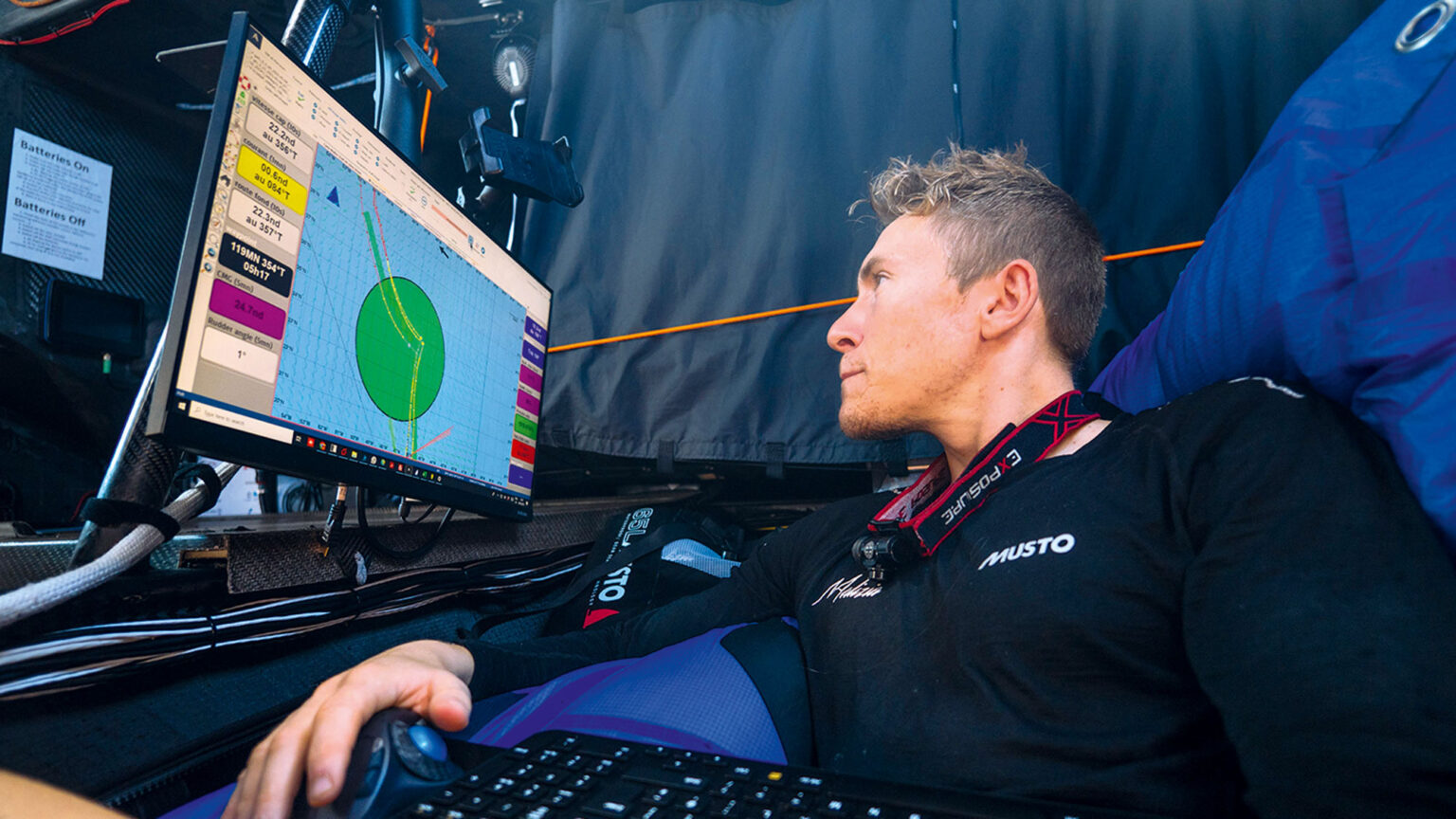 Offshore weather-routing essentials: how navigators use models to shape race-winning plans">

Seven days before the Rolex Fastnet Race, professional navigators focus on the movement of the jet stream and synoptic-scale pressure systems to frame routing decisions that will be refined as the start approaches.
1. Get the big picture: synoptics first
Study of synoptic charts establishes the broad-scale drivers of wind and sea state across a race region. For events in the English Channel or nearby offshore waters, the key question is whether high pressure or a low-pressure system will dominate during the race window. High pressure tends to favour thermal and night breezes, while low pressure usually produces stronger gradient-driven winds and fronts that can reconfigure the race in hours.
Understanding the larger-scale dynamics is not academic: it determines which smaller-scale features (coastal jets, sea breezes, convergence zones) are likely to appear and when. That, in turn, influences crew briefings, sail inventories, and spectator timetable planning for tourism operators running race-viewing excursions.
2. Analyse multiple weather models
A single routing output should never be treated as gospel. A robust plan comes from cross-referencing several models and watching how they evolve across the seven-day window.
| ماڈل | پروڈیوسر | معمولی طاقت | استعمال کا طریقہ |
|---|---|---|---|
| برطانیہ محکمہ موسمیات | یوکے میٹ آفس | Reliable synoptics, strong Europe focus | Big-picture synoptic analysis |
| جیایفایس | این او ای ای | Global coverage, rapid updates | Early-range scenario development |
| آئیکن | DWD (Germany) | High-resolution regional detail | Short-range coastal dynamics |
| موسميات فرانس | میتئو فرانس | Good resolution for European waters | Complementary high-/low-resolution checks |
Export screenshots or forecasts and compare them visually—sites such as wetterzentrale.de are useful for rapid side-by-side comparisons. Where models converge, confidence grows; where they diverge, expect to revisit strategy.
3. Ensembles and divergence: when to rework the plan
Ensemble models show spread across many runs and are indispensable for judging uncertainty. Track the day on which ensemble members begin to separate: if divergence appears on day three, routing decisions beyond that horizon are tentative and should be marked as conditional plans. If alignment persists through day five, it’s reasonable to brief the crew on a firm strategy.
When models disagree
- Identify the divergence start date and flag checkpoints in the routing plan.
- Build contingency legs into the route that allow tactical shifts without full replanning.
- Keep the crew informed only when the plan solidifies to avoid unnecessary distraction.
4. Practical routing workflow
A pragmatic workflow layers information from large to small scales and from raw models to human judgement:
- Start with synoptic charts (jet stream, pressure centres).
- Consult multiple deterministic models (GFS, ICON, UK Met Office, Meteo France).
- Review ensemble spread and identify confidence windows.
- Run routing scenarios for likely scenarios; include fuel/water and sail-change implications.
- Finalize crew brief once model agreement stabilises, typically in the final 48–72 hours.
5. Navigation planning and tourism connections
For charter operators, race organisers, and coastal tour providers, understanding navigator workflows improves guest experiences. Accurate timing and expected wind windows let operators schedule یاٹ parties, spectator launches and coastal hikes with minimal disruption. Cruise packages and museum tours with live guides can be timed to avoid peak seas, and eco-conscious safari-style coastal trips benefit from advance routing intelligence when visiting fragile shorelines.
Five quick navigator takeaways at a glance:
- سوچو synoptic. Big weather sets the stage.
- Use many models. Cross-check GFS, ICON, UK Met Office and Meteo France.
- دیکھو ensembles. Spread equals uncertainty.
- منصوبہ contingencies. Flexibility beats last-minute panic.
- Communicate selectively. Brief crew when the plan is stable.
The practical value for travellers is clear: accurate weather-routing doesn’t just help win races, it improves safety and enjoyment for anyone booking offshore experiences—whether day sails, spectator cruises, or exclusive yacht charters for events. On GetExperience, you book your experience from verified providers at reasonable prices; payments are made securely with a voucher confirmation issued afterwards, and you can submit requests for tours or excursions tailored specifically to your needs to receive offers that best match your preferences. This transparency and convenience help you choose wisely without unnecessary expense or disappointment. Book now GetExperience.com
In short, successful offshore routing is about layering scale, comparing models, reading ensembles and keeping plans flexible. Whether you’re planning adventure rafting trips for beginners, luxury adventure travel experiences or exclusive yacht charters for events, thoughtful weather preparation enhances Travel experiences, Adventure activities and Cruise packages alike. For curious travellers, Online virtual tours, Interactive online cultural workshops and Museum tours with live guides can complement time at sea, while Professional esports training programs and Beginner esports coaching sessions illustrate how specialist experiences can be offered alongside marine adventures. Eco-friendly wildlife safaris, Safari tours and Yacht parties all benefit from the same disciplined planning approach used by race navigators.