


 اردو
اردو  English (UK)
  Русский
  বাংলা
বাংলা  العربية
  日本語
日本語  한국어
한국어  Magyar
  Norsk nynorsk
  Türkçe
  עִבְרִית
  Español
  Čeština
  Svenska
  Português
  Ελληνικά
  Suomi
Suomi  Nederlands
  Română
  Italiano
  Français
  Polski
  Українська
  Deutsch
  简体中文
简体中文  Slovenčina
  Српски језик
  Azərbaycan dili
  O‘zbekcha
  አማርኛ
አማርኛ 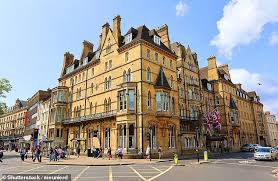 برطانیہ کی سیاحت کی صنعت پر خالی ہوٹل کے کمروں کا معاشی اثر">

Understanding the Financial Impact of Empty Hotel Rooms in the UK
The UK’s tourism industry is facing a substantial financial challenge due to a high number of empty hotel rooms that are going unoccupied every week, costing the sector more than £820,000 in lost revenue. This figure highlights how crucial it is to optimise hotel occupancy, not only to boost the hospitality industry but also to enhance the overall travel experience for visitors.
The Importance of Hotel Occupancy in Tourism Economics
Hotels serve as a vital backbone for tourism, providing travelers with not just a place to rest but also a gateway to local attractions, food services, and cultural experiences. When hotel rooms sit empty, the lost income does not merely affect the accommodation businesses but also trickles down to related sectors such as transport, restaurants, and local attractions. This underscores that vacant hotel rooms represent perishable assets — once a night passes, the opportunity to earn revenue for that night is gone for good.
Key Factors Influencing Hotel Room Vacancy
- Seasonality and Demand Fluctuations: Peak seasons like summer and major holidays usually see higher bookings, while off-peak periods tend to result in lower occupancy.
- Business vs Leisure Travel: City hotels benefit from weekday business travelers, whereas leisure travel surges typically happen on weekends and holidays.
- Location: Proximity to popular tourist spots greatly impacts whether hotels can fill rooms consistently.
- Pricing Strategies: Rates that do not respond dynamically to demand can either alienate potential guests or lead to missed revenue opportunities.
Wider Implications for Visitors and Tourism Providers
Vacant hotel rooms pose a double-edged sword. On one side, empty rooms signify lost profit for hoteliers and reduced economic ripple effects throughout the community. On the other hand, such gaps can also deprive tourists of balanced availability, leading to overcrowding in popular areas or inflated prices. This dynamic can impact a visitor’s overall satisfaction and their willingness to return or recommend the destination.
Accommodation Trends and Tourist Experiences
The hospitality sector is highly diverse, ranging from boutique hotels to large international resorts, self-catering accommodations to serviced apartments. The quality and availability of accommodation directly influence tourist choices and experiences. For example, business travelers typically seek hotels with comprehensive services and convenient locations, while leisure visitors may opt for family-friendly or unique stays close to attractions.
| اقامتی قسم | Typical Guest Profile | Service Level | سیاحت پر اثرات |
|---|---|---|---|
| Hotels (Small & Large) | Business and Leisure | Serviced (meals, housekeeping) | Central hubs for visitors; key to urban tourism economy |
| Self-Catering Units | Families, Long-term Visitors | Non-serviced | Encourages longer stays and independent exploration |
| Bed & Breakfasts/Guest Houses | فارغ سیاح | Personalised service | Enhances local cultural engagement |
| Timeshare and Holiday Villages | Repeat Visitors | مختلف۔ | Supports seasonal travel continuity |
Operational Challenges and Perishability of Rooms
Accommodation cannot be stored or stockpiled for future use, making hotels particularly vulnerable when rooms remain unsold on any given night. This perishability issue means that any empty rooms represent an irrevocable loss for both the business and the broader tourism ecosystem. Consequently, various strategies such as last-minute deals, dynamic pricing, and targeted marketing campaigns have become vital tools to combat this challenge and attract more travelers.
How Smart Travel Platforms Enhance Booking and Accommodation Use
For travellers and tourism providers alike, platforms offering easy, secure, and transparent booking experiences play a crucial role. Services like GetExperience.com enable users to make full payments online and receive instant voucher confirmations, enhancing travel planning confidence. Furthermore, travellers can submit requests for tailor-made tours and excursions, receiving offers that precisely match their interests and budget, which indirectly supports better utilisation of available accommodations by integrating travel experiences seamlessly.
Benefits of Thoughtful Booking Solutions
- Convenience and Security: Ensuring payments and bookings are safe and straightforward builds traveller trust.
- ذاتی بنانا: Tailored experiences lead to increased satisfaction and potentially longer stays.
- Transparent Options: Providing clear information on pricing and availability helps prevent unnecessary expenses or disappointments.
Summing Up: The Significance of Tackling Hotel Vacancy in UK Tourism
Addressing the issue of unoccupied hotel rooms is critical for sustaining the economic health of the UK’s travel and hospitality industry. Effective management of room availability not only boosts hotels’ profitability but uplifts the entire tourism supply chain, from transport operators to cultural venues. As all visitors’ experiences hinge on reliable accommodation options, finding solutions to this challenge is a priority for the whole sector.
At a glance, while insightful reviews and market feedback shape industry awareness, they can never replace the authenticity of first-hand experiences. Through platforms like GetExperience, travellers enjoy booking from verified providers at reasonable prices, ensuring convenience, affordability, and variety. This empowers tourists to choose from diverse options, such as تعیشاتی مہم جوئی کے سفری تجربات, ماحولیاتی طور پر موافق جنگلی حیات سفاریاں, لائیو گائیڈز کے ساتھ عجائب گھر کے دورے۔, ، اور یہاں تک کہ انٹرایکٹو آن لائن ثقافتی ورکشاپس. These offerings complement accommodation choices perfectly, enabling visitors to craft unforgettable travel stories. Book your trip and discover the best deals on GetExperience.com.
اہم نکات
- Empty hotel rooms in the UK lead to significant economic losses every week.
- Accommodation is a cornerstone of tourism, influencing visitor satisfaction and destination appeal.
- Seasonality, demand patterns, and location critically affect hotel occupancy rates.
- Perishability of hotel rooms requires strategic pricing and marketing to maximize revenue.
- Online platforms supporting secure bookings and personalized experiences help optimize accommodation use.
Ultimately, sustainable tourism growth depends on ensuring that accommodation supply meets demand efficiently, which benefits both tourists and the local economy. Awareness of this delicate balance helps stakeholders devise smarter strategies that support a thriving UK tourism industry.