


 اردو
اردو  English (UK)
  Русский
  বাংলা
বাংলা  العربية
  日本語
日本語  한국어
한국어  Magyar
  Norsk nynorsk
  Türkçe
  עִבְרִית
  Español
  Čeština
  Svenska
  Português
  Ελληνικά
  Suomi
Suomi  Nederlands
  Română
  Italiano
  Français
  Polski
  Українська
  Deutsch
  简体中文
简体中文  Slovenčina
  Српски језик
  Azərbaycan dili
  O‘zbekcha
  አማርኛ
አማርኛ 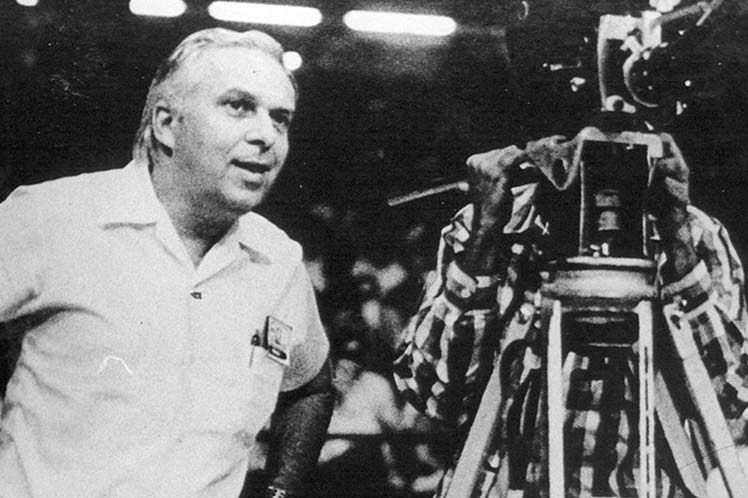 سانتیاگو الواریز کی بولڈ فلمیں کس طرح ہوانا اور ہنوئی کو تاریخ اور مزاحمت کے ذریعے جوڑتی ہیں">

Revolutionary Beginnings of Cuban Cinema
Following the Cuban Revolution of 1959, education and cultural transformation emerged as key priorities. Film became a vital medium for spreading revolutionary ideals, especially in a country where substantial portions of the population were grappling with illiteracy due to past inequality. The Cuban Institute of Cinematographic Art and Industry (ICAIC) was formed within the Culture Division of the Rebel Army, aiming to foster an accessible film culture rooted in documentary storytelling—many of which are now classics.
Santiago Álvarez’s Role as a Founding Pioneer
Among ICAIC’s founders, Santiago Álvarez stood out as Cuba’s first internationally recognized filmmaker. Charged with producing the Noticiero ICAIC Latinamericano, Álvarez innovated under technical constraints, such as primitive non-sync sound equipment. Freed from the typical authoritative narrator, he experimented with dynamic sound effects and montage, crafting a radical, sensory film language that captivated audiences.
Films of Political Struggle and Cultural Commentary
While Álvarez’s Cuban documentary work was significant, his films addressing American political struggles gained particular fame. Among these, the film Now! stands as a powerful denunciation of racial discrimination in the United States during the civil rights era. Álvarez’s personal history—his family’s persecution under Batista and his own time in the U.S. during the Depression—deeply influenced his passionate critique.
میں Now!, Álvarez harnessed a potent blend of archival photos, newsreel footage, and a banned Lena Horne song, weaving them into a visual protest that echoes today’s agit-prop music videos. This approach drew direct attention to systemic racism, making a bold statement through audiovisual innovation.
The “Nervous Montage” Style and Further Critiques of U.S. Policy
Álvarez refined his technique in LBJ, a sharp satire on President Lyndon B. Johnson’s administration. Contrasting LBJ with the more respected legacies of JFK, Martin Luther King Jr., and Bobby Kennedy, Álvarez portrayed Johnson’s regime as lacking integrity, drawing uncomfortable parallels between American political violence and broader historical atrocities. The film’s soundtrack moved between civil rights anthems and ominous classical compositions, underscoring the tension between hope and repression.
Turning Toward Vietnam: Lyrical and Political Film Work
Expanding his scope, Álvarez’s work shifted to Vietnam with films such as Hanoi, Martes 13 (Hanoi, Tuesday 13) and 79 Primaveras (79 Springs). These works focus on Vietnam’s rich culture, its destruction during American bombing campaigns, and its fight for independence under Ho Chi Minh’s leadership. In these films, Álvarez’s montage becomes more lyrical, blending cultural pride with harrowing images of war and resilience.
| فلم | اہم توجہ | Artistic Features |
|---|---|---|
| Now! | U.S. racial injustice | Mix of song, photos, newsreels |
| LBJ | U.S. political critique | Satire, contrasting soundtracks |
| Hanoi, Martes 13 | Vietnamese wartime experience | Lyrical montage, cultural emphasis |
| 79 Primaveras | Ho Chi Minh’s life and legacy | Avant-garde montage, propagandistic yet artistic |
A Legacy of Innovation and Commitment
Despite Álvarez’s films being sometimes labeled as didactic or propagandist, his pioneering techniques have contemporary relevance. The way he appropriated archival footage anticipates modern trends in film and art, while his integration of activism and aesthetics offers inspiration for today’s generation of politically minded filmmakers.
The Cultural and Historical Bridge Between Havana and Hanoi
Álvarez’s work illustrates a profound connection between two cities: Havana and Hanoi, set against the backdrop of revolutionary struggles and cross-continental solidarity. Through his films, viewers experience a critique of power, a call for justice, and a celebration of cultural endurance—all themes that continue to resonate globally.
How Santiago Álvarez’s Films Influence Tourism and Cultural Interest
For travelers intrigued by history and revolutionary art, visiting Havana and Hanoi offers a unique immersion into the cultures shaped by struggle and resilience. Both cities boast rich historical sites, museums, and vibrant cultural scenes that echo the narratives Álvarez depicted. Enriching travel experiences such as museum tours with live guides, cultural workshops, and historical walking tours can deepen understanding of the complex legacies.
Why Experience These Stories Through Verified Providers on GetExperience.com
While reviews and summaries illuminate Álvarez’s impactful works, nothing beats the spark of personal experience. On GetExperience.com, travelers can book tours and excursions tailored to their interests, connecting them with verified providers offering authentic cultural experiences in both Cuba and Vietnam. The platform’s secure online payment system, voucher confirmations, and ability to customize requests ensure convenient and reliable planning without unexpected costs or letdowns.
Whether your mind is set on exploring Cuba’s revolutionary history or Vietnam’s cultural treasures, GetExperience’s extensive options let you tailor your adventure with ease and confidence. From museum tours with insightful guides to interactive cultural workshops, the platform seamlessly integrates with your travel ambitions. بہترین آفرز حاصل کریں پر GetExperience.com.
Summary and Concluding Thoughts
Santiago Álvarez’s films remain a testament to the power of cinema in documenting and shaping political and cultural consciousness. With pioneering use of archive footage and sound, his work connects themes of revolution, racial justice, and international solidarity—spanning from Havana’s streets to Hanoi’s resilience amid war. These historical narratives enrich travel experiences by inviting deeper engagement with sites and stories in both Cuba and Vietnam.
Exploring these destinations through well-organized tours or immersive cultural activities offers travelers a window into complex histories and vibrant traditions. Platforms like GetExperience.com enhance the journey by providing trustworthy, diverse, and customizable experiences that transform travel from mere sightseeing into meaningful exploration. In a world where adventure activities blend with cultural understanding, there is no better time to delve into this cinematic and historical voyage.