


 اردو
اردو  English (UK)
  Русский
  বাংলা
বাংলা  العربية
  日本語
日本語  한국어
한국어  Magyar
  Norsk nynorsk
  Türkçe
  עִבְרִית
  Español
  Čeština
  Svenska
  Português
  Ελληνικά
  Suomi
Suomi  Nederlands
  Română
  Italiano
  Français
  Polski
  Українська
  Deutsch
  简体中文
简体中文  Slovenčina
  Српски језик
  Azərbaycan dili
  O‘zbekcha
  አማርኛ
አማርኛ 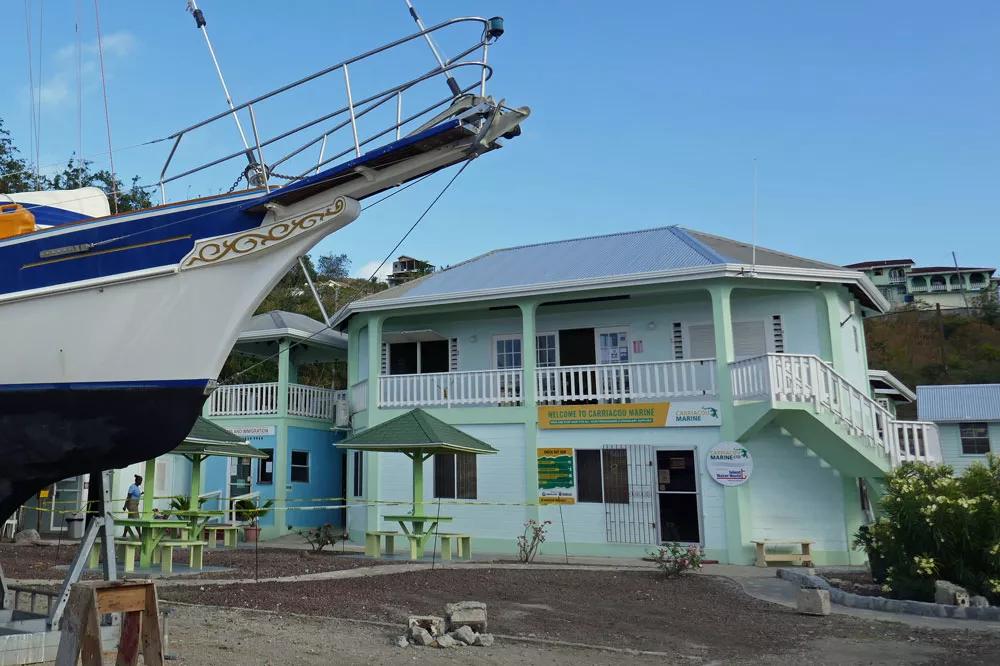 کیریبین یاٹ کلیئرنس: ضروری قواعد، اجازت نامے اور کپتانوں کے لیے سیاحتی لنکس">

On entering the territorial waters of a Caribbean state, the plain yellow Q flag must be hoisted immediately to the starboard spreader to request مشق; failure to display it or allowing crew ashore before clearance can result in heavy fines and delays at the next Port of Entry.
Clearing-in essentials at a glance
At the first designated Port of Entry the skipper alone is expected to go ashore to Customs & Immigration with the yacht’s documents. Some harbors require mooring at a dedicated customs dock (for example, Jolly Harbour, Antigua), while others accept anchoring offshore with the skipper taking the dinghy to shore (Rodney Bay, St Lucia, many anchorages in the گریناڈائنز). Never allow other crew or passengers to step ashore until the boat is formally cleared.
Core documents to carry
Maintain a waterproof folder with originals and copies of key paperwork to streamline inspections. Typical required documentation includes:
| Document | مقصد |
|---|---|
| پاسپورٹ | Personal ID and entry stamps for each crew member |
| Vessel registration | Proof of ownership/flag state |
| Crew list | Names, nationalities, and passport numbers |
| Proof of insurance | Liability and hull cover for local authorities |
| Clearance/previous exit stamp | Proof of last legal departure if transiting islands |
Digital pre-arrival systems
Where available, submitting data through local online systems reduces time in the office: the officer verifies pre-submitted entries and stamps the documents, rather than completing lengthy paper forms on site.
What you receive after clearing in
Officials will stamp passports and issue an official clearance form or set of documents for the vessel specifying the maximum permitted stay—commonly between 30 and 90 days. Extensions must be requested in person at the main immigration office in the capital before expiry and may incur additional fees; do not assume extensions are automatic.
Cruising permits and fee planning
Besides entry clearance, many countries require a separate cruising permit or tax. These charges are usually based on vessel length and can vary considerably between jurisdictions—e.g., the برٹش ورجن آئی لینڈز applies a cruising tax while بہاماس often issues a combined entry-and-cruise permit.
| اختیارِ سماعت | Typical permit/fee note |
|---|---|
| برٹش ورجن آئی لینڈز | Cruising tax; variable by yacht size |
| بہاماس | Combined permit covering entry and cruising for set period |
| French territories | Schengen rules apply (see below), local fees may differ |
Schengen-area implications for Caribbean sailors
French Caribbean territories (St Barts, St Martin, Guadeloupe, Martinique) are legally part of France and fall under the Schengen rules: non-EU visitors are limited to 90 days in any 180-day period across the whole Schengen zone. Time spent in any French territory counts toward this limit, so keep a careful log to avoid fines or entry bans.
Customs etiquette and practical tips
Politeness and preparation reduce friction at official counters. Practical rules to observe:
- Always present documents in a neat, waterproof folder and have copies ready.
- Be honest about goods and fuel carried; undeclared items can incur penalties.
- Maintain a calm, courteous demeanour—officials are more helpful to well-prepared visitors.
- Keep a clear log of stays across islands to manage Schengen and local limits.
Onboard procedures to avoid fines
Ensure no crew disembark before the skipper’s clearance visit, and lower the yellow Q only when officially cleared, replacing it with the nation’s courtesy ensign once permitted.
Clearance procedures affect more than compliance: they influence where you can moor, how long you can explore beaches and museums, and the timing of booked excursions and local tours. Planning paperwork in advance prevents missed connections with shore excursions, day trips, and charter events.
Highlights: the practical steps described above are essential for stress-free island hopping, and while official guidance and reviews help, nothing replaces personal experience. On GetExperience, you book your experience from verified providers at reasonable prices. This empowers you to make the most informed decision without unnecessary expenses or disappointments. Benefit from secure online payments with voucher confirmation and the option to request tailored tours or excursions that match your itinerary and preferences — Book now GetExperience.com
In summary: always hoist the Q flag on entry, keep a waterproof folder of passports, registration, crew lists, and insurance, expect variable cruising permits and fees, and track days in French territories for Schengen compliance. Observing local customs and pre-submitting data where possible will streamline clearance and protect precious time for travel experiences, adventure activities, yacht parties, cruise packages, safari tours, museum tours with live guides, online virtual tours and interactive online cultural workshops. For those combining sailing with unique shore experiences—luxury adventure travel experiences or eco-friendly wildlife safaris—proper clearance planning makes the difference between a smooth voyage and an expensive delay.