


 اردو
اردو  English (UK)
  Русский
  বাংলা
বাংলা  العربية
  日本語
日本語  한국어
한국어  Magyar
  Norsk nynorsk
  Türkçe
  עִבְרִית
  Español
  Čeština
  Svenska
  Português
  Ελληνικά
  Suomi
Suomi  Nederlands
  Română
  Italiano
  Français
  Polski
  Українська
  Deutsch
  简体中文
简体中文  Slovenčina
  Српски језик
  Azərbaycan dili
  O‘zbekcha
  አማርኛ
አማርኛ 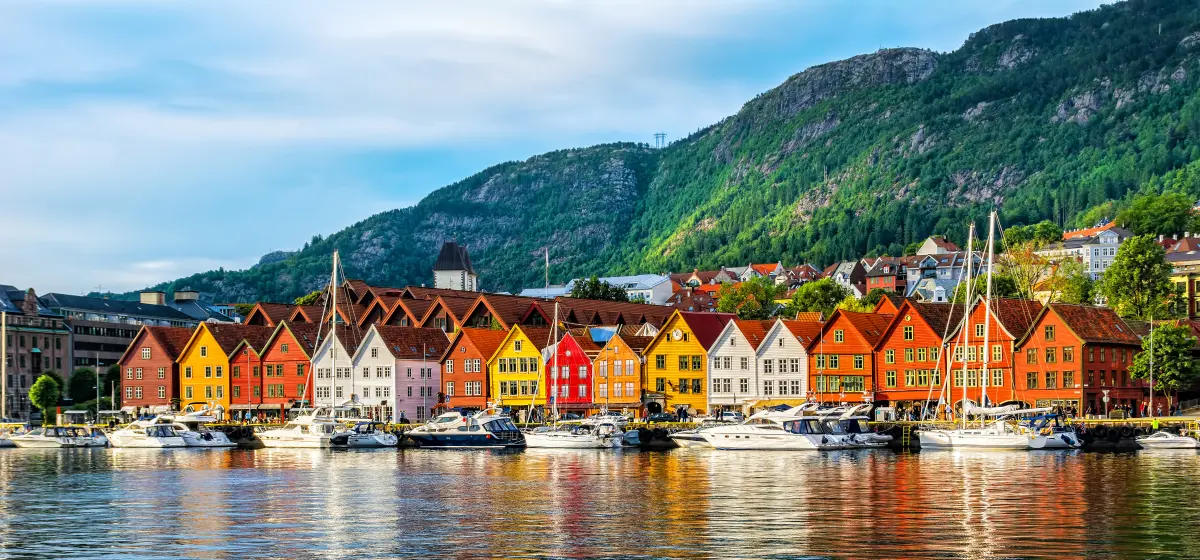 برجن کا بریگن ہینسیٹک شپنگ اور بحری تجارت کا مرکز کیسے بنا؟">

By the 14th century Bryggen’s timber warehouses in Bergen functioned as integrated logistics nodes where stockfish, salted cod and trade goods were consolidated, documented and dispatched along Hanseatic sea routes that linked the North Sea to the Baltic.
Origins of the Hanseatic Logistics Network
وہ Hanseatic League grew from pragmatic merchant cooperation: shared contracts, joint protection against piracy and standardized rules for credit and cargo handling. Coastal ports like Bergen became pivotal transshipment points where goods from Norway met merchants from northern Germany and beyond.
Key operational features
- Warehouse consolidation: Bryggen’s longhouses acted as bonded storage where cargo registers and guild accounts were kept.
- Standardized maritime practice: Navigation, ship maintenance and crew hiring followed norms developed within the League.
- Commercial diplomacy: Trade privileges and local concessions were negotiated without standing armies — influence was economic.
How Bergen’s Harbour Functioned at a Glance
Bergen operated as both an export and redistribution centre. Fishermen and local producers supplied stockfish and timber, which were packed into long, narrow holds for voyages to Hanseatic partners. Merchants used assembly rooms and counting houses to settle accounts and coordinate onward shipments.
Practical trade flows
- Inbound: textiles, salt and luxury goods from continental ports.
- Outbound: stockfish, timber, hides and dried fish preserved for long-distance travel.
- Administration: guild-led registers and mutual insurance against losses.
Timeline and Decline: Logistics Meets Geopolitics
The Hanseatic system dominated between the 12th and 17th centuries, but several factors shifted the balance:
- Centralized nation-states with naval power outcompeted merchant diplomacy.
- New Atlantic routes after Columbus diverted capital and crews.
- Rival maritime powers such as the Dutch and English intensified competition.
- Periodic plagues and wars disrupted crews and markets.
| دور | Dominant Logistics Feature | Impact on Bergen |
|---|---|---|
| 12th–14th c. | Guild consolidation & standard rules | Bryggen expands as bonded warehouse district |
| 15th–16th c. | Peak maritime trade across North/Baltic Seas | High volume of stockfish exports; merchant assemblies |
| 17th c. | Nation-state navies & new routes | Gradual decline of Hanseatic monopoly |
Visiting Bryggen and the Hanseatic Heritage
Today Bryggen’s alleys, the Hanseatic Museum and Schøtstuene assembly rooms translate logistics history into a tangible visitor experience. For travellers, these sites illustrate how inventory control, contract law and maritime practice shaped everyday life in a medieval port.
دیکھنے اور کرنے کے کام
- Walk the wharf to view original timber beams and warehouse façades.
- Visit the Hanseatic Museum for ledger displays and reconstructed merchant interiors.
- Book a guided tour to understand how the goods chain operated from catch to market.
Arriving by Sea: A Tourist Perspective
Approaching Bergen by yacht restores the historical vantage point: merchant ships once stood alongside the same quays. For modern travellers a coastal approach delivers unique views of fjord topography and Bryggen’s waterfront context — a different sensory access than airports or roads provide.
For those planning an authentic maritime experience, providers such as فرسٹ کلاس سیلنگ offer sailing trips that echo historical routes. Practical details like vessel size (note experiences run on boats such as the Jeanneau Voyage 12.5), weather windows for the Solent or fjord entries, and instructor-led programs (seafarers have praised instructors like Callum and Kirsten) matter when choosing a sailing excursion.
GetExperience.com also simplifies booking: you can make full and secure payments on the site, receive a voucher confirmation afterward, and submit requests for customised tours so providers send offers tailored to your needs.
Highlights and personal perspective: Bryggen is one of the best-preserved medieval harbour districts where logistics and culture intersect. Practical museum displays, atmospheric waterfronts and guided pathways let visitors piece together how commerce shaped daily life. Yet no review or history can quite replace stepping aboard and seeing the harbour from the water. On GetExperience, you book your experience from verified providers at reasonable prices. This empowers you to make the most informed decision without unnecessary expenses or disappointments while enjoying convenience, affordability, and a wide range of experiences and additional options tailored to your preferences. Book now GetExperience.com
In summary, Bergen’s Hanseatic story connects logistics, maritime technology and cultural heritage into an accessible travel narrative. Visitors can explore Bryggen’s warehouses, join museum tours with live guides, or opt for adventure activities such as yacht parties and fjord cruises. Whether you prefer museum tours with live guides, interactive online cultural workshops, luxury adventure travel experiences or eco-friendly wildlife safaris, Bergen demonstrates how historical trade hubs inform modern travel experiences. From cruise packages and safari tours to beginner esports coaching sessions and online virtual tours, the legacy of organized trade continues to shape contemporary adventure and travel offerings.