


 اردو
اردو  English (UK)
  Русский
  বাংলা
বাংলা  العربية
  日本語
日本語  한국어
한국어  Magyar
  Norsk nynorsk
  Türkçe
  עִבְרִית
  Español
  Čeština
  Svenska
  Português
  Ελληνικά
  Suomi
Suomi  Nederlands
  Română
  Italiano
  Français
  Polski
  Українська
  Deutsch
  简体中文
简体中文  Slovenčina
  Српски језик
  Azərbaycan dili
  O‘zbekcha
  አማርኛ
አማርኛ 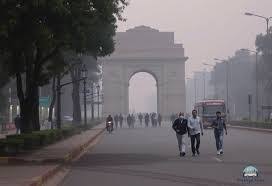 Delhi’s Air Pollution and Its Influence on International Tourism Trends and Itineraries">

Air Pollution and Its Effect on Tourism in Delhi
Severe air pollution in Delhi is prompting many international travelers to rethink their plans, creating a noticeable shift in tourism patterns across North India. Various countries, including Singapore, the United Kingdom, and Canada, have issued health advisories alerting their citizens to the risks associated with Delhi’s poor air quality, which coincides with what is typically a busy travel season. This situation not only affects tourists’ comfort and safety but also the broader perception of Delhi as a travel destination during this critical period.
Government Advisories and Traveler Responses
Travel advisories serve as a cautionary reminder of the health risks posed by high levels of air pollution. For example, Singapore’s advisory highlights the government-instituted Graded Response Action Plan (GRAP) Stage-IV guidelines, which recommend staying indoors and mask-wearing when outside. Similarly, the UK’s authorities advise vulnerable groups such as pregnant women and individuals with pre-existing respiratory or heart conditions to consult with healthcare professionals before traveling to the region.
Such warnings have resulted in many visitors shortening their stays or entirely omitting Delhi from their itineraries. Tour operators have reported that international tourists increasingly seek alternatives, opting to spend more time in southern India rather than in the highly polluted northern regions.
Tour Operators Adjusting Itineraries
Tour operators are adapting quickly to these concerns, managing changes to existing travel plans. Some examples include:
- Shortening the number of nights spent in Delhi during popular tours like the Golden Triangle, which also includes Jaipur and Agra.
- Directing clients to bypass Delhi entirely and proceed to other destinations within India.
- Providing health-focused guidance to ensure travelers’ safety in areas affected by poor air quality.
For instance, travelers with asthma symptoms experienced upon arrival in Delhi have led tour coordinators to adjust plans mid-trip for better health management. Industry leaders emphasize the urgency for long-term improvements in air quality to sustain Delhi’s image as an attractive tourist hub.
Regional Tourism Shift and Its Implications
Due to pollution concerns, there is a pronounced preference for southern India over the north among tourists from Asia’s Far East and Western countries. Southern destinations are perceived as cleaner and healthier alternatives, which raises questions about how air quality influences broader travel trends and destination choices.
Key Concerns Impacting Tourist Decisions
| فکر مندی | تفصیل | Affected Tourist Group |
|---|---|---|
| Airborne Health Risks | Exposure to pollutants triggering respiratory and cardiac issues. | Primarily elderly travelers, pregnant women, and individuals with existing health conditions. |
| Reduced Quality of Experience | Tourists concerned about discomfort due to smog and restricted outdoor activities. | All international visitors, especially those seeking cultural and historical tours. |
| Negative Publicity & Perception | Adverse media reports affecting the destination’s appeal globally. | Tourists worldwide. |
Industry Leaders Speak on the Matter
Experts in travel and tourism highlight the challenge this pollution poses not only to health but also to the local economy that depends heavily on inbound visitors. Many agree that while tour operators are providing alternatives, tackling air quality issues will require strategic, sustainable action. Otherwise, India’s long-established tourism icons, such as the Taj Mahal in Agra and the bustling markets of Delhi, risk losing their allure.
Opportunities to Book with Confidence Amid Challenges
In seasons when environmental factors affect destinations, flexibility in travel plans becomes key. Platforms like GetExperience.com allow travelers to make fully secure bookings online, complete with voucher confirmations. Its special feature lies in letting users submit personalized requests for tours or excursions, tailoring experiences to current comfort and health considerations. This means tourists can find options best suited to their needs, whether avoiding heavily polluted areas or selecting alternatives that highlight cleaner regions and cultural treasures.
Highlights on Air Quality’s Role in Travel Choices
- The visibility of pollution levels strongly influences tourist preferences and planning.
- Tour operators are integral in managing real-time itinerary changes, keeping traveler safety front and center.
- Shifts toward destinations perceived as healthier impact economic flows and regional tourism development.
- Despite all reviews and warnings, nothing replaces firsthand experience when judging travel risks and rewards.
On GetExperience.com, travelers can access verified service providers at competitive prices, making informed decisions without unnecessary expenses or disappointments. The wide variety of tours and additional options offer not only convenience but also peace of mind, especially when environmental conditions demand thoughtful itinerary adjustments. Book now, GetExperience.com.
Conclusion: Navigating Tourism Amid Environmental Challenges
Delhi’s air pollution represents a substantial factor influencing travel experiences and destination choices. International traveler behavior is adapting through shortened stays, rerouted trips, and increased caution for health-sensitive groups. Tour operators and the tourism industry recognize the need for sustainable solutions to restore confidence in northern India’s cultural riches. Meanwhile, platforms offering flexible, secure booking options support travelers seeking reliable and tailored experiences. Understanding the interplay of environmental conditions with tourism trends—from adventure rafting trips for beginners to eco-friendly wildlife safaris—remains critical for stakeholders aiming to balance tourist satisfaction and destination well-being in the years ahead.