


 اردو
اردو  English (UK)
  Русский
  বাংলা
বাংলা  العربية
  日本語
日本語  한국어
한국어  Magyar
  Norsk nynorsk
  Türkçe
  עִבְרִית
  Español
  Čeština
  Svenska
  Português
  Ελληνικά
  Suomi
Suomi  Nederlands
  Română
  Italiano
  Français
  Polski
  Українська
  Deutsch
  简体中文
简体中文  Slovenčina
  Српски језик
  Azərbaycan dili
  O‘zbekcha
  አማርኛ
አማርኛ  Masca – Garachico – Teide Discovery Walks – جزائر الكناري دليل المشي لمسافات طويلة">

سفارش: Begin with a تین حصوں پر مشتمل وہ سرکٹ جو ایک پہاڑی گاؤں، ایک تاریخی بندرگاہی شہر اور بلند آتش فشاں سطح مرتفع کو جوڑتا ہے۔ یہ سُوٹس مسافر جو یہ چاہتے ہیں کہ فوری مزہ، ایک کمپیکٹ مہم جوئی ایک ہی سیر میں، اور 300–450 میٹر کے لگ بھگ متوقع بلندی کا اضافہ 6–8 کلومیٹر کے فاصلے پر۔.
یہ راستہ ایک گھاٹی سے اوپر جاتا ہے جو بکھری ہوئی ہے زراعت قدیم کھیتوں تک تراشے ہوئے باغات، پھر سفید دھوئے ہوئے گھروں اور سیاہ ریت کے سیرگاہ والے شہر میں اترتا ہے۔. Information پینل معدنی مٹیوں کو نشان زد کرتے ہیں، جبکہ مناظر پار کرتے ہیں۔ world ساحلی خط اٹلانٹک رنگ ظاہر کرتا ہے۔ ہلکا پیک لے کر آئیں: پانی 1.5–2 لیٹر فی کس، سورج سے تحفظ، ہوا روکنے والا جیکٹ، اور مضبوط جوتے۔ بہترین وقت موسم سرما کے آخر سے بہار تک ہوتا ہے، جب روایات اور مقامی wine فصلیں ایک ٹھوس تخلیق کرتی ہیں۔ اقسام تجربات کا مجموعہ۔.
Discounts دیہاتی بازار میں اور قریبی دکانوں میں اکثر دستیاب ہوتے ہیں جو کمبو پاس خریدنے والے پیدل چلنے والوں کے لیے ہوتے ہیں۔ آپ حاصل کر سکتے ہیں souvenirs جیسے انامل پن، کارک کی اشیاء، اور مقامی طور پر بنے ہوئے ٹیکسٹائل۔ یہ معلومات خریداری کے لیے منصوبہ بندی کرنے میں آپ کی مدد کرتا ہے تاکہ زیادہ سامان نہ لادا جائے۔ جو لوگ ایک مختصر آپشن کی تلاش میں ہیں، وہ ساحلی گھاٹ کے چکر کو چھوڑ کر سرکٹ کو 4-5 کلومیٹر تک کر سکتے ہیں۔.
پیک کرنے کے لیے تجاویز: ایک چھوٹا ڈے پیک منتخب کریں (زیادہ سے زیادہ 30-40 لیٹر)، تہوں میں لباس پہنیں، اور ایک ہلکی ہیڈلیمپ، اسنیکس، اور ایک ہوا پروف شیل ساتھ رکھیں۔ چٹانی کنارے کے ساتھ آپ کو فوجی قلعوں کے آثار نظر آئیں گے۔ گاؤں کے بازار میں آپ تازہ روٹی کا مزہ لے سکتے ہیں اور مقامی دستکاریوں کے بارے میں جان سکتے ہیں جو عکاس ہیں۔ روایات. ۔ بیکینگ فہرست میں ایک بنیادی فرسٹ ایڈ کٹ اور ایک نقشہ بھی شامل ہونا چاہیے۔ specific وے پوائنٹ۔.
نمایاں خدوخال میں سوئچ بیک ٹیرس شامل ہیں جہاں زراعت سطح مرتفع کی طرف چڑھائی، ایک وسیع منظر، اور پرانی بندرگاہ کی ونڈ ملوں کی حمایت کرتا ہے۔ قصبے میں آپ علاقائی کا ایک گلاس چکھ سکتے ہیں۔ wine, ، نمونے کے پنیر چکھیں، اور ان کمیونٹیز کے بارے میں جانیں جو دیرینہ روایات. ۔ چاہے آپ ایک مختصر دوڑ کا ارادہ کریں یا ایک طویل سفر کا، وہ نمایاں باتیں مقامی بس یا ابتدائی نقطہ پر واپس ایک مختصر ٹیکسی رائڈ کے ذریعے پہنچا جا سکتا ہے۔.
مزید منصوبہ بندی کے لیے تجاویز: موسمی بندشوں کی تصدیق کریں اور ڈسکاؤنٹس مقامی کلبوں کی جانب سے پیش کردہ گائیڈڈ آپشنز پر۔ world یہاں کے مائیکرو کلائمیٹ اس سفر کو فطرت کے فوٹوگرافروں اور کھانے سے محبت کرنے والوں کے لیے یکساں طور پر پرکشش بناتے ہیں، جس سے یہ ایک اقسام تجربات سے بھرا ہوا ہے۔ آپ کرایے پر سائیکل بھی لے سکتے ہیں یا فارم ٹو ٹیبل کے مختصر دورے میں شامل ہو کر دیکھ سکتے ہیں کہ زراعت کس طرح شہر کے کھانوں کو خوراک مہیا کرتی ہے۔.
فوری مشورہ: پہلی روشنی میں روانہ ہوں، بحری ہوا کے پیٹرن کے لیے موسمیات کی پیشن گوئی چیک کریں، اور گاؤں کے چوک میں جاری ٹریل کی صورتحال کے بارے میں پوچھیں۔ روٹ نیٹ ورک ایک لچکدار مہیا کرتا ہے۔ مہم جوئی مختلف فٹنس لیولز اور وقت کے بجٹ کے مطابق ہو، معلومات شہر میں واقع مقامی وزیٹر ڈیسک پر متعدد زبانوں میں دستیاب ہے۔.
سامانِ سفر: ماسکا-گاراچیکو-تیئدے کی سیر کے لیے ایک کارآمد روزمرہ بیگ کی فہرست
ایک چھوٹا 20–25 لیٹر کا ڈے پیک چنیں اور اسے دن کے لیے ہائیڈریشن، سورج سے بچاؤ، اور ایک گرم تہہ سے بھریں۔.
لے جانے کے لیے بنیادی اشیاء
- پانی اور ہائیڈریشن: تقریباً 2-3 لیٹر فی کس؛ دو بوتلیں یا ایک کولیپسیبل مثانہ استعمال کریں؛ اینٹھن سے بچنے اور توانائی کی مستقل سطح برقرار رکھنے کے لیے الیکٹرولائٹ ٹیبلٹس شامل کریں۔.
- اسنیکس اور توانائی کے لیے ایندھن: مختلف قسم کے نٹس، خشک میوہ جات، انرجی بارز اور چاکلیٹ کا ایک چھوٹا سا ٹکڑا؛ طویل سفر کے لیے ایک پھل کا ٹکڑا شامل کریں تاکہ توانائی برقرار رہے۔.
- فرسٹ ایڈ کٹ: چھالوں کی دیکھ بھال، اینٹی سیپٹک وائپس، بینڈیجز، میڈیکل ٹیپ، اور کوئی بھی ذاتی دوائیں جو آپ باقاعدگی سے لیتے ہیں۔.
- نیویگیشن اور حفاظت: چھپا ہوا نقشہ یا آف لائن نیویگیشن ایپ، چھوٹا کمپاس، اور آف لائن نقشوں کے ساتھ مکمل چارج شدہ فون۔.
- روشنی کا منبع: ہیڈلائٹ یا اسپیئر بیٹریوں کے ساتھ کمپیکٹ ٹارچ؛ اگر دیر سے واپسی ہو تو ایک چھوٹی سگنل لائٹ۔.
- سورج اور ہوا سے تحفظ: سن اسکرین ایس پی ایف 30+، ایس پی ایف والا لپ بام؛ چوڑی حاشیہ والی ٹوپی؛ دھوپ کے چشمے؛ گردوغبار یا سورج سے بچاؤ کے لیے بف یا گردن کا گیٹر۔.
- لباس اور جوتے: نمی جذب کرنے والی بیس لیئر، سانس لینے کے قابل مڈ لیئر، اور ایک ہلکا بارش کا شیل؛ مضبوط، گرفت والے جوتے؛ اضافی جرابیں؛ بدلتی ہوئی صورتحال کے لیے ملبوس اور آرام دہ رہنے کے لیے۔.
- موسمی گیئر: پیک کرنے کے قابل ہوا اور بارش سے بچانے والا شیل؛ اگر ٹھنڈی صبح یا زیادہ بلندیوں کی توقع ہو تو دستانے۔.
- قیمتی اشیاء کا تحفظ: الیکٹرانکس کے لیے واٹر پروف کیس یا ڈرائی بیگ؛ پسینے اور بوندا باندی سے بچانے کے لیے فون، کیمرے اور چابیاں سیل کریں۔.
- اوزار اور سگنلنگ: ایک چھوٹا ملٹی ٹول، سیٹی، اور ایک ایمرجنسی کمبل یا بائوی؛ اگر ضرورت ہو تو گیئر کے لیے ایک کمپیکٹ ریپیئر کِٹ پر غور کریں۔.
- پاور اور چارجنگ: پاور بینک اور USB کیبلز؛ شمسی توانائی کے آپشنز اگر آپ کو طویل استعمال کی توقع ہے؛ بیٹری لائف بڑھانے کے لیے استعمال میں نہ ہونے پر ڈیوائسز کو بند رکھیں۔.
- فضلہ کا انتظام: کچرا پیک کرنے کے لیے کچرے کا چھوٹا بیگ؛ ہینڈ سینیٹائزر؛ ذاتی نگہداشت کے لیے ٹشو یا وائپس۔.
- اختیاری انعام: گاؤں کے کسی کیفے میں جشن منانے کے لیے شراب کی ایک چھوٹی سیل بند بوتل – صرف اس صورت میں جب مقامی قوانین اجازت دیں اور ذمہ دار ساتھی موجود ہوں۔.
Attire, protection, and comfort
- Attire: rotate between moisture-wicking tops and a breathable shell; cotton should be avoided near sweat zones; dress in layers to match the changing hour and altitude.
- Footwear care: break-in new shoes well before the day; carry cushioned insoles if you’re sensitive to long sections of pavement or rocky stretches.
- Look after your skin: reapply sunscreen at lunch stops or every couple of hours; carry lip balm and a small towel to wipe sweat.
- Logistics note: plan start time to leverage cooler morning air and to maximize light for vistas; this will reduce heat stress and improve safety.
English-language signage may be limited at higher points, so rely on a trusted map and your own route notes; this approach supports an adventurous, fulfilling experience through lush landscapes and scenic towns, enabling you to travel light while staying protected and prepared.
Footwear Selection: Best Trail Shoes or Boots for Canary Island Trails
سفارش: Choose mid-weight, mid-cut trail shoes with a sticky, durable outsole and 4–5 mm lugs. This setup provides ample grip on lava rock, damp dirt, and sandy patches near playa shores, while maintaining stability within long, varied days.
Key points to check during fitting: heel lockdown, forefoot volume, toe protection, and midfoot support. For local routes and fort-area paths, favor breathable uppers with water resistance and quick drainage to avoid soggy interiors; a responsive midsole helps you stay efficient when ground changes from scree to compact soil, and this should be considered for each pair.
Look for ample grip on loose ash and wet surfaces, and consider reinforced toe caps for added durability. Bring an extra pair of socks; snack breaks await and you should be encouraged to adjust your pace to avoid hotspots. Regardless of pace, these shoes must keep you comfortable through times of sun and shade and during hikes with visitors and students alike.
Flexibility matters: look for a model you can wear with or without gaiters, and choose a setup that fits into your backpack’s weight budget. Plus, plan for fieldwork: local students love variety and efficient gear choices that, providing protection from salt spray near coastal sites and playa, while still being light enough to carry between stops.
French-speaking travelers often seek clear label language and durable traction; consider models that offer ample stability and enduring life on endemic terrain. Looking ahead, mind the heat and terrain, and choose footwear that allows you to experience wonders without discomfort, regardless of pace, and with a mind open to experiencing life on rugged trails here.
Layering and Temperature: How to Dress for Changing Conditions
Begin with a close-fitting, moisture-wicking base layer and add a thermal mid-layer; top with a windproof, water-resistant shell to adapt to shifting conditions. This setup is practical and flexible, allowing several adjustments without overpacking.
Expect temperature swings on the route: mornings near the coast often run around 15–20°C, while the highest ridges can be 5–10°C cooler with noticeable air flows. For an 8-hour day, prepare for 10–20°C early and 0–8°C at the summit, with wind that can shave a few degrees off the perceived temperature. If conditions worsen, there is a need to adjust quickly or shorten the route; a quick decision will save risk.
Layering strategy: wear each layer in sequence, and choose a combination that suits the conditions. Use breathable base fabrics, a warm fleece or merino mid-layer, and a military-grade shell for protection against wind and rain. Ensure you can remove or add a layer quickly as the air flows shift; carry a lightweight beanie and gloves for chilly pauses.
Materials and origins: avoid cotton; prefer synthetic blends or merino wool. Traditional fabrics have origins in outdoor heritage. These options wick moisture, dry quickly, and hold heat when damp, keeping the overall weight low and the temperature comfortable during longer stretches. Consider a packable mid-layer that can be added if you pause in a shaded area near flowers and hedgerows.
Packing and schedule: carry a compact shell and an extra layer in a light pack; priced gear can offer excellent protection without breaking the budget. For an 8-hour itinerary, include snacks and a small map, and keep space for a cancellation buffer if you need to re-plan. Align your schedule with daylight and plan to start early or finish before dusk.
Forecast analysis and accessibility: review a forecast analysis before departure and monitor any changes that await you. If rain is forecast, switch to a fully waterproof shell and waterproof footwear; make stops at parks or villages to rest and refuel. Pay attention to accessibility options for visitors with mobility needs, and plan several stops to enjoy the environment and the grandeur of the landscapes.
Tips for keen travelers: respect the environment and stick to marked trails; bring several snacks for energy and hydration, and carry a compact extra layer for the highest winds. If you reach a moment of doubt, remember the origins of traditional gear and lean on a practical approach: you can adjust protection and comfort by adding or shedding layers as you move. The result is a reliable, comfortable experience rather than a risk-filled one.
Sun, Shade, and Protecting Your Eyes: Sunglasses, Sunscreen, Hats, and Timing
Put on UV400 sunglasses from first light, apply broad-spectrum sunscreen SPF 50+ on face, neck, ears, and hands, and wear a wide-brim hat (7–9 cm) to create instant shade; plan an 8-hour segment to keep sun exposure manageable and take shade breaks every 60–90 minutes.
Choose sunglasses with 100% UV protection and polarized or glare-reducing lenses; wraparound designs offer side coverage against glare from rock, sand, and sea spray, and the features you want include a snug fit and shatter-resistant lenses; carry a spare pair in your equipment pouch and clean lenses with a microfiber cloth when needed; they should feel light, secure, and not slip on exertion.
Sunscreen: apply broad-spectrum sunscreen SPF 30+ daily, and increase to SPF 50+ on reflective skin areas (nose, cheeks, ears). Use about a teaspoon for the face and neck fair distribution; apply a thicker layer on the nose and forehead. Water resistance is useful, but reapply every 2 hours, and after any dive into water or heavy perspiration; keep lip protection with SPF 15+ balm and reapply after meals or snack breaks.
Hat choice and timing: opt for a brim width of 7–9 cm to shade eyes, cheeks, and neck; a ventilated fabric helps keep you comfortable in warm air; schedule the sun peak between 11:00 and 15:00, then seek shade in rock alcoves or sheltered slopes when the glare intensifies; carry a lightweight scarf for neck relief when wind chill arises; weather can flip quickly; adjust the plan accordingly.
Planning and equipment: Create an equipment checklist that aligns with an 8-hour day: sunglasses, sunscreen, hat, water, electrolyte drink, map, compass, and a compact first-aid kit; wandering companions should share a pace you can maintain for most of the time, and they can take turns guiding rests; this offer helps stay focused on safety and learning; read the trail notes before departure and set a time window that is manageable for both slow and fast hikers; they will understand how to pace themselves and read the terrain.
Wildlife and reward: During the excursion, stay alert for wildlife and scenery; if a majestic dolphin appears offshore, pause for a moment rather than chasing it; this moment can be a valuable lesson in observation and patience; nestled coastlines and varied rock formations offer constant visual rewards; you may finish with a reward such as a local wine at a nearby village, a nice wind-down after ascent.
источник of practical advice is local guides and historical contexts; the merici team offers a manageable plan for the day, and eager travelers will finally read the terrain notes, stay connected with companions, and travel with purpose; this learning brings peace and ensures you stay fully protected while exploring varied coastlines and mount profiles.
Hydration and Fuel: Water, Electrolytes, and Energy Snacks
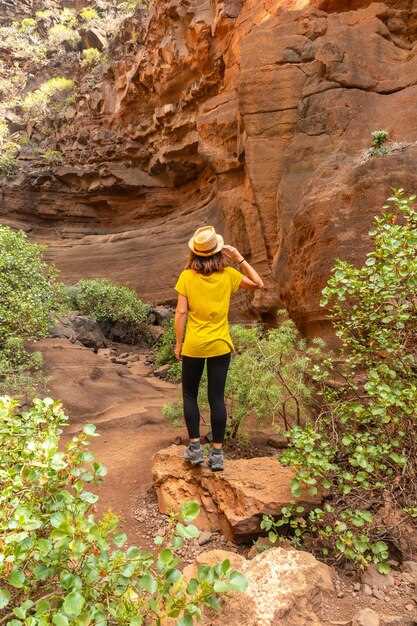
Concrete recommendation: for a 4–5 hour day in warm, sun‑exposed terrain, carry 2–3 liters of liquid and plan refills at midpoints; use a hydration bag plus bottles to maintain a steady sip every 10–15 minutes rather than gulping infrequently.
Water strategy focuses on consistent intake rather than chasing thirst. If you’re starting with a backpacking-style setup, two 500 ml bottles plus a 1.0–1.5 liter reservoir in a belt pack covers most scenarios. In hotter conditions, add 0.5–1 liter more. Availability of fresh water points is variable, so rely on your own supply and keep a lightweight filter or purifier as a backup source for emergency replenishment. Источник: marked hydration guidelines and practical field experience.
Electrolyte use helps prevent cramps and fatigue. Include sachets or tabs that provide 300–700 mg sodium per liter and 100–200 mg potassium per liter. A moderate plan is to use one electrolyte serving every 1–2 hours, alternating with plain water. If you’re lactose-intolerant or sensitive to sugar, choose low-sugar options and reserve the sweet drinks for breaks. French‑flavored varieties can improve palatability on long legs. These measures allow you to stay steady through photography breaks and scenic overlooks without compromising comfort.
Energy snacks should supply a steady stream of carbohydrates with a touch of protein and fat. Pack 30–60 g of carbohydrate per hour of activity, depending on intensity. Good options include dates, dried apricots, figs, almonds, and walnuts; granola bars with oats and nuts; trail mixes; small whole‑grain crackers with nut butter; soft chews or gels for quick jolts. For a moderately paced leg, aim for a snack every 45–60 minutes; for a faster tempo, shorten the interval to 20–40 minutes. Keep perishable items cool when possible to protect quality. Souvenirs from the day can include a small reusable bottle or a compact snack pouch to reinforce a sustainable routine.
Itinerary planning helps align fueling with bergs of elevation and opportunities to wander. Pack snacks in accessible pockets so you don’t miss a moment of a scenic view or a dramatic shot in photography. Accessibility considerations matter: choose a pack with easy access and a belt that allows quick refills at checkpoints or national park facilities when available. Finally, ensure your attire supports moisture management and keeps sun exposure at bay; breathable fabrics, a wide‑brim hat, sunglasses, and sunscreen all contribute to comfort and sustained energy across the route.
Practical packing and pacing tips
- Water per hour: hot conditions 0.5–0.8 L; cooler conditions 0.25–0.5 L; adjust based on exertion and weather.
- Electrolyte cadence: 1 tablet or sachet every 1–2 hours; humid days may require more frequent use.
- Snack cadence: aim for a small carb‑rich bite every 45–60 minutes; carry a quick gel or chews for intense sections.
- Gear: two bottles (500 ml each) plus a 1.0–1.5 L reservoir; a compact filter is optional for occasional refills.
- Bookings and planning: request water stops and snack options when you book a guide or group to ensure consistent pacing.
- Attire and protection: lightweight, light‑colored clothing; sun hat; sunblock; moisture‑wicking socks; sturdy footwear to support the quad during longer legs.
- Photographic pauses: sip before framing scenes; hydration should stay uninterrupted to maintain focus and reduce fatigue.
- National park etiquette: follow posted guidelines for water refills and trash disposal; use available facilities when they exist.
When you’ve mapped a practical route, itinerary details should indicate refreshment points and rest areas. Weve found that a disciplined approach to hydration and fueling boosts comfort, supports sustained exploration, and enhances overall experiences during long days of wander and discovery. finally, keep a small note in your gear with tips for different conditions and a quick reminder of your hydration needs–that source of guidance helps you discover more and enjoy each moment without distraction.
Safety and Navigation: Maps, GPS, and Local Guidance for Teide Routes
Always download offline topo maps and enable GPS, then verify against a second source. Have local guidance from a licensed professional; this approach is fully accommodating for those new to highland routes and reduces risk in harsh conditions. If plans change, theyyll provide alternatives and clarify refund policies. If you need to adjust, carry two independent navigation sources and a paper map as a backup.
| پہلو | تفصیلات |
|---|---|
| Maps and devices |
Download fully offline topographic maps and park route layers; carry a paper map as backup; use two navigation apps and keep a charged power bank. Provided data should cover trailheads, junctions, refuges, and lava-field intersections. Minutes spent verifying at each major node keep you on track. |
| GPS, waypoints, and redundancy |
Set waypoints at trailheads, crossroads, and access points; calibrate an external compass as backup. GPS accuracy may degrade beneath lava tubes or deep ravines, so always cross-check with the map. Also track distance markers and estimate minutes for each segment. |
| مقامی رہنمائی اور زبانیں۔ |
مقامی آپریٹرز اکثر عملی، مددگار رہنمائی پیش کرتے ہیں؛ کچھ گراچیکو فراہم کنندگان فرانسیسی بولنے کے اختیارات پیش کرتے ہیں۔ قریبی گراچیکو دیہات ریج کے نیچے واقع ہیں اور علاقے کی عظمت پیش کرتے ہیں، متنوع راستے کے خیالات کے ساتھ۔ اگر آپ بکنگ کرتے ہیں، تو ٹائمنگ اور ریفنڈ کی شرائط کی تصدیق کریں؛ زبان کے اختیارات کے بارے میں بھی پوچھیں اور کیا سفر کے پروگرام میں اضافی اسٹاپ شامل ہیں، جو تلاش کرنے کے خواہشمند افراد کے لیے غور کرنے کے قابل ہو سکتے ہیں۔. |
| موسم، وقت اور رفتار |
بالائی علاقوں میں موسم سخت اور تیزی سے بدل سکتا ہے۔ طلوع آفتاب سے پہلے ایک قابل اعتماد پیش گوئی چیک کریں اور ہوا، دھند یا بادلوں پر نظر رکھیں۔ دن کی روشنی سے فائدہ اٹھانے کے لیے جلدی شروع کریں؛ اپنی رفتار برقرار رکھیں اور اگر مرئیت کم ہو جائے تو اس کے لیے متبادل تیار رکھیں۔ مختصر حصے عموماً 60-90 منٹ لیتے ہیں؛ لمبی لوپس میں 180-240 منٹ سے زیادہ لگ سکتے ہیں جن میں محفوظ علاقوں میں منصوبہ بند وقفے شامل ہیں۔. |
| عملی گیئر اور رقوم کی واپسی |
پانی ساتھ رکھیں، ایک ہلکا پھلکا ونڈ شیل، ہیڈ لیمپ، اضافی تہہ، اور ایک چھوٹا فرسٹ ایڈ کِٹ۔ خطرے کو کم کرنے کے لیے دو نیویگیشن کے طریقے استعمال کریں؛ اگر حالات خراب ہوتے ہیں، تو آپ کو ایک محفوظ علاقے میں واپس جانا چاہیے۔ قریبی گاراچیکوس دیہات میں کبھی کبھار پیش کیے جانے والے ڈیگسٹیشن کے اختیارات ایک آرام دہ وقفہ فراہم کرتے ہیں۔ منسوخ شدہ بکنگ کے لیے رقم کی واپسی پالیسی کے مطابق فراہم کی جاتی ہے اور عام طور پر چند کاروباری دنوں کے اندر جاری کر دی جاتی ہے۔ ٹائمنگ اور اضافی خدمات آپریٹر کے لحاظ سے مختلف ہوتی ہیں، اس لیے بکنگ سے پہلے فراہم کردہ پیشکشوں کی تصدیق کریں۔. |