


 اردو
اردو  English (UK)
  Русский
  বাংলা
বাংলা  العربية
  日本語
日本語  한국어
한국어  Magyar
  Norsk nynorsk
  Türkçe
  עִבְרִית
  Español
  Čeština
  Svenska
  Português
  Ελληνικά
  Suomi
Suomi  Nederlands
  Română
  Italiano
  Français
  Polski
  Українська
  Deutsch
  简体中文
简体中文  Slovenčina
  Српски језик
  Azərbaycan dili
  O‘zbekcha
  አማርኛ
አማርኛ 
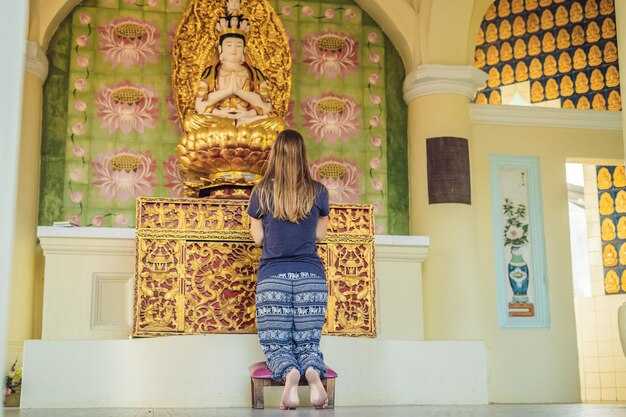
located in the heart of the old town, the sultan’s residence complex sits across a broad square where vendors and shade trees provide a welcome stop for preparation. The gedhong blocks, dalem houses, and sitihinggil courtyards form a compact area that is easy to cover in a full-day visit, while inviting deeper exploration for those who come with time.
For coming visitors, plan a concrete rhythm: a morning cadence features a gamelan ensemble and a sit-down wayang segment. If you want a smooth experience, use whatsapp to check current timings and ask for an additional program. Between ceremonies, take a short rest on the panti and absorb the atmosphere as you watch the last moments of the day unfold.
The founder and kings who once guided this place left behind stories etched into the stones; today the layout remains accessible to visitors who want to understand how the royal complex functioned. The path connects dalem corridors with the gedhong court, and a quiet corner is often used for small jemparingan demonstrations, while a larger ceremony fills the square with music and shadow play.
To optimize your time, plan an itinerary that crosses the area in a logical arc: start near the sitihinggil, loop to the panti for a rest, then move toward the last-wing yards and the eastern gedhongs. The site is located just steps from the main square and is accessible by foot or short rides; bring water, sunscreen, and a compact notebook to jot down notes about who the enemy of tradition was in different eras, if you enjoy a deeper dive.
As a practical takeaway, plan a quiet, full-day experience with a focus on core moments: the ceremony stops, a brief gamelan tune, and a shadow performance of wayang. With respectful attire and proper preparation, the visit can become a window into Java’s court life rather than a generic tour.
Entrance Fees, Inclusions, and How to Buy Kraton Tickets
Buy tickets online in advance on the official platform to secure your entry and skip long queues. Such preparation ensures youre guided through the main courtyards with minimal delay, and your plan aligns with the opening times for the day.
قیمت اور شاملات
Prices differ by nationality: local visitors pay a modest fee, while international guests pay a higher rate. A full-day pass includes access to the central quadrangle, the fort-like perimeter, and surrounding pavilions; it also includes performances, a puppet show, and authentic displays that reveal Java’s cultural heritage. The package typically includes a printed map and licensed guides who can directly explain the evolving stories behind this royal complex. Note that slots are limited on busy days, so first-time visitors should consider the full-day option for maximum coverage. The tugu statue, shadowed colonnades, and intricate carvings are placed along the route, and Buddhist relics may be featured in dedicated spaces on certain calendars. If you wander slowly, you can stop at stops to absorb the atmosphere; conditions outdoors vary with weather and ceremonies, so dress accordingly. For deeper context, the agency staff can provide insights into independence-era programs and the fort’s strategic role. Youre encouraged to enjoy the authentic ambiance while exploring.
How to Purchase Tickets
Start at the official platform and select your preferred package; youre given clear options for standard entry or full-day access. The process includes entering the number of adults and children, choosing a payment method, and receiving a digital ticket or QR code. After payment, save the code and arrive at the south gate during the opening window for verification. If you prefer on-site purchase, arrive early at the ticket counter, though you should expect limited availability and longer lines. For groups, contact the designated agency to secure a discount and a dedicated route. Bring valid identification if required, and follow posted conditions and security checks before placing your belongings in lockers or bags. Additionally, bear in mind that certain areas may be restricted during ceremonial days; plan your route so you can still enjoy the main highlights, including the fort-like ambiance, the tugu’s shadow, and the intricate details designed to evoke Java’s legacy.
Best Times to Visit: Avoid Crowds and Align with Ceremonies
Understanding Kraton Performances: Schedule, Locations, and How to Watch
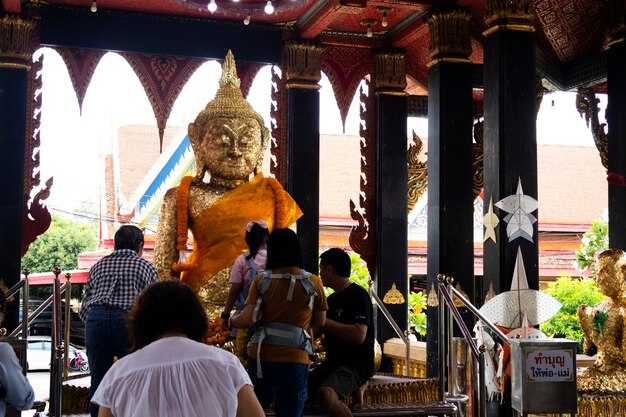
First, arrive at least 30 minutes before the first act to secure a spot near the gedhong stage, where the sound and view are most immersive for participants and curious guests alike.
Schedule and How to Watch
- The morning session typically starts in the first half of the day and lasts about 20–40 minutes, featuring gamelan ensembles and ritual drums that set the spiritual tone for the day.
- Afternoon performances follow a similar length, with a short intermission; check on-site boards or ask at the guesthouse for the exact times, as conditions and days can change.
- Special instances or prabayeksa moments may occur on certain days; these are announced in context with other attractions and may require separate seating or a different viewing area.
Locations, Access, and Practical Tips
All shows take place on the Gedhong stage, surrounded by landmarks and near the temple precincts and a modest museum. The covered seating is designed to keep conditions comfortable, making it perfect for a calm, observant visit.
- Where to watch: Gedhong stage, with seats facing the performance area; prefer spots near the front for a closer view of gamelan gems and batik details on stage props.
- Ticketing and prices: Prices are posted at the entrance; you can obtain passes separately if you are visiting other nearby places; expect modest fees that support maintenance and performances.
- Accessibility and hassle: The route from the guesthouse or nearby parking is straightforward; ask staff for a direct path if you prefer a smooth, single-step route.
- Viewing context: Understand the spiritual importance of the pieces; many rhythms reflect prabayeksa heritage and java-era traditions that enrich the overall experience.
- Nearby attractions: The selogriyo temple area and a small museum provide additional context for what you see on stage; plan to visit them before or after the show.
- Facilities: Covered areas protect guests from sun or light rain; bring a light shawl if you are sensitive to breeze and note that the ground can be uneven near the stage.
Curious participants can circulate through the surrounding places, then return to the stage to catch an instance of the main performance. This approach offers a balanced view of visual arts, java context, and musical traditions, making the visit a cohesive experience about local culture and artistic craft.
Guided Tours vs. Independent Visits: Choosing the Right Kraton Experience
Prefer a guided session for first-time travelers to quickly map the heart of local culture, srimanganti, sitihinggil, and other corners, always enhancing understanding of prabayeksa and sekaten elements while staying within the official routes and avoiding confusion–the enemy of efficient planning.
For travelers who prefer autonomy, plan an independent itinerary based on a travel map, written notes, and planning points to visit. This approach suits those who want to linger in the alun, museums, and the streets within Bantul and Progo, sketching scenes and noting how the passages unfold without fixed times, without name badges, while avoiding confusion–the enemy of clear decisions.
When to choose a structured session
Choose the organized option when your aim is to learn the prabayeksa, explore the heart of the tradition, and hear stories about wayang and puppet craftsmanship. It covers a curated set of gems in a single morning or afternoon, includes concise explanations around sitihinggil and srimanganti, and respects sekaten calendars while guiding your outfit choice for comfortable walking.
Smart planning for self-guided visits
Before you go, write a compact plan that maps corners, the north zone, and passages, note times for puppet demonstrations and sekaten displays, and sketch routes to the alun and museums. Bring written notes and a lightweight sketching book; use the map to avoid getting lost within corridors and ensure you hit progo and bantul entrances without delays. This path suits travelers who prefer independence and want to tailor the experience around themes such as keben crafts or srimanganti rituals.
| پہلو | رہنمائی شدہ | Independent |
|---|---|---|
| Time efficiency | Structured routes, 60–90 minutes, minimal backtracking | Flexible pacing, 2–4 hours or longer depending on pace |
| Educational depth | Curated context, including srimanganti, sitihinggil, prabayeksa, sekaten | Self-driven with written materials, signage, and personal notes |
| Access to restricted areas | Occasional access to inner zones via official permissions | Access depends on self-advocacy; some corners remain closed |
| Cost | Higher due to service charges and included benefits | Lower per visit; potential add-ons or demonstrations may cost extra |
| منصوبہ بندی کی کوشش | Low; bookings, language choices, and timing set | High; requires pre-reading, planning points, and sketching |
| بہترین برائے | First-timers, families, educational groups | Return visits, longer stays, personalized routes (wayang, puppetry, keben exhibits) |
Photography, Dress Code, and Respectful Conduct at the Palace
Photography Best Practices
Always invite consent before photographing any guest or staff; if declined, shift focus to architecture and surroundings.
Exterior spaces offer relaxed opportunities, with many openings in courtyards that provide gems for composition. Use natural light and avoid flash near sensitive artifacts.
In gates and gapura zones, some interior stages or pavilion areas could be off-limits; always check signs and, when in doubt, ask staff before entering.
During peak season, international and european visitors, including indonesias, could find it easy to capture iconic views; plan for shoulder times to reduce crowds and get cleaner angles.
To enhance your collection, position yourself along walls and within courtyards to frame the stage against heritage surroundings; avoid blocking pathways for other guests.
Security at gates is strict; there will be checking of bags and permissions; follow instructions and move calmly to keep the experience relaxed for all.
In summary, cameras can tell many aspects of the site, but always respect opening hours and signage so the visit remains comfortable for every subject.
Dress Code and Respectful Conduct
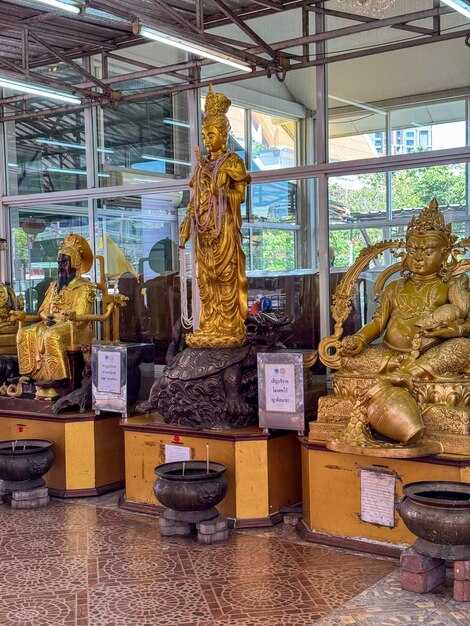
Modesty is expected: long trousers or knee-length skirts, shoulders covered, and footwear that is comfortable for long strolls; no bathing attire in public areas.
Outdoors, hats are acceptable, but indoors remove headgear and keep voices muted; avoid touching wall or ceremonial items and stay on marked areas, including pavilion zones as posted.
The hereditary heritage of the complex calls for quiet, respectful conduct; do not pose with ceremonial regalia or climb on walls or stages, and treat the space as a living memory rather than a stage for selfies.
When hiring on-site assistance for photography guidance, ensure they adhere to rules and do not disrupt others; this simple step helps everyone have a good time.
Always follow opening times and the directions of staff at gates and gapura entries; this discipline can enhance the visit for everyone and keep the surroundings well protected. These rules apply across palaces.
Practical Tips: Accessibility, Amenities, and Nearby Attractions
Arrive early to maximize access and to start exploring the heart of the complex without heavy crowds; the front entrance sits beside a wide forecourt, and staff are ready to help you plan a visiting route that suits your group.
-
Accessibility and navigation: paved routes lead from the front gate to the main structures, with ramps and handrails where needed; you should request a mobility plan at the information desk, and guides can tailor an itinerary that is suitable for your pace without compromising your travel schedule.
-
Amenities on site: clean restrooms and seating plazas are located along the primary paths, plus a cafe and snack stand for a quick relax; a small museum-style corner stores local crafts, and a gift shop offers typical regional items along with postcards for international visitors.
-
Family travel and comfort: stroller-accessible routes, shaded resting points, and short, engaging routes along the structure are available; if visiting with children, ask a staff member about interactive spots held in the inner yards to keep young ones engaged.
-
Guides and language options: official guides offer tours in several languages which might enhance your understanding of the king’s precinct and the broader national heritage; though you can explore on your own, a guided option often provides context you might miss otherwise.
Travel tips to consider: bring water, wear comfortable footwear suitable for uneven pavement, and plan a loop that covers two or three key sites along the central axis; this approach helps you explore without rushing and puts you in a position to relax between stops.
-
قریبی تفریحات: within a short ride or walk, you’ll find a national gallery, a local market district, and several cultural sites that complement your visit; signs in multiple languages help international guests orient themselves along the routes.
-
Transportation options: taxis or ride-hailing services drop off at the front, with reliable access back to main transit hubs; public buses run along the broader city corridor, offering a budget-friendly way to continue your travel without missing highlights.
-
Sites to consider nearby: the national museum, a traditional crafts street, and a performing arts venue are located within easy reach; plan a half-day that includes a museum stop, a stroll through markets along the riverfront, and a final photo session near the main forecourt.
To maximize the visit, check opening times and event calendars on the official channels; most days offer temporary exhibitions or live demonstrations held in the central halls, which might be especially appealing for families and solo travelers alike, and provide opportunities to enrich your travel narrative with authentic local culture.