


 اردو
اردو  English (UK)
  Русский
  বাংলা
বাংলা  العربية
  日本語
日本語  한국어
한국어  Magyar
  Norsk nynorsk
  Türkçe
  עִבְרִית
  Español
  Čeština
  Svenska
  Português
  Ελληνικά
  Suomi
Suomi  Nederlands
  Română
  Italiano
  Français
  Polski
  Українська
  Deutsch
  简体中文
简体中文  Slovenčina
  Српски језик
  Azərbaycan dili
  O‘zbekcha
  አማርኛ
አማርኛ 
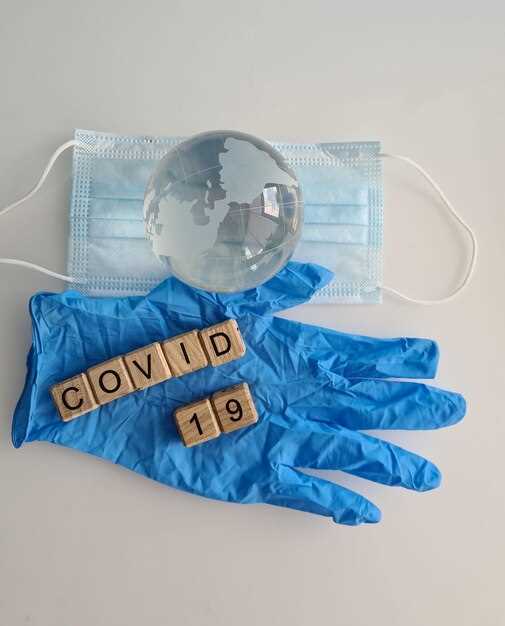
The COVID-19 pandemic has tested the resilience of our civilization in unprecedented ways. As we navigate the aftermath of this global crisis, it is worth considering how future generations will perceive this period in history. Will it be remembered as a mere chapter in our social evolution, or will it stand as a monumental event that reshaped our culture and collective identity? Today, the lessons learned and the adaptations made could give us a glimpse into the future, revealing what this tragedy means for our species.
Throughout history, societies have faced challenges that required persistence and innovation. During the pandemic, we witnessed both the beauty and the brutality of our world. As we return to life on the streets of Virginia and Paris, we find ourselves grappling with an important question: What should we keep as memories of this time? Simple gestures, such as wearing a mask or maintaining social distance, may become integral parts of our shared history, monuments to the human spirit’s ability to endure. Designers have already begun to create spaces that accommodate this new reality, making it impossible to ignore the impact of COVID-19 on our built environment.
As we look back on this year, the whole of society stands at a crossroads. The economic and psychological effects of the pandemic are still unfolding, blocking our path to recovery. This particular moment in history reflects the bundle of emotions, experiences, and changes that we have collectively endured. Perhaps it is time to listen closely to how our past informs our present, shaping the monuments we choose to build–both physical and metaphorical. Just like ancient stone structures in Mont Saint-Michel that withstand the test of time, the impact of COVID-19 will resonate through the ages, influencing future civilizations long after the last wall of the pandemic has been breached.
Societal Changes and Their Long-lasting Effects
The COVID-19 pandemic has brought about multiple societal changes that will likely persist long into the future. As we collectively navigate the aftermath, certain trends have emerged that redefine the ordinary fabric of daily life. For instance, the embrace of remote work has become more than just a temporary solution; it has created a cultural shift towards valuing flexibility and balance in professional environments. This transition also draws attention to the beauty of human connection, as friends and families have found new ways to tour virtual realms, fostering a sense of community despite physical distances.
Moreover, the pandemic has also altered the landscape of trade and consumption. With visitors now more inclined to seek online experiences rather than traditional storefronts, businesses are adapting their functions to cater to this new reality. Smaller, local artisans have gained visibility, showcasing their creations–copper jewelry or stunning photographs–that resonate with consumers looking for a personal touch. This shift not only supports local economies but inspires a renaissance of craftsmanship that harkens back to ancient times, when artisanship was celebrated.
While some may view these changes as temporary, it is impossible to ignore their defining role in shaping future societal norms. Michael Fratello points out that the persistence of these transformations–in areas ranging from healthcare to education–will lay the stones for a robust foundation. As we begin to process and reflect on this historical period, it is clear that the lasting effects of the pandemic will form a bundle of lessons that future generations will not only study but also worship for their role in redefining the human experience.
The Shift to Remote Work: A New Standard?
The COVID-19 pandemic has challenged our established norms, particularly in the realm of work. As many organizations shifted operations to remote settings, the world witnessed a historical transformation. This period has become a unique love-letter to humanity’s resilience and adaptability; for many, the home has replaced the traditional office, making it difficult to consider returning to the old normal. In this way, the elements of design in working environments have shifted dramatically.
In the future, the long-term impacts of this transition could redefine the very essence of work. For example, companies are now located in a virtual forum where collaboration is streamlined and geographical barriers have become less significant. Remote work has made it possible for teams to exist across the planet with impressive efficiency, whereas the physical commute once dictated the availability and productivity of individuals.
This crisis has also highlighted the disparities in access to technology. While some employees thrive in their new settings, others face obstacles that cannot be ignored. Disasters such as these often expose the vulnerabilities in our existing structures. It makes one reflect on how quickly we adapt to challenges and the importance of addressing the needs of all employees.
Many designers and organizations are beginning to realize that the shift to remote work should not be temporary; rather, it should be embraced as a part of our evolving civilization. The opportunity to reshape work culture is novel, presenting a chance to establish more flexible schedules and work-life balance. For this reason, the forum for discussion surrounding remote work will only become more critical.
However, not everything should be forgotten in this transition. The pandemic has been a tragedy that collectively brings forth the memory of the lost opportunities and experiences that traditional workplaces once provided. The human connection that occurs during face-to-face interactions cannot be replaced entirely by virtual meetings. This area of social belonging is where organizations must innovate to maintain morale and teamwork.
Some experts predict that in the coming years, the office will become a more collaborative space, with fewer designated individual workstations. Instead, it will focus on community and creativity–much like the Roman forums where ideas flourished. Thus, the monuments of our past work culture become stones upon which a new path can be laid, blending both existing and future potentials.
As we look forward, it is clear that remote work becomes a building block for many companies and employees alike. The way we approach work has transformed into something that allows individuals to thrive wherever they are located. This shift may very well signify a permanent change in human interaction with work, leading to a better quality of life for countless individuals across the globe.
Impact on Mental Health: A Generational Concern
The COVID-19 pandemic has undeniably impacted the mental health of individuals across the globe, marking a significant historical moment that will resonate through generations. What was initially perceived as a temporary crisis has revealed multiple layers of mental strain, transforming how societies view and address psychological well-being. With the first signs of lockdowns, many were touched by the abrupt shift to isolation, causing a wave of anxiety and depression that still reverberates today.
Artists and designers have collectively responded to this situation by creating impressive virtual forums where individuals can share their experiences and emotions. This novel approach allows for creative expression, offering a gorgeous collection of photographs and writings that document personal struggles and resilience during these challenging times. Such initiatives inspire others to visit these platforms, listen to their peers, and realize they are not alone in their feelings.
Furthermore, the persistence of virtual interactions has replaced traditional social gatherings, affecting how friendships are cultivated and maintained. In the past, casual visits with friends might have alleviated stress; however, this has changed significantly. The absence of face-to-face connections presents a challenging block to emotional support that many have relied on for solace.
The impact on mental health can be further observed through studies that show younger generations, particularly, are more prone to feelings of loneliness and anxiety. This phenomenon raises concerns over how these effects may mark the psychological well-being of individuals for years to come. In the context of commerce, businesses are now more aware of mental health issues, having installed wellness programs aimed at addressing the unique needs of their employees.
In Virginia, one initiative exemplifies the response to this generational crisis. Designers from local communities came together to create an architecture of healing spaces that foster connection and support. These spaces serve as a reminder that, much like the Egyptians and Romans who built structures to celebrate life, modern-day society should also prioritize mental health as an integral part of well-being.
The historical significance of this pandemic will likely occupy a large place in psychological studies, focusing on how human resilience can lead to innovative ideas for mental health care. Courses in psychological practices may forever include lessons on navigating crises like COVID-19, emphasizing the importance of community and professional support during trying times.
Ultimately, the long-term effects of this pandemic will shape not only our understanding of mental health but also our cultural landscapes. It is imperative to look back at this moment as a pivotal point for global discourse on mental health resources. By addressing these concerns collectively, we can ensure that future generations are better prepared to handle similar challenges.
As we navigate through the aftermath of COVID-19, it is crucial to remember that change is possible. By acknowledging the past, we can pave the way for a brighter future for mental health–one that values every individual as a crucial part of the community, capable of inspiring others to come forward and share their stories.