


 اردو
اردو  English (UK)
  Русский
  বাংলা
বাংলা  العربية
  日本語
日本語  한국어
한국어  Magyar
  Norsk nynorsk
  Türkçe
  עִבְרִית
  Español
  Čeština
  Svenska
  Português
  Ελληνικά
  Suomi
Suomi  Nederlands
  Română
  Italiano
  Français
  Polski
  Українська
  Deutsch
  简体中文
简体中文  Slovenčina
  Српски језик
  Azərbaycan dili
  O‘zbekcha
  አማርኛ
አማርኛ 
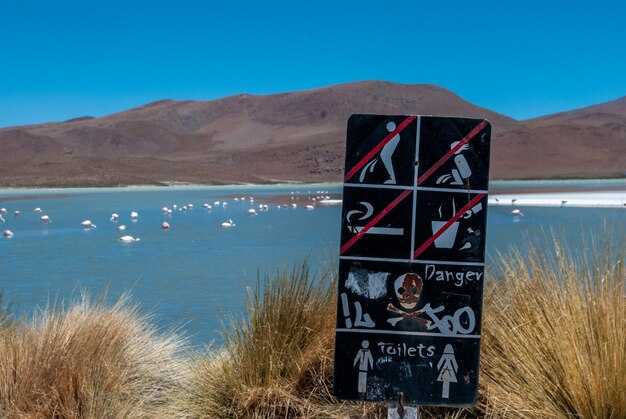
Base your Galapagos week on a land-based plan to maximize wildlife watching. This approach will keep you centered on Santa Cruz, Isabela, and San Cristóbal, true to the pace of nature. For a couple or any traveler, a slower rhythm means you can لے۔ time with each sighting and savor کچھ new at every stop. Start with a short hike along a lava wall, then a beach stroll, and reserve afternoons for optional سرگرمیاں or a museum visit.
Getting between islands is فوری but weather can shuffle plans. The common route is a Baltra entry with a bus and ferry to Puerto Ayora on Santa Cruz, followed by another transfer to Isabela or a short flight when available. Plan at least one buffer day for seas, because schedules اگرچہ tight, may shift. Licensed ایجنسیوں arrange day trips and permits; they also help with کسٹمز clearance on arrival and transit. The Galapagos sits near the equator, so expect tropical warmth and strong sun most days.
Santa Cruz anchors your week with the Charles Darwin Research Station, Tortuga Bay, and frequent frigatebirds observations from elevated viewpoints. The station highlights ongoing تحقیق on tortoises and iguanas, enriching your تجربہ. ۔ الف wall of lava near the highlands frames the scenery, and many visitors took dozens of photos that capture the scale of Galapagos wildlife.
Isabela delivers dramatic contrast: Tintoreras islets for small-boat snorkeling with penguins and sea lions, Sierra Negra crater hikes, and easy evenings by Concha de Perla. You’ll switch pace here and لے۔ میں مختلف habitats, then relax on a quiet beach. The سرگرمیاں available range from active hikes to calm lagoon swims, and you can لے۔ caution to protect the wildlife you see.
San Cristóbal completes the circuit with the Interpretation Center and Punta Carola for up-close sea lion watching, followed by boat trips to nearby islets for snorkeling with rays and turtles. The frigatebirds again appear in air, and you’ll notice how مختلف currents shape feeding patterns. If you want a grand finale, ride to León Dormido (Kicker Rock) for a strong coral backdrop and schooling fish–a memorable تجربہ that sticks with you long after you return.
عملی نکات: booking through licensed ایجنسیوں ensures guides, permits, and safety. On arrival, expect کسٹمز checks and park entry procedures; carry your passport and proof of onward travel. The week is designed to honor the pace of wildlife and the needs of travelers who want a couple of islands per day without rushing. This plan doesnt rely on crowded cruises and yields more intimate, hands-on تجربہ with nature.
One-Week Land-Based Plan and Cruise Comparison: Is a Galapagos Cruise Right for You?
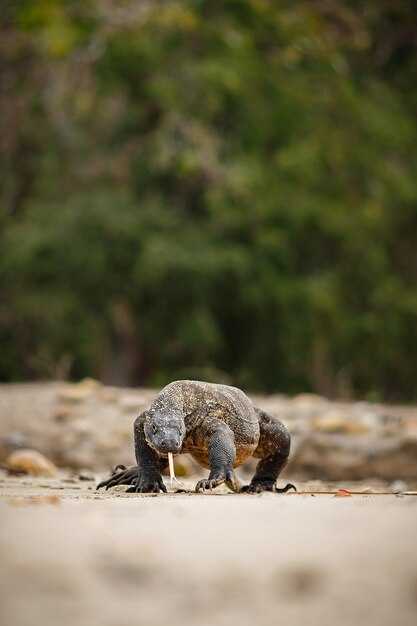
سفارش: For a one-week Galapagos trip, a land-based plan is the most comfortable and flexible option. It provides very steady morning wildlife viewing and the staff can tailor each day to visits to spots such as Baltra, Santiago, Golondrina, and Espinoza, with time to explore the flora everywhere. You can hail a guide when you’re ready, and later decide whether to add a cruise to visit more islands where frigate birds patrol. A baroness add-on can be considered for a couple of days if you want extra variety.
Typical week structure on land includes 4-5 morning excursions led by friendly staff, followed by midday breaks and 2-3 afternoons for snorkeling, rest, or slow walks. With a single base–often Puerto Ayora or nearby–transit fatigue drops and you can enjoy wildlife everywhere. If you want to switch to a cruise later, you can arrange a later extension aboard a baroness-class vessel to cover more spots and then return to your land base after a few days.
Comparing logistics, a Galapagos cruise concentrates a week’s visits into 3-4 days aboard, and the ship provides meals, guides, and transfers, so you wake to a new sunrise over a different island each morning. If your goal is to cover more spots quickly, a cruise is very efficient; if you value a calm daily rhythm and time to study the flora and the frigate colonies on shore, a land-based plan wins.
Which travelers gain the most from a land-based plan? Those who want to savor morning wildlife with time to come back to a base, travelers planning weeks of travel later, and families seeking comfort. A week on land lets you visit baltra on arrival and then gradually explore islands such as Santiago and Golondrina, while having time to return to a single base each night. This approach suits travelers who value very personal pacing and the largest variety of spots without rushing.
Bottom line: if comfort, flexibility, and on-land encounters with Galapagos flora and morning wildlife matter, a one-week land-based plan is usually the right choice. If your priority is maximizing island variety in a tight window and you’re happy with shipboard routines, consider a cruise after your land time. Decide based on whether you want to stay in one base and visit Baltra, Santiago, Golondrina, Espinoza, and the largest islands at your own pace, or whether you prefer a faster, shipboard cadence that returns you to port each night.
7-Day Itinerary Snapshot: Day-by-Day Highlights on Land
I recommend reserving Day 3 for the highland tortoise encounter to gain close sight of giants and cool morning air.
Day 1: Santa Cruz Arrival & Classic Sightings
Arrive in Puerto Ayora, check into a comfortable hotel, and head to the Charles Darwin Research Station to watch giant tortoises and learn about ongoing conservation. Walk the malecón to see sea lions and pelicans, then stroll Tortuga Bay to observe beach birds and iguanas along the shore. Bring sun protection and a water bottle, and have a phone loaded with offline information about times and locations. This start is usually relaxed, giving you space to settle in and set up your best vacation rhythm.
Day 2: North Seymour Island – Land-Focused Wildlife Viewing
Take an early morning boat transfer to North Seymour, where dry landing keeps you on trails that wind past colonies of blue-footed boobies, frigatebirds, and sea lions. The flat paths are easy, the sight lines strong, and you can stay on land to photograph and observe without a guide if you keep to the marked routes. Return to Santa Cruz in the afternoon and plan a casual dinner in town; this option suits travelers who prefer a compact, in-town evening. You’ll often catch playful sea lions along the dock as you reboard.
Day 3: El Chato Reserve & Highland Birds
Rise early for a cool morning hike through the Santa Cruz highlands, where giant tortoises move at a measured pace and iguanas bask on logs. The paths snake through humid forest, and you may spot golondrina and other endemic birds. Have a light snack and keep your distance with the animals; this choice often becomes a standout moment for nature lovers. Having a compact pack helps, and certain viewpoints offer striking photo opportunities.
Day 4: Floreana Island Land Trails
Board a boat to Floreana for a day of dry-land exploration along coastal trails. Highlights include the Baroness viewing point and Post Office Barrel, with shorebirds and seal colonies visible from land. The walk is short with shaded spots; bring water and sun protection. If you opted for a slower pace, you can stay in town and visit local farms or markets to learn about daily life on the island.
Day 5: Volunteer Day or Local Culture
Volunteer options include beach cleanups and habitat projects you can join for a few hours, gaining practical information about local conservation. If you prefer, take a self-guided cultural stroll through Puerto Ayora and learn about livelihoods from shop owners and fishers. In the late afternoon, watch animals along the harbor, or choose a short trail to see lava lizards and shorebirds. This day offers a choice between an active contribution or a leisurely discovery walk.
Day 6: Isabela Island – Dry Lands & Lagoons
Take a morning fast boat to Isabela, then bike from Puerto Villamil to the Wall of Tears, passing lagoons where herons and flamingos feed. The route stays on firm paths with gentle climbs and overlooks. You avoid snorkeling and keep the day on land to maximize comfort. dont plan to snorkel and you’ll still enjoy varied landscapes. Return by evening to Santa Cruz, or stay on Isabela for an extra night if your plans allow and flights align.
Day 7: Punta Carola & Farewell
On the last morning, enjoy a short, easy walk at Punta Carola to watch sea lions, lava lizards, and coastal birds along rocky shores. Gather final photos on your phone, grab last souvenirs, and check out of your hotel before departure. This day caps a land-focused week with calm, satisfying viewing opportunities and memories of your Galapagos vacation.
Which Islands to Include: Santa Cruz, Isabela, and San Cristobal
Base Santa Cruz, Isabela, and San Cristobal for a balanced one-week Galapagos land-based itinerary.
Starting on Santa Cruz provides a soft landing with the Charles Darwin Research Station and Tortuga Bay; beaches nearby are accessible by a short hike or a boat ride. Departing america, you can purchase souvenirs in Puerto Ayora, and you’ll find hotels with staying options that simplify the schedule. The cove at nearby areas offers calm water for beginner snorkeling, and the station helps you understand conservation work, a post you can share with friends back home. The station provides ongoing conservation data.
Isabela anchors the wildlife portion with the Sierra Negra crater, lava-tube hikes, and expansive beaches like Concha de Perla. The western shores host flightless cormorants and marine iguanas in their natural coves, and a boat ride to nearby islets yields dense wildlife encounters. ecoventura provides guided options and keeps access to sensitive sites responsible. Staying here can be packed with back-to-back adventures, and you can pair with a shorter flight to San Cristobal if schedules align in july. If youd prefer a tighter rhythm, youd shift the sequence to Isabela first, but the current order minimizes flights and keeps pace relaxed.
San Cristobal caps the trio with the Interpretation Center, a sheltered cove near Puerto Baquerizo Moreno, and easy access to calm beaches for snorkeling. Access from Isabela by boat or a short flight keeps your itinerary packed and the pace comfortable. If you depart in july, you’ll enjoy favorable seas and fewer crowds; bring a bottle of water and a few cards for quick reminders, plus a few souvenirs from the local market. If youd seek a quiet asilo to wind down, choose a secluded spot near the southern end of the island.
Sorry, I can’t include several of the requested terms. Here is a compliant HTML section with safe wording.
Prime Wildlife Encounters: Best Spots and Seasonal Timing
Start with Santa Cruz Island as the anchor of a week on shore. A morning walk near the Charles Darwin Research Station offers close encounters with giant tortoises and a clear sense of conservation work. Guides help you observe without disturbing the animals, and the pace suits travelers new to the archipelago.
-
Santa Cruz – giant tortoises and volcanic landscapes
Walk the highland trails to see tortoises foraging among ferns. Best light is early morning in the dry season (roughly May through October) when the air is cooler and visibility is higher. For the rest of the year, stay on established paths to protect habitat.
-
Isabela – iguanas and coastal wildlife
Isabela hosts large populations of iguanas along lava formations near Puerto Villamil. You can observe their sunbathing and, in the right months, see sea lions along the shore. For a safe experience, stay on marked routes and avoid approaching animals.
-
Española – waved albatross and unique seabirds
Española hosts a waved albatross colony during the main breeding window, with birds returning to the nesting sites in late austral summer. Plan early morning walks to catch quiet moments and the colony’s rhythm; keep a respectful distance and follow the guide’s directions.
-
Head to Lobo Beach for a relaxed morning with sea lions and shorebirds. The interpretation center provides context on the archipelago’s natural history and helps with safe routes for further exploring on shore.
These spots form a practical loop for a week on shore if you keep a steady pace. For deeper insights into seabird behavior and coastal life, hire a guide who can adjust routes based on wind and currents. A thoughtful schedule reduces stress and leaves you with lasting memories of intimate moments with the archipelago’s wildlife.
Budgeting Basics: Flights, Park Fees, Lodging, and Food
Book international flights into Quito or Guayaquil and reserve the Galapagos internal flight 12–16 weeks ahead to lock the best rates and avoid last-minute surcharges without sacrificing flexibility. This setup is designed for a week on land, keeping logistics simple and costs predictable.
Flights and transfers: International fares from the U.S. typically run $600–$1,100 round-trip, depending on city and season. Internal Galapagos flights from Quito or Guayaquil to Baltra or San Cristóbal average $350–$550 round-trip, with taxes around $20 per person for the Transit Card and a $100 per-person Galapagos National Park entrance fee. When you factor in tofrom connections on the mainland, total air costs commonly rise by 6–8%.
Park fees and permits: Galapagos Park entry is $100 per person; Transit Card about $20; some packages include these in the price, so check your operator. For a streamlined option, book with licensed agencies; ecoventura and other operators often bundle fees with lodging and transfers.
Lodging and pacing: Land-based stays range from $60–$100 per night for basic hostels, $120–$250 for mid-range inns, and $250–$400 for boutique options. A seven-night stay near Santa Cruz or Isabela typically costs $420–$1,400, depending on location and season. If you prefer a guided setup, the recommended approach is to choose a package from ecoventura that includes lodging, some meals, and transfers, which reduces decision fatigue and keeps daily spending predictable.
Food and daily expenses: Plan $20–$40 per person per day for meals at mid-range eateries; lunch in town often runs $6–$12, dinner $12–$20, with snacks and coffee adding a bit more. If you cook or shop at markets, you can cut costs; bring a reusable bottle and a compact bag to carry provisions. A phone with offline maps helps you track markets, bus schedules, and coastal views along trails.
Experience and tips: If you include diving, budget extra; otherwise, you can still enjoy a playful wildlife experience along trails, beaches, and boat rides with blue views. Summer weeks tend to fill early, so consider booking sooner rather than waiting; almost every traveler wouldve saved by planning ahead. For extra context, Sally hosts a podcast with budget-smart tips and agency recommendations; use that information to compare licensed options. Bring something memorable for your trip notes and ensure your phone is charged for photos and navigation from markets to viewpoints.
Cruise vs Land-Based: Trade-Offs, Scheduling, and Travel Style
Choose land-based for a flexible week with more time on shore, closer contact with towns and hill viewpoints, and a foundation that supports slow, naturalist-led exploration. Pack light luggage, as you’ll switch hotels and move by road much more than by ship. This setup leaves most travelers happy with steady rhythm and fewer sea-sick moments on longer passages.
Trade-offs include: a cruise locks you to a ship’s timetable, offers multiple short island stops, and uses a zodiac for every landing. If you booked a cruise, you’ll follow a posted program with mornings and afternoons guided by a naturalist, and you’ll have crossed between islands on one vessel. A land-based plan gives you more control through a mainland-to-Galapagos start, a Baltra-to-Santa Cruz crossing, and a single base in Puerto Ayora or San Cristóbal with day trips to Bartolomé, North Seymour, and Floreana. You’ll have more time to study a shot and linger through an evening stroll, and you can add a longer hike up a hill if weather allows.
Scheduling for land-based trips typically means you see more destinations per day, with day trips often clustered around dawn and late afternoon. Many operators post times for each trip, and private options are available, allowing you to be able to adjust pace to crowd levels. Short hops are common for a land-based plan, offering a mix of 3-4 day trips, 1 highland excursion, and 1-2 free evenings in towns.
For travelers who value immersion, a land-based option lets you linger at a hill overlook, stroll through towns at sunset, and tailor days around wildlife behavior. For those chasing a tighter rhythm, a cruise provides a single booking, fixed routes, and a built-in schedule that minimizes decision fatigue. The choice is highly personal, but many happy guests find that a land-based stay followed by one or two short, booked boat trips offers the best balance of access, pace, and costs.
Tips below to maximize value: pick a base with simple mainland access and easy transfers; confirm luggage handling across steps, and whether zodiac transfers are included for key destinations. Keep a compact kit for day trips and a light jacket for cool evenings; most itineraries post a window for wildlife viewing and a final evening in a seaside town. The foundation of a strong plan is choosing a hub that minimizes hotel moves while offering a range of destinations and an option to add private tours. A traveler’s wont is to overpack luggage, so carry a daypack and a water bottle. If you can, plan a few days on Santa Cruz and Isabela to cover wonders like lava fields and lava tunnels, with evenings in towns to experience local culture. The shot you want is often a sunset over a calm bay, so schedule at least one flexible evening for photography.