


 اردو
اردو  English (UK)
  Русский
  বাংলা
বাংলা  العربية
  日本語
日本語  한국어
한국어  Magyar
  Norsk nynorsk
  Türkçe
  עִבְרִית
  Español
  Čeština
  Svenska
  Português
  Ελληνικά
  Suomi
Suomi  Nederlands
  Română
  Italiano
  Français
  Polski
  Українська
  Deutsch
  简体中文
简体中文  Slovenčina
  Српски језик
  Azərbaycan dili
  O‘zbekcha
  አማርኛ
አማርኛ 
The rich tapestry of mythology is woven with the threads of ancient tales, where characters like Zeus and Hera ruled the heavens, and heroes embarked on epic journeys. In Greece, these narratives became more than just stories; they formed the foundation of a culture that revered its gods and celebrated its legends. Today, we invite you to explore this fascinating world that still captivates the imagination of both young and old, providing essential information about the myths that shaped a kingdom.
Imagine a time when mortals and gods interacted near the sacred sites of Delphi, or when the underworld was just a journey across the river Acheron. Among the Athenians, the iconic Acropolis stood as a sanctuary dedicated to their deities, where worshippers would travel to seek guidance. As you delve into the stories of legendary figures, from the hero who outsmarted the gods to the women who became their lovers, you’ll discover that every tale offers a unique lesson rooted in the very essence of human experience.
This exploration is designed for those who want to learn about the ancient world and its enduring legacy. Whether you are a student embarking on a school project or a mythology enthusiast seeking deeper insight, the stories of famous characters like Aphrodite and Hestia remain relevant today. We recommend checking out eBooks and other resources that delve into these captivating stories. As you read, remember that these myths are not just remnants of the past but powerful narratives that continue to inspire and teach us valuable lessons about love, power, and the human condition.
Understanding the Role of Hades in Greek Mythology
Hades, the god of the underworld, plays a crucial role in Greek mythology. He is often misunderstood, primarily because many Greeks associated him solely with death. Hades is not just a figure of doom; he is also the overseer of the dead and the ruler of the kingdom that lies beneath the earth. This kingdom, often referred to as the Underworld, is where the souls of the deceased reside, and it is categorized into different areas, including the infamous Acheron river and Elysium, a paradise for the virtuous. The Greeks believed that visiting these realms after death depended on one’s life choices, thus instilling a moral code among the living.
One of Hades’ significant attributes is his relationship with Persephone, his wife. Their union began when Hades kidnapped her, which caused great distress to Demeter, Persephone’s mother. This event also explains the seasons, as Demeter’s grief during Persephone’s time in the Underworld corresponds with winter. Therefore, Hades’ role extends beyond his dark kingdom; he is also tied to themes of love and the cycle of life and death. Many Greeks honored him by visiting temples dedicated to his worship, aiming to gain favor and secure passage into the afterlife.
Hades is often depicted in the fifth or sixth century BC art and literature, and he is associated with symbols like the cornucopia and the keys of the Underworld. He is portrayed with a scepter, which signifies his authority. Despite his important role, Hades is not typically included in the pantheon of Olympian gods like Athena or Aphrodite. Instead, he Represents a darker aspect of the Greek belief system, and references to him can be found in various ancient texts and theater plays. Schools in ancient Greece sometimes included these myths as part of their curriculum.
In the wider context, Hades shares some traits with his brothers, Zeus and Poseidon. While Zeus rules Olympus and the skies, and Poseidon governs the seas, Hades reigns over the Underworld, marking a clear division of responsibilities. This triad of brothers collectively represents the main aspects of existence in Greek mythology. Hades, although not as frequently worshiped, signifies the inevitability of death and the afterlife, serving as a reminder of the transient nature of life.
It’s essential to understand that Hades did not possess the same traits as many other gods in the Greek pantheon. He is not vengeful like Hera or capricious like Apollo. Instead, he is often seen as a just ruler who maintains balance in the realm of the dead. His absence from many Olympic games and festivities can be attributed to the Greeks’ desire to celebrate life rather than dwell on its end. When they remembered Hades, it was usually in the context of funerals or private rites, showcasing the respect and fear that his domain inspired.
To sum up, Hades is a complex figure in Greek mythology, interwoven with themes of duality and balance. His role exemplifies the Greeks’ understanding of life and death, reminding them that while mortality is a certainty, it is also a continuation of the soul’s journey. Engaging with Hades’ mythology provides remarkable information about ancient Greek values surrounding family, love, and loss. Whether through literature, temple visits, or artistic displays, Hades continues to captivate our imagination, urging us to confront the mysteries that lie beyond the grave.
Hades: The Overlooked God of the Underworld
Hades, often overshadowed by more popular Olympian gods like Zeus and Hera, is actually a significantly important figure in Greek mythology. As the king of the Underworld, he ruled over the realm of the dead and was considered both powerful and feared by mortals. His domain was closely associated with symbols of death and the afterlife, such as the three-headed creature, Cerberus, who guarded the gates of his kingdom. Many today think of Hades as merely a villain, mainly due to the dark connotations of his realm. However, he played a crucial role in maintaining the balance between life and death, making him an essential figure in ancient Greek beliefs. Many monuments and altars have been dedicated to him, showcasing his importance in the pantheon, and the Greeks even created theaters and schools to explore stories about him and his lovers, like Persephone.
In popular culture, Hades is often depicted as a sinister figure, which overshadows the complexity of his character. Considered the fourth brother of the Olympians, he shared the world with Demeter, Zeus, and Poseidon, each governing different aspects of existence. The vital interest in Hades doesn’t end with his rulership; his connection to necromancy and the cult practices surrounding his worship highlight an important period in Greek religion. Schools often recommend that students explore his myths for deeper understanding, revealing layers of human emotion and connection. Museums exhibit artifacts related to his iconography, presenting a side of Hades that is frequently overlooked, opening a fascinating discussion about how the ancient Greeks viewed death and the afterlife. Without Hades, the intricate tapestry of mythology would be incomplete, as he anchors the earthly realm with his dominion over the dead.
The Significance of the Underworld in Ancient Beliefs
The ancient Greeks believed in a complex underworld, ruled by Hades, which served as an essential element of their mythology. This realm, often depicted as dark and foreboding, was a necessary component of the cycle of life and death. It was thought that every soul, after their birth into the world, would eventually take a journey to the underworld, particularly crossing the Acheron, a river associated with pain and sorrow. The underworld was not simply a place of punishment; it was also a reflection of life’s mysteries, highlighting the importance of water as a life-giving force.
Among the various deities, Demeter اور Hera played distinct roles in the myths surrounding the underworld. Demeter, known as the goddess of the harvest, was deeply connected to the cycles of nature and fertility, which directly linked her to the life-death-rebirth themes embodied by the underworld. These beliefs were widely celebrated in festivals, reflecting the محبت and respect that the Greeks had for the natural order. Meanwhile, Hera, as the goddess of marriage and family, emphasized the importance of societal bonds, which extended beyond life into the eternal realm.
The underworld was also associated with various animals and mythical creatures. It was believed that certain spirits took the form of animals, such as the giant Cerberus, who guarded the gates of the underworld. This connection underscores a broader belief that all life, including animals, was intertwined with the fate of the soul. The Greeks often held games and festivals near sacred sites like the agora and theatres, where stories of the underworld were acted out, teaching important moral lessons about virtue and vice.
As the ancient Greeks traveled across their lands, they encountered various monuments and sites that served as reminders of their beliefs in the underworld. From the theater of Athens to the ruins discovered at Brauron, these places allowed people to engage with myths that brought meaning to their lives. Schools often taught children about these stories, nurturing interest in their heritage and ensuring the legends lived on. The underworld was not merely a destination for souls; it shaped how the Greeks understood their own existence and the گیمز of life.
How Hades Compares to Other Olympian Gods
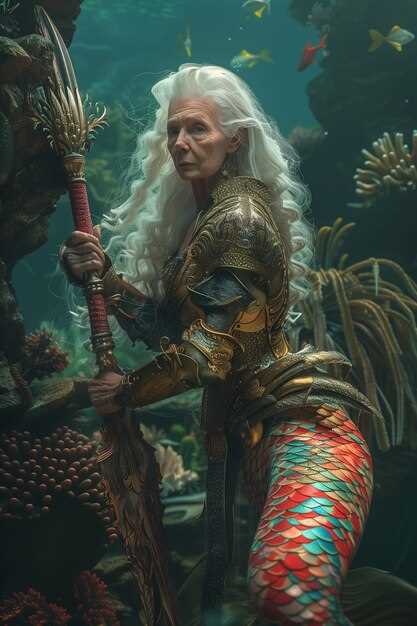
Hades, the god of the underworld, occupies a unique position among the Olympian deities. Unlike other gods such as Athena or Zeus, who are often associated with power, victory, and the natural world, Hades is primarily linked to death and the afterlife. His domain came with a different kind of authority; while Zeus ruled the skies and Poseidon the oceans, Hades presided over a vast kingdom beneath the earth. This aspect of his character makes him both feared and revered, and while the living dreaded his presence, he was often depicted as a just and powerful ruler ensuring the order of the afterlife.
One of the most important contrasts between Hades and other Olympian gods is his relationship with the mortal realm. Many gods had lovers among humans and engaged in various exploits that shaped myths and stories. In contrast, Hades’ love story with Persephone is unique, as it involved not just another love interest but a powerful symbol of the cycle of life and death. His wife, Persephone, became a bridge between the living and the dead, showcasing how Hades’ mythos encompasses themes of rebirth and the seasonal changes in agriculture, linked to Demeter, her mother. This intertwining of stories highlights the depth of Hades’ characterization within the broader tapestry of mythology.
In terms of representation in art and literature, Hades is often overshadowed by deities like Athena, whose representations fill museums and theatres. His imagery–such as the dark chariot he rides–carries a different weight, often perceived as ominous rather than magnificent. Yet, not to be misunderstood, his power is just as vital as that of the major gods. As people study ancient texts and view artistic portrayals, they often discover that Hades, although not as celebrated, plays an essential role today in understanding the balance between life and death, symbolizing an important aspect of Greek lore that should not be overlooked by students of mythology. Recommend exploring ebooks or online resources dedicated to this topic for deeper insights into his character and stories, especially for those interested in the passages that address his relationships with other gods.
Mythological Stories Featuring Hades
Hades, the powerful god of the underworld, is often depicted in various mythological stories that weave through ancient Greek culture. He was not only the ruler of the dead but also believed to maintain control over the precious resources hidden beneath the earth, particularly during times of agricultural uncertainty. The stories surrounding Hades often emphasize his role in the balance between life and death and how his powers are pivotal to the fate of both mortals and Olympian gods. Many children learn about these tales at school, where they explore significant myths that include Hades, often leading to discussions about his relationships with other gods, particularly Zeus, the king of Olympus.
One of the most famous myths is the story of Hades and Persephone, which is set in the ancient agora of Athens, near the magnificent Acropolis. According to the myth, Hades fell in love with Persephone, the daughter of Demeter, and took her to his realm. This act is often regarded as both a romantic and controversial one, as it sparked a series of events that affected the earth’s fertility. The yearly cycle of the seasons is said to have originated from this myth, where Hades’s time with Persephone in the underworld coincides with the winter months, and her return to the earth above marks the arrival of spring–a perfect example of how Greek mythology explains natural phenomena through powerful narratives.
| Story | Main Character | Setting |
|---|---|---|
| The Abduction of Persephone | Hades | Athens, Agora |
| The Twelve Labors of Heracles | Hades | Underworld |
| Orpheus aur Eurydice | Hades | Underworld |
اس کے علاوہ، ہیڈز کو ادب اور فن کے مختلف حصوں میں نمایاں کیا گیا ہے، بشمول فیڈیاس اور دیگر مشہور مجسمہ سازوں کے کام جنہوں نے اس کے جوہر کو قید کرنے کی کوشش کی۔ ہیڈز کے لیے وقف مندر، اگرچہ دوسرے اولمپین دیوتاؤں کے مقابلے میں کم، پھر بھی اہم پناہ گاہوں کے طور پر کام کرتے تھے جہاں نذرانے پیش کیے جاتے تھے۔ لوگ اپنی اموات کی محفوظ نقل و حمل کو یقینی بنانے کے لیے اس کی حمایت چاہتے تھے، ہیڈز کی دوہری نوعیت کو ایک خوفناک اور قابل احترام دیوتا کے طور پر اجاگر کرتے تھے۔ یہ کہانیاں آج بھی گونجتی ہیں، کیونکہ ان کا تجزیہ تھیٹروں میں کیا جاتا ہے اور دنیا بھر کے عجائب گھروں میں ان پر تبادلہ خیال کیا جاتا ہے، جو ثقافت اور کہانی سنانے پر ان کے دیرپا اثرات کی عکاسی کرتا ہے۔.