


 اردو
اردو  English (UK)
  Русский
  বাংলা
বাংলা  العربية
  日本語
日本語  한국어
한국어  Magyar
  Norsk nynorsk
  Türkçe
  עִבְרִית
  Español
  Čeština
  Svenska
  Português
  Ελληνικά
  Suomi
Suomi  Nederlands
  Română
  Italiano
  Français
  Polski
  Українська
  Deutsch
  简体中文
简体中文  Slovenčina
  Српски језик
  Azərbaycan dili
  O‘zbekcha
  አማርኛ
አማርኛ 

وہ Capitoline Museums (часто называемые капиолинские музеи на русском) are a treasure trove of history and artistry, located on the iconic hills of Rome. From the moment you arrive, you’ll be greeted by the splendour of their collections, including the first monumental sculptures that depict the rich mythology of ancient Rome. This article aims to guide you through the absolute essentials of visiting these magnificent museums, ensuring you make the most of your trip.
As you journey through the museums, you’ll find yourself looking over breathtaking city views, each route leading you to masterpieces that have stood the test of time. The Capitoline is not just a place to observe art; it is an immersive experience where history comes to life. Notable pieces such as the Venus اور Cupid sculpture, along with tapestries that tell stories of Rome, are just a small sample of what is available for visitors to appreciate.
Planning a visit can seem daunting, but with a little intent and preparation, you can navigate the closures and hours effectively. Always check if you need to book in advance to avoid cancellations, especially during the busy spring months of April. This way, you’ll be able to stand in front of Marforio, a significant statue that speaks volumes about the city’s rich culture, and be reminded of what it truly means to explore Rome’s artistic heart. Whether you are a long-time aficionado of art or a casual visitor, the Capitoline Museums offer an unmissable experience that will remain with you long after you leave.
Discovering the Rich History of the Capitoline Museums
وہ Capitoline Museums, ، یا museos capitolinos, are a testament to Rome’s deep artistic and historical roots. Established on the Capitoline Hill, these museums were built in the 16th century and stand as a remarkable example of Renaissance architecture. They include the Palazzo dei Conservatori اور Palazzo Nuovo, which were designed to house the city’s wealthy collection of art and artifacts. Daily admission provides art lovers and curious visitors alike with the opportunity to explore historic treasures that date back to ancient Rome.
Visitors will encounter the colossal statue of Jupiter and various works that depict Rome’s illustrious past. One of the most admired pieces is the Marcus Aurelius statue, believed to be the only bronze equestrian statue from antiquity to survive. Walking through the courtyard of these museums, one can request audio guides that provide insightful commentary on the artworks’ histories. This elaboration allows even casual visitors to engage deeply with the treasures they find inside.
Throughout the afternoon, the museums host concerts and public events that invite the community to enjoy art in a new light. There’s always something happening; whether it’s a temporary exhibition or a special artist showcase, attendees have the opportunity to be a part of the cultural fabric of Rome. The connection between past and present sparks curiosity, driving many to choose the Capitoline Museums as a highlight during their visit to the city.
In conclusion, the Capitoline Museums serve not only as a repository of art but also as a burial ground for history. They are a place where the rise of civilization is captured through the works of Guercino, and others. With their highly acclaimed collections, they illustrate the beauty of art from various periods, making them an essential stop for anyone wishing to understand the layers of history that have shaped Rome into what it is today. On your next visit, take a moment to read the plaques and absorb the stories encapsulated within these magnificent walls.
What are the Origins of the Capitoline Museums?
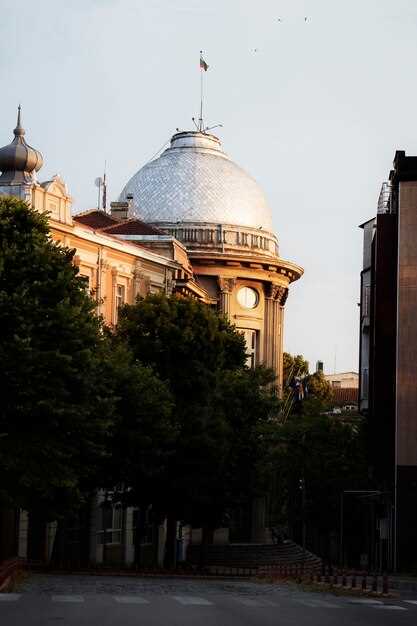
The Capitoline Museums, known as “Musei Capitolini,” date back to the 15th century, making them among the oldest public museums in the world. Established by Pope Sixtus IV, the initial aim was to house a collection of valuable artworks and sculptures, allowing the public to appreciate cultural heritage. Over time, this collection expanded, incorporating numerous masterpieces from different periods, including works by renowned artists and philosophers. The museums now stand as a testament to the artistic and historical significance of Rome, with many entrances that lead visitors through various exhibition halls. As you walk through the courtyards and galleries, the stunning views of the surrounding area, including the basilica of Santa Maria in Aracoeli and the Lateran, enrich the experience.
In the years that followed, the Capitoline Museums continued to evolve, with the addition of numerous galleries and the focus on various themes. For instance, the Galleria dei Candelabri houses intricate tapestries and beautiful sculptures, while the centerpiece of the collection is the statue of Marcus Aurelius. Misnomers about the collections often arise, but the variety contained within these walls reflects the rise of Christianity and its impact on art across generations. Visitors wanting to explore this treasure trove can take advantage of the available tickets to enjoy concerts and exhibitions held in the museum’s stunning spaces. A journey through the Capitoline Museums is not only about observing art; it is also about experiencing life’s grace through the ages, making it an essential site for anyone visiting Rome.
Key Historical Events Shaping the Museums

The Capitoline Museums, located atop the Capitoline Hill in Rome, were founded in 1471, making them one of the oldest public museums in the world. They opened their doors in the Palazzo dei Conservatori, which was designed to store and showcase a series of masterpieces. These early collections largely stemmed from donations of artwork and artifacts that were once held in the city’s churches and private collections. This initial act of philanthropy marked the beginning of a journey that would see the museums become a treasure trove for art and history enthusiasts worldwide.
As visitors take a leisurely stroll through the elegant halls of the museums, they engage with works from renowned artists and philosophers. Each piece, whether a beautiful sculpture or a moving painting, tells a story that transcends time. The Romans’ relationship with these artifacts was not merely one of admiration; it was about preserving the essence of their cultural identity. Notable events throughout history also saw the museums expand their collections, even suffering during times of political strife, yet continuing to thrive and adapt.
By the 18th century, the museums had begun to take on their modern form. An extensive renovation allowed for the creation of new exhibition spaces that held artifacts reflecting Rome’s grandeur. February 1734 marked the addition of the Palazzo Nuovo, further enriching the experience for those visiting the museums. Now, visitors can admire beautifully arranged exhibits that depict Roman life, mythology, and the city’s stunning history.
| سال | واقعہ |
|---|---|
| 1471 | Founding of the Capitoline Museums |
| 1734 | Addition of Palazzo Nuovo |
| 19th Century | Further expansion and renovations |
| 21st Century | Continuing exhibitions and cultural events |
Today, the Capitoline Museums continue to stand as a graceful testament to the resilience of artistic expression in the face of adversity. With each afternoon concert and event held within their walls, they breathe new life into the historical narrative of Rome. Each ticket purchased is not just an admission to experience these wonders but a step into the very body of art history, where the past and present meet in a harmonious dialogue.
Architectural Evolution of the Museums Over Time
The Capitoline Museums, known as museus capitolinos, are a remarkable representation of architectural evolution in Rome. Their buildings, each unique, tell a story that spans centuries. The complex includes several structures, with the Palazzo dei Conservatori اور Palazzo Nuovo being the most famous. Together, they create a fascinating route through time, where visitors can admire stunning مجسمے, paintings, and other works of art.
Originally, the area served as a significant political and religious center. The first of these buildings was the Palazzo dei Conservatori, designed during the Renaissance. Its construction began in the early 16th century, and it features a blend of Greek and Roman architectural styles, showcasing the intent to reflect the greatness of Ancient Rome. Over time, this building evolved, incorporating elements that make it a splendid example of its kind.
In December of 1734, the renovation of the Palazzo Nuovo began, further enriching the museum complex. This second building was designed to house the collection of ancient statues and artworks that had been purchased from various sources. One of the most interesting curiosities within its walls is the renowned statue of Cupid, which draws admiration from art enthusiasts.
As these buildings evolved, so too did their purpose. The museums began to reflect a shift from purely political use to cultural and artistic exhibitions. This transition allowed for the display of notable works, including the iconic گلیڈی ایٹر مجسمہ جو آج بھی زائرین میں نمایاں ہے۔ عجائب گھروں کی تعمیراتی عظمت ان میں موجود فن کی عظمت کی تکمیل کرتی ہے۔.
سالہا سال سے، کیپیٹولائن میوزیم کنسرٹس اور مختلف نمائشوں کے انعقاد کے لیے ایک مقام کے طور پر بھی کام کرتا رہا ہے۔ فن تعمیراتی جگہ اس طرح کی سرگرمیوں کو ایڈجسٹ کرنے کے لیے ڈیزائن کی گئی ہے، جو زائرین کے تجربے کو بڑھاتی ہے۔ ہر بار جب مہمان آتے ہیں، تو ان کا استقبال تاریخ اور ثقافت کے ایک پس منظر کے ساتھ ہوتا ہے جو تقریباً زندہ نظر آتا ہے، جو قدیم زمانے کی کہانیاں بیان کرتا ہے۔.
جبکہ عجائب گھروں نے جدیدیت کو اپنایا ہے، انہوں نے اپنی تاریخی اہمیت کو برقرار رکھا ہے۔ سائٹ کے قریب قدرتی پہاڑیاں زائرین کو شہر کا شاندار نظارہ پیش کرتی ہیں، جو کہ اس ڈھانچے کی مجموعی عظمت میں اضافہ کرتی ہیں۔ جیسے جیسے تاریخ کھلتی ہے، کیپٹولین میوزیم فن کے علم اور تعریف کا مرکز بننا جاری رکھے ہوئے ہیں، اس بات کو یقینی بناتے ہوئے کہ یادیں مارکس اور ریمس، روم کے افسانوی بانی، زندہ ہیں۔.
قارئین جو اِن عجائبات کو کھوجنے میں دلچسپی رکھتے ہیں، پیشگی ٹکٹ بک کرانے پر غور کریں۔ ایسا کرنے سے، وہ کیپٹولائن میوزیم کی شاندار تعمیراتی کامیابیوں کے ذریعے ایک خوشگوار اور بلاتعطل سفر کو یقینی بنا سکتے ہیں۔ وہاں، کی دیواروں کے اندر کیپٹولیائی عجائب گھر، تاریخ اور فن ایک ایسے تجربے میں ضم ہو جاتے ہیں جو تعلیمی اور متاثر کن دونوں ہے۔.
آرٹ کلیکشنز: شاہکار اور ثقافتی اہمیت
وہ Capitoline Museums, ، جو کیپٹولائن ہل پر واقع عالی شان محلوں میں بنائے گئے ہیں، فن اور نوادرات کا ایک شاندار ذخیرہ پیش کرتے ہیں جو قدیم روم کے ورثے کو مخاطب کرتا ہے۔ ان کی دیواروں کے اندر، زائرین تلاش کر سکتے ہیں شاہکار such as گورچینو کا شاندار تصاویر اور مشہور اسپیناریو, ، ایک دلکش مجسمہ جو ایک نوجوان لڑکے کو اپنے پاؤں سے کانٹا نکالتے ہوئے دکھاتا ہے۔ یہ مجموعہ نہ صرف فنکارانہ صلاحیتوں کو ظاہر کرتا ہے بلکہ رومی زندگی کی ثقافتی اہمیت کی طرف ایک دریچہ کا بھی کام کرتا ہے، جہاں فن اور سیاست بغیر کسی رکاوٹ کے جڑے ہوئے تھے، جو کہ کی طاقت کی علامت ہے۔ شہنشاہ اور شہر خود۔.
جیسے جیسے آپ عجائب گھروں کے مختلف حصوں کو دریافت کرتے ہیں، اس بات پر زور دیا جاتا ہے کہ میونسپل فن عیاں ہو جاتا ہے۔ پورے علاقے میں، کوئی ان اثرات کے بارے میں پڑھ سکتا ہے جنہوں نے ان فن پاروں کو تشکیل دیا، جو اکثر مخصوص مقاصد کے لیے کمیشن کیے گئے تھے، بشمول تدفین کے مقامات اور عوامی تقریبات۔ مثال کے طور پر، دلکش مجسمہ مشتری رومی معاشرے میں دیوتاؤں کے لیے موجود احترام کی عکاسی کرتا ہے، جو مذہب اور شہری زندگی کے درمیان ایک مضبوط رشتہ پیدا کرتا ہے۔ ان مذہبی نوادرات اور روزمرہ کی زندگی کی خوبصورت پینٹنگز کے درمیان تضاد زائرین کو ان دنوں کے دوران معاشرتی ڈھانچے کا ایک جامع نظارہ پیش کرتا ہے۔.
عجائب گھروں کے خوبصورت چھتروں کے زیر سایہ گزارا گیا وقت شاندار نظاروں سے لطف اندوز ہونے کا کافی موقع فراہم کرتا ہے۔ Rome, ، فن کے ہر ٹکڑے کے تجربے کو بڑھاتے ہوئے. کیپیٹولین میں اپنے وقت کے دوران زائرین دریافت کریں گے اور جانیں گے کہ اگرچہ کچھ نام ایسے لگ سکتے ہیں جیسے غلط نامیاں, ، ان کے پیچھے کہانیاں دلچسپ اور دلکش ہیں۔ جیسے ہی آپ راہداریوں کے درمیان گھومتے ہیں۔ موسیٰ, ، یاد رکھیں کہ یہ مجموعے محض نمائش کے لیے نہیں تھے بلکہ ایک ایسی تہذیب کو سمجھنے کے لیے لازمی تھے جو فن کے انسانیت پر اثرات کو اہمیت دیتی تھی، جو انہیں تاریخ اور ثقافت دونوں کے لیے اہم بناتی ہے۔.