


 اردو
اردو  English (UK)
  Русский
  বাংলা
বাংলা  العربية
  日本語
日本語  한국어
한국어  Magyar
  Norsk nynorsk
  Türkçe
  עִבְרִית
  Español
  Čeština
  Svenska
  Português
  Ελληνικά
  Suomi
Suomi  Nederlands
  Română
  Italiano
  Français
  Polski
  Українська
  Deutsch
  简体中文
简体中文  Slovenčina
  Српски језик
  Azərbaycan dili
  O‘zbekcha
  አማርኛ
አማርኛ 
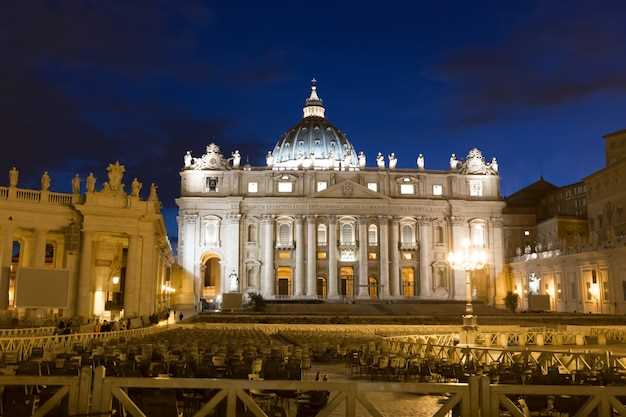
Visiting St Peter’s Basilica is more than just a trip to a church; it is a journey into the heart of Vatican City, one of the most spectacular destinations in the world. This stunning architectural masterpiece, designed by the renowned architect Carlo Maderno, holds a unique combination of history and artistry that captivates an audience of millions each year. From the moment you approach the enormous dome that rises majestically above Rome, you will find yourself in awe of the sheer scale and beauty of this iconic site.
As you step inside, you will be greeted by the breathtaking interior, where every detail tells a story. The intricate decorations and the famous Pietà by Michelangelo will leave you moving and reflective. For those eager to explore further, the basilica offers a series of rooms and altars, each holding their own significance and beauty. The entry to these spaces can sometimes be overwhelming, so it’s wise to consider قطار چھوڑیئے tickets to maximize your visit.
With security checks and the bustle of tourists, time can pass quickly, and it’s easy to overlook some of the hidden gems. Therefore, a detailed plan when visiting is essential. Don’t forget to read about the history behind the پینتھون اور Mamertine Prison, which offer a glimpse into the life of Rome before the Basilica was constructed. On Wednesdays and in January, it’s common to witness special tours or events that highlight the church’s spiritual significance, making these days particularly special for your visit.
As you explore the beautiful windows and pillars, think about the rich stories that have unfolded over centuries. Each visit to St Peter’s Basilica is an opportunity to discover something new, making it a must-see spot for anyone traveling to Italy. While you may find other museums and attractions that are also worth your time, the basilica stands tall, not just as a church, but as a symbol of faith and artistry for all who are fortunate enough to enter.
Exploring the Architectural Wonders of St Peter’s Basilica
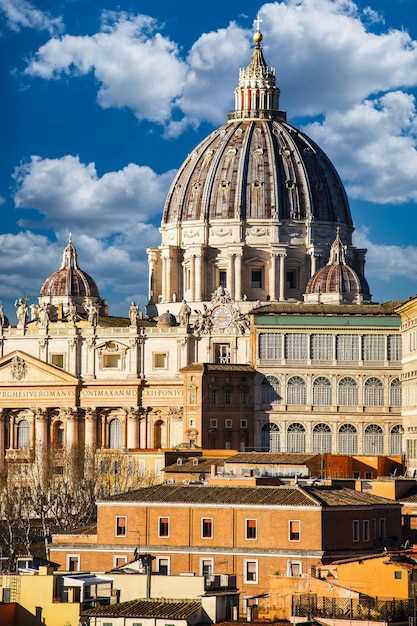
St Peter’s Basilica stands as a pinnacle of Renaissance architecture, located in the heart of Vatican City. This iconic church was largely built under the direction of renowned architects, including Michelangelo and Carlo Maderno. Each detail reflects a profound understanding of form and space, making it a must-visit destination for anyone exploring Roman Catholic heritage. The intricate designs and the sheer scale of the basilica serve as a testament to the craftsmanship of the time.
The basilica is famous for its stunning dome, designed by Michelangelo, which rises majestically above the city skyline. At the top, visitors can enjoy panoramic views of the Vatican and beyond. The experience is instantaneously breathtaking, reinforcing the significance of this site. Additionally, the altar, which marks the burial site of St. Peter, holds a special place in the hearts of many pilgrims and tourists alike.
- Bernini’s Contributions: Gian Lorenzo Bernini played a pivotal role in the design of the basilica’s interior, including the magnificent baldachin over the main altar.
- Historical Importance: The basilica is not only a church but a historical landmark that has witnessed countless significant events in Catholicism.
- Guided Tours: To fully appreciate the architectural wonders, consider joining a guided tour that includes both the underground areas and the upper levels.
Many visitors opt for skip-the-line tickets to avoid the long queues that frequently form at the entrance. This could be especially important during peak seasons, when the church is closed to certain areas for rescheduling or maintenance. Purchasing these tickets not only saves time but ensures that you can explore each architectural wonder without feeling rushed.
Information on the basilica reveals its layered history, from the original church built by Emperor Constantine to the grand structure we admire today. It dates back to the 16th century when it began to take its final form, combining the artistic visions of important figures over the years. Don’t miss the chance to explore the combination of art and faith that this basilica represents, allowing for a deep personal connection to the site.
When planning your itinerary, consider visiting other nearby attractions, including the Vatican Museums and the Sistine Chapel. Each location contributes to the rich narrative of the Vatican City. In summary, exploring St Peter’s Basilica offers not only a glimpse into the architectural marvels of the past but also an opportunity for reflection within one of the most important churches in the world.
How Did St Peter’s Basilica Evolve Over Centuries?
The history of St Peter’s Basilica is a remarkable journey of architectural evolution that began in the early Christian era. The original basilica, built during the reign of Emperor Constantine in the 4th century, marked the site believed to be the burial place of St Peter, one of Jesus’ apostles. This initial structure was significant for the Catholic community, serving as a major place of worship and pilgrimage. However, over time, it became apparent that the old basilica could not accommodate the growing number of visitors, necessitating a transformation.
In the early 16th century, Pope Julius II initiated a project to replace the old basilica with a more grandiose design. He commissioned famous architects like Bramante, who envisioned a centralized dome similar to the Pantheon, emphasizing both grandeur and symmetry. The work progressed slowly, passing through various hands, including Michelangelo and Maderno, each contributing unique elements that shaped the final structure. The stunning dome, completed in 1590, became an iconic feature, symbolizing the heart of Vatican City.
As the centuries rolled on, St Peter’s Basilica underwent multiple renovations and additions, enhancing both its beauty and functionality. The elaborate altars, including Bernini’s majestic Baldachin, were designed to inspire awe among visitors and serve the needs of the Catholic Church during services. Even the underground excavations, which revealed the tomb of St Peter, added depth to the basilica’s historical significance, attracting tourists eager to explore its rich past. A visit to these underground passages is often included in guided tours, highlighting the basilica’s layered history.
Today, St Peter’s Basilica stands as a must-see attraction for those traveling to Rome. Each year, millions of tourists and pilgrims flock to its grand entrance, eager to admire its impressive artwork, including Michelangelo’s famous Pietà. Tickets for entry are required, especially during busy months, making it essential for travelers to plan and confirm their itinerary ahead of time. Whether visiting in January, March, or October, the basilica offers an experience unlike any other, blending the past and present in a stunning combination of art, architecture, and spirituality.
What Are the Key Features of the Basilica’s Design?
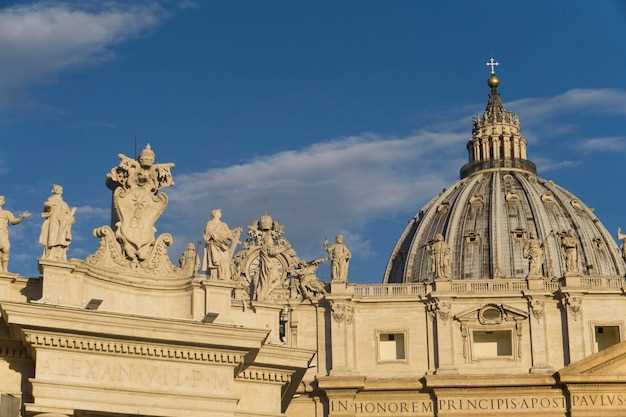
St. Peter’s Basilica, a masterpiece of Renaissance architecture, is an iconic church in Vatican City that attracts millions of visitors each year. The basilica’s design reflects a combination of artistic and architectural innovations, prominently featuring a large dome designed by Michelangelo that dominates the skyline. This dome not only serves as a structural marvel but also offers a spectacular view of the city from its top, engaging tourists looking to witness the beauty of Rome from a unique vantage point.
Another prominent aspect of the basilica’s design is its grand entry facade, crafted by Gian Lorenzo Bernini and Carlo Maderno. The massive columns create a sense of security and majesty, welcoming each person who approaches. Inside, the layout is designed to accommodate large audiences, with a central nave flanked by side chapels. This strategic design allows for numerous Catholic services, including the papal Mass, ensuring a pivotal part of the church’s ongoing history. Each visit provides a glimpse into the architectural significance and religious importance of this monumental structure.
| فیچر | تفصیل |
|---|---|
| Dome | Designed by Michelangelo, it symbolizes the heavens and provides panoramic views. |
| Entrance | Bernini’s colonnade creates a welcoming aura, representing the embrace of the Catholic Church. |
| Interior Design | Richly decorated with artworks, including Michelangelo’s Pietà, showcasing Renaissance artistry. |
| قربان گاہ | Located over St. Peter’s tomb, it is a focal point for worship and spiritual gatherings. |
Notably, the church is not only a religious site but also houses several important tombs of popes, making it a significant pilgrimage destination for Catholics worldwide. The historical context surrounding the basilica offers insight into its enduring legacy, serving as a reminder of the church’s influence through the ages. Security measures are in place to ensure the safety of all visitors during their visits, especially on days of large gatherings such as the papal audience on Wednesdays.
In summary, St. Peter’s Basilica combines an impressive array of design features, historical significance, and spiritual relevance, making it one of the most important attractions in Vatican City. Whether you are looking to purchase tickets for a private tour or simply appreciate the beauty of its architecture, it’s clear that a visit to this extraordinary church in January or March is an unforgettable experience. Each element of its design tells a story, inviting all who enter to discover its remarkable heritage.
Why Is Michelangelo’s Dome a Must-See?
The dome of St. Peter’s Basilica, designed by Michelangelo, is not just an architectural marvel; it is an embodiment of Renaissance ingenuity. Built between 1547 and 1590, this iconic structure serves as the heart of Vatican City. Visitors often include it in their itinerary, as the dome provides breathtaking views and a profound sense of history. Those who choose to visit will find that it is a pivotal part of their experience.
One of the most important aspects of Michelangelo’s dome is its combination of beauty and engineering. The structure rises to a height of 136.57 meters, making it one of the most recognizable domes in the world. This incredible height allows visitors to see not only the interior of the church but also the city below. For anyone passing through Vatican City, skipping a visit to the dome would be a lost opportunity.
The inside of the dome features detailed frescoes by famous artists, including Raphael and Bernini, which contribute to its allure. These works of art marvel those who come to admire them, enhancing the overall experience of the basilica. Moreover, the brilliant designs seamlessly integrate with the surrounding architecture, creating a harmonious visual feast that can’t be found elsewhere.
- Experience an unparalleled perspective of the Vatican Gardens.
- Have the chance to view additional statues and artworks that adorn the dome.
- Feel the moving atmosphere of one of the world’s most important religious sites.
A unique feature of Michelangelo’s dome is its exceptional depth and grandeur. Visitors who visit the dome often awe at the impressive scale, which was inspired by the Pantheon. The dome serves not only as a structural support but also as a vital piece in the narrative of St. Peter’s Basilica, connecting the church to centuries of history.
The ideal time to visit is during the season of spring, particularly in March. During this time, the weather is pleasant, making the climb to the top more enjoyable. Plan your visit to coincide with the opening hours for the best experience, and don’t forget to purchase your entry tickets in advance. This will save you time and effort on the day of your visit.
Ultimately, Michelangelo’s dome is a must-see part of any tour of Vatican City. From its stunning architecture to the elite works of art it houses, the dome ensures that every visit is a memorable one. No trip to this historic church is complete without experiencing the majesty of the dome, which stands as a testament to the artistic and spiritual aspirations of its creators.