


 اردو
اردو  English (UK)
  Русский
  বাংলা
বাংলা  العربية
  日本語
日本語  한국어
한국어  Magyar
  Norsk nynorsk
  Türkçe
  עִבְרִית
  Español
  Čeština
  Svenska
  Português
  Ελληνικά
  Suomi
Suomi  Nederlands
  Română
  Italiano
  Français
  Polski
  Українська
  Deutsch
  简体中文
简体中文  Slovenčina
  Српски језик
  Azərbaycan dili
  O‘zbekcha
  አማርኛ
አማርኛ 
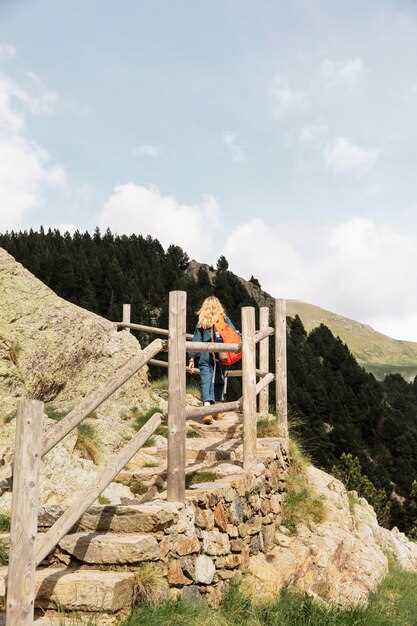
The Ridgeway, a historic pathway stretching across the British landscape, invites explorers to step back in time and engage with centuries of history. In summer, when the sun casts a gentle light over the rolling hills, this ancient route offers a unique glimpse into the lives of those who walked it long before. As we delve into the first part of this exploration, we uncover how changes in community practices, alongside the remnants of centuries past, have contributed to the Ridgeway’s enduring appeal.
Simon Krebs, a dedicated historian, recently published an article reflecting on the rich tapestry of this path. He noted that when people ventured onto the Ridgeway, they weren’t merely walking; they were carrying with them the spirits of their ancestors. The concept, reminiscent of the rituals and festivals once celebrated here, evokes a theme of connection–to gods, spirits, and even the harvest itself. As these traditions evolve, some have been admired while others have sadly been vandalized, reflecting the darker forces that often disrupt our understanding of history.
Over the years, as modern communities in Canada and other countries have taken to celebrating the resilience of ancient customs, the Ridgeway has emerged as a popular destination. Winter holidays and summer festivals have breathed new life into the old paths, treating locals and visitors alike to a feast of culture, where masks and decorations pay homage to the gods of old. With each step taken along this historic highway, one can almost hear the whispers of souls who once tread upon the same soil, reminding us of the basic human need to connect with history while confronting the frightening realities of change.
Exploring the Historical Significance of The Ridgeway

The Ridgeway is often regarded as Britain’s oldest road, with a history dating back over 5,000 years. This ancient pathway offers not only a route for travelers but also a glimpse into the myriad traditions and rituals that have taken place along its course. The significance of The Ridgeway can be traced to ancient pagan festivals celebrated by the early inhabitants of the region. These gatherings were not just about leisure; they were established practices, much like the modern celebrations of Christmas, marking the transitional seasons and honoring the gods.
Archaeological findings along The Ridgeway reveal much about the rituals held by early humans, including elaborate effigies and ceremonial sites. At places like Tlachtga Hill, ancient gatherings possibly took place to honor the deities associated with fertility and harvest. These traditions have transformed over time, echoing in the festivities celebrated today. What remains unknown is how these early practices have influenced the current paradigm of British culture, blending the sacred and the secular across centuries.
The Ridgeway serves as a critical link between the past and present, establishing a rich narrative that makes it a focal point for historians and visitors alike. It’s fascinating to consider how young generations are now rediscovering these traditions while hiking this ancient trail. They are given an opportunity to connect with a historical narrative that stretches from the time of pagan rituals to more contemporary celebrations, like the lighted decorations during the holidays.
Over time, these explorations have revealed a deeper understanding of the rituals that were once commonplace. The songs and symbols of the past, once thought to be merely archaic, are now re-emerging in cycles, similar to how festivals were once celebrated in ancient China. This resurgence can serve to bond communities through shared heritage while also inviting the public to engage in the traditions of their ancestors.
The Ridgeway and its surrounding landscapes tell a story about human development. Scholars claim that the path played an essential role in the movement of people and ideas, fostering an exchange that marked the advancement of societies. Your visit could provide insight into how these trails were more than mere routes; they were essential arteries of cultural and spiritual life. Along these trails, the image of a mother guiding her child, steeped in stories of gods and heroes, comes to mind.
As people continue to seek connections with their past, The Ridgeway stands as a testament to how history and modernity can coexist. The unknown elements of ancient practices are gradually being explored, allowing for a collective understanding that roots the present to the past. The Ridgeway is not just a trail; it is a living documentary of human existence, marked by the footsteps of countless individuals who have traversed this path, each adding to the fabric of the story it holds.
What Role Did The Ridgeway Play in Ancient Trade?
The Ridgeway, known as one of the oldest roads in Britain, served as a vital artery for ancient trade among various tribes and cultures. This ancient route spanned across the southern part of England, allowing the movement of goods, livestock, and even cultural practices between regions. The strategic significance of the Ridgeway cannot be understated, as it connected crucial settlements and trading hubs, facilitating exchanges that were essential for survival and prosperity.
As early as the Celtic period, communities along the Ridgeway utilized it for the transportation of cattle and other valuable commodities. The presence of cattle was significant for the Celts, who relied heavily on livestock for food, clothing, and trade. In winter, they would organize fairs along the Ridgeway, attracting traders from various areas to exchange goods and celebrate local festivals, turning the route into a bustling marketplace, particularly during the festive seasons.
The Ridgeway not only supported the trade of tangible items but also played a role in the exchange of cultural practices and celebrations. Many ancient holidays, like Tlachtga and others, were marked by gatherings at critical junctions along the route. These occasions were enriched by costumes, decorations, and festivities that were shared among the different tribes, contributing to a hybrid culture that spanned across regions. Such events often involved trade not just of goods, but also of ideas and traditions.
In publications researched by historians, the artifacts discovered near the Ridgeway offer a glimpse into the rich tapestry of life along this route. Bones and remnants of festive gatherings have been uncovered, highlighting the importance of these meetings as both commercial and social events. It was during these gatherings that market exchanges occurred, and relationships between tribes were strengthened through trade, further enriching the local economies.
Trade on the Ridgeway continued to evolve, even into the Roman period, when it became a crucial thoroughfare for the movement of goods across the expanding empire. The ancient road saw the transportation of not just local wares but also commodities that originated from as far away as China and parts of modern America. This diversity indicates that the Ridgeway was more than an ancient road; it was a significant trade route that linked different cultural landscapes.
By February, many tribes would start preparing for celebrations reminiscent of modern-day festivities, such as their observance of winter holidays. They would gather to celebrate not only the return of longer days but also to trade goods necessary for the upcoming season. Although these ancient parties may not have included trick-or-treating or effigies like modern celebrations, they certainly involved communal activities, communal meals, and interactions that shaped the social fabric of ancient Britain.
Today, the image of the Ridgeway continues to serve as a reminder of the interconnectedness of ancient communities. As modern scholars delve into the intricate details of ancient trade routes, the Ridgeway stands out as a central figure in understanding the trade dynamics of the past. Its legacy highlights the importance of trade in human history and reflects how ancient societies could thrive and evolve through the sharing of resources, cultures, and ideas.
How Has The Ridgeway Influenced Local Culture Over Centuries?
The Ridgeway, often referred to as Britain’s oldest path, has influenced the culture of surrounding communities since its genesis. First established as an ancient route for travelers and trade, this pathway has provided access across the hills and served as a vital link between the different regions of Britain. Over time, it became associated with various human activities such as the movement of cattle, foraging, and even the slaughtering of livestock during significant occasions. These activities have left a trace of traditions that are now deeply embedded in local culture.
Throughout the centuries, local festivals have been held along the Ridgeway, marking important seasonal cycles. For instance, the Celtic celebrations of Lemuria during the spring and the Roman festival of Feralia in winter signify a connection to the past that continues to resonate. Although such celebrations have evolved, their roots in ancient practices bring communities together each year to honor their heritage and keep alive the stories that surround this pathway. The image of the Ridgeway has become synonymous with holiday traditions that celebrate nature, the change of seasons, and agricultural cycles.
The Ridgeway is not just a physical path but is also a linguistic landmark. The language associated with it, rich in British history, reflects the evolution of local dialects and traditions. Modern publications and articles frequently highlight how terms and phrases linked to this ancient route have permeated local culture, such as references to the ‘Mother of the Hill’ or legends of kings and mythical creatures associated with certain sections of the Ridgeway. Such language continues to shape the identity of the local populace, providing a sense of belonging and a connection to their ancestors.
As the years have passed, the Ridgeway has seen the coming together of various religious and cultural influences. From Catholic festivals led by the Pope to the Protestant observances, all of these have intertwined with the customs established by the ancient Celts. These influences are clearly reflected in many public treats shared among communities, celebrating both the thinnest threads of their common history and the diverse tapestry of culture that has developed over time. The Ridgeway stands as a testament to the enduring cultural legacy, shaping and marking the landscape of local life in profound ways.