


 اردو
اردو  English (UK)
  Русский
  বাংলা
বাংলা  العربية
  日本語
日本語  한국어
한국어  Magyar
  Norsk nynorsk
  Türkçe
  עִבְרִית
  Español
  Čeština
  Svenska
  Português
  Ελληνικά
  Suomi
Suomi  Nederlands
  Română
  Italiano
  Français
  Polski
  Українська
  Deutsch
  简体中文
简体中文  Slovenčina
  Српски језик
  Azərbaycan dili
  O‘zbekcha
  አማርኛ
አማርኛ 
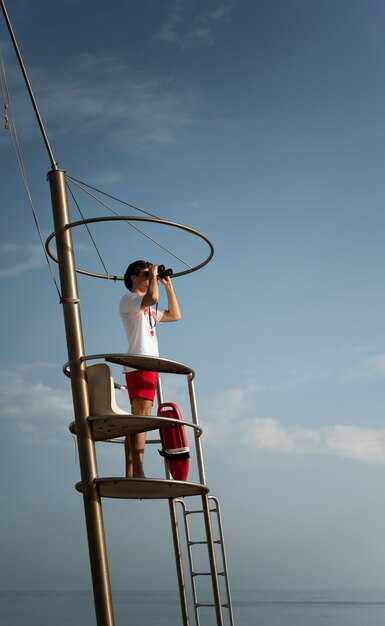
Always grip the handrail when you move on exterior decks to maintain three points of contact, especially during hours of low light or rough seas. Do not lean against the rail; accidentally losing balance can lead to a fall. This matters for safety and probably reduces risk here on the deck. When danger appears, crews acting with clear signals alert nearby passengers. The matter is simple: grip the rail.
Keep a personal flotation device (PFD) within reach; know its location in your cabin or on deck, and wear it when surfaces are wet or when the crew instructs. ہسپانوی resources and safety briefings are available to explain how to fit the PFD correctly. Secure the straps and ensure the jacket stays buoyant through a sudden movement on a rough deck.
According to maritime guidelines, newer ships use guardrails about 1.0–1.2 meters high with gaps no wider than 100 millimeters, and they apply anti-slip coatings to deck surfaces. These design choices اضافہ the odds of staying safe when the deck tilts or rolls; still, always keep distance from the rail during heavy seas.
Walk slowly and keep your eyes on the path; liquids and crowds near rails increase slip risk. In نایاب cases, passengers have survived thanks to real-time alerts and crew responses. When you notice something risky, step back, move through the crowd to a safe area, and shout for help so others can assist. These measures مدد کی گئی۔ countless travelers avoid risky situations.
If something goes wrong, report immediately to a crew member and follow their instructions. Documentation matters for preventing repeats, and you can review the incident کے ذریعے۔ official channels. If needed, an اٹارنی can provide guidance on claims and next steps.
Cruise Ship Safety: A Practical Guide
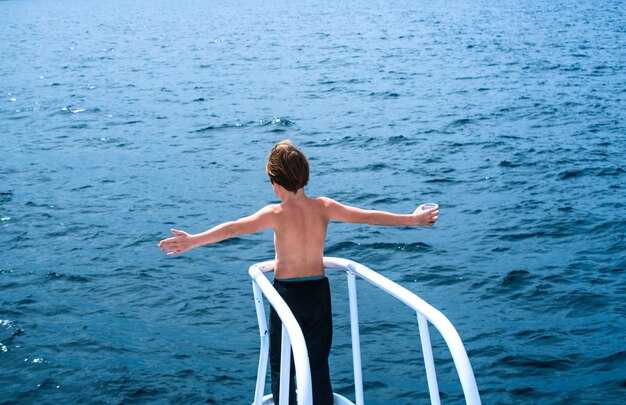
Always wear a properly fitted life jacket when you are on deck near the rails, and keep companions within sight at all times while moving, so you can watch them. In rough seas, you probably feel safer with your clothing secured and hands free.
Choose clothing with snug cuffs and non-slip footwear; avoid loose items that can snag rails or doors, and keep pockets empty to prevent trips. This sets a habit that stays with you through years of sailing.
Know the ship’s safety systems and the muster order; typically, muster drills occur at the start of each voyage; listen for the stop command during deck operations in adverse weather, and follow crew instructions without hesitation.
Respect restricted zones and obey crew directions; these areas are clearly marked to prevent accidents and to keep crew who manage equipment safe. These steps evolved through years of sailing practice.
Your behavior on deck matters: avoid leaning over rails, chasing photos, or crowds near gangways; keep voices calm and moves deliberate in busy passages. Act responsibly at all times.
During sailing, keep belongings secured and stored in zippered pockets or small bags to prevent loose items from becoming a float hazard when seas swell.
If someone falls overboard, alert crew immediately; MOB procedures activate, signals are shared, and lifeboats or rescue craft deploy. If a person is caught by a current, rapid reporting saves precious moments. On ships carrying millions of guests through busy routes, quick action makes a critical difference.
Plan personal safety as part of your routine: review safety briefings, participate in drills, and practice collecting emergency contacts with companions so you can act together through emergencies.
Cruise Ship Safety: Practical Tips to Avoid Falling Overboard
Always grip the handrail and stay back from the edge when the vessel moves. This simple habit prevents most falls on deck and keeps you in control.
Wear non-slip footwear and clothing with a warm liner to cope with temperature changes on deck. Secure loose scarves or accessories that could snag on railings or equipment.
During night watches, temperature can drop quickly. Layer up, keep hands free to grip guard rails, and avoid standing near wet or oily patches on the surface.
Keep a buddy system on deck; stay with your partner, take turns watching for hazards, and act quickly if someone is near the edge. Look after yourself and others; taking responsibility protects the whole crew and their families.
Barriers and guard rails form the first line of defense. Do not lean over them, and stay away from openings that are not clearly marked.
When you move under the liner or along shaded walkways, watch your step; surfaces can be slick during spray or rain, especially in high-traffic areas.
If you see someone adrift on deck or an accident occurs, alert the crew immediately; the guard said that international procedures require quick action to reduce deaths.
Available safety briefings on lifelines, signage, and emergency procedures help you stay prepared. Taking part lets you know where help exists and how to act for their safety.
In crowded areas, spending time near the rail should be avoided. If you must pass along edges, do so slowly and keep clothing tucked to avoid snagging.
Remember that deaths from falls are rare, but only if people follow barriers and stay alert. Where possible, keep temperature and deck conditions in check and avoid risky actions that could put you back at danger.
Stay Within Safe Deck Areas and Avoid Edge Zones
Always stay well inside marked safe deck areas and behind guard railings at all times; do not approach the edge during rough conditions or when the vessel is listing, as this seriously raises the risk of a fall. This simple habit supports survival and reduces deaths on deck.
- Keep a buffer around the edge: typically maintain at least 1.5 meters from any edge or doorway opening; if you must pass close, do so with a buddy and on a clear signal.
- Avoid leaning toward the edge or reaching into gaps; use a longstaff or reach tool if available and always keep three points of contact on the deck when near wet areas.
- Follow training and posted signage; this guidance is part of the safety systems and has helped countless crew on various vessels.
- Wear a personal flotation device in wet zones and when conditions are risky; stay with your group and keep visibility high to simplify rescues.
- Know the location of float devices and how to deploy them; in an adrift scenario, crews respond rapidly and the equipment around the edge zones helps keep people above water.
- If someone is caught near the edge, alert the crew immediately; responders will coordinate rescue with longstaffs, lines, or other equipment.
- In drills, practice edge discipline; keeping to defined zones was shown to reduce risky incidents on many vessels where the business of safety is taken seriously.
- In the rare case of a more serious incident, some procedures involve an attorney or safety officer coordinating the response to protect all crew and passengers.
Always Use Handrails on Stairs and Gangways
Always grip the handrail on stairs and gangways; keep your body close to the rail and take one step at a time. If the sea is rough or you heard creaks in the structural deck, stay well balanced during business hours and focus on personal safety.
Secure loose items that could become hazards. They can cause a stumble if you accidentally drop them while moving. Keep long items or bags at your side and avoid leaning on door frames; this keeps the line of travel clear for everyone, including guests who walk daily on busy routes.
Stay mindful of others and your surroundings: if you feel unsteady, pause and let others pass. If you slip and fall, you could be adrift from your group; keep your view forward, and use the rail to regain balance. Do not lean outward to peek down or to check the line of sight. In rough conditions, move slowly and pause when turning corners; many injuries happen in crowded moments during boarding and disembarking hours. Even a minor slip can seriously injure you and others.
Alcohol near stairs is risky; do not imbibe near stairs or boarding areas. If an incident occurs, an attorney can advise on reporting and follow-up steps. Crews routinely check rails, steps, and doors for damage; guests should report any issues they notice and avoid crossing through damaged areas. The goal is to keep your daily movements smooth and to reduce risk for everyone on board, including children and older travelers who may be more sensitive to shifts in motion.
| منظر نامہ | عمل | نوٹس |
|---|---|---|
| Busy stairs during peak hours | Hold rail, step slowly, keep items close | Stand to the side; let guests pass; line is best kept clear |
| Rough seas or dim lighting | Use rail firmly, take measured steps | Balance is critical; view ahead |
| Boarding or disembarking | Move one at a time, yield to others, avoid rushing | Order helps prevent falls |
| Children or guests nearby | Hold hands and guide to rail usage | Safety focus daily |
| Spot issues with stairs | Report to crew, they will file a maintenance request | Structural checks reduce risk |
Wear Non-Slip Footwear and Keep Surfaces Dry
Put on non-slip footwear with a rubber sole and deep treads before stepping onto any deck or stair, especially near door thresholds and pool areas. Shoes with a closed toe and a slip-resistance rating (SRC or equivalent) maintain grip when spray crosses the planks, keeping you safely on your feet during seas and sailing.
Keep surfaces dry by acting quickly on spills: wipe with a clean towel, dry the area thoroughly, and set a warning sign until it’s dry. In high-traffic zones–near stair landings, corridor intersections, and the door to outdoor decks–staff perform routine checks every 30 minutes and mop up any wet patch within 5 minutes of discovery. Use absorbent mats as needed to reduce tracked moisture outside staterooms and dining areas.
Guests should wear appropriate footwear in stateroom corridors, pool decks, and around showers. If someone slips, the immediate response is to stop, shout a warning, and move away from the hazard. Do not walk with wet socks across slick boards. Keep stateroom doors closed when transporting water or towels between rooms to prevent moisture from spreading into hallways.
Training sessions and checks create a reliable safety file. The recent safety newsletter highlights daily steps to prevent slips, offers quick actions, and keeps everyone informed. When hazards appear, signal to nearby crew or use the ship’s standard alert. Grimes, the safety liaison, oversees updates to the file and coordinates quick drills.
Longstaff use and foul-weather procedures help keep the deck clear of standing moisture. In rough seas, the crew uses a longstaff to knock water from rails without stepping onto wet gaps. This practice saves a person from a fall and reduces the need for emergency stops, helping guests and crew sail more confidently and safely.
Monitor Weather and Deck Conditions
Check weather and deck reports daily before outdoor activities, and share updates with companions and readers so passengers stay aware.
Known factors influence deck safety: wind, seas, rain, spray, deck moisture, and glare. If forecasts show gusts or rising seas, reduce exposure and move activities to sheltered places. However, weather can shift quickly, so stay flexible.
- Source reliability: rely on the ship’s bridge brief, official marine forecasts, and port reports; track wind speed, wave height, visibility, and precipitation, and read updates when theyre posted. According to the latest notes, if something in a forecast looks off, verify with the bridge.
- Deck readiness: inspect for wet patches, algae, and debris; newer decks may have better drainage, but slick patches require caution. Wear non-slip footwear and keep a firm grip on rails in exposed areas; this reduces slips and helped crews survive long passages, as they took notes on what worked.
- Operational thresholds: if sustained winds approach 25-30 knots or seas climb above 2-3 meters, shorten outdoor exposure and guide passengers to sheltered places until conditions improve. If you notice spray or reduced visibility, pause outdoor activities and brief readers with a simple order for what to do next; dont hesitate to act.
- Hydration and heat management: dehydration risk increases on sunny, long days; ensure water access, shade, and regular rest breaks for passengers and companions, and remind readers to drink steadily. These steps help much when heat is high.
- Hazard response: if you spot a hazard, dont hesitate to alert the bridge; theyre trained to adjust routes either now or at first safe opportunity. Keep routes well lit and inform readers about changes so theyre prepared for each step.
- What to watch for during seas changes: shifting wind, rolling seas, spray on deck, and displaced mats or rail coverings; adapt routes and activities to avoid exposed edges, and consider safer places to reach with rails and shade.
- Post-change checks: after a storm or heavy spray, sweep key deck areas, verify drainage, and refresh safety cues for passengers so theyre informed before resuming outdoor programs.