


 اردو
اردو  English (UK)
  Русский
  বাংলা
বাংলা  العربية
  日本語
日本語  한국어
한국어  Magyar
  Norsk nynorsk
  Türkçe
  עִבְרִית
  Español
  Čeština
  Svenska
  Português
  Ελληνικά
  Suomi
Suomi  Nederlands
  Română
  Italiano
  Français
  Polski
  Українська
  Deutsch
  简体中文
简体中文  Slovenčina
  Српски језик
  Azərbaycan dili
  O‘zbekcha
  አማርኛ
አማርኛ 
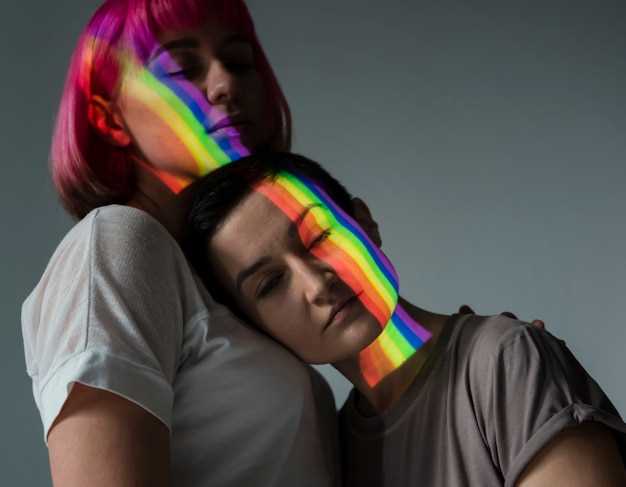
Pride Month is a vibrant celebration that brings together people from all walks of life to honor the LGBTQ+ community and its rich cultural contributions. This year, as we commemorate the events of the Stonewall riots, we focus on the incredible talents of LGBTQ+ artists who have shaped our understanding of identity, love, and acceptance. Their mission transcends mere artistic expression; it serves as a source of inspiration for individuals around the world. Celebrating these artists allows us to acknowledge their diverse backgrounds and the challenges they face, while also highlighting their remarkable achievements.
Throughout the month, various activities and events will take place, offering visitors the chance to explore exhibitions, music performances, and parades dedicated to queer culture. Museums and galleries have declared this section of their programming as a space not only for education but also for unity and celebration. As Professor Chapman notes, these events provide an opportunity to learn more about the history of homosexuality and how this has evolved over the decades. From London to New York, people are invited to stroll through art tours that feature the works of LGBTQ+ artists who have had a dominant impact on contemporary culture.
The collective joy of Pride Month can be found in the colorful parades and the stories shared by individuals who proudly embrace their identities. It is essential to keep these dialogues alive and support the artists who enrich our lives through their creativity. As we engage with their works, let us remember that the purpose of this celebration extends beyond mere recognition; it is about fostering a community that cherishes diversity and inclusivity. Let us listen, learn, and support these voices, ensuring that the spirit of queerness continues to thrive for generations to come.
The Role of Art in LGBTQ+ Activism
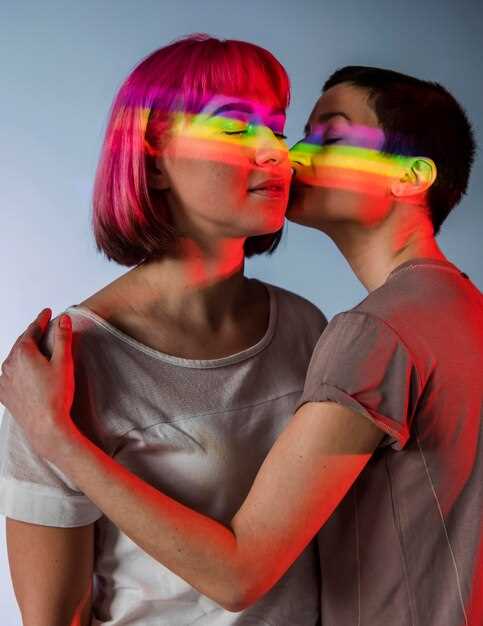
Artmaking plays a pivotal role in LGBTQ+ activism, offering a powerful means of expression that celebrates the rich tapestry of diverse identities and experiences. Throughout history, artists have responded to societal challenges, including the historical Stonewall riots, by using their creativity as a form of protest and a catalyst for change. Professor Chapman emphasizes how art serves as a bridge, connecting the LGBTQ+ community with the broader world, encouraging visitors to learn about homosexuality in various countries through exhibitions and public events. This celebration of culture not only honors the struggles faced by LGBTQ+ individuals but also uplifts their voices through music, visual art, and performance.
In contemporary times, every Pride Month invites activists and artists to come together, creating spaces where people can stroll, explore, and participate in vibrant parades and tours. These events often showcase dominant works that challenge societal norms, while also queering public spaces and promoting inclusivity. More than mere entertainment, these activities and exhibitions are infused with a mission to keep the conversation alive and ensure the community’s stories are heard and remembered. The coloring of streets and parks in the colors of the rainbow is not just a visual delight; it is a bold statement about love, resilience, and hope that encourages all to listen and act together for a more equitable world.
How Art Influences Public Perception of LGBTQ+ Issues
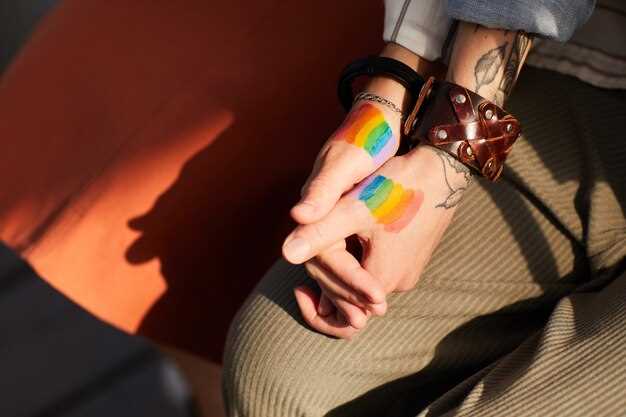
Art has a profound ability to shape public perceptions of LGBTQ+ issues, serving as a powerful medium for communication and understanding. From music that captures the essence of the community’s struggles to visual art that celebrates their identity, artists play a crucial role in influencing how society views LGBTQ+ topics. According to Professor Chapman, these art forms reflect not only the joys and challenges faced by LGBTQ+ individuals but also contribute to the dominant narratives that society accepts as truth. This process often unfolds through public events, such as pride parades and art exhibitions, which encourage visitors to explore and learn about the rich tapestry of LGBTQ+ culture.
Historically, events like the Stonewall riots galvanized artistic expression as a method of resistance and affirmation. The portrayal of these events in various art mediums has helped educate the public about the LGBTQ+ community’s struggles and victories, fostering empathy and understanding. Countries around the world have declared a commitment to LGBTQ+ equality, influenced by the visibility of artists who illuminate the real-life experiences of queer individuals. Each piece of art serves as a source from which people can learn, providing a window into the diverse narratives that comprise the LGBTQ+ experience.
- Artmaking as a tool for activism
- The role of galleries and museums in education
- Music’s influence in changing perceptions
As we celebrate Pride Month 2023, it is essential to recognize the interconnection between art and LGBTQ+ visibility. Activities such as community tours of art installations and live performances offer a stroll through the rich history of queering culture, engaging audiences in a meaningful dialogue. By listening to the stories articulated through these creative channels, the public can better understand the intricate relationship between identity and expression. This celebration of diversity and inclusivity not only uplifts LGBTQ+ voices but also inspires others to join in the mission of advocacy and acceptance.
Key Historical Milestones in LGBTQ+ Artistic Expression
From the vibrant landscapes of early homosexual art to the radical expressions following the Stonewall Riots, LGBTQ+ artistic expression has continually evolved. The 1970s brought a wave of visibility, with events like the first pride parade in New York City emphasizing community and celebration. Professors and historians, such as Chapman, have explored how these movements not only defined a generation but also influenced global art scenes. In cities like London, galleries and museums have dedicated sections to LGBTQ+ artists, presenting visitors with opportunities to learn about the rich history of queering artistic approaches.
This celebration of artmaking continues today, with numerous tours and activities designed to keep the conversation alive. Artists from various countries are now exploring themes of homosexuality through music, advertising, and visual arts, reflecting the dominant cultures they inhabit while challenging societal norms. The impact of these artistic endeavors allows people to listen to diverse voices within the LGBTQ+ community, fostering understanding and connection. As we stroll through exhibitions, the mission remains clear: to honor those who have paved the way, ensuring that the stories and experiences remain alive for future generations.