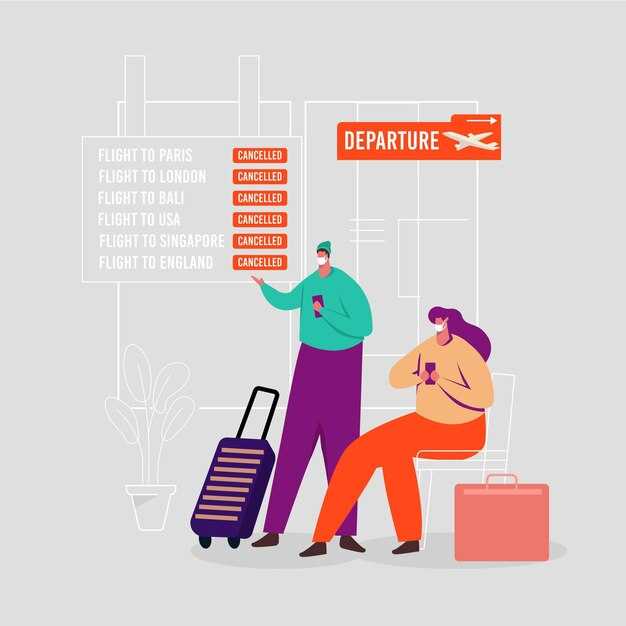

Short answer: usually no. Priority Pass lounges normally sit airside, past security, and they are built for departing passengers. A small number of sites are landside or in the arrivals hall, and those can admit you after you land. The only way to know for your airport is the lounge entry in the Priority Pass app, which states whether a lounge is airside or landside.
Can a Priority Pass lounge admit you on arrival?
Usually not, and the reason is physical rather than contractual: Priority Pass lounges sit behind security, on the departures side. The exception is a lounge that stands landside, before the checkpoint, and states that it admits arriving passengers. To decide quickly, check where the lounge is located at your airport in the Priority Pass site or app, and note the government rules that govern entry for arriving passengers.
Plan your access by confirming the area and entrance layout before you land. If you must leave the site after landing, you would need to clear security again to reach the departures area, which most flyers should avoid. Use the site to learn the exact location, the minimum requirements, and whether the lounge offer includes access for arriving passengers along with any guest policy tied to your status or airline partners.
At large hubs the lounges linked to Priority Pass are almost always inside the security perimeter and aimed at passengers who are about to depart. In practice the desk expects a boarding pass and identification from someone who is about to fly, not from someone who has just landed. If a lounge appears to be available outside security, read the entry terms carefully to understand what a flyer must show and whether it remains a valid option while you wait for your next connection.
How to verify quickly: open the site, search by airport, and locate the lounge that lists Priority Pass as a benefit. Review the entrance details, whether the lounge is a partner site, and any minimum criteria for entry. Confirm three things before you plan anything around the visit: where the door is, what the lounge requires, and whether it admits arriving passengers at all.
If arrival access isn’t possible, use an alternative plan: choose a lounge during your departure window after you clear security, or consider an airline lounge if you hold a status with that carrier or a paid option. Always check the terms, because access can change by site and by government rules, and you want to maximize your time without delaying passengers, flights, or security clearance.
Bottom line: the standard option is to use a Priority Pass lounge in the departures area. Arrival access is a rare exception, and it depends on where that lounge stands and what its own conditions of use say. If you face any doubt, consult the site, review current case details, and plan accordingly to avoid leaving the terminal and triggering a fresh security check.
Eligibility for arrival access: Priority Pass membership types and guest rules
There are three core Priority Pass membership types to know: Standard, Standard Plus, and Prestige. On its own site those three plans cost US$99, US$329 and US$469 a year respectively (prioritypass.com, checked 1 September 2026). Note what the plan does not decide: whether a lounge lets in arriving passengers is set by the lounge, not by your tier, and the app is the only place that states it. Each has distinct entrance policies and guest rules. While some lounges permit a free guest, others charge per guest; always review the policies for the individual lounge there before you travel.
Entry requirements: what to present at the lounge desk (membership, app, boarding pass)

To speed entry, present three things at the desk: your active membership card, the app screen showing this lounge as eligible, and a boarding pass for a flight that day. If asked, add a government ID; the desk checks all three, and a name on the card that differs from the name on the identification is the most common reason a valid membership is refused.
App usage: open the app, ensure the digital card or QR code is current, and show it to the agent. This typically speeds things up more than hunting for a card. If the app will not load, the plastic card and the boarding pass still work; open the app before you leave the aircraft, because wi-fi at the arrivals end of a terminal is often slower than at the gates.
Boarding pass and ID: your boarding pass must be scannable; ensure the name matches the ID you present. If you bring a guest, have the guest entry ready in the app and confirm the charge with the desk before you go through, because the amount is set by the lounge.
Hours, stay limits, and peak times for arrival lounge access
Hours vary by lounge and carriers; some lounges tie into departure access and may restrict arrival entry, so confirm inclusion. The entry states the hours for that lounge in local time, and that is the only place they are published; read them against the time your flight lands rather than against your departure.
If you are connecting rather than arriving
The distinction matters more than any card rule. A connecting passenger never leaves the airside part of the terminal, holds a boarding pass for a flight that has not departed, and therefore meets the ordinary conditions of a departures lounge. In that case the network is open on its normal terms, and the only question left is whether the programme has a lounge in the terminal you actually transit: with 1,900+ lounges spread over 600 cities, a large hub often has one in a single terminal and none in the next. Read the entry for that terminal, not for the airport.
Guest policies, fees, and limitations for companions
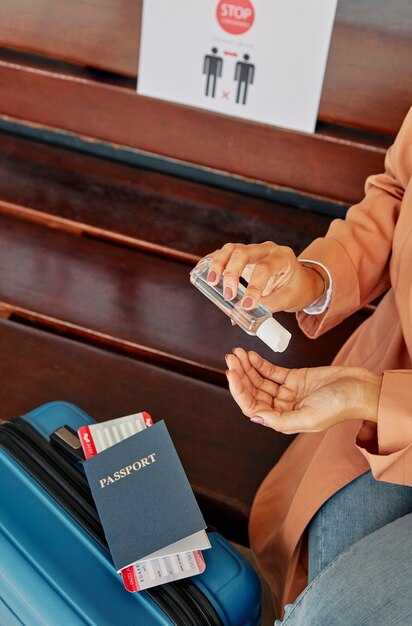
Policy varies by network, airline partnerships, and airport location. In practice, some lounges allow one guest, others permit two, and a few restrict access to members only. When you switch from a basic sign-up to a higher tier, entitlements can change, so verify the current rules for your chosen lounge and avoid surprises at the desk.
Fees and charges follow a simple rule: if your membership includes guests, those visits may come at no extra cost, but many lounges bill per guest for accompanying travellers. Priority Pass does not publish a standard guest fee on its public site — only the three annual plan prices. Each lounge sets its own amount and states it where you check in, so read it before you bring anyone through, and expect the charge to be per guest per visit.
Limitations to keep in mind: not all lounges permit arrivals visits, and some locations enforce time windows or guest-count caps. Children may be subject to the same guest rules, and some lounges require pre-booking or pre-approval for a guest entry. If a lounge located inside the transit zone changes its policy, you must adapt on the spot, or choose a different option along your route.
| Fact | Figure | Source and date checked |
|---|---|---|
| Network size | 1,900+ airport lounges and experiences | prioritypass.com home page, 8 September 2026 |
| Coverage | over 600 cities in 143 countries | same source, same date |
| Founded, owner | 1992, Collinson Group | Priority Pass corporate description |
| Annual plans: Standard, Standard Plus, Prestige | US$99, US$329, US$469 | prioritypass.com pricing, 1 September 2026 |
| Standard guest fee across the network | none published | prioritypass.com; each lounge states its own at check-in |
| Fields in a lounge entry that decide arrival access | 4: location, conditions of use, hours, maximum stay | lounge entry in the Priority Pass app |