


 اردو
اردو  English (UK)
  Русский
  বাংলা
বাংলা  العربية
  日本語
日本語  한국어
한국어  Magyar
  Norsk nynorsk
  Türkçe
  עִבְרִית
  Español
  Čeština
  Svenska
  Português
  Ελληνικά
  Suomi
Suomi  Nederlands
  Română
  Italiano
  Français
  Polski
  Українська
  Deutsch
  简体中文
简体中文  Slovenčina
  Српски језик
  Azərbaycan dili
  O‘zbekcha
  አማርኛ
አማርኛ 
In a world where art and humor intertwine, art memes have become a global sensation, captivating audiences through platforms like social media. These creations often uplift or mock, bringing forth a plethora of emotions and responses. Some might argue that they reflect the essence of modern artistic expression, while others believe they tarnish the legacy of profound masterpieces. Regardless of one’s perspective, it seems undeniable that art memes are here to stay, transforming how we perceive both classic and contemporary works.
Artists throughout the ages, from dalí to botero, have influenced the cultural landscape, yet the digital realm introduces an unknown element to this domain. Memes serve as a bridge between the traditional and the modern, enabling us to view famous paintings with a wink and a nod. By juxtaposing high art with everyday humor, memes make profound works accessible to a wider audience. Here, we might encounter the infamous restoration fails, like the viral sensation that became the ‘Oatly’ version of a classic painting, sending waves through art circles and beyond.
As we delve deeper into the realm of art memes, we shall explore the good, the bad, and the downright hilarious. This discussion aims to illuminate how these viral sensations craft a new narrative in the art world. Through examining specific examples and the social commentary they provide, we can begin to understand their impact. While some memes fall flat or miss the mark altogether, others resonate, demonstrating that humor can coexist with profound artistic expressions. Join us as we dissect this dynamic intersection, reflecting on how they make sense of art in the digital age.
The Rise of Art Memes in Digital Culture
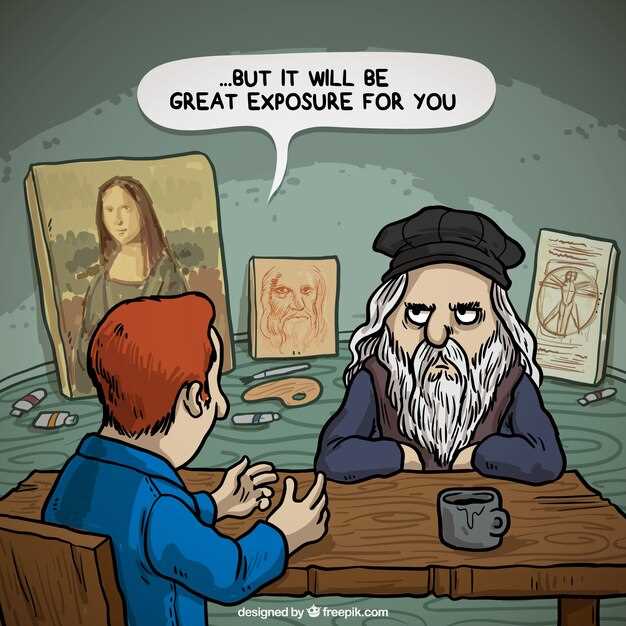
In recent years, the intersection of art and digital culture has led to the phenomenal rise of art memes. These memes often draw inspiration from classical paintings, modern art, and everything in between. Artists like Mick have found a way to merge traditional mediums with contemporary humor, creating a unique form of expression. This cultural phenomenon not only entertains but also provides a platform for discussing deeper artistic themes.
Art memes hold a mirror to our society, reflecting the way we view art today. The future seems bright for these creations as they continue to gain traction online. Museums and galleries have started acknowledging their influence, realizing that even the most revered artworks can be transformed into relatable content. The works of great artists, like Millais and Everett, are often subjects of these memes, showing both respect and humor.
Among the vast quantity of art memes, some have become undeniable sensations. For example, “Oatly” humor and its variations are an excellent case of how humor can coalesce with art appreciation. This blend engages a wide audience, from art historians to digital natives, proving that art can still be relevant in modern discourse.
Furthermore, the evolution of these memes shows how new ideas can flourish. Initially, the art meme culture began as an underground phenomenon, often with unknown creators unrecognized by the mainstream art world. However, with time, figures like Dwayne have emerged, showcasing that anyone can be a kunstenaar in this digital landscape. What was once a niche has now become an essential part of the digital art scene.
In the realm of art memes, originality is key. While some may argue about the line between tribute and parody, the best memes create a balance, making them both recognizable and unique. They highlight the importance of creativity, urging viewers to see art from a fresh perspective. For instance, Murray’s meme on Hamlet reinterprets a classic theme through contemporary language and visuals, demonstrating how art continues to evolve.
The impact of art memes is not limited to laughs; they also serve as an educational tool. By contextualizing historical pieces within today’s vernacular, they make art accessible to those who might otherwise overlook it. Not everyone knows the names of all the famous artists, but a clever meme can spark curiosity about the original work, leading audiences to explore deeper meanings.
As digital culture continues to flourish, the place of art memes is firmly established. From the frescoes in the Louvre to the latest internet trends, there is a world of creativity waiting to be explored. This ongoing dialogue between art and memes proves that they have a lot to offer in terms of cultural commentary. Art memes are not just a fad; they are a vital part of a global conversation about art, identity, and expression.
Understanding the Definition of Art Memes
Art memes are a unique blend of humor, creativity, and cultural commentary that has emerged in the digital age. They can be seen as modern reinterpretations of classical art forms, bringing a sense of relevance to the past while also addressing contemporary issues. These memes often utilize a combination of images, text, and popular references that resonate with a global audience. Memes might be viral phenomena, circulating rapidly across social media platforms, making them a vital aspect of current online culture.
A key feature of art memes is their ability to transform and adapt classic artworks into formats that appeal to the masses. For instance, a simple image of a hedgehog can become a profound statement when paired with a well-known painting, such as one featuring the works of artists like Botero. This transformational quality allows even the most traditional pieces, such as manuscripts or sculptures, to find new life in the digital world. The juxtaposition of old and new is not merely entertaining; it encourages viewers to engage with art in ways they might not have previously considered.
- In the context of a festival, memes can serve as a catalyst for discussions.
- Art memes might also play a role in education, making art more accessible.
- They can bridge the gap between various art forms, showcasing the real essence of creativity.
Interestingly, famous figures in the meme world, like Dwayne Johnson, often find themselves featured alongside these art memes, illustrating the intersection of pop culture and fine arts. Users create content that reveals their interpretations and critiques of society, utilizing hashtags to ensure that it reaches a wider audience. The interaction of images and words further enhances the significance of these memes, making them an impactful part of contemporary communication.
In essence, art memes encapsulate more than just humorous images; they reflect a deeper understanding of cultural dialogues, emotions, and societal norms. The global phenomenon they represent is not only a testament to the evolution of art but also a reminder that creativity knows no bounds. Whether you believe that they are merely trivial or a serious form of commentary, one cannot deny that art memes have made their mark on the world.
How Art Memes Reflect Contemporary Issues
Art memes have evolved into powerful tools that serve to comment on societal and political issues, providing a unique lens through which we can view the world. These digital artifacts often feature reinterpretations of famous works, such as Dali’s surreal creations or Botero’s distinctive style, recontextualized to address the current cultural climate.
For example, a self-portrait meme depicting Jesus with modern lyrics can make a statement about spirituality in today’s world. The use of familiar imagery allows viewers to resonate with deeper messages. This blend of tradition and contemporary thought reflects how art remains relevant through ages, connecting past and present in a meaningful manner.
Some artists, like Kent, have utilized social media to distribute their art memes widely, garnering virale attention. The speed and reach of these memes allow for rapid dissemination of concepts, which can be both enlightening and overwhelming. This rapid-fire nature elicits immediate reactions, bringing light to issues that may otherwise remain obscure.
When considering the emotional impact of these memes, one can see that they can serve as both satire and commentary. A meme featuring a monkey next to a lamp can symbolize the absurdity of certain societal behaviors. Such humor often helps to mitigate the heaviness of serious discussions while still making a significant point about humanity.
Furthermore, the creation of these memes is often seen as a communal endeavor. Mensen engage in sharing, reshaping, and remixing each other’s work, creating a dynamic dialogue around the subjects tackled. For someone exploring contemporary issues, this collaborative aspect makes art accessible and encourages broader participation.
During great cultural shifts, art has always found a way to protest or reflect on the circumstances. The world of memes is no different. They serve as a canvas for a generation that feels strongly about issues like climate change, social justice, and inequality. Through humor and relatability, these memes succeed in reaching audiences that traditional art might not.
The exploration of our collective consciousness through memes also allows artists to discover new forms of self-expression. As an artist works through a theme, such as identity or community, they might find their voice in the whimsical nature of a meme format. This transformation can lead to the restoration of their values within the rapidly changing cultural landscape.
In conclusion, art memes resonate deeply with contemporary issues by blending humor, nostalgia, and critique. They encourage dialogue, inspire creativity, and provide a platform for artists and viewers alike to engage with the pertinent topics of our time. As we move forward, it seems that the world of memes will continue to influence art, challenging us to think critically while embracing the lighter side of life.
Popular Platforms for Art Meme Sharing
Art memes have quickly become a central part of digital culture, with numerous platforms facilitating their creation and dissemination. One prominent platform is Instagram, where artists and meme creators alike can showcase their work. Here, the visual nature of the medium aligns perfectly with art, allowing for a unique pairing of humor and creativity. During the past few years, Instagram has transformed into a sensation, featuring both original artworks and memes inspired by them, making it a go-to for art enthusiasts and casual meme lovers alike.
Another significant platform in this realm is Twitter. Known for its character-limited posts, Twitter has tailored itself to the quick sharing of entertaining content. Users often share evocative images or short captions that incorporate art references, giving them a wider resonance. This platform has led to the emergence of virale art memes, showcasing the absurdity and beauty of various artworks, while encouraging discussions around artistic themes.
Facebook also plays a role in art meme sharing, albeit in a slightly different manner. Communities and groups dedicated to art often highlight memes that resonate with their members, fostering connections between people who appreciate both art and humor. Many users found a family of fellow art lovers here, where obscure works or lesser-known artists are showcased alongside memes, reminding everyone of the vastness of artistic expression.
| Platform | Characteristics | Art Meme Type |
|---|---|---|
| انسٹاگرام | Visual-centric, fast sharing, high engagement | Original artwork memes |
| Quick, brief sharing, viral potential | Witty art references | |
| فیس بک | Community-focused, group interactions | Curated obscure and popular memes |
For users seeking a platform that combines both art and humor, TikTok has emerged as a remarkable presence. Short videos allow creators to employ various editing styles and effects, producing interactive art memes that not only entertain but also educate. This platform seems to appeal to a younger demographic, highlighting the evolution of art through playful and inventive means, further engaging the audience in the artistic narrative.
Lastly, Reddit serves as a hub for discussions and sharing under various art-related subreddits. Here, users actively post memes, showcasing both classic and contemporary artworks. The community-driven aspect is essential, allowing for feedback and collaboration among users, each explaining their love for art in a whole new, amusing fashion. This method of sharing not only enhances visibility but leaves a mark on the cultural landscape of art appreciation and creation.