


 اردو
اردو  English (UK)
  Русский
  বাংলা
বাংলা  العربية
  日本語
日本語  한국어
한국어  Magyar
  Norsk nynorsk
  Türkçe
  עִבְרִית
  Español
  Čeština
  Svenska
  Português
  Ελληνικά
  Suomi
Suomi  Nederlands
  Română
  Italiano
  Français
  Polski
  Українська
  Deutsch
  简体中文
简体中文  Slovenčina
  Српски језик
  Azərbaycan dili
  O‘zbekcha
  አማርኛ
አማርኛ  AI Tour Guide Voices – Clear, Natural Narration for Immersive Tours">
heres a concrete recommendation: start with an llms-based voice wrapped with venue prompts for entry scenes. Use a calm, neutral tone for waiting areas, then adapt the delivery for exhibits with gptour prompts. This approach keeps the narration consistent across spaces while letting you tailor content by area rather than re-recording.
In practice, collect data from pilot runs. For each exhibit, record short clips of 30–60 seconds and measure user comprehension with quick checks; after 4-6 exhibits, compare MOS, comprehension scores, and dwell times in-app. Use the metric results to adjust prompts and pacing; also, keep a log of common questions visitors ask to update the prompts for those topics.
The ideal technical setup centers on clean capture and consistent playback. Record sessions at 48 kHz, 24-bit, then wrap the audio with light compression and loudness normalization to keep a stable level across rooms. Use a voice avatar tuned for clarity, with a flexible prosody that adapts between the entry hall and gallery spaces. Given noise from ambient crowds, apply a brief de-reverb pass in post, and keep tempo around 150–165 words per minute to improve comprehension for diverse audiences.
For content authors, craft concise scripts that cover 3-4 key points per stop. Write text with چھوٹے جملے۔ اور voice cues that help listeners stay oriented. Use the phrase this approach to tie sections, and provide those who prefer captions with a parallel text track. The script should include things visitors want to know and what to do next signals to help handle transitions smoothly.
To scale, deploy a course of iterations: launch, collect feedback, adjust prompts, then re-record and re-wrap. The result is a guided, immersive experience that maintains voice consistency across sections. If you plan multi-language support, reuse the core prompts and record translated lines, then wrap them with the same voice style to preserve user perception. This way, the system can handle diverse venues while delivering an ideal experience to those who value clarity and natural narration.
Voice Quality Benchmarks for Live and On-Demand Tours
Adopt a dual-path encoding strategy: live streams use Opus at 24–32 kbps on a 48 kHz mono channel to achieve sub-150 ms end-to-end latency, while on-demand clips are stored and downloaded in AAC-LC or Opus at 96–128 kbps (48 kHz, stereo when bandwidth allows). This balance keeps enough clarity for guided tours in museum or historic sites, while minimizing data use for traveling visitors with varying networks. This might seem technical, but it’s really about preserving the listener experience, a really important point for guided tours.
Live benchmarks target end-to-end latency under 150 ms, network jitter under 5 ms, and a noise-reduction target that leaves residual noise below -60 dB. Aim for average intelligibility scores POLQA ≥ 3.5 and PESQ ≥ 3.0 in controlled tests. Maintain SNR ≥ 30 dB and avoid clipping by keeping voice peaks within -3 dBFS during lively narration in the gallery spaces, a setting that helps news and queries blend smoothly with the narration.
On-demand benchmarks aim for MOS 4.0–4.5, preserve dynamic range, and keep encoded bitrate at 96–128 kbps for mono and 192–256 kbps for stereo. Expected download sizes run roughly 0.8–1.6 MB per minute at 128 kbps mono, with larger files for stereo. Ensure smooth seek, accurate alignment with transcripts, and compatibility across major players including Google and standard movie players for offline touring. This point matters when visitors download content before a museum visit or a travel itinerary.
To operate efficiently, build a database of test clips and device profiles, and maintain a stack of encoding profiles to compare. Run quarterly tests following a documented course of procedures, capture queries and direct feedback from visitors, and use the results to refine the gptour voice models. Bring these elements together in a living list that staff can update, so the twist of narration stays lively and engaging for historic tours, and bring the following insights together with your team for continuous improvement, including interest, download patterns, and hour-by-hour usage across venues.
Implementation Checklist
Define live and on-demand profiles; set sampling rate 48 kHz; live: Opus 24–32 kbps mono; on-demand: AAC-LC/Opus 96–128 kbps; enable FEC; latency budget 150 ms; test across devices; maintain a database; run quarterly sweeps; ensure cross-platform compatibility with Google and other players; keep content guided and lively; ensure following standards; maintain a list of approved devices; incorporate feedback from queries and news to adjust pacing; point to consistent voice guidance that works together with visuals in a museum or historic setting.
Metrics and Tools

Use objective measures (POLQA, PESQ, STOI) and subjective MOS; monitor SNR and noise floor; track download performance and hour-long session quality; employ a suite of tools including open-source audio analyzers and benchmarking scripts; store all results with tags such as gptour, google, museum, historic, and news to enable quick follow-up queries and iterative improvements; this approach helps you bring data together for continuous refinement.
Prosody and Pausing: Achieving Natural Speech in Narration
Use direct, concise phrasing, and anchor transitions with measured pauses; using this approach is ideal for listener clarity.
Keep sentences compact and vary rhythm by pausing after meaningful units, without creating choppiness. Target short breaths after clauses (0.2–0.3 s) and longer stops at sentence ends (0.4–0.6 s).
In a panorama description for a museum context, let narration glide between facts and atmosphere. Describe historic details with precise intonation, varying pitch on names, dates, and places to help the audience hear context behind each artifact.
Use direct cues for navigation that guide the listener, such as announcing transitions between galleries or pages. This fosters a sense of progression and helps to make the route feel like a story rather than a list of facts.
For data pipelines, tag segments with jsonstartindex so audio aligns with what appears on screen or in accompanying content. This lets you map narration to the visible content without guesswork and supports consistency across devices and platforms, including google captions and search results.
When scripting, map each character and place to a clear page reference and check alignment with Google captions guidelines.
| صورتحال | Pausing guidance |
|---|---|
| Panorama transition | Pause longer to frame the new view (0.4–0.6 s) |
| Museum exhibit description | Maintain steady tempo; emphasize proper nouns and dates |
| Content page change | Pause briefly after the page label, then continue |
| Captioned media | Use shorter pauses to maintain readability and sync with captions |
| Data tagging | Link jsonstartindex to script segments for synchronization |
Multilingual Voice Coverage: Languages, Dialects, and Locale Customization
Begin with three core languages and their key dialects, then expand to six languages within six weeks. Allocate const voices per locale to keep character consistent, and use audio templates to speed localization. English (US, UK, AU), Spanish (Spain, Latin America), Mandarin (Mainland, Taiwan), Hindi, French, German; later add Japanese and Portuguese for regional scenes. This creates a solid multilingual foundation for interactive tours across local store networks and social groups. This isnt generic; it ties language to local context.
Locales drive tone and clarity: pack dialect variants with locale codes, tune pronunciation, and align date formats, times, and signage to each city. Use a number of voices for each locale, with 2-3 options to select. Build plein sets of choices so the group can switch language mid-scene without losing flow. The result is a relaxed, charming narration that respects local customs while guiding visitors through buildings and streets, scene by scene, with data-driven adjustments from user feedback.
Practical steps for multilingual rollout
Define language packages: language, dialect, and locale; started with six packs and a plan to add two more each quarter. Use templates to accelerate localization; publish audio in the store; ensure each pack includes 2 voice actors to preserve character consistency. Provide select controls for users to switch languages, with a relaxed UI. Leverage analytics data to tailor voices by region and time, and prepare a schedule of updates aligned with tour schedules.
When groups of friends travel together, the system should offer language options for the whole group, and allow pairing voices with individual travelers. Theres a demand for voices that feel native, not robotic, so keep the tone calm and charming even in crowded scenes of a city market and in a quiet chapel. The language assets should be easy to update as new buildings appear on the route and new story beats emerge for future routes.
Latency and Reliability: Target Metrics for Real-Time Tours
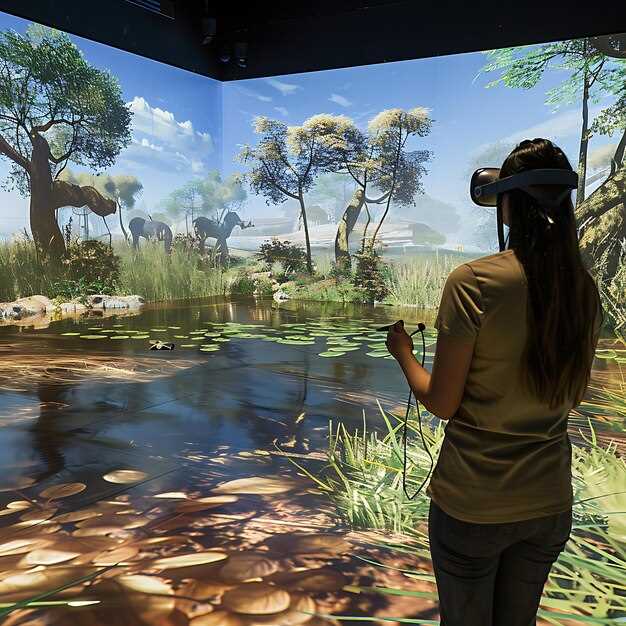
Target end-to-end latency under 150 ms for most real-time tour prompts, and under 100 ms for navigation cues, so traveling through iconic landmarks yields a seamless narration that youd hear without distraction.
Measure end-to-end latency as the interval from a user input to the moment audio begins playing. Track the 95th percentile and the 99th percentile tail to bound spikes, and monitor jitter to keep it under 20 ms. Maintain packet loss below 0.5% on all streaming paths. The system provides responses ہدف کی ونڈو کے اندر توازن برقرار رکھ کر بادل وسائل کے ساتھ حاشیہ حساب کریں، اور اسٹریمنگ کے ذریعے ٹکڑے بیان چھوٹے ٹکڑوں میں کرنا تاکہ ردھم برقرار رہے اور صارف کے تجربے میں اضافہ ہو۔.
ان اہداف کی حمایت کے لیے آرکیٹیکچر ایک تقسیم شدہ مکس پر منحصر ہے: کمپیوٹ پر حاشیہ مشہور راستوں کے قریب نوڈز تاکہ لیپ سنک اور پرامپٹس کے لئے لیٹنسی کو کم کیا جا سکے، کے ساتھ بادل خدمات جو بھاری NLP اور لمبی شکل کو سنبھال رہی ہیں تلاش درخواستیں۔ درمیان حاشیہ اور بادل, ، ڈیٹا کم از کم ہاپس کے ساتھ منتقل ہوتا ہے تاکہ لیٹنسی کو متوقع رکھا جا سکے۔ نتیجہ یہ ہے کہ ایک لچکدار ترتیب دینا ٹور سفر کے دوران بیانیہ، مشاہدہ کاری کے دوران متحرک رفتار برقرار رکھنے میں مدد کرتا ہے اور علامتی راستوں پر۔.
مواد کی حکمت عملی فراہم کرنے پر زور دیتی ہے ٹکڑے نظریہ کو چھوٹے چھوٹے حصوں میں بیان کرنا تاکہ سیاحتی رفتار کے ساتھ ہم آہنگ ہو سکے۔ استعمال کریں۔ میں صرف ترجمہ فراہم کروں گا، کوئی وضاحت نہیں دوں گا۔ میں اصل لہجے اور انداز کو برقرار رکھوں گا اور فارمیٹنگ اور لائن بریکس کو بھی برقرار رکھوں گا۔ آپشنز جو آڈیو-صرف، ٹیکسٹ-بیکڈ، اور سنیماٹک، مووی نما پیسر کے درمیان سوئچ کرتے ہیں جبکہ مواد کو قابل رسائی بناتے ہیں۔ برائے امریکی نسل، یہ طریقہ واضح تناظر کو ترجیح دیتا ہے تاکہ مسافر اہم نکات سن سکیں بغیر معلومات کے بوجھ کے؛ یہ مشہور مقامات کے گرد عوامی دوروں کی بھی حمایت کرتا ہے۔ فلم جیسا سرکشی مصروف سیاحت کے راستوں پر غرق ہونے میں مدد کرتا ہے۔.
ٹیسٹنگ کے لیے، ایک کردار آرچر کو متعارف کروائیں تاکہ مختلف لہجوں اور تلفظ کو ہم آہنگ کیا جا سکے۔ عوامی خلائیں۔ بھاگیں تلاش اور questions سسٹمز کو واضح جواب دینے کی ضمانت دینے کے لیے سمولیشنز، چاہے نیٹ ورکس میں اضافہ ہو۔ ریلیز سے پہلے، ایک لائبریری کو پکڑیں ٹکڑے حکایت اور تصدیق responses align with the میں صرف ترجمہ فراہم کروں گا، کوئی وضاحت نہیں دوں گا۔ میں اصل لہجے اور انداز کو برقرار رکھوں گا اور فارمیٹنگ اور لائن بریکس کو بھی برقرار رکھوں گا۔ سیر کے لیے متعین۔.
اخراجات کا کنٹرول: کم لاگت کی تلاشوں اور ذہین کیشنگ کے ساتھ ڈیزائننگ
دو سطحی سوالی نظام نافذ کریں: عام درخواستوں کو مقامی طور پر کیش کریں اور دوسرے درخواستوں کو تیز جنریٹر کی طرف منتقل کریں۔ یہ تاخیر کو کم کرتا ہے اور ٹورز کی عام تعیناتیوں میں فی جواب کی قیمت کو 60% تک کم کرتا ہے۔ یہ طریقہ سٹرنگ پر مبنی درخواستیں، ماڈیولر بلاکس، اور ایک براہ راست جنریٹر راستے کا استعمال کرتا ہے جو مختصر، کردار پر مبنی جوابات فراہم کرتا ہے جبکہ کہانی سنانے کی رفتار کو برقرار رکھتا ہے۔.
-
مقامی کیش حکمت عملی: 1,000 سب سے زیادہ بار بار آنے والے پرامپٹس کے لئے ایک LRU کیش برقرار رکھیں۔ ہٹ کی شرح کا ہدف 85-92% ہے، جس میں اوسط مقامی تلاش 18 ملی سیکنڈ سے کم ہونی چاہئے۔ ہر اندراج کو 40-120 ٹوکن کے ایک کمپیکٹ JSON سٹرنگ کے طور پر محفوظ کریں؛ کل میموری کا نشان 2-5 MB۔ ہٹ ہونے پر، پہلے سے طے شدہ جواب واپس کریں؛ مس ہونے پر، جنریٹر کے ذریعے گزر جائیں۔ یہ مؤثر طریقے سے کلائنٹ کے انتظار کے وقت کو آدھا کر دیتا ہے اور ہر توقف کی قیمت میں کمی کرتا ہے۔.
ڈیزائن کے نکات: زبان اور منظر کے حساب سے اہم پرامپٹس (جیسے، شہر کا منظر، عمارتوں کی تاریخ، یا باہر کا آڈیو)۔ جوابات اتنے مختصر رکھیں کہ وہ ایک واحد آڈیو ٹکڑے میں فٹ ہوں، اور ان کی رفتار کو قدرتی رکھنے کے لیے واضح ٹرن ٹیکنگ مارکرز کا استعمال کریں۔.
-
پرومپ کی ٹیمپلیٹس اور جنریشن: 60–80 پہلے سے طے شدہ ٹیمپلیٹس بنائیں جو عام منظرناموں کا احاطہ کرتے ہیں–سڑکوں کے پینورامک مناظر، عمارتوں کی تاریخ، یا باہر چہل قدمی۔ ایک سٹرنگ کا استعمال کریں جس میں زبان، فاصلے، اور رکے جانے کی جگہ کے لیے جگہیں ہوں۔ ٹیمپلیٹس جنریشن کی لمبائی کو 30–50% تک کم کرتے ہیں اور ٹورز کے درمیان مستقل کردار کو یقینی بناتے ہیں، جس سے جنریشن براہ راست اور قابل پیش گوئی ہو جاتی ہے۔.
ٹیمپلیٹ کی نظم و ضبط متنوعی کو حل کرنے میں مدد دیتی ہے: ایک ہی ٹیمپلیٹ چھوٹے متبادلوں کے ذریعے متعدد مختلف اقسام واپس کر سکتی ہے، تنوع کو برقرار رکھتے ہوئے لاگتوں میں اضافہ نہ ہونے دیتی ہے۔.
-
لیٹینسی، لاگت، اور معیار کے میٹرکس: کیشڈ ہٹس کے لیے 120 ملی سیکنڈ سے کم 95ویں فیصد کی لیٹینسی کا ہدف مقرر کریں اور غیر کیشڈ کالز کے لیے 450–500 ملی سیکنڈ کے درمیان۔ فی کال لاگت کو ٹریک کریں اور کیشنگ کے بعد 40–70% کی مکمل کمی کا ہدف رکھیں، زبان کے مجموعے اور اسٹاپ کثافت کے مطابق۔ ایک سادہ کیلکولیٹر کا استعمال کریں جو ٹوکن کی لمبائی، کیشڈ ہٹ، اور نیٹ ورک کی دوری کو جمع کرتا ہے تاکہ ماہانہ خرچ کا تخمینہ لگایا جا سکے۔.
-
زبان کی ہینڈلنگ اور شخصیت کی مستقلتا: ہر زبان کے لیے علیحدہ کیش اور ٹیمپلیٹس برقرار رکھیں تاکہ تلفظ اور رفتاری میں غلطیاں نہ ہوں۔ ہر زبان کو کلائنٹ کی طرف ایک آواز پروفائل سے جوڑیں تاکہ منظر کشی کی گفتگو ہم آہنگ رہے جب سامعین تاریخ اور تاریخی مقامات کے دورے کے دوران زبانوں کے درمیان سوئچ کریں۔.
-
کلائنٹ-سائیڈ اور آڈیو فلو: نیٹ ورک کے تاخیر کو چھپانے کے لیے ایک رک جانے کے دوران اگلے دو پرامپٹس کو پہلے سے لوڈ کریں۔ جب ممکن ہو تو آڈیو کے حصے 6–8 سیکنڈ سے کم رکھیں تاکہ بفرنگ اور فاصلے کے اثرات کو کم کیا جا سکے، خاص طور پر باہر کے سیشنز کے لیے جہاں ہوا اور ہجوم کی آواز وضاحت پر اثر انداز ہوتی ہے۔.
-
پہیلیوں اور تعامل کے ذریعے مشغولیت: ہلکی پھلکی پہیلیوں یا فوری اشاروں کو شامل کریں جو صارفین کو کسی خاص جگہ کا مشاہدہ کرنے اور سوال کا جواب دینے کی رہنمائی کریں۔ پہیلی کے اشارے اور متوقع جوابات کو محفوظ کریں تاکہ غیر ضروری تخلیق سے بچا جا سکے، جبکہ صارفین کو منظر کے بارے میں سوچنے کی ترغیب دیتے رہیں بغیر مستی کو توڑے۔.
-
نگرانی اور تکرار: مسلسل ہٹ ریٹ، اوسط تاخیر، سرور سے فاصلے کے اثرات، اور فی زبان لاگت کو ماپیں۔ کلائنٹ کے تجربے پر تبدیلیوں کے اثرات کا جائزہ لینے کے لیے 7-14 دن کی رولی اورنگ رکھیں اور اس کے مطابق سانچوں، کیش کے سائز، اور پیداوار کی حدوں کو ایڈجسٹ کریں۔ ان بصیرتوں کا استعمال کرتے ہوئے پیداوار کی گہرائی اور کیش کے دوبارہ استعمال کے درمیان توازن کو بہتر بنائیں، تاکہ ان کے سامعین کے لیے تجربہ نرم اور جوابدہ رہے۔.