


 اردو
اردو  English (UK)
  Русский
  বাংলা
বাংলা  العربية
  日本語
日本語  한국어
한국어  Magyar
  Norsk nynorsk
  Türkçe
  עִבְרִית
  Español
  Čeština
  Svenska
  Português
  Ελληνικά
  Suomi
Suomi  Nederlands
  Română
  Italiano
  Français
  Polski
  Українська
  Deutsch
  简体中文
简体中文  Slovenčina
  Српски језик
  Azərbaycan dili
  O‘zbekcha
  አማርኛ
አማርኛ 
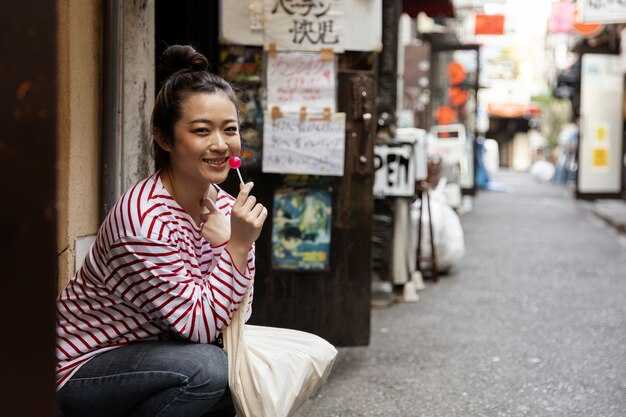
سفارش: Start with planning a compact two-day route and ask your hotel concierge for a local map of markets and spots that mix food, art, and culture.
Choose a core district to anchor your visit: the dynamic front of Shibuya, the historic lanes of Asakusa, and the museum cluster near Ueno Park. We went to Asakusa first to savor street snacks, and each district offers a distinct rhythm, from rapid crossings to quiet galleries and wandering street food.
Markets like Tsukiji or Toyosu offer fresh bites, while side streets reveal key sites and many shops. You may even glimpse wrestlers training near Ryogoku, a front-row moment that connects sport and street food, then stop at a tiny koffee counter for a caffeine recharge.
tokyos energy is lively. Evenings offer karaoke, cozy cafes, and the bright front of Shinjuku streets. If you slow down, you can time a quiet pause at a shrine or museum site, appreciating the waiting energy as crowds thin and lights shift.
For a practical plan, pick one place to anchor each day: a market hub, a temple or shrine site, and a museum corner. Bring a compact map, note the point of interest for sites you want to see, and be ready to pivot based on local advice from shop staff and friendly locals waiting for you at the station with practical tips. Your Tokyo planning grows as you explore more places.
Practical Tokyo Essentials for First-Time Visitors
Get a Suica card topped up and ride Tokyo’s trains with a tap. It saves hours and keeps you moving between different neighborhoods without fumbling for tickets. This is a must for first-time visitors.
On the food front, plan a couple of meals around tsukemen and wagyu; a cozy cafe near a park serves green tea and light bites. Expect an extravaganza of choices as you explore. Check menus in English and reserve ahead when a spot has a long line. Enjoy yourself with the variety and feel lucky if you land a green booth.
Pause at a shrine or stroll a garden; you’ll notice a jizo statue and a calm vibe that refreshes your mind for a minute. You’re able to pace yourself and realise you can keep going. If you want more tips, subscribe to a local newsletter for cafe tips and pop-ups that often take place around earth-friendly venues.
If crowds feel crazy, break your day into short, pleasant bites: look for green spaces and side streets where you can sit for a minute and enjoy yourself.
If you’re not overwhelmed by options, pick a near corner with a cafe after dark and a couple of clubs to check out; you’ll realise the city blends quick chats with late-night energy. This simple plan takes just a few hours and shows you a real taste of Tokyo.
Plan Transit: From Subway to Feeder Lines and Smart Station Shortcuts
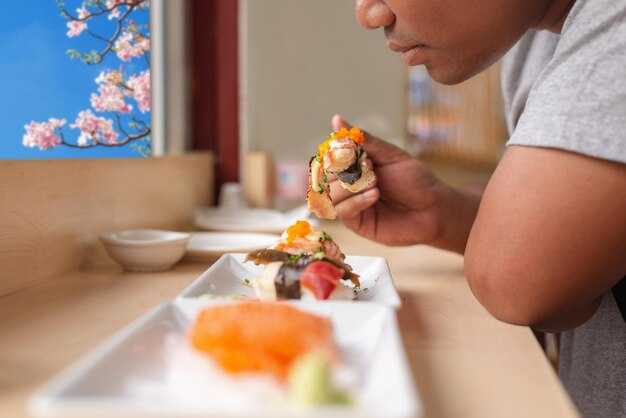
Start with a Suica or PASMO card loaded and plan a route that minimizes transfers by hopping onto a feeder line at a single hub.
Choose a central hub such as Tokyo Station, Shinjuku, or Shibuya where you can switch once to a feeder line that reaches outlying wards, keeping you away from zigzag routes.
Use smart shortcuts: check station maps in advance, note exit numbers, and pick gates that connect directly to your platform to save time.
On weekends, keep hops short and walk between nearby stations to enjoy parks and green spaces, then visit Meiji Shrine and nearby temple precincts for a balanced pace. If you try a few casual words–kimi–in Japanese, the courtesy from staff often feels warmer.
Food break: after a leg on the train, treat yourself to tsukemen at a well-regarded shop near a station; it’s a little splurge you’ll remember.
Stay option: if you want a calmer pace, consider a ryokan for a night and use that base to explore a shrine or temple nearby.
Costs and tickets: IC cards save time; you usually need fewer tickets, and most short hops cost only a few hundred yen; expect courtesy from station staff.
Look ahead and design a course that links two or three neighborhoods, similar to routes you might follow in worlds beyond Tokyo, and you’ll believe how easy it gets to enjoy efficient travel.
Place tips: head to a little café in a quiet station area or along a green street to recharge; cafés are good for a quick break before the next leg.
That approach leaves time to enjoy a shrine or temple and still catch a train back to your hotel, with time to spare for walking and exploring the place you came for.
Best Places to Eat International Cuisine Across Tokyo
Begin your Tokyo food tour with Shin-Okubo, the best cluster for international eats you can reach on foot from the station. Here the street is an attraction itself: compact storefronts spill aromas from Korean, Indian, and Middle Eastern kitchens. You’ll taste home-style dishes and street-friendly bites for under 1500 yen per item in most spots, cheaper than you’d expect, plus casual cafés to rest before you move on.
Next, explore Shibuya and Ebisu for Mexican, Peruvian, and Southeast Asian options that thrive after dark. Colourful signs and front counters line pedestrian streets; you can sample a taco or satay on the go or settle into a cafe for a longer lunch. There are crowds, though the energy stays welcoming.
Ginza and Akasaka deliver refined European dishes, from French bistros to Italian trattorie and Spanish tapas. The price range leans pricey here, but you’ll find best ingredients and service. If you want a view, some places offer a front-window table overlooking the street and you might watch the city buzz from above.
Department store depachika–think Isetan Shinjuku, Mitsukoshi Nihonbashi–offer a curated tour of international kitchens in one place. These stalls, called depachika counters, let you sample Greek mezze to Turkish gözleme for less than 2000 yen per plate. If your inbox fills with specials, these spots rotate weekly.
Asakusa and Ueno tip you toward Chinese and Taiwanese-inspired bites, and the Meiji Shrine area around Harajuku offers a pleasant mix of quick bites and cafe stops. After a shrine visit, walk to a nearby café with a view of Tokyo’s busy streets.
Tips from the field: go on weekdays for shorter waits, and be ready to point at pictures or use simple Japanese phrases if you didnt speak the language. If a dish sounds unfamiliar, ask what it is; you might have to watch the spice level and decide what you must try, then simply order family-style to sample more. Heres a quick reminder for a fast read: keep the conversation light and save major meals for evenings, minute by minute.
aarohi, editor, recommends a balanced plan: start through Shin-Okubo, loop through Shibuya, drift to Ginza, then cap the day with a depachika bite. This approach keeps the culture rhythm intact and helps you think what locals love. If you think this is too ambitious, you can slow down and stroll between sights.
Budget-Friendly Food Stops Near Iconic Sights
Grab a tiny fried fish and mayo bowl from a stall by Shibuya Crossing–delicious, fast, and under 800 yen–perfect between photo ops at the most crowded intersection in Tokyo. The experience gets you into approachable, quick bites without slowing your pace down.
Nearby, Asakusa’s Senso-ji area offers a row of cafés with quick bites–taiyaki, curry rice, or udon. Themed spots add charm, and the interiors mix earth-toned walls with a مَحلّی vibe; small stalls were set up along the approach, and jizo statues line the path, offering a quiet moment between crowds. The prices stay friendly while the flavors stay لذيذ.
Near Tsukiji, the outer market area provides a range of affordable options: fried fish skewers, tamagoyaki, chirashi bowls, and a handful of اصلی bites that usually دیکھو simple but taste vibrant. A popular choice is a light nigiri set or a pizza slice from a nearby stand–you can get much value and a different flavor profile than a formal restaurant. This spot draws a مقبول crowd, including locals who were there before the morning rush.
In Harajuku and around the Meiji Shrine, seek light options in small cafés that serve onigiri, fried chicken, or crepes with savory fillings. It’s easy to find لذيذ bites that won’t blow your budget, and the مقام keeps you close to the forested paths. These cafés offer اصلی tastes and a دیکھو that feels playful, a nice pause when you want something quick between fashionable stops.
In roppongi, the nightlife hub also offers budget-friendly options: casual pizza-by-the-slice counters, izakaya tiny fry joints, and coffee cafés with quick bites. If you want a لذيذ lunch before a sunset view from the roppongi hills observation deck, you can find meals around 700–1100 yen. Check social feeds for real-time deals; subscribe to a local newsletter to catch pop-up menus and اصلی dishes that aren’t on the main menus. A few stalls even feature a finn-shaped snack, adding a playful twist to your meal between sights.
Tip: carry small bills; most places accept IC cards, but some stalls near famous spots prefer cash. This keeps you moving and avoids lines. If you want a calmer bite while sipping a light tea, head to a cafés row close to a park and take a moment to reflect on your experience yourself.
One-Day Food-Focused Itinerary with Quick Landmarks
Start at toyosu Market for a fresh tuna breakfast–this should be your anchor for the day. Grab otoro nigiri and a tamagoyaki, then follow a welcoming sign toward a tiny stall by gregory, known for its seasonal products.
From there, take the train to senso-ji in Asakusa. Between the gate and the main hall, a statue stands and the air carries incense; snap a picture along the courtyard path and feel the energy of this iconic spot, like stepping into a postcard.
For lunch, pick a known store along Nakamise-dori offering tempura or soba. The link on your map will point to a solid option with crisp batter and a comforting broth; this thing will restore your energy for a longer stroll. Include a quick snack such as melon pan if the line moves fast.
After lunch, head toward the Sumida River area for a short walk and a lovely view of the skyline. This same stretch hosts small cafes and a few street-food stalls–perfect for an easy mid-afternoon break. If you have time, hop on a nearby river cruise for a tiny view of the Tokyo skyline, and take a picture to remember the moment.
On weekend days the neighborhood often hosts an extravaganza of snacks, crepes, and handmade sweets–heres a tip: arrive early to beat crowds. You will love how the route links Toyosu’s sea freshness with Asakusa’s heritage, and you’ll be able to switch to a calmer pace if needed. If you went with friends, this plan keeps a tiny amount of walking but maximum flavor, and you will be able to capture lovely memory pictures of your day.
Seasonal Markets, Festivals, and Immersive Culinary Experiences
Visit Ameya-Yokocho on a festival night to taste seasonal bites and soak in the market’s energy as stalls rotate with the seasons.
- Ameya-Yokocho Market (Ameyoko) – arcades line the street; expect a supermarket vibe, quick bites, and plenty of tsukemen counters you can sample after bargaining for fresh snacks, plus chances to linger at a café between stops.
- Toyosu Market and the outer Market – seafood-forward stalls with fresh oysters, uni, and sauces; nearby counters offer bowls of nigiri or a dipping tsukemen bite to start.
- sensoji/Nakamise-dori – seasonal sweets and savory bites; the area above the temple crossing offers lantern glow and crowd energy during festivals.
the day still gets a different tempo after dark; the scene feels like worlds colliding, and apparently, fruit stands catch the eyes of fans and photographers alike. This variation is more than a single bite; it gives you a sense of the city’s rhythm.
- sensoji festival moments – seasonal processions; the crowd moves along the approach, with food stalls that get crowded near the crossing.
- shibuya/hachiko moments – a statue of hachiko sits near Shibuya Crossing, a classic photo stop before or after a café break.
- temple-adjacent markets – the calm between bites when rain dampens the scent of street fare, then the smell returns as the crowds flood back.
Immersive culinary experiences
- tsukemen workshop at a café-style studio with a chef; cover the bowl neatly, learn to balance broth and dipping sauce.
- wagyu tasting sessions guided by a chef (gregory) who explains marbling, cut selection, and plating; a metro hop makes it easy to reach the tasting bar.
- go-kart street-food crawl – speed between stops, then end with ramen in a narrow alley.
disneyland can be a light, separate day-trip that contrasts the neon streets with a family-friendly park experience; keep it on its own day so you’re back in time for a late-night market stroll. If you’re returning from the park or a late session, the metro makes it easy to hop back to the main crossing areas and pick up another snack before bed.
heres a tip: start early at the market stalls, then retreat to a calm café terrace to decompress before exploring the next thing. Eventually, you’ll be drawn back to the arcades and the sizzle of wagyu, a reminder that Tokyo could be somewhere you’d like to stay longer.